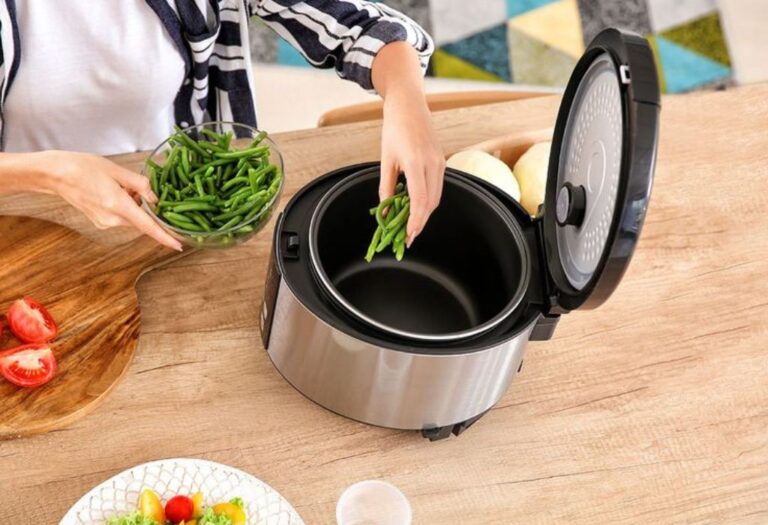
Teflon-coated cookware has become a staple in kitchens around the world. Its non-stick surface promises effortless cooking and easy cleanup, making it a favorite for busy households.
However, questions about its safety have sparked widespread debate. Are these pans truly harmless, or could they pose hidden health risks over time?
Understanding the facts behind Teflon and similar non-stick coatings is essential for anyone who spends time in the kitchen. With proper knowledge, it is possible to enjoy the convenience of non-stick cookware while minimizing potential dangers.
Overheating Teflon-coated pans can release toxic fumes, which may cause temporary flu-like symptoms known as polymer fume fever. According to the Singapore Food Agency, these fumes can be harmful to humans and lethal to birds (sfa.gov.sg).
Older Teflon products contained PFOA, a chemical linked to health concerns including liver damage and cancer. Although PFOA has been phased out, newer alternatives like GenX are still being studied for their long-term effects (xometry.com).
What Is Teflon-Coated Cookware?
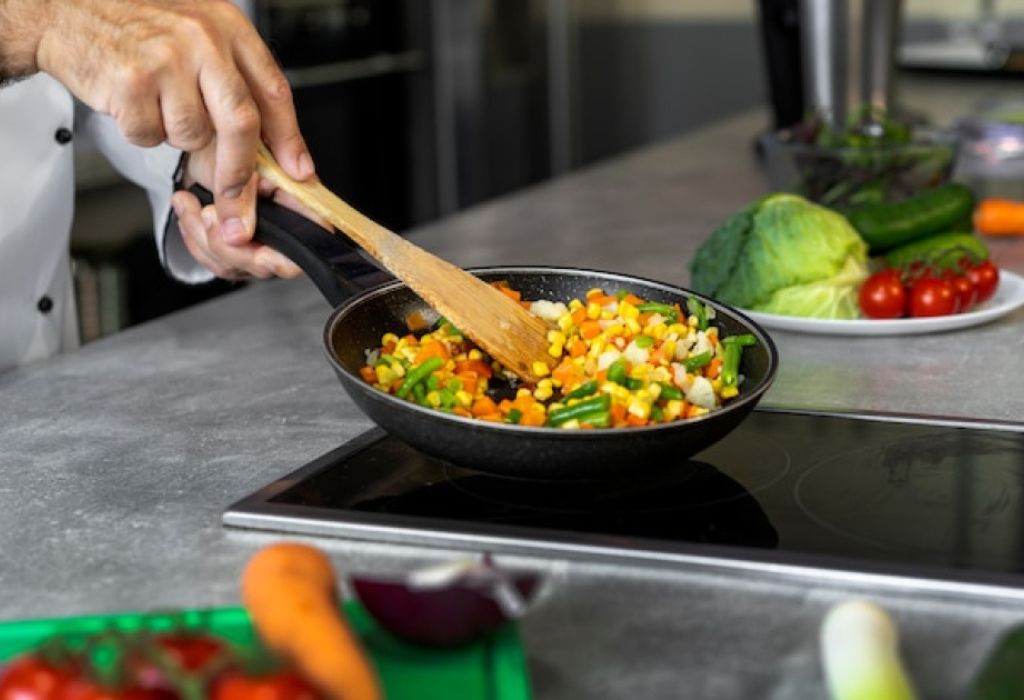
Teflon is the brand name for polytetrafluoroethylene, or PTFE, a synthetic polymer known for its non-stick properties. It is widely used to coat metal cookware, making cooking easier and cleanup faster.
The non-stick surface is created by applying a thin layer of PTFE to the pan. This layer prevents food from sticking and allows cooking with less oil.
The manufacturing process can vary, affecting durability and performance. High-quality Teflon coatings are smooth and resistant to scratches, while lower-quality coatings may wear down quickly.
Teflon itself is chemically stable and non-toxic at normal cooking temperatures. Concerns arise primarily when the coating is damaged or overheated, which can release harmful particles or fumes.
Proper maintenance ensures the cookware remains safe and functional for years. Understanding the composition and potential risks helps users make informed choices in their kitchen.
- What is Teflon?
Teflon is a brand name for PTFE, a synthetic polymer used to create non-stick surfaces on cookware. - How is Teflon applied to cookware?
PTFE is applied to metal pans to form a smooth, durable, and non-reactive non-stick surface. - Is PTFE toxic?
PTFE is safe under normal cooking conditions and does not leach harmful chemicals when used correctly. - What happens if Teflon cookware is damaged?
Scratched or chipped cookware may release small particles into food, which can pose health risks if ingested. - Can Teflon cookware be used safely?
Yes, following proper usage, avoiding overheating, and maintaining the surface ensures safe and effective use.
Health Risks Associated with Teflon Cookware
Overheating Teflon-coated cookware can release toxic fumes. These fumes may cause flu-like symptoms in humans and can be lethal to birds (sfa.gov.sg).
The fumes occur when the coating is exposed to temperatures above 260°C. Even brief overheating can produce harmful gases like PTFE decomposition products.
Older Teflon pans contained PFOA, a chemical linked to liver damage, thyroid disease, and some cancers. While PFOA has been phased out, newer alternatives such as GenX are still under study for long-term safety (xometry.com).
Scratches, chips, or worn coatings can release particles into food. Consuming these particles is considered low risk, but it is best to avoid damaged cookware for health and performance reasons.
Even when used correctly, monitoring cooking temperature is important. Using medium or low heat helps prevent chemical release and preserves the non-stick surface.
- What happens if Teflon cookware is overheated?
Overheating can cause the coating to break down and release toxic fumes that may affect human health. - Is PFOA still present in Teflon cookware?
PFOA has been phased out, but some newer chemicals like GenX are used, and long-term effects are still being studied. - Can scratched Teflon cookware harm health?
Damaged cookware may release small particles into food, which could pose health risks if ingested. - Are the fumes from Teflon dangerous?
Yes, fumes from overheated Teflon can be harmful to humans and lethal to birds. - How can health risks be minimized?
Avoid high heat, replace damaged pans, and follow proper usage and cleaning guidelines.
Safe Usage and Maintenance of Teflon Cookware
Cooking at high temperatures is the main cause of Teflon degradation. Using low to medium heat preserves the coating and prevents harmful fumes.
Selecting the right utensils is important for durability. Wooden, silicone, or plastic utensils prevent scratches that can damage the non-stick surface.
Proper cleaning extends the lifespan of Teflon pans. Wash with warm, soapy water and a soft sponge, avoiding abrasive pads or harsh detergents.
Storage practices also matter for maintaining the coating. Stack carefully or use pan protectors to avoid scratches when storing multiple pans.
Regular inspection helps detect early signs of wear. Replace cookware with deep scratches or chips to maintain safety in the kitchen.
- What cooking temperatures are safe for Teflon cookware?
Low to medium heat is recommended to prevent breakdown of the non-stick coating. - What utensils should be used with Teflon cookware?
Wooden, silicone, or plastic utensils are best to avoid scratching the surface. - How should Teflon cookware be cleaned?
Wash with warm, soapy water and a soft sponge; avoid abrasive tools. - How should Teflon cookware be stored?
Stack carefully or use pan protectors to prevent scratches. - When should Teflon cookware be replaced?
Replace pans that are heavily scratched, chipped, or worn to ensure safety.
Common Myths About Teflon Cookware
Many misconceptions surround Teflon-coated cookware. Some believe it is universally toxic, while others think it can withstand any cooking condition without risk. Understanding the facts helps separate myths from reality.
One common myth is that all Teflon cookware releases dangerous chemicals during normal cooking. In reality, Teflon is chemically stable below 260°C. Using low to medium heat prevents the release of toxic fumes.
Another myth is that scratched or worn Teflon cookware is highly dangerous. While damaged surfaces can release small particles into food, studies suggest the risk from ingestion is minimal. Replacing heavily damaged cookware is still recommended.
Some people assume PFOA is present in all modern Teflon cookware. PFOA has been phased out in the U.S. since 2013, and current cookware is marketed as PFOA-free. Chemicals like GenX are now used, and while long-term studies continue, following usage guidelines ensures safety.
A further misconception is that non-stick alternatives like ceramic or stainless steel are always safer. While these materials avoid PTFE, they have their own considerations, such as uneven heating or added oil requirements.
Consumers should focus on understanding usage instructions rather than believing generalized claims. Proper maintenance, heat management, and choosing high-quality cookware significantly reduce potential risks.
- Is all Teflon cookware toxic?
No, when used below recommended temperatures, it is safe. - Are scratched Teflon pans dangerous?
Minimal risk exists, but damaged pans should be replaced. - Does modern Teflon still contain PFOA?
No, current cookware is PFOA-free. - Are non-stick alternatives always safer?
Not necessarily; they may have other limitations like uneven heating. - What is the best way to reduce risk?
Follow usage instructions, avoid high heat, and replace damaged cookware. - Understanding PTFE and Its Properties
PTFE, the chemical behind Teflon, is a synthetic polymer with unique properties. Its most notable characteristic is extreme non-stick behavior, which makes it ideal for cookware.
PTFE is highly chemically inert, meaning it does not react with most foods or cleaning chemicals. This property makes it safe under normal cooking conditions and prevents flavor contamination.
Thermal stability is another key property of PTFE. It can withstand medium cooking temperatures without breaking down. However, overheating beyond 260°C can cause decomposition into toxic fumes.
PTFE is also hydrophobic, repelling water and oils, which contributes to its non-stick function. This allows cooking with less oil and makes cleaning easier.
Its flexibility allows Teflon coatings to adhere to metal surfaces efficiently, creating a smooth, durable finish. However, PTFE coatings are not indestructible. Sharp utensils, abrasive cleaning tools, or metal stacking can damage the surface.
Understanding PTFE’s properties helps users maintain Teflon cookware safely. By respecting heat limits, using safe utensils, and avoiding abrasive cleaning, PTFE-coated pans remain both effective and safe.
- What is PTFE?
PTFE is a synthetic polymer used to create non-stick cookware surfaces. - Why is PTFE non-stick?
Its chemical structure repels water and oil, preventing food from sticking. - Can PTFE withstand high temperatures?
Yes, up to 260°C; above that, it can release toxic fumes. - Is PTFE reactive with food?
No, it is chemically inert and does not affect flavor. - How can PTFE coatings be damaged?
Using metal utensils, abrasive tools, or stacking pans without protection can damage PTFE.
Cooking Techniques to Maximize Safety
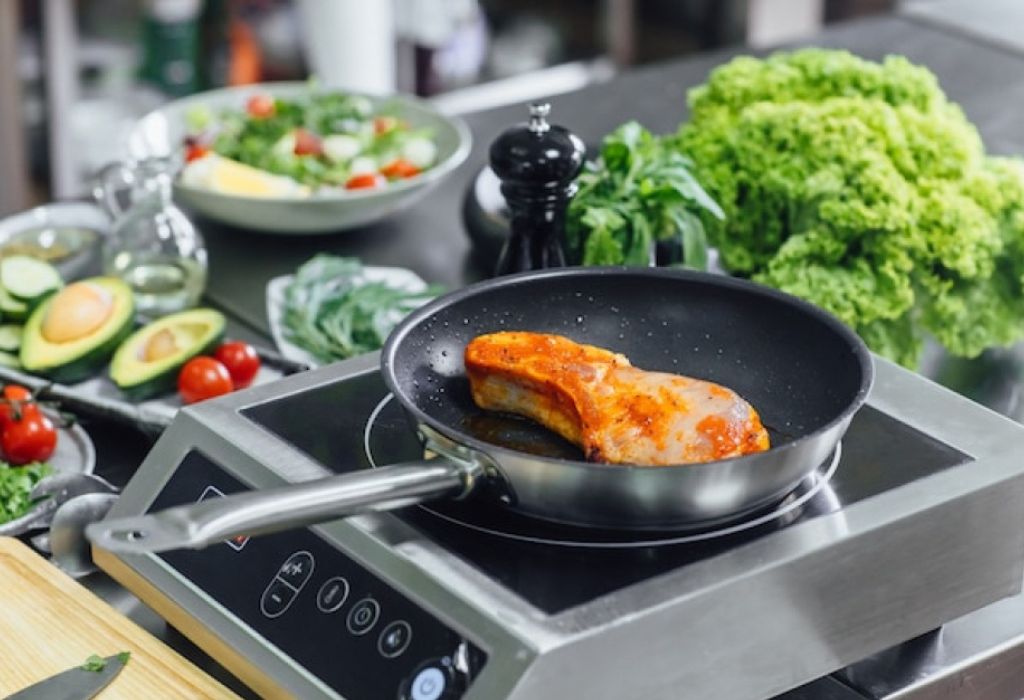
Cooking techniques play a critical role in Teflon safety. Even high-quality cookware can release toxic compounds if misused. Understanding best practices ensures safe and effective use.
Avoid preheating empty pans on high heat. Empty Teflon pans heat faster than when food is present, increasing the risk of decomposition and fumes. Always add a small amount of oil or liquid when heating.
Use moderate temperatures for daily cooking. Most meals can be prepared on low or medium heat without compromising quality. This practice protects the coating and prevents chemical release.
Choosing the right utensils reduces surface damage. Wooden, silicone, or heat-resistant plastic tools prevent scratches and extend the pan’s lifespan. Avoid metal utensils that can chip or gouge the coating.
Proper cleaning preserves the surface. Use soft sponges and gentle detergents, avoiding steel wool or abrasive pads. Handwashing is preferred, as some dishwashers can wear down coatings over time.
Storage also matters. Protect pans from scratches by placing pan protectors or using soft cloths between stacked pans. This simple measure prevents physical damage to the non-stick layer.
- Should Teflon pans be preheated empty?
No, always add oil or food first to prevent overheating. - What cooking temperatures are safest?
Low to medium heat is recommended for daily use. - Which utensils are safe?
Wooden, silicone, or plastic utensils protect the coating. - How should Teflon cookware be cleaned?
Use soft sponges, gentle detergents, and avoid abrasive tools. - How should pans be stored?
Use pan protectors or soft cloths to prevent scratches when stacking.
Environmental Impact of Non-Stick Cookware
Non-stick cookware production and disposal have environmental consequences. Chemicals such as PFAS, used historically in Teflon, are highly persistent and can contaminate water and soil.
PFAS compounds are sometimes called “forever chemicals” because they do not easily break down in the environment. They can accumulate in wildlife and potentially enter the human food chain.
Modern cookware manufacturing has reduced the use of PFOA and replaced it with alternatives like GenX. While safer for humans, these chemicals still require environmental monitoring to assess long-term effects (time.com).
Consumers can help reduce environmental impact by choosing high-quality, durable cookware. Longevity reduces waste, and replacing damaged pans less frequently lowers overall chemical exposure.
Recycling options for non-stick cookware are limited. Proper disposal and selecting recyclable alternatives can minimize environmental harm. Ceramic, stainless steel, and cast iron pans are generally more eco-friendly.
Awareness of environmental issues encourages responsible purchasing and disposal. Combining safety, performance, and eco-consciousness is increasingly important in modern kitchens.
- Are PFAS chemicals harmful to the environment?
Yes, they are persistent and can contaminate water and soil. - Is modern Teflon safer environmentally?
PFOA has been phased out, but GenX and other alternatives still need monitoring. - How can consumers reduce environmental impact?
Use durable cookware, replace damaged pans wisely, and recycle if possible. - Are ceramic or cast iron pans eco-friendly?
Yes, they are more sustainable and have minimal chemical impact. - Why is environmental awareness important?
Responsible choices help reduce pollution and protect long-term ecological health.
Safer Alternatives to Teflon Cookware
Ceramic cookware offers a non-stick surface without PTFE or PFOA. It is free from chemicals linked to health concerns and can be used safely at higher temperatures (en.wikipedia.org).
Cast iron is a durable option that becomes naturally non-stick when seasoned properly. It also adds dietary iron to meals, which can be beneficial for health.
Stainless steel cookware is non-reactive and does not leach chemicals into food. It requires more oil to prevent sticking but remains a safe alternative for everyday cooking.
Carbon steel pans behave similarly to cast iron. With proper seasoning, they provide a natural non-stick surface and long-lasting performance.
Anodized aluminum and stoneware are additional alternatives. They combine non-stick properties with minimal chemical exposure, providing options for safer cooking.
- What is ceramic cookware?
Cookware made from clay coated with a non-stick ceramic glaze, free from PTFE and PFOA. - Is cast iron cookware safe?
Yes, when seasoned correctly, it is durable and naturally non-stick. - What are the benefits of stainless steel cookware?
Non-reactive, chemical-free, and highly durable for everyday cooking. - How does carbon steel compare to cast iron?
Both require seasoning, provide a non-stick surface, and are long-lasting options. - Are there other non-stick alternatives?
Anodized aluminum and stoneware also provide non-stick benefits without Teflon-related risks.
Regulatory Perspectives on Teflon Cookware
The FDA considers Teflon-coated cookware safe when used according to manufacturer instructions. Proper use includes avoiding overheating and replacing damaged pans.
Environmental concerns exist regarding PFAS chemicals used in Teflon production. These substances persist in the environment and may have long-term ecological effects (time.com).
Consumer awareness is crucial for safety and sustainability. Understanding the materials in cookware helps individuals make informed decisions for both health and environmental reasons.
Manufacturers have improved safety standards over the years. Modern Teflon cookware is PFOA-free and designed to withstand normal cooking temperatures without releasing harmful substances.
Regular updates from regulatory bodies help guide safe usage. Staying informed ensures families continue to cook safely and responsibly.
- Does the FDA consider Teflon cookware safe?
Yes, when used according to manufacturer guidelines - Are there environmental concerns with Teflon cookware?
PFAS chemicals used in production are persistent and may have long-term ecological effects. - Should consumers be concerned about Teflon cookware?
Being informed about cookware materials is key for health and environmental safety. - Have manufacturers improved Teflon safety?
Yes, modern cookware is PFOA-free and designed for normal cooking temperatures. - How can consumers stay updated on safety?
Follow regulatory updates and manufacturer guidelines to ensure safe use.
Tips for Choosing Safe Cookware
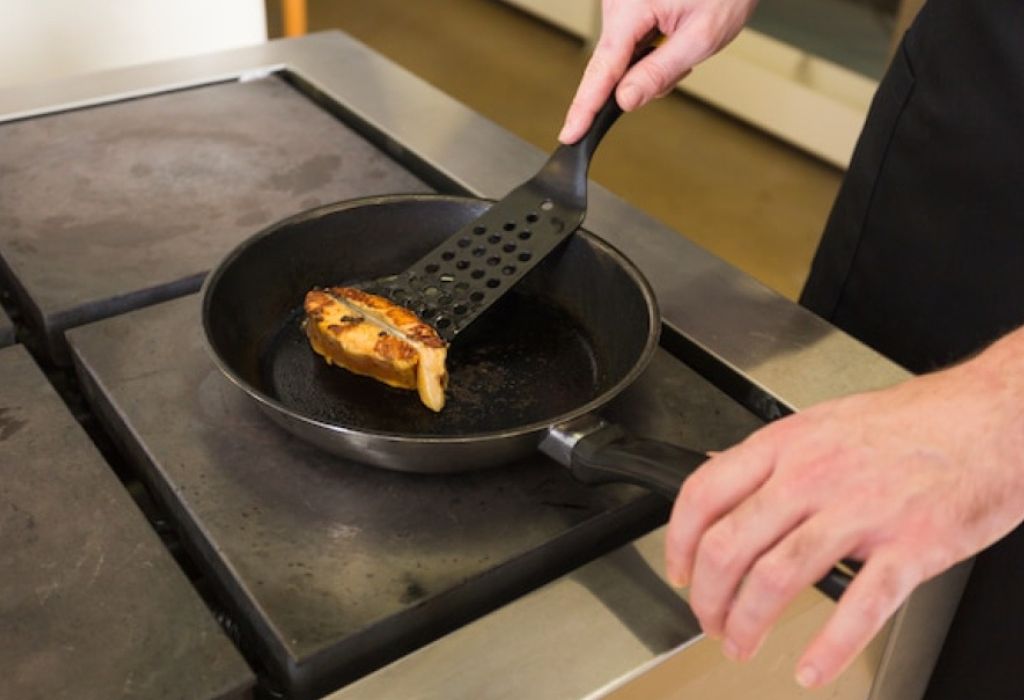
Selecting safe cookware requires balancing convenience, performance, and health considerations. Understanding materials, coatings, and manufacturer practices helps consumers make informed decisions.
Check product labels for chemical safety. PFOA-free Teflon is standard, and many manufacturers now highlight compliance with FDA and international safety guidelines.
Consider alternatives to Teflon, such as ceramic, stainless steel, cast iron, or carbon steel. Each option has unique benefits, including non-stick properties, durability, and minimal chemical exposure.
Evaluate durability and coating quality. High-quality pans are less likely to chip or scratch, reducing potential ingestion of particles. Look for reviews and brand reputation to identify long-lasting products.
Pay attention to heat tolerance. Choose pans suitable for your cooking style. Ceramic and stainless steel can often withstand higher temperatures than Teflon-coated options.
Maintenance and care are equally important. Proper cleaning, storage, and utensil use prolong cookware lifespan while minimizing health and environmental risks.
Making informed choices ensures both safety and performance in the kitchen. Combining proper material selection, safe cooking habits, and conscientious maintenance protects families while enhancing cooking experiences.
- How do I know if Teflon cookware is safe?
Look for PFOA-free labeling and follow manufacturer guidelines. - Are non-Teflon alternatives safer?
Ceramic, cast iron, stainless steel, and carbon steel avoid PTFE risks and offer durability. - What should I consider about coating quality?
Choose high-quality coatings to prevent chipping or scratching. - How important is heat tolerance?
Essential; using pans within recommended temperatures prevents chemical release. - Why is proper maintenance crucial?
Cleaning, storing, and using safe utensils prolong lifespan and maintain safety.
Conclusion
Teflon-coated cookware offers convenience and non-stick performance in everyday cooking. Understanding its potential health risks and proper usage is essential for safe kitchen practices.
Avoid overheating, use appropriate utensils, and replace damaged pans to minimize exposure to harmful chemicals. Following these practices ensures longevity and safety of the cookware.
Exploring safer alternatives like ceramic, cast iron, stainless steel, or carbon steel provides additional options for healthy cooking. These options combine non-stick benefits with reduced chemical exposure.
Staying informed about regulatory updates and manufacturer guidelines helps maintain both health and environmental responsibility. Knowledge empowers families to make smart choices in the kitchen.
Ultimately, Teflon cookware can be safe if used correctly. Evaluate your current cookware, follow safety tips, and consider alternatives to ensure every meal is both convenient and safe.

I’m Emma J. Caldwell, the founder, lead writer, and home-cooking enthusiast behind KitchenGuideCo.com. With a background in culinary arts and over a decade of cooking experience in both professional and personal kitchens, I created this platform to demystify recipes, offer smart kitchen gadget reviews, and guide readers through meal prep with confidence and clarity.