Figuring out how rice cooker works can seem tricky, especially if you’re new to cooking. These handy appliances appear simple, but there’s a bit of tech behind the scenes. This guide will make it easy! We’ll explore the main parts, the magic of the cooking process, and what makes different types unique. Get ready to cook perfect rice every time; we’re starting now!
The Basic Parts of a Rice Cooker
A rice cooker might look simple, but it has several important components that work together to cook rice perfectly. Knowing these parts helps you grasp the overall cooking process and understand how to maintain your appliance. It’s like knowing the names of the tools in your toolbox – you’ll be more confident using them. Each part plays a specific role, contributing to the final fluffy result.
The Inner Pot: Where the Magic Happens
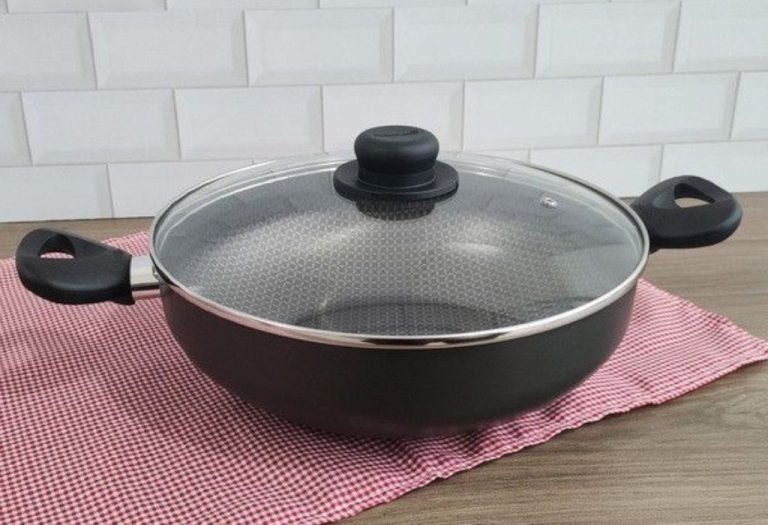
The inner pot is the most important part. It’s usually made from aluminum or another metal, designed to transfer heat efficiently and evenly. The interior often has non-stick coating, which prevents the rice from sticking and makes cleaning much easier. The pot also has markings for water and rice levels, taking the guesswork out of measuring. A well-made inner pot distributes heat, which ensures that all the grains cook uniformly.
- Material: The material is generally made of aluminum or a similar metal, which allows for quick and even heating. The metal helps distribute heat throughout the rice, which contributes to the uniform cooking of the grains, preventing parts from being undercooked or overcooked.
- Non-Stick Coating: A non-stick coating helps prevent the rice from sticking to the pot. This makes it easier to serve the rice and clean the pot, preventing food from burning or becoming difficult to remove. This feature is especially convenient for busy cooks.
- Measurement Markings: The inner pot usually has markings indicating how much water to add for specific amounts of rice. These markings are essential for getting the correct water-to-rice ratio, which is key to achieving the perfect texture. By following these, even novice cooks can prepare rice that is fluffy and not sticky.
- Durability: The pot needs to be durable to withstand the heat and frequent use. High-quality pots will last longer, even under regular cooking conditions. A strong pot won’t warp or degrade easily, ensuring a reliable cooking experience over time.
The Heating Plate: The Heat Source
The heating plate is situated at the bottom of the rice cooker and acts as the heat source. It transfers heat to the inner pot, cooking the rice. The heating plate is designed to generate heat consistently and efficiently. It’s a critical component because it controls the cooking speed and ensures the rice gets properly cooked throughout the entire process. The quality of the heating plate influences the cooking time.
- Heating Element Type: The heating element can be a simple resistor or a more advanced induction heating system. These heating elements convert electricity into heat. The efficiency of the element impacts how quickly the rice cooks and the energy use. Some advanced models may have multiple heating elements for more even cooking.
- Heat Distribution: The heating plate distributes heat throughout the inner pot. Good heat distribution is essential for uniform cooking. Uneven heat can cause some parts of the rice to cook faster than others, leading to an inconsistent texture.
- Temperature Control: Most rice cookers have a thermostat to control the temperature. This component is key for regulating the cooking process and prevents the rice from burning or drying out. As the water evaporates, the temperature rises, which triggers the switch to the “keep warm” setting.
- Material and Design: The heating plate is made of materials that can withstand high temperatures and ensure even heat distribution. Its design helps to conduct heat efficiently to the inner pot.
The Lid: Trapping the Steam
The lid is another important part of the rice cooker because it traps steam inside, which is important for evenly cooking the rice. The lid usually has a vent to release excess steam, preventing the rice from becoming too wet. The fit of the lid is also important; it needs to seal tightly to keep the heat and moisture inside. The design helps maintain the necessary conditions for cooking.
- Material: The lid is often made of heat-resistant plastic or stainless steel. The choice of material affects the lid’s durability and its ability to retain heat. Materials that are good at insulating help to maintain a consistent internal temperature.
- Steam Vent: A vent is generally included to release excess steam. This vent helps control the moisture levels inside the cooker, preventing the rice from becoming mushy. The size and design of the vent also affect the cooking process.
- Sealing: A well-fitting lid with a good seal is important. This seal keeps the heat and moisture inside. A tight seal also helps to maintain a consistent cooking temperature.
- Design Features: Some lids have a condensation collection system to catch water droplets, preventing them from dripping back into the rice. Others might have a handle for easy removal and cleaning.
How the Rice Cooker Cooks Rice: A Step-by-Step Guide
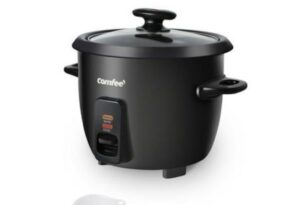
The cooking process inside a rice cooker is based on a straightforward principle. It starts with the rice and water combining, and then the cooker goes through several phases to cook the grains. It transforms raw rice and water into a fluffy, edible food. The process is automated, so it’s easy to use. The result is perfectly cooked rice, ready to eat.
The Initial Phase: Heating Up
When you start a rice cooker, the heating plate at the bottom starts to warm up. This initial phase involves the entire cooker heating up and preparing the ingredients for cooking. As heat increases, the water starts to boil and steam, which begins to cook the rice. This phase establishes the cooking environment.
- Activation: Once the cooker is turned on, electricity passes through the heating element, which starts to generate heat. This is the first step in the process, initiating the cook. The activation happens quickly, setting up the cooker for the next stages.
- Heat Transfer: Heat is transferred from the heating plate to the inner pot, and then to the water and rice mixture. The efficiency of this transfer determines how quickly the rice cooks. It ensures that the heat reaches the rice evenly.
- Boiling Point: The water inside the pot reaches its boiling point, which causes steam. The steam cooks the rice. The boiling point varies slightly based on altitude, but the impact on the cooker is negligible.
- Steaming: As the water boils, the rice absorbs the steam and water. This is where the grains soften and cook through. Steaming is a method for cooking, with water vapor as the cooking medium.
The Cooking Phase: Turning Rice into Perfection
During the cooking phase, the rice absorbs water and softens, becoming fluffy. The cooker maintains a consistent temperature to ensure the rice is cooked evenly without burning. Throughout this phase, the transformation of raw rice into a edible state takes place. The cooking phase is where the magic happens.
- Absorption: The rice absorbs the water as it cooks, expanding and softening. The type of rice determines how much water it absorbs. The right amount of water is essential for the ideal texture.
- Temperature Control: The thermostat maintains a specific temperature, usually just below the boiling point. This temperature control is critical to prevent the rice from burning or drying out. It ensures the grains cook consistently.
- Moisture Regulation: The lid traps the steam, which helps cook the rice. It maintains a humid environment, which allows the grains to soften. The steam helps the rice cook uniformly.
- Duration: The cooking phase lasts until the water has been completely absorbed and the rice is fully cooked. The cooking time varies depending on the type and the volume of the rice being cooked.
The Keep-Warm Function: Maintaining the Warmth
Once the water is absorbed, the cooker automatically switches to the “keep-warm” function. This keeps the rice warm until you’re ready to serve. The keep-warm function prevents the rice from drying out. This function is convenient and helpful for busy schedules. It keeps the rice ready to eat.
- Temperature Adjustment: The “keep-warm” function maintains a lower temperature, usually around 140–160°F (60–70°C). This temperature keeps the rice warm without continuing to cook it. It prevents the rice from drying out or burning.
- Energy Efficiency: The keep-warm setting uses very little electricity. It is designed to be energy-efficient so the rice can be kept warm for an extended time without significantly increasing energy consumption.
- Moisture Retention: The lid helps to keep the moisture in, so the rice doesn’t dry out. The rice stays soft and moist. The lid ensures a balance that keeps the rice in good condition.
- Automatic Operation: This function is automatic. The cooker switches from cooking to keep-warm once the cooking process is complete. It saves you from having to monitor the process and manually switch the setting.
Different Types of Rice Cookers: What Sets Them Apart
There are different rice cookers, each with unique features. These variations cater to different cooking styles and needs. These include basic models to more advanced types with extra settings and features. Each type offers a way to simplify the process of cooking rice.
Basic Rice Cookers: Simple and Affordable
Basic rice cookers are designed to cook rice without extra features. They are easy to use, featuring a simple on/off switch. These are ideal for those who want a reliable and simple appliance. Basic rice cookers are generally more affordable, making them a great choice for home cooks.
- Simplicity: They are very straightforward to operate. They typically have a single button for “cook” and a “keep-warm” function. This simplicity makes them perfect for beginners.
- Price: Basic rice cookers are generally inexpensive. They are a good option for those on a budget. This affordability makes them accessible to most people.
- Functionality: They focus on the core function of cooking rice. They are designed to cook rice well. Their primary focus is to cook rice without added complexity.
- Durability: These cookers can be durable and last for many years with proper care. They often have fewer components, which can translate into fewer things that can go wrong.
Advanced Rice Cookers: Smart Features and Precision
Advanced rice cookers come with a lot more features, such as multiple cooking programs and advanced technology. These cookers offer more control and customization. They generally cost more than basic models but offer more versatility. These features make it easier to cook many rice varieties.
- Multiple Cooking Modes: These cookers can cook different types of rice. These settings can be tailored to cook brown rice, sushi rice, or even other grains. Having these settings helps achieve the best possible results.
- Programmable Settings: You can set a timer. This feature allows you to prepare rice in advance. It offers convenience for busy lifestyles.
- Advanced Heating Technology: Some advanced models use induction heating. This type of heating provides even cooking and more precise temperature control. Induction heating can improve cooking performance.
- Additional Features: Other features include a warming function and a delay timer. Many models have voice notifications and touch-screen controls. These features can enhance the user experience.
Induction Heating Rice Cookers: Even Cooking
Induction heating is a more advanced heating method. It uses electromagnetic fields to heat the inner pot directly. This technology allows for very precise temperature control and uniform cooking. Induction heating offers faster cooking and better results. It is the top choice for those looking for the best rice cooking results.
- Heating Technology: Induction heating uses electromagnetic fields to heat the inner pot. This method produces heat quickly and efficiently. The direct heating leads to more consistent results.
- Precise Temperature Control: Induction heating provides precise control. This precision is essential for different types of rice. The temperature control is more accurate than with standard heating methods.
- Even Cooking: The entire pot heats up evenly. This reduces the possibility of overcooked or undercooked rice. This process makes the rice cook more evenly than other methods.
- Energy Efficiency: Induction cookers are energy-efficient. They heat the pot directly. This process reduces energy waste and makes it a cost-effective option.
Tips for Getting Perfect Rice Every Time
Achieving perfectly cooked rice regularly is about more than the cooker itself. You need to know the right water-to-rice ratios, prep methods, and care tips. These tips will help you cook great rice, every time. With a little practice, you’ll be cooking rice like a pro.
Selecting the Right Rice
Different types of rice require different cooking times and water levels. Understanding these variations is essential for getting the perfect texture. The type of rice is important. The rice type determines the ratio of water to use. Choosing the right rice ensures your results are as good as possible.
- White Rice: White rice cooks quickly and typically requires a 1:2 ratio of rice to water. It is a common choice for its mild flavor and versatility. White rice generally includes long-grain, medium-grain, and short-grain varieties.
- Brown Rice: Brown rice takes longer to cook than white rice, and it generally requires more water (around 1:2.5 ratio). Brown rice has a nuttier flavor and chewier texture. Brown rice retains more nutrients than white rice because the bran layer stays intact.
- Specialty Rice: For rice like basmati or jasmine, it is important to follow the package directions. These varieties have specific cooking requirements to retain their flavor and texture. Cooking these grains to specifications will deliver the best results.
- Experimentation: It’s helpful to experiment with different brands and types of rice to find your preferred cooking method. Different brands may have slightly different water requirements. Cooking your favorite rice to your personal preference is always key.
The Water-to-Rice Ratio
The amount of water you use directly affects the rice’s final texture. Using too much water results in mushy rice, and too little water can cause it to be dry and undercooked. Maintaining the right ratio is crucial. This will help you achieve the perfect texture, every time.
- Standard Ratio: A general guideline for white rice is 1 cup of rice to 2 cups of water. It is a great starting point, but the specific ratio may vary depending on the type of rice. Using this ratio provides good results when cooking rice.
- Brown Rice: Brown rice typically requires more water than white rice, often around 1 cup of rice to 2.5 cups of water. This additional water is required because of the bran layer. This layer takes longer to absorb the water.
- Rinse the Rice: Rinsing the rice before cooking can remove excess starch. It will help to prevent the rice from becoming sticky. It’s a helpful step.
- Follow Instructions: Always follow the instructions provided by the rice cooker manufacturer or the rice package. These instructions are the best to achieve the best results. Following them will help you cook great rice.
Cleaning and Maintenance
Regular cleaning and maintenance of your rice cooker will prolong its life and ensure it performs well. Proper care also prevents food residue build-up, which can influence the flavor. It helps maintain the quality of your meals. It keeps the appliance working at its best.
- Cleaning the Inner Pot: After each use, wash the inner pot with warm, soapy water. Use a non-abrasive sponge or cloth to prevent damaging the non-stick coating. Rinse it thoroughly and dry it completely before placing it back in the cooker. Cleaning the inner pot after each use is vital.
- Cleaning the Lid: Wipe down the lid and the steam vent. You can remove the vent and wash it separately. Check for any food particles. Ensuring it is cleaned properly prevents the rice from getting a strange flavor.
- Cleaning the Exterior: Wipe down the exterior of the cooker with a damp cloth. Make sure the exterior stays clean. Doing so maintains the look and condition of the appliance.
- Regular Check-ups: Periodically check the heating plate for any food residue or damage. Ensure the cooker is unplugged before cleaning. Taking care of your appliance ensures it functions well.
Real-World Examples: Rice Cooker in Action
Seeing real-life examples can help you understand how rice cookers are used in different scenarios. These examples will illustrate the practical benefits of the appliance. The examples show how rice cookers can streamline the cooking process.
-
- Busy Weeknight Dinners: A working parent needs a quick dinner. They put rice and water in the cooker before work. When they get home, fluffy rice is ready to eat. This scenario shows how the cooker saves time and simplifies meal preparation, particularly for those with busy schedules.
The parent places the rice and water into the cooker, sets the timer, and leaves for work. The cooker automatically begins cooking the rice at the desired time. When the parent returns home, they have freshly cooked rice ready to serve with their dinner. This cuts down on the effort involved and the total time needed to make dinner.
-
- Meal Prepping: Someone preps meals for the week. They cook a large batch of rice to use with various dishes. They portion the rice and store it in containers. This example highlights the cooker’s ability to help with meal preparation and consistency.
The individual measures out several cups of rice, adds the correct amount of water, and starts the rice cooker. Once cooked, they divide the rice into meal-sized portions and store them in the refrigerator. This method guarantees a ready supply of rice throughout the week, reducing cooking time during busy days. They can easily assemble quick and nutritious meals by pairing the rice with vegetables, protein, and other ingredients. This process saves them both time and effort.
Sourcing these real-life examples provides helpful information:
- Convenience: A rice cooker is an easy way to cook rice for anyone. The cooker simplifies the cooking process and is convenient.
- Flexibility: It is designed to cook many types of rice with different settings. This flexibility makes cooking easier.
- Consistency: The cooker produces perfectly cooked rice, every time. This consistency ensures you have great rice for your meals.
| Feature | Basic Rice Cooker | Advanced Rice Cooker | Induction Heating Rice Cooker |
|---|---|---|---|
| Cooking Modes | Single Cook Setting | Multiple Settings (White, Brown, etc.) | Multiple Settings and Customization |
| Temperature Control | Simple Thermostat | Precise Temperature Control | Highly Precise |
| Heating Technology | Heating Plate | Heating Plate and Smart Heating | Induction Heating |
| Ease of Use | Very Easy | Easy | Easy, with some advanced options |
| Price | Lower | Mid-Range | Higher |
Frequently Asked Questions
Question: Can I cook other grains in a rice cooker?
Answer: Yes, you can often cook other grains like quinoa, barley, and oats in a rice cooker, but it is important to adjust the water-to-grain ratio and cooking time according to the grain type.
Question: How do I prevent the rice from sticking to the bottom of the pot?
Answer: To prevent sticking, use the correct water-to-rice ratio, rinse the rice before cooking, and allow the rice to rest in the “keep-warm” setting for a few minutes after cooking is complete. Using a non-stick pot also helps a great deal.
Question: What’s the difference between a “cook” and “keep warm” setting?
Answer: The “cook” setting heats the water to a boiling point to cook the rice, while the “keep warm” setting maintains a low temperature to keep the rice warm without continuing to cook it, so it does not dry out.
Question: How often should I clean my rice cooker?
Answer: You should clean the inner pot and lid after each use. You can wipe the exterior as needed. Keeping the appliance clean will keep it working well and prevent food residue from accumulating.
Question: Can I use tap water in my rice cooker?
Answer: Tap water is generally fine. However, if your tap water has a strong odor or is not of good quality, you might consider using filtered water for better-tasting rice.
Final Thoughts
Hopefully, this guide has given you a helpful overview of how rice cooker works. You learned about the core components, the cooking process, and helpful tips. You’ve now got what you need to cook great rice consistently. Remember, the key to success is using the correct water-to-rice ratios, choosing the right rice type for your needs, and following the basic maintenance steps. Don’t be afraid to try different types of rice and settings until you find your perfect combination. So, go ahead and start cooking; you’re now equipped to create fluffy, delicious rice with ease.

I’m Emma J. Caldwell, the founder, lead writer, and home-cooking enthusiast behind KitchenGuideCo.com. With a background in culinary arts and over a decade of cooking experience in both professional and personal kitchens, I created this platform to demystify recipes, offer smart kitchen gadget reviews, and guide readers through meal prep with confidence and clarity.