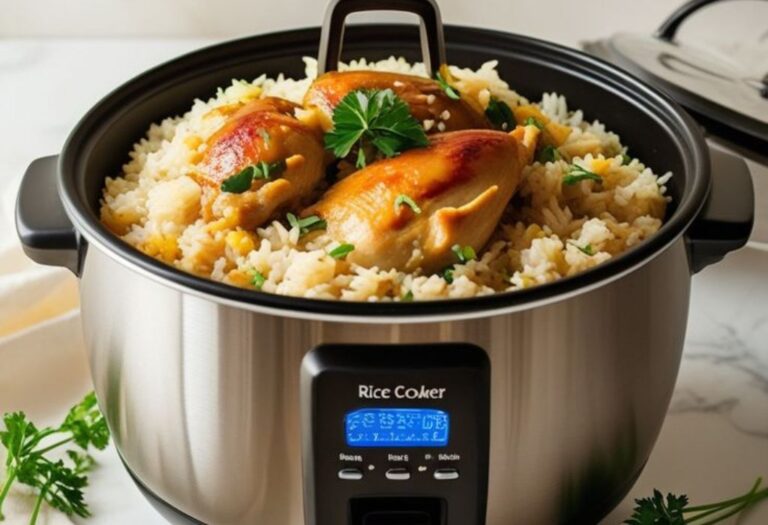
If you’ve ever found yourself staring at a rice cooker that’s overflowed, you’re definitely not alone. Figuring out why rice cooker boils over can be a common challenge, especially when you’re just starting to cook. Don’t worry, though; it’s usually an easy fix! This post will help you explore the most frequent reasons why this happens, and then offer you a simple, step-by-step method to stop it. Let’s find out how to get perfectly cooked rice every time.
Common Causes of Overflow in Your Rice Cooker
One of the first things you’ll want to explore is the common causes of why your rice cooker boils over. This helps determine how to best prevent it. There are several factors to consider. These range from the amount of water used to the type of rice and the way it is cooked. Recognizing these issues is the beginning of the journey toward flawlessly cooked rice. A simple adjustment can make a big difference.
Too Much Water
One of the most frequent reasons for an overflowing rice cooker is using too much water. Most rice cookers come with a measuring cup and a guide that explains the ratio of rice to water. It is important to remember that these measurements are usually based on the specific type of rice the cooker is made for. When too much water is used, the rice can absorb it and expand beyond the cooker’s capacity. This leads to the water boiling over the rim of the cooker, which makes a mess. Paying attention to these proportions will help.
- Proper Measurement: Always use the measuring cup that came with your rice cooker. This helps to ensure that you use the right amount of water.
- Following Guidelines: Check the rice cooker’s manual for specific instructions on water-to-rice ratios. Different types of rice may require different amounts of water.
- Observe the Rice: As the rice cooks, keep an eye on the water level. If it looks like there’s too much water, you might need to adjust the amount next time.
Incorrect Rice to Water Ratio
The correct ratio of rice to water is vital for perfect results. Rice types have different needs. White rice typically requires a higher water amount than brown rice. Using the wrong ratio can result in either undercooked or overcooked rice. This also contributes to the likelihood of the cooker overflowing. Getting this ratio right helps prevent messes and ensures the rice is cooked to the proper texture. Fine-tuning the ratio to suit the type of rice you use is essential.
- Consult the Package: The rice package will usually suggest the ideal water to rice ratio. This is a great starting point.
- Experiment with Ratios: Start with the package’s suggestion, then adjust the water amount slightly until you find what works best.
- Consider Altitude: At higher altitudes, water boils at a lower temperature, which can impact cooking times and water needs. Adjust accordingly.
Using the Wrong Type of Rice
The type of rice can impact how much water it absorbs. Short-grain rice, like sushi rice, tends to absorb more water than long-grain rice like basmati. Similarly, brown rice needs more water than white rice. If you use a ratio made for one type of rice with another, the water may overflow. This occurs because the rice may swell too much during cooking. Selecting the suitable ratios for different types of rice is a key factor.
- Know Your Rice: Identify the type of rice you’re using.
- Look at the Rice: Observe the rice during the cooking process.
- Check the Label: Review the rice package for water ratio instructions.
Understanding Rice Cooker Mechanics
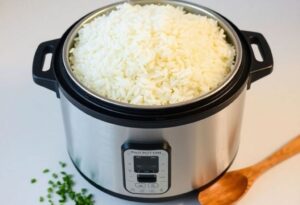
To grasp why your rice cooker boils over, it helps to know how these appliances operate. Rice cookers use a heating element to heat the water and cook the rice. This knowledge helps you troubleshoot issues. The design of the rice cooker, including its lid and vents, plays a role in managing steam and preventing overflow. Knowing these elements lets you better control the cooking process and avoid problems.
How Rice Cookers Heat
At the base of a rice cooker is a heating element. This element generates heat that is transferred to the inner pot holding the rice and water. The heat causes the water to boil, creating steam that cooks the rice. Modern rice cookers have temperature sensors and thermostats to help monitor and adjust the cooking process. Knowing how the heat is generated and controlled helps in addressing any issues, such as the rice cooker boiling over. The heat transfer process is very important for the final result.
- Heating Element Location: The heating element is usually at the bottom of the cooker.
- Heat Transfer: Heat moves from the heating element to the inner pot, heating the water and rice.
- Temperature Control: Many rice cookers have built-in thermostats to help control the temperature and prevent overheating.
The Role of Steam and Pressure
As the water boils, steam is produced. The steam plays a vital role in cooking the rice evenly. The lid of the rice cooker traps the steam. This creates a certain level of pressure inside the cooker. The pressure and steam help cook the rice. It is also important to release some steam through a vent, which is crucial to preventing the rice cooker boiling over. Knowing how steam and pressure work helps you handle the cooking process with more care.
- Steam’s Role: Steam cooks the rice from all sides, ensuring it cooks evenly.
- Pressure Build-up: The lid traps the steam, creating pressure.
- Steam Vent: The steam vent helps to release excess pressure and prevent overflow.
Rice Cooker Design and Overflow Prevention
Rice cookers are designed to manage the steam produced during cooking. The lid usually has a design that directs condensation back into the pot. Most rice cookers have a vent that allows excess steam to escape. These features help prevent the rice cooker boiling over by reducing the build-up of pressure inside. Understanding how the design helps prevent messes allows you to use your rice cooker more effectively. The materials also help control the heat.
- Lid Design: The lid helps to trap steam and direct condensation back into the pot.
- Steam Vent: The steam vent allows excess steam to escape.
- Inner Pot Quality: A well-made inner pot helps to distribute heat evenly.
Preventive Measures to Stop Rice Cooker Boil Over
Several actions can be taken to prevent your rice cooker from overflowing. These include careful measuring of the ingredients, using the correct settings, and regular maintenance of the appliance. These practices can significantly reduce the chances of a mess and improve your cooking experience. Implementing these strategies is critical to perfect rice.
Accurate Measuring of Rice and Water
The first step in preventing overflow is to measure rice and water properly. Always use the measuring cup that came with your rice cooker. This helps to ensure you use the correct amount of water for the amount of rice you are cooking. This is a very essential step. Following the instructions and being precise is vital to prevent any overflow. Taking a careful approach from the start is important.
- Use the Measuring Cup: Always use the cup that came with your cooker.
- Follow Instructions: Refer to the rice cooker’s manual for the right ratio.
- Level Off the Rice: Make sure the rice is level in the measuring cup.
Proper Settings for Different Rice Types
Most rice cookers come with different settings for various types of rice. It is essential to use the correct setting for your rice. Using the wrong setting can lead to undercooked or overcooked rice, which can also contribute to an overflow. These settings are pre-programmed to adjust the cooking time and temperature for the rice. Taking a few seconds to select the correct setting will make a big difference.
- White Rice Setting: This setting is suitable for most types of white rice.
- Brown Rice Setting: Brown rice needs a longer cooking time and more water.
- Other Settings: Some cookers have settings for sushi rice, porridge, or even quick-cooking options.
Cleaning and Maintenance Tips
Keeping your rice cooker clean is also essential. A dirty cooker can cook unevenly and even cause overflow. After each use, clean the inner pot, lid, and steam vent. Remove any rice or debris that has accumulated. The vents that release steam should be cleaned regularly to prevent blockage. Regular maintenance helps your cooker operate safely and effectively. It also extends the life of the rice cooker.
- Clean the Inner Pot: Wash after each use.
- Clean the Lid: Wipe down the lid to remove any condensation.
- Clean the Steam Vent: Make sure the vent is free from blockage.
Troubleshooting Common Problems
Sometimes, despite all your efforts, your rice cooker might still overflow. Here are some of the most common issues and how to troubleshoot them. These include adjusting the amount of rice, checking the steam vent, and considering the age of the rice cooker. Having a plan to handle these problems can save time. It can also help you avoid frustrations with your rice cooker.
Adjusting the Amount of Rice
If you find that your rice cooker often overflows when cooking a large amount of rice, try reducing the quantity. Overloading the cooker can cause the water to bubble over. You can try adjusting the water to rice ratio. See if this will help the rice cook properly. Reducing the amount and ensuring the settings are correct may fix the issue. This strategy should help reduce the chance of overflowing.
- Don’t Overfill: Make sure the rice does not go over the fill line.
- Adjust Ratio: Change the water to rice ratio.
- Cook in Batches: Cook rice in smaller amounts if needed.
Checking the Steam Vent
The steam vent plays an important role in releasing pressure from the cooker. If it is blocked, it can cause the water to boil over. Regularly check the steam vent to make sure that it is clean and free from any rice or debris. If the vent is blocked, clean it thoroughly. Inspecting the vent is an easy step, but it is very important. Always ensure that the vent is unobstructed.
- Check Regularly: Inspect the vent after each use.
- Clean the Vent: Use a soft brush or cloth to remove any blockage.
- Ensure Proper Function: Make sure steam is escaping during cooking.
Considering the Age of Your Rice Cooker
The age of your rice cooker can also impact its performance. If your cooker is old, its heating element might not be as efficient as it once was. Over time, the internal components might degrade. That is why it may not cook rice correctly. In older cookers, there may be some problems that cause the water to overflow. If your cooker is past its prime, it might be time for a new one. Evaluating the age and condition of your rice cooker is crucial.
- Check the Manual: Review the manufacturer’s recommendations.
- Assess Performance: Note how well your cooker is working.
- Consider Replacement: If the cooker is very old, think about replacing it.
Rice Cooker Boils Over: Common Misconceptions
There are some false ideas about why a rice cooker boils over. Separating facts from myths helps you understand the problem. Common beliefs, like the type of water used or the brand of the rice cooker, do not always affect the overflow. Examining these myths will lead to a better understanding of the real causes. Knowing these can help to make better decisions.
The Myth About Water Quality
Many believe that the water quality affects whether the rice cooker boils over. While using good water is vital for taste, the type of water does not directly cause overflow. The amount of water used, the rice to water ratio, and other factors cause overflow. It is crucial to use the right amount of water. Focus on these factors instead of assuming the water type causes the problem. This misconception is a good example of bad information.
- Water Taste: Water quality does affect the taste.
- Overflow Causes: The water quality does not cause overflow.
- Focus on Ratio: The correct ratio matters more.
Misconceptions About Rice Cooker Brands
There is also a myth that the brand of the rice cooker causes overflow. All rice cookers, regardless of their brand, operate using similar principles. The brand does not directly influence the likelihood of a cooker boiling over. The specific features and design of a rice cooker may differ. The core functions are the same. It is not about the brand, but about using the appliance correctly.
- Brand Doesn’t Matter: Brands don’t directly cause overflow.
- Check Features: Look at the settings for different rice types.
- Use Properly: Learn how to correctly use any rice cooker.
Practical Tips for Cooking Perfect Rice
By using these practical tips, you can always cook perfect rice. These tips include rinsing the rice before cooking, adding salt for flavor, and letting the rice rest after cooking. These steps are simple but will make a big difference in the taste and texture of your rice. Following these strategies ensures that your rice is cooked well.
Rinsing the Rice Before Cooking
Rinsing the rice is a helpful step before cooking. Rinsing removes excess starch and helps prevent the rice from becoming sticky. Use a fine-mesh sieve and rinse the rice under cold water until the water runs clear. This step ensures the rice grains cook separately, resulting in fluffy, non-sticky rice. Washing removes extra starch. This simple step can dramatically improve the final texture and appearance of the rice.
- Rinse Under Cold Water: Run cold water over the rice.
- Stir Gently: Use your hand to stir.
- Repeat Until Clear: Keep rinsing until the water runs clear.
Adding Salt for Flavor
Adding a pinch of salt will enhance the flavor of your rice. The salt helps to bring out the natural flavors of the rice. Add about half a teaspoon of salt per cup of uncooked rice to the water. Do not be afraid to adjust this amount. The correct level of salt depends on your taste preferences. This is a very easy and fast step, but it makes a big difference.
- Add Salt: Put salt in the water.
- Adjust to Taste: Change the amount based on your taste.
- Enhance Flavors: Salt will bring out the natural flavors.
Letting the Rice Rest After Cooking
After your rice cooker is finished, let the rice rest for about 10 minutes before opening the lid. This allows the steam to redistribute throughout the rice, resulting in a fluffier texture. During this resting period, the rice grains will absorb any remaining moisture. This also gives the rice a more uniform texture. This simple step can help you to achieve perfect rice every time.
- Let It Rest: Keep the lid on for 10 minutes after cooking.
- Redistribute Steam: This helps the rice to become fluffier.
- Improve Texture: The rice will have a better texture.
| Problem | Solution |
|---|---|
| Too much water | Use the right ratio of rice to water. |
| Wrong setting | Use the correct setting for the type of rice. |
| Clogged steam vent | Clean and clear the steam vent after each use. |
| Poor Maintenance | Clean the inner pot, lid, and vent after each use. |
Frequently Asked Questions
Question: Why does my rice cooker boil over even when I use the correct amount of water?
Answer: There might be a problem with the type of rice or the setting used. Also, check to make sure the steam vent is not blocked. Clean the steam vent, and make sure to select the correct setting for your type of rice.
Question: Is it okay to open the lid while the rice is cooking?
Answer: It is best not to open the lid while the rice is cooking, because it releases steam and can disrupt the cooking process. Opening the lid may also result in undercooked rice or more chance for it to boil over.
Question: Can I use tap water in my rice cooker?
Answer: Yes, you can use tap water in your rice cooker. Using filtered water will help improve the taste of the rice. However, the type of water will not cause the rice to boil over.
Question: How often should I clean my rice cooker?
Answer: You should clean the inner pot and lid after each use. Clean the steam vent regularly, too. Remove any rice or debris that has accumulated. This helps to make sure your rice cooker operates well and will last.
Question: What should I do if my rice is undercooked?
Answer: If your rice is undercooked, you can add a small amount of water to the pot and cook it for a few more minutes. Make sure to choose the correct setting for the type of rice you use.
Final Thoughts
Avoiding a rice cooker boil over comes down to knowing the fundamentals. It’s usually caused by too much water, the wrong ratio, or the type of rice you’re cooking. By carefully measuring your rice and water, selecting the correct settings, and keeping your rice cooker clean, you can prevent these messy overflows. Remember to rinse your rice, add salt for flavor, and let it rest after cooking for a perfect texture. By understanding the causes and applying these strategies, you can confidently cook delicious, fluffy rice every time. Go ahead, and enjoy perfectly cooked rice from your rice cooker!

I’m Emma J. Caldwell, the founder, lead writer, and home-cooking enthusiast behind KitchenGuideCo.com. With a background in culinary arts and over a decade of cooking experience in both professional and personal kitchens, I created this platform to demystify recipes, offer smart kitchen gadget reviews, and guide readers through meal prep with confidence and clarity.