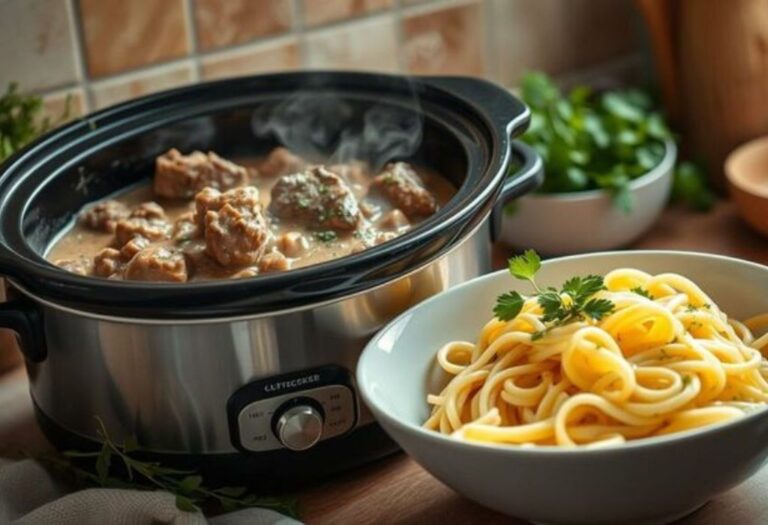
Cooking rice seems simple, right? Toss some rice and water in a pot, and wait. But if you’ve ever had crunchy, undercooked rice, you know it’s not always so easy. Getting the perfect fluffy rice can be tricky, and the question of why rice cooker undercooks rice is something many beginners face. Don’t worry, though! This post will walk you through the common problems and give you simple, step-by-step solutions to achieve perfect rice every time. Let’s explore what goes wrong and how to fix it, so your next rice dish is a success.
Common Reasons Why Rice Cooker Undercooks Rice
The quest for perfectly cooked rice can sometimes lead to frustration, especially when your rice cooker repeatedly delivers undercooked grains. Many factors can contribute to this culinary mishap. It is helpful to consider both the type of rice and the rice cooker. From incorrect water ratios to issues with the appliance itself, several elements can impact the final result. Exploring the common reasons will allow you to diagnose the issue and make the necessary adjustments to get the rice just right. Let’s look at the frequent culprits behind the problem, and how they affect the cooking process.
Incorrect Water-to-Rice Ratio
One of the most frequent causes of undercooked rice involves the ratio of water to rice used in the cooking process. Getting this balance right is essential for proper cooking. Too little water can lead to undercooked grains. The recommended water-to-rice ratio varies depending on the type of rice being cooked. Using the wrong ratio can be a common mistake. You may find that a 1:2 ratio of rice to water works with the type of rice you have. However, always consult the rice packaging for the most accurate guidance, as different types of rice may require different amounts of water.
- Using too little water: This is the most common reason for undercooked rice. If there isn’t enough water to absorb into the rice grains, they won’t cook all the way through, resulting in a crunchy or hard texture.This is often the first thing that people who are new to cooking rice get wrong. People assume the same water ratio is good for all types of rice.
- Using too much water: While less likely to result in undercooked rice, too much water can still affect the final outcome. The rice may become mushy or overly sticky if there’s an excess of water.This may not immediately seem like undercooked rice, but the rice will be cooked in an undesirable fashion. You can use less water next time if you get this result.
- The type of rice matters: Different rice varieties, like long-grain, short-grain, or brown rice, have varying water absorption needs. Following the specific instructions for the rice you are using is essential.If you switch rice types, make sure you double check how much water to use. You might even want to make a note of this on your rice container, so that you don’t forget it.
Problems With the Rice Cooker
Sometimes the issue doesn’t lie with your technique, but rather with the appliance itself. Over time, rice cookers can develop problems that affect their performance. These issues can range from mechanical malfunctions to simple maintenance oversights. These problems can lead to inconsistent cooking and, in many cases, undercooked rice. Keep in mind that a well-maintained rice cooker is key to producing perfectly cooked rice, so it’s a good idea to examine the machine for potential issues.
- Faulty heating element: If the heating element isn’t working correctly, it may not be generating enough heat to cook the rice thoroughly. This will leave the rice undercooked.You can check your rice cooker’s heating element by seeing how quickly the rice cooks. If it takes longer than normal, the heating element may be to blame.
- Ineffective temperature control: Rice cookers are designed to regulate the internal temperature to cook rice properly. If the temperature control is malfunctioning, it may not be maintaining the correct temperature, leading to inconsistent cooking.A rice cooker that does not have good temperature control may not cook rice evenly. You might notice some parts of the rice are cooked more than others.
- Improper cleaning: Rice can easily get stuck to the bottom of the inner pot and can affect the heating and temperature control, preventing the rice from cooking correctly. Cleaning the cooker after each use will help keep your machine in top shape.Make sure to clean your rice cooker after each use, especially the inner pot. You should also clean the heating plate and the lid. If you don’t, your rice cooker may not function as it should.
Quality and Type of Rice
The type and quality of the rice you use can also have a big effect on how well it cooks. Not all rice is created equal, and some varieties require more careful handling and specific cooking methods than others. Using stale or low-quality rice can lead to various cooking problems, including undercooking. Understanding these differences and how they affect the cooking process is important to achieving the perfect results every time. Knowing your rice will give you the best outcomes.
- Old rice: Rice that has been sitting in your pantry for too long can lose moisture and become less absorbent. This means it may require more water or a longer cooking time to cook thoroughly.When rice sits too long, it loses moisture and starts to dry out. This can cause the rice to cook unevenly or to take longer to cook.
- Type of rice: Different rice varieties, such as long-grain, short-grain, and brown rice, have different cooking requirements. For instance, brown rice requires more water and a longer cooking time than white rice due to the presence of the bran layer.You may get some weird results if you cook brown rice like you would cook white rice. Make sure to consult the package for the correct cooking instructions.
- Rice storage: The way you store your rice can influence its quality. Keeping rice in an airtight container in a cool, dark place is best.If you don’t store your rice properly, it can dry out and not cook properly. You may also get bugs in your rice if it isn’t sealed properly.
Troubleshooting Steps When Rice Cooker Undercooks Rice
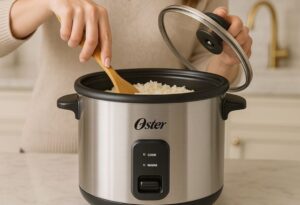
When you encounter the frustrating issue of undercooked rice, a systematic approach to troubleshooting can help pinpoint the problem and guide you towards a solution. You can begin with a few simple checks and adjustments before moving to more advanced solutions. This section breaks down a series of troubleshooting steps to identify the causes of undercooked rice and fix them. Each step is designed to help you methodically address the problem, increasing the chances of success in your rice-cooking endeavors.
Check the Basics
Before you get into more complicated troubleshooting steps, it’s helpful to start with the simple things. This can help you figure out the problem quickly. Begin by re-examining the fundamental aspects of your cooking process. These simple checks can often resolve issues and save you the time and effort of more complex troubleshooting. The goal is to eliminate potential problems before looking at the bigger things.
- Water level: The water-to-rice ratio is key. Double-check that you’re using the correct amount of water for the type of rice you’re cooking. Use a measuring cup and pay close attention to the markings on your rice cooker’s inner pot.If you haven’t been using the proper amount of water, you might have finally found the problem! Keep track of the water level from now on, and you should be good to go.
- Rice quantity: Make sure you are not exceeding your rice cooker’s capacity. Overfilling the cooker can prevent the rice from cooking evenly.Your rice cooker likely has a maximum capacity for rice, and you should always stick to that. If you put too much rice in the cooker, it won’t cook right.
- Rice type: Ensure you are using the correct cooking instructions for the type of rice you are cooking. Different varieties have different requirements for water and cooking time.Make sure you look at the instructions on the rice packaging to make sure you’re using the right settings. You should also check the cooker’s manual.
Inspect the Rice Cooker
Sometimes the rice cooker itself is the problem. A simple visual inspection can often reveal issues that are causing your rice to undercook. This can also help you identify problems that may require cleaning or a repair. A good inspection ensures that your appliance is functioning correctly. Make sure to pay attention to both the interior and exterior of your rice cooker. These are quick checks that can make a big difference.
- Heating element: Clean the heating element at the bottom of the pot. Sometimes, food particles or residue can prevent the rice from cooking evenly.Make sure the heating element is free of food debris. If there is anything on the heating element, it may cause the rice to cook unevenly.
- Inner pot: Check the inner pot for any damage or warping. A damaged pot may not distribute heat evenly, leading to undercooked rice.If the inner pot is damaged in any way, you may want to replace it. A damaged pot could be the reason why the rice isn’t cooking right.
- Lid seal: Ensure the lid seal is in good condition. A loose seal can allow steam to escape, which can affect the cooking process.A good seal is important to keeping the steam inside. If steam leaks, the rice may not cook correctly. Make sure that the lid seals properly when you close it.
Adjust Cooking Methods
If the basic checks and inspections don’t solve the problem, you may need to adjust your cooking method. Making a few simple tweaks to how you cook can improve the outcome. Try different cooking times, add more water, or let the rice rest longer after cooking. If your rice cooker has different settings, you should explore those as well. Here’s a set of methods that can help you deal with the problem of undercooked rice.
- Add more water: If the rice is still undercooked after the initial cooking cycle, add a bit more water (about 1/4 cup) and let it cook for another cycle. This extra water can help the grains finish cooking.Sometimes you need to add a bit more water for things to be perfect. Give it a shot, and see if it helps. Just make sure not to add too much water!
- Extend cooking time: For rice cookers with a “keep warm” function, let the rice sit for an extra 10-15 minutes after it finishes cooking to allow the steam to finish the cooking process.The “keep warm” function can be useful here. Letting the rice sit for a while after the cycle is over will allow it to steam and finish cooking.
- Try a different setting: Some rice cookers have different settings for different types of rice. Make sure you’re using the correct setting for your rice type.Rice cookers come with different settings for different kinds of rice. You may want to try the setting for brown rice or white rice, depending on the type of rice you’re using.
Why Rice Cooker Undercooks Rice: Common Mistakes
Even experienced cooks can make mistakes when cooking rice. These common errors can easily lead to undercooked rice. Understanding these pitfalls can help you avoid them. You can use this section to identify the mistakes and ensure that you achieve perfect rice every time. Avoiding these errors is a key part of your journey toward flawless rice cooking.
Rushing the Process
One of the most common mistakes is rushing the process. Rice needs time to absorb water and cook properly. Trying to speed up the process can often lead to undercooked rice. Patience is essential. It’s best to allow the rice to cook at its own pace. Resist the temptation to open the lid during cooking, as this can release steam and interfere with the cooking process. Here are a few things to keep in mind.
- Lifting the lid: Resist the urge to lift the lid during the cooking cycle. Lifting the lid lets steam escape, which can lower the temperature and interfere with the cooking process, leading to undercooked rice.Steam is your friend. Don’t let it escape by opening the lid during cooking!
- Adjusting the cooking time: Don’t try to speed up the cooking process. Following the recommended cooking time is key. Rushing the cooking process can result in undercooked rice.If you rush the process, you may wind up with undercooked rice. Don’t rush it! Let it do its thing.
- Ignoring the “keep warm” function: After the cooking cycle, allowing the rice to sit on the “keep warm” setting for a few minutes can help finish the cooking process. Don’t skip this step.The keep-warm function can be very useful. Leaving the rice in the cooker for a while after it’s done can allow it to finish cooking.
Not Rinsing the Rice
Many people overlook the importance of rinsing rice before cooking, but this simple step can make a big difference in the final result. Rinsing helps remove excess starch from the rice. This extra starch can cause the rice to become sticky and, in some cases, can affect the cooking process, potentially leading to uneven cooking. This is a simple step, and it is beneficial to the process.
- Removing excess starch: Rinsing rice removes excess surface starch. This is important for preventing the rice from becoming too sticky. It also allows for more even cooking.Rinsing is key to removing excess starch. It can keep the rice from sticking together, and you’ll get a better result.
- Improving texture: By removing starch, you can achieve a fluffier texture and prevent the rice from clumping together. This is especially true for long-grain rice varieties.If you don’t rinse your rice, you may wind up with clumps of rice. Avoid that by rinsing the rice before you cook it.
- Following rinsing instructions: Most types of rice benefit from rinsing. Put the rice in a bowl and run cold water over it, stirring with your hand until the water runs clear.Rinsing is easy! Put the rice in a bowl and add cold water. Stir the rice with your hand, until the water runs clear. Then, you’re ready to cook.
Using Old Rice
Using old or improperly stored rice can also lead to problems when you cook it. Over time, rice can dry out and lose moisture, which impacts its ability to absorb water. The cooking process is affected, often resulting in undercooked rice. Rice that has been improperly stored can be a breeding ground for other problems, which can be an issue. Proper storage is a good idea when you want the best possible results.
- Checking expiration dates: Always check the expiration date on your rice package. Using old rice can lead to undercooked results because it may have lost moisture.It’s always a good idea to check the expiration date on the rice packaging. If the rice is old, you might not get the best result when you cook it.
- Proper storage: Store rice in an airtight container in a cool, dry place. This helps preserve its moisture and quality. This helps keep it fresh and maintains its cooking properties.Make sure you store your rice in a cool, dry place. Keep it in a sealed container, so it can stay fresh for longer.
- Recognizing signs of stale rice: Stale rice may appear dry and may have a different aroma. If you notice these signs, it’s best to discard the rice and use a fresh batch.If your rice looks or smells strange, you should probably throw it out. It’s better to be safe than sorry!
Rice Cooker Undercooks Rice: Expert Tips
Perfecting the art of cooking rice can be a rewarding experience. Here are some of the tried-and-true secrets that can help you improve the process and achieve consistent, fluffy results. These tips are based on knowledge from experienced cooks, and will make you a rice-cooking master in no time. You can put these tips to use right away. Incorporate these into your cooking routine to elevate your rice-cooking game.
Pre-soaking Rice
Pre-soaking rice before cooking is a simple yet effective technique that can significantly improve the outcome. Soaking the rice allows the grains to absorb water, which can reduce cooking time and lead to a more even and fluffy texture. It’s a simple step that yields great results. It also helps to ensure the rice is cooked uniformly, avoiding the undercooked problem.
- Why pre-soak?: Soaking rice allows the grains to absorb water, which reduces cooking time and promotes a more even texture. It helps avoid undercooked rice.The pre-soaking method can give you a better result. The rice will have a good, fluffy texture.
- Soaking times: For white rice, soak for 30 minutes before cooking. Brown rice may benefit from soaking for several hours or overnight.If you’re using white rice, you may only need to soak it for half an hour. Brown rice will need to soak for a longer period of time.
- Using the right water: Use cold water for pre-soaking. This helps prevent the rice from becoming mushy.Use cold water when pre-soaking. The cold water will make the rice more firm.
Using the Right Water
The type of water you use when cooking rice can significantly impact the outcome. Water that is too hard or contains a lot of minerals can affect the cooking process. Using the right type of water will let the rice cook evenly. The best choice is clean, filtered water. This is an easy way to improve the quality of your rice and ensure it cooks perfectly.
- Filtered water: Using filtered water can improve the taste and texture of your rice. It ensures that no impurities or minerals interfere with the cooking process.Filtered water is best. It will give you the best results in terms of taste and texture.
- Avoid hard water: Hard water can affect the texture of the rice. Using filtered or bottled water can help avoid this issue.Hard water can impact the texture of the rice. The best solution is to use filtered or bottled water.
- Water temperature: Use cold or room-temperature water. Hot water can cause the rice to cook unevenly.You shouldn’t use hot water. Cold or room temperature is better.
Checking for Doneness
Knowing when your rice is perfectly cooked involves more than just relying on the rice cooker’s automatic shut-off feature. It’s essential to develop the ability to recognize the signs of doneness. Checking the rice during the cooking process allows you to make any necessary adjustments to ensure the final result is perfect. These are the signs to watch for as you cook your rice. These techniques will help you achieve perfectly cooked rice.
- Visual cues: The rice should be tender, and all the water should be absorbed. The grains should appear plump and slightly translucent.When the rice is done, the water should be gone, and the grains should look plump and clear.
- Taste test: Take a small bite of the rice to check for the texture. It should be tender but not mushy.Take a small bite to test the rice. It should be soft, but not mushy.
- Resting time: Even after the cooking cycle ends, let the rice rest for a few minutes with the lid on. This allows the steam to finish the cooking process.Letting the rice rest can make a big difference. It allows the rice to steam for a few minutes, which improves the texture.
Frequently Asked Questions
Question: Why is my rice cooker consistently undercooking my rice?
Answer: Common causes include incorrect water-to-rice ratios, problems with the heating element, or using old rice. Try adjusting the water level, cleaning the heating element, or using fresh rice to solve the issue.
Question: How much water should I use in my rice cooker?
Answer: The water-to-rice ratio varies. A good starting point is usually 1:2 (rice to water), but always check the rice package instructions, as different types of rice may need different ratios. The inner pot often has markings.
Question: Can I open the lid of the rice cooker during cooking?
Answer: It’s best to avoid opening the lid during cooking, as this can release steam and lower the temperature, leading to undercooked rice. Lift the lid only if necessary to check the water level or when the cooking cycle is complete.
Question: How long should I let the rice rest after cooking?
Answer: After the cooking cycle finishes, let the rice sit with the lid closed for about 10-15 minutes. This allows the steam to finish cooking the rice, resulting in a fluffier texture.
Question: What’s the best way to clean my rice cooker?
Answer: After each use, remove the inner pot and clean it with warm, soapy water. Wipe the heating plate with a damp cloth to remove any food particles. Make sure the exterior and lid are also cleaned to keep the cooker in top shape.
Final Thoughts
You’ve explored the common reasons why a rice cooker might leave you with undercooked rice. You’ve also explored the practical steps to troubleshoot and achieve perfect results every time. Remember, the journey to perfectly cooked rice begins with understanding the basics. Whether it’s adjusting the water-to-rice ratio, checking the condition of your appliance, or choosing the right type of rice, you now have the tools to troubleshoot and fix these issues. By following the tips and techniques discussed, you can confidently prepare fluffy, well-cooked rice for any meal. The right rice is within your reach! Keep practicing, and you’ll become a rice-cooking expert.

I’m Emma J. Caldwell, the founder, lead writer, and home-cooking enthusiast behind KitchenGuideCo.com. With a background in culinary arts and over a decade of cooking experience in both professional and personal kitchens, I created this platform to demystify recipes, offer smart kitchen gadget reviews, and guide readers through meal prep with confidence and clarity.