Cooking rice seems easy, but sometimes things go wrong. A common issue beginners face is why rice cooker switches to warm too early, leaving you with undercooked or hard rice. Don’t worry, it’s a problem many people have, and it’s usually fixable. This post breaks down the reasons behind this and offers a simple, step-by-step approach to get perfect rice every time. Let’s see what might be causing your rice cooker to act up!
Reasons For Rice Cooking Issues
The core problem of a rice cooker switching to warm mode too soon often boils down to factors related to the amount of water, type of rice used, and sometimes, the condition of the cooker itself. The goal of a rice cooker is to simmer the rice until all the water is absorbed, but several variables can disrupt this process. These variables can cause the cooker to prematurely sense the cooking process is complete. This section will look at the primary suspects behind the premature switch to warm mode, helping you identify and solve the problem.
Too Much Water
One of the most common reasons a rice cooker prematurely switches to warm is using too much water. Most rice cookers use a specific water-to-rice ratio, usually indicated by lines on the cooker’s inner pot or a measuring cup. Adding extra water can lead to the cooker believing the rice is done before it has fully absorbed the water. The excessive liquid can cause the cooker’s temperature sensor to register the boiling point has been reached too early. This is because the water remains at a constant temperature, tricking the machine into thinking the rice has cooked.
- Incorrect Measurement. Failing to use the correct water to rice ratio can throw off the cooking cycle. Following the cooker’s guidelines is key.
- Type of Rice Matters. Different types of rice (e.g., long-grain, short-grain, brown) need different water amounts. Adjust accordingly.
- Overfilling. Going past the maximum fill line on the pot can cause water overflow and affect cooking.
- Water Quality. Using water that contains a lot of minerals can affect the cooking process.
A simple fix is to reduce the amount of water in your next batch. Start by using the recommended ratio and adjusting based on the rice’s texture. If your rice is still undercooked, you can add a tiny bit more water, a teaspoon at a time, to the existing batch during the cooking cycle to allow it to finish cooking.
Incorrect Rice Type
Different kinds of rice need different amounts of water and cooking times. Using the wrong water-to-rice ratio for your chosen type of rice can definitely cause problems. For instance, brown rice requires more water and a longer cooking time compared to white rice. This is because brown rice has a bran layer that needs more moisture to soften. If you use the white rice setting and the water ratio for white rice on brown rice, the brown rice may not cook through before the cooker switches to warm. This is a common mistake that can leave the rice crunchy or partially cooked. Understanding these differences is the first step in successful rice cooking.
- White Rice vs. Brown Rice. White rice generally needs less water and cooks faster than brown rice.
- Long-Grain vs. Short-Grain. The water requirement can vary between these, so consult the rice package.
- Sticky Rice. Requires specific cooking methods due to its high starch content.
- Pre-Washed Rice. Some rice is pre-washed and may need a slight water adjustment.
Always check the rice package for water ratio instructions. If your rice cooker has specific settings for different rice types, use them. If not, research the water-to-rice ratio for the specific type of rice you’re using. Experimenting with small batches can help you find the perfect cooking time and water amount for your rice cooker and preferred rice type.
Common Rice Cooker Issues
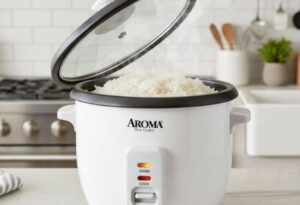
Beyond water and rice types, other elements can cause your rice cooker to prematurely switch to warm. These include issues with the heating element, the temperature sensor, and even the internal construction of the cooker itself. Recognizing these issues is crucial for maintenance and troubleshooting. This section explores these factors in detail, offering practical advice on how to spot and fix these potential problems.
Heating Element Issues
The heating element is a critical component that heats the water and rice in the cooker. Over time, the heating element can become less effective or even malfunction, directly impacting the cooking process. If the heating element is not distributing heat evenly or efficiently, the rice might cook unevenly. In some cases, the element may not generate enough heat to fully cook the rice before the cooker senses the water has been absorbed, leading it to switch to warm too early. This leads to undercooked rice and frustration.
- Damage. A damaged heating element may not reach the required temperature.
- Age. The element’s performance can degrade with age and regular use.
- Uneven Heating. This can cause part of the rice to cook faster than the rest.
- Cleaning. Built-up food residue can cause the element to overheat or not function well.
Examine the heating element for any visible damage. If your cooker has signs of it, like burn marks, it’s best to
Faulty Temperature Sensor
The temperature sensor is designed to detect when the rice has absorbed the water and reached its cooking temperature. If this sensor malfunctions, it might misread the temperature, causing the cooker to switch to warm too early. Issues with the temperature sensor can include being stuck or incorrectly calibrated, which can trick the rice cooker into thinking the cooking process is complete. This is usually due to age, build-up, or even damage to the sensor. The result is consistently undercooked rice and the frustrating hunt for a solution.
- Calibration Errors. The sensor may not be calibrated correctly.
- Build-up. Rice or food residue can interfere with its function.
- Damage. A damaged sensor may give incorrect readings.
- Electronic Failure. Internal electrical issues can cause the sensor to fail.
The temperature sensor is a sensitive component. Ensure it is clean of rice and food particles. If you suspect an issue, you may need to consult the cooker’s manual for cleaning instructions or seek professional repair. A faulty sensor often requires a replacement of the entire unit or a specialist’s repair. A well-maintained sensor will give accurate temperature readings, leading to perfectly cooked rice every time.
Steps to Prevent Early Warming
Now that we have covered the key reasons for premature switching, let’s explore practical steps to prevent it. Following these steps helps you maintain your cooker and improve your rice-cooking skills. From adjusting your methods to performing regular maintenance, these actions will help you achieve perfectly cooked rice and avoid the frustration of undercooked grains. Remember, the goal is consistent, delicious results.
Adjusting Your Cooking Methods
One of the most effective ways to prevent early warming is to refine your cooking approach. This involves paying close attention to the details of your cooking process, from measuring ingredients accurately to adapting to your cooker’s unique characteristics. It all comes down to controlling the variables that affect the cooking cycle. By carefully managing these variables, you can ensure that your rice cooks to perfection, without any premature switching. It’s a blend of science and art, where practice leads to mastery.
- Precise Measurement. Always measure rice and water accurately, using the provided measuring cup or the cooker’s guidelines.
- Soaking. Soaking rice for 30 minutes before cooking can reduce cooking time and water requirements.
- Adjust Water. If rice is too dry, add a few tablespoons of water during cooking.
- Experiment. Learn what works best for your rice and cooker.
The key to perfect rice lies in consistency. Consider starting with a slightly larger water-to-rice ratio, and adjust as needed. Try different water levels and cooking times for different types of rice. Keep a detailed record of your cooking attempts, noting the amount of water used, the type of rice, and the final outcome. This will allow you to fine-tune your approach, improving your results. Over time, you’ll find the perfect blend for your needs.
Cleaning and Maintenance
Regular cleaning and basic maintenance of your rice cooker are essential to prevent premature switching. Food residue and mineral build-up can interfere with the heating element and temperature sensor, leading to incorrect performance. By regularly cleaning the components, you can keep the cooker running optimally. Regular maintenance extends the life of your appliance, but also ensures that each batch of rice cooks properly. This is not about the aesthetics but is key to its functionality.
- Daily Cleaning. Rinse the inner pot after each use.
- Wipe the Lid. Clean the condensation from the lid and around the steam vent.
- Clean the Heating Plate. Wipe the heating plate after each use to remove food debris.
- Descale Regularly. If your water is hard, descale your cooker as recommended.
The heating element should be wiped down with a soft, damp cloth. Avoid abrasive cleaners, which can damage the surface. The inner pot can typically go in the dishwasher, check your appliance’s manual to confirm the recommendations for your specific model. Regular cleaning prevents build-up and ensures proper operation. Also, keeping the exterior clean contributes to the lifespan of the appliance. A clean rice cooker is a happy and efficient cooker, ensuring you get perfectly cooked rice every time.
Checking Your Appliance
Besides adjusting your methods and keeping your cooker clean, it’s also important to check the appliance itself for any signs of problems. Even with careful usage and maintenance, rice cookers can experience issues over time. Check the power cord for damage, and always use the appliance within its specifications. These checks are simple, but they are crucial for safety and efficiency. Taking the time to evaluate your appliance can save you from potential problems and help you maintain your perfect rice.
- Examine the Power Cord. Look for any signs of wear or damage.
- Inspect the Inner Pot. Check for dents or damage that can affect cooking.
- Listen for Unusual Noises. If the cooker makes strange sounds, it could indicate a problem.
- Check the Manual. Consult the manual for specific maintenance and troubleshooting tips.
It’s important to pay attention to any unusual sounds or smells during cooking. If you notice these, unplug the cooker and let it cool before investigating. Inspect the inner pot for any dents or scratches. These issues can affect how the rice cooks. Regularly consulting your cooker’s manual provides detailed information on usage and troubleshooting. Remember to replace or repair the appliance if it’s not functioning correctly. When in doubt, seek professional assistance for complex repairs. By doing these things, you will keep the appliance operating efficiently.
| Symptom | Possible Cause | Solution |
|---|---|---|
| Undercooked Rice | Too Little Water or Malfunctioning Heating Element | Add more water or repair/replace the heating element |
| Rice Burning at the Bottom | Too Much Water or Malfunctioning Temperature Sensor | Reduce water or replace the temperature sensor |
| Premature Switching to Warm | Faulty Temperature Sensor or Too Much Water | Clean the sensor, adjust water or recalibrate the sensor |
Frequently Asked Questions
Question: Why does my rice cooker switch to warm before the rice is cooked?
Answer: The most common reasons include using too much water, the incorrect rice type setting, or a faulty temperature sensor.
Question: How can I tell if my rice cooker’s temperature sensor is faulty?
Answer: If your rice is consistently undercooked or overcooked, or the cooker switches to warm prematurely, the sensor may be defective.
Question: Is it safe to open the rice cooker during the cooking process?
Answer: It’s generally safe, but avoid doing it frequently. Opening the lid can release steam and potentially affect the cooking process.
Question: What’s the best way to clean my rice cooker?
Answer: Rinse the inner pot and wipe down the heating plate and lid after each use. Do not use abrasive cleaners. Refer to your manual for detailed instructions.
Question: How often should I replace my rice cooker?
Answer: The lifespan of a rice cooker varies, but with proper care and maintenance, it can last for many years. Replace it if it shows signs of damage or consistent performance issues.
Final Thoughts
The premature switching of a rice cooker to warm can be frustrating, but solving this issue often involves simple adjustments. Understanding the core reasons behind why rice cooker switches to warm too early, such as the water-to-rice ratio, rice type, and appliance condition, is the first step toward a solution. By carefully measuring ingredients, adjusting your methods, and keeping your cooker clean and well-maintained, you can easily prevent this problem and consistently cook perfect rice. If you are having problems, try different types of rice in small amounts until you get the perfect outcome for your liking. Now, you’re ready to cook delicious rice without the guesswork. Enjoy the perfectly cooked grains!

I’m Emma J. Caldwell, the founder, lead writer, and home-cooking enthusiast behind KitchenGuideCo.com. With a background in culinary arts and over a decade of cooking experience in both professional and personal kitchens, I created this platform to demystify recipes, offer smart kitchen gadget reviews, and guide readers through meal prep with confidence and clarity.