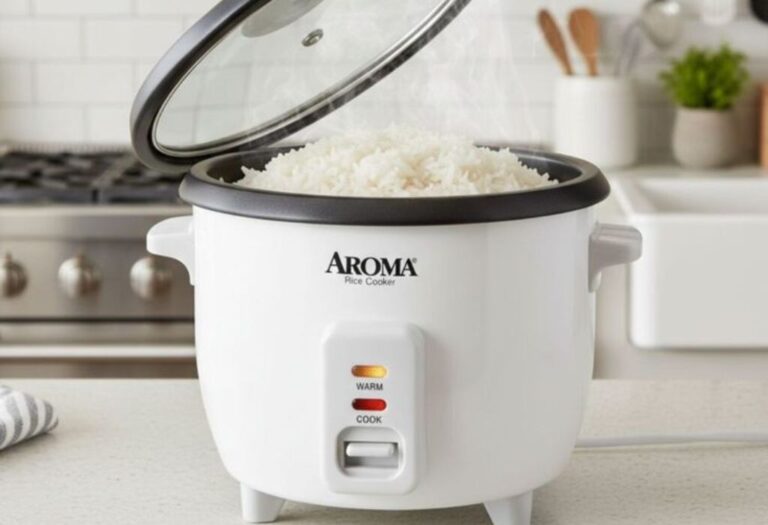
If you’ve ever asked yourself why rice cooker stuck on warm, you’re not alone! It’s a pretty common issue, especially when you’re just starting out cooking rice. It can be frustrating when your perfectly planned meal is delayed. Don’t worry, though; this problem usually has a simple fix. In this article, we’ll break down the most common reasons why this happens and give you easy, step-by-step solutions to get your rice cooking just right. Let’s see what’s causing your warm-cycle frustration!
Common Causes of a Stuck Rice Cooker
The situation of a rice cooker stubbornly staying on the “warm” setting often stems from a few predictable causes. These can range from simple user errors to mechanical problems inside the appliance. A basic mechanical understanding of how these cookers operate is helpful, but the reality is that many potential causes can be resolved with a few simple adjustments or a bit of cleaning. This segment explores the most likely culprits, providing a foundational groundwork for resolving the issue and enjoying perfectly cooked rice.
Faulty Heating Element or Thermostat
One of the most frequent mechanical causes behind a rice cooker remaining stuck on warm relates to problems with either the heating element or the thermostat. The heating element is what actually generates the heat to cook the rice. It’s often located at the base of the cooker. The thermostat’s function is to monitor the temperature inside the cooker and automatically switch from “cook” to “warm” once the rice is done, or when the water has evaporated. If either of these components malfunctions – the heating element fails to generate sufficient heat, or the thermostat fails to recognize when cooking is complete – the cooker may never switch to the “cook” cycle and remain perpetually in warm mode. Addressing this generally involves testing the functionality of these components with a multimeter, and possibly replacement.
- Heating Element Malfunction: The heating element might be damaged, burnt out, or have a loose connection. This will prevent the rice from reaching the boiling point.
- Thermostat Failure: A faulty thermostat might not correctly measure the internal temperature or might not trigger the switch from cooking to warm.
- Internal Wiring Problems: Damage to the internal wiring inside the rice cooker could be disrupting the power flow to the heating element or the control circuits.
- Overheating Protection Issue: Some cookers have overheating protection that could cause the cooker to stay on warm if it detects high temperatures due to internal faults.
Improper Water-to-Rice Ratio
Using the correct ratio of water to rice is critical for effective rice cooking. Too much water might prevent the cooker from reaching the correct temperature needed to switch from “cook” to “warm.” Conversely, too little water can cause the cooker to think the rice is already done. This is the simplest fix, but it’s often overlooked. It’s important to know the specific ratio needed for the kind of rice you’re using. Different types of rice (white, brown, basmati, etc.) need different amounts of water, and that impacts how it cooks. Following the recommendations on your rice package or in your cooker’s manual is key. Making this adjustment can often solve the problem and get your cooker back on track.
- Too Much Water: An excess of water prevents the rice from absorbing all the liquid and reaching the correct temperature to switch off.
- Insufficient Water: Too little water could cause the cooker to think the rice is ready, prematurely switching to warm.
- Type of Rice Matters: Different rice types have different water requirements. Using the wrong water level for the rice type is a common mistake.
- Accurate Measuring: Use the measuring cup that came with your rice cooker for consistent results.
Problems with the Lid
The lid of a rice cooker plays a very important role in trapping steam and heat, allowing the rice to cook properly. If the lid doesn’t seal correctly, or if there’s damage, the cooker might not cook the rice correctly. A bad seal prevents pressure from building up and affects the internal temperature, which can hinder the switch from “cook” to “warm”. Inspecting the lid for any physical damage, such as cracks or bends, is essential. Also, cleaning the lid and checking its fit on the cooker are vital. A simple fix here can have a big impact on getting your rice to cook right.
- Loose Lid Seal: A damaged or improperly sealed lid allows steam to escape, which can affect the cooking temperature.
- Dirty or Damaged Lid: Food particles on the lid or damage to its surface may disrupt heat distribution and sealing.
- Vent Hole Issues: A blocked or restricted vent on the lid can also affect the cooker’s ability to transition to warm.
- Lid Not Properly Closed: Make sure the lid is securely closed before starting the cooking cycle.
How to Troubleshoot and Fix a Rice Cooker Stuck on Warm
Now that we’ve covered the common reasons, let’s explore how to go about troubleshooting and fixing a rice cooker stuck in the warm cycle. It’s really about taking a step-by-step approach. Beginning with some simple checks and working your way toward more involved solutions can help you identify and resolve the issue quickly. This process is about observing, testing, and making necessary adjustments to bring your rice cooker back to its full operation, and restore the joy of perfectly cooked rice.
Step-by-Step Troubleshooting Guide
The process of solving the issue of a rice cooker that’s stuck on warm involves a systematic approach, starting with the simplest solutions before moving on to anything more complex. It’s helpful to go step-by-step and make sure you’re properly evaluating each area. Following this method will help you find the problem and get your rice cooker working well again.
- Check the Power Supply: Make sure the cooker is plugged in securely and that the outlet works correctly. Try plugging in another device to check.
- Examine the Water and Rice Ratio: Confirm you’ve used the correct amount of water based on the rice type and the cooker’s instructions. Adjust accordingly for your next batch.
- Inspect the Lid: Ensure the lid is clean and correctly sealed. Check for any obstructions or damage that could be preventing a proper seal.
- Clean the Interior: Check the interior of the cooker for any buildup of food debris, especially around the heating plate or the sensor. Remove any remnants.
- Test the Cooker with Water Only: Fill the cooker with water, and initiate the cooking cycle. Watch the cycle to see if the cooker changes to “warm”. This can help determine if the problem is with the rice itself.
- Contact the Manufacturer: If none of these steps work, the issue may be more complex, and you might need to contact the manufacturer or a repair service.
Cleaning and Maintenance of Your Rice Cooker
Keeping your rice cooker clean and maintained is a great way to prevent it from getting stuck on warm. A regular cleaning schedule ensures the cooker performs efficiently. Regular cleaning not only helps prevent issues but also extends the life of the appliance. A small effort can make a big difference in ensuring that the cooker always functions as expected.
- Regular Cleaning: Clean the inner pot, lid, and any removable parts after each use.
- Wipe Down the Exterior: Keep the outside of the cooker clean and free of spills to prevent electrical problems.
- Check the Vent: Ensure the steam vent on the lid is clean and free of blockages.
- Inspect the Non-Stick Coating: Check the inner pot for scratches. Avoid using abrasive materials that could damage the coating.
- Follow the Manual: Adhere to the manufacturer’s cleaning and maintenance guidelines.
Mechanical and Electrical Repairs
When cleaning and simple troubleshooting steps don’t resolve the problem, the issue could be with internal mechanical or electrical components. These problems often call for professional repair. Attempting to repair electrical components without proper skills and safety gear can be dangerous. It’s best to consult a qualified technician to diagnose and fix such problems. Although these repairs may involve costs, they ensure that the appliance is safe and continues to perform well.
- Faulty Thermostat Replacement: If the thermostat is not working correctly, it must be replaced.
- Heating Element Repair: Damage to the heating element might require replacement or repair by a professional.
- Internal Wiring Issues: Any problems with the wiring should be handled by an electrician.
- Consulting a Technician: If you’re not comfortable working with electricity, always contact a repair service.
Understanding Rice Cooker Mechanics
Knowing how your rice cooker works is very helpful in diagnosing and solving issues like why a rice cooker is stuck on warm. The fundamental functions of these appliances are simple but effective. Understanding these mechanisms helps you grasp why certain problems arise and how to solve them. By knowing these basics, you can handle simple problems efficiently and recognize when expert help is needed.
How a Rice Cooker Works
A rice cooker is designed with a few core elements. First, there’s a heating element, typically situated at the bottom, which generates heat. Inside, there’s a thermostat that monitors the temperature. When the rice is cooking, the water eventually boils away, and the temperature inside the cooker increases. When it reaches a specific point, the thermostat senses this change and tells the cooker to switch from “cook” to “warm.” Simple! Understanding this process helps in determining where a fault could lie if the cooker fails to change from cook to warm.
- Heating Element Function: The primary source of heat, providing the energy needed to cook the rice.
- Thermostat Role: Controls the switch from “cook” to “warm” based on temperature changes.
- Steam Vent Importance: Releases excess steam, which is very important for regulating pressure and temperature.
- Inner Pot Design: The inner pot is designed to distribute heat evenly and prevent rice from sticking.
The Role of the Thermostat
The thermostat is an essential component. Its function is to sense the temperature. Once the water has evaporated and the rice is cooked, the internal temperature increases. The thermostat detects this rise and triggers the switch to the “warm” setting. This prevents the rice from overcooking and ensures it stays warm until it’s ready to be served. If the thermostat fails, the cooker will not transition to the “warm” function, and this can be the root of why your rice cooker is stuck on warm.
- Temperature Sensing: The primary function is to monitor and register internal temperature changes.
- Switch Mechanism: Controls the switch from cook mode to warm mode based on temperature readings.
- Prevention of Overcooking: Protects the rice from becoming burnt by maintaining the ideal holding temperature.
- Sensor Position: The location of the thermostat influences its ability to accurately measure the internal temperature of the cooker.
Other Potential Mechanical Problems
Besides the heating element and thermostat, several other mechanical problems could arise. The switch mechanism itself, which moves the cooker from cook to warm, could become worn or stuck. The internal wiring could be damaged. Water can sometimes seep into the electrical components. Any of these problems can interfere with the cooker’s normal operation. These problems may require specialized equipment to troubleshoot and fix.
- Switch Malfunctions: Mechanical failure of the switch may prevent the cook cycle from progressing to the warm cycle.
- Wiring Issues: Corrosion or damage to the internal wiring can disrupt power and cycle control.
- Loose Components: Parts can become loose over time and could cause the cooker to malfunction.
- Component Wear: Over time, certain components may degrade, leading to improper functionality.
Troubleshooting Based on Rice Cooker Type
The method you use to troubleshoot your rice cooker may vary slightly depending on its type. Different types of rice cookers, from basic models to advanced ones, have different features and potential issues. This segment explores how you can address why rice cooker stuck on warm based on the kind of cooker you have. Considering the unique features of each type can improve your troubleshooting efforts.
Basic Rice Cookers
Basic rice cookers have a very simple design, including a heating element, an inner pot, a lid, and a basic thermostat. They are usually less complex, so the problems are generally straightforward to fix. For these models, the troubleshooting steps are usually pretty simple and easy to perform without any special tools or skills. Addressing the issue of a rice cooker stuck on warm is typically easier in these models. Problems can often be solved by focusing on basic factors such as water levels, cleaning, and sometimes checking the thermostat. Their straightforward design often makes for easy maintenance and simple repairs.
- Simple Designs: Basic models have fewer components, making diagnosis easier.
- Focus on Basics: Always check water-to-rice ratios, and clean regularly.
- Thermostat Checks: Make sure the thermostat is functioning correctly by observing the cycle.
- Lid Seal: Make certain the lid fits securely, as a faulty seal can affect temperature.
Advanced Rice Cookers
Advanced rice cookers offer extra features like fuzzy logic and multiple cooking settings, and they can have more intricate designs and controls. With these cookers, the troubleshooting process might be a bit more complicated. These models often come with their own troubleshooting guides, which you should consult first. These models may include more specific error messages to help identify the problem. The presence of digital controls and multiple sensors means that more factors can affect the warm cycle. It’s often best to consult the manual and seek help when dealing with an advanced cooker stuck on warm.
- Complex Systems: Advanced models contain more features and technologies.
- Fuzzy Logic Impact: Fuzzy logic can sometimes misinterpret cooking conditions.
- Consult Manuals: Always consult the user manual for specific troubleshooting steps.
- Sensor Checks: Various sensors should be tested to identify problems that keep the cooker stuck on warm.
Pressure Rice Cookers
Pressure rice cookers are designed to cook rice under pressure, which shortens cooking times and enhances the texture of the rice. Due to the high-pressure environment, troubleshooting these cookers often involves paying special attention to the lid and sealing mechanisms. If the cooker is stuck on warm, it could be because of a failure to build or maintain pressure, or even a problem with the safety features. Troubleshooting requires carefully examining the seals, pressure valves, and control mechanisms. Any maintenance or repair should focus on ensuring these elements function as intended for safe and effective operation.
- Pressure Issues: Make certain the cooker can build and maintain the necessary pressure.
- Seal Inspection: Inspect the lid and seals to see that they are intact and clean.
- Pressure Valve Function: Confirm that the pressure release valve is free of obstructions.
- Safety Mechanisms: Make sure all the safety features are in good working order.
Frequently Asked Questions
Question: Why is my rice cooker not switching to warm?
Answer: The most common causes are a faulty thermostat, heating element, or improper water-to-rice ratio. Also, make sure the lid is properly sealed and there is no debris blocking the mechanisms.
Question: How do I know if my rice cooker thermostat is bad?
Answer: If the cooker is not switching to warm after the water has evaporated and the rice is done, the thermostat may be faulty. You can test it using a multimeter. If not, consider professional help.
Question: Can I fix a rice cooker stuck on warm myself?
Answer: You can often fix common issues, like adjusting the water ratio, cleaning, and inspecting the lid. However, electrical or internal mechanical problems often require expert repair.
Question: What if my rice cooker smells like something is burning?
Answer: Immediately unplug the cooker. There could be a serious electrical or mechanical issue. Contact a repair service for assistance right away to prevent safety problems.
Question: Should I always use the measuring cup that came with my rice cooker?
Answer: Yes, always use the measuring cup that came with your rice cooker. These are calibrated to match the cooker’s design, which provides the best rice cooking results.
Final Thoughts
Dealing with why rice cooker stuck on warm can be irritating, but usually, the solution is fairly easy. Whether it’s due to too much water, a dirty lid, or a problem with the thermostat, the troubleshooting process starts with simple checks and goes from there. Regular cleaning and proper use are key to preventing these problems in the first place. You can maintain your rice cooker to prevent future problems. Remember, start with the basics, follow the steps, and don’t be afraid to consult the manufacturer’s manual or seek expert help if needed. By understanding the common causes and solutions, you can keep your cooker functioning at its best, ensuring perfect rice every time. Cooking rice should be easy and delicious!

I’m Emma J. Caldwell, the founder, lead writer, and home-cooking enthusiast behind KitchenGuideCo.com. With a background in culinary arts and over a decade of cooking experience in both professional and personal kitchens, I created this platform to demystify recipes, offer smart kitchen gadget reviews, and guide readers through meal prep with confidence and clarity.