Cooking rice seems easy, but sometimes, your rice cooker has a small problem: why rice cooker overflowing? This is a common issue, especially if you’re new to using one. Don’t worry, it’s easily fixed! Overflowing happens because of a few simple things, and we’ll explore those, offering clear, step-by-step guidance. Get ready to learn how to cook perfect rice every time, so you won’t need to clean up messy spills again!
Common Reasons Behind Overflowing Rice Cookers
Overflowing rice cookers can be frustrating, leading to wasted food and extra cleaning. The issue often stems from a few straightforward causes related to how the rice interacts with water and heat. It’s often because of a recipe error or the type of rice being cooked. Recognizing these factors is the first step in avoiding future spills and guaranteeing ideal rice every time. Knowing how to prevent a cooker from overflowing makes the experience of cooking rice enjoyable and practical.
Too Much Water
The most frequent reason for a rice cooker overflowing is using too much water. Rice absorbs a specific amount of water during cooking. If too much water is added initially, it can boil over the sides. The correct ratio depends on the rice type, but generally, you’ll find a water level line inside the cooker. Using a measuring cup to add the precise quantity of water is crucial. This helps prevent spills and guarantees that the rice cooks evenly, resulting in perfect rice, not a sticky mess.
- Using the Wrong Ratio: Each type of rice has an ideal water-to-rice ratio. Following the cooker’s instructions or the rice package is essential.
- Overfilling the Inner Pot: Exceeding the rice cooker’s maximum capacity is another common mistake. This reduces the available space for the rice and water to expand, which contributes to overflows.
- Not Measuring Correctly: The measuring cup that comes with your rice cooker isn’t the same as a standard US cup. Be sure to use the proper cup for your cooker.
- Water Level Marks: Modern rice cookers have water level marks inside the pot. Make sure you are using these.
Incorrect Rice Quantity
Another major reason for overflows is the amount of rice put in the cooker. Overfilling the inner pot leaves little room for expansion during cooking, pushing the water and rice to the surface. It’s essential to avoid filling the pot beyond the maximum fill line, which can often be found on the side of the inner pot. This measure will leave enough room for steam, which prevents the cooker from overflowing. This measure helps to avoid spills and ensures your cooker operates smoothly.
- Exceeding Capacity: The rice expands as it cooks. Filling the pot too much leads to the rice spilling over as it swells.
- Using too many ingredients: If you add other ingredients to the cooker, they will take up space and can cause an overflow.
- Uneven Distribution: Putting too much rice in one area of the cooker can impact the cooking. It is best to spread the rice evenly.
- Forgetting About Expansion: Rice expands a lot while cooking. Remember to adjust the amount of rice you add according to the size of the cooker.
Type of Rice and Cooking Methods
Different kinds of rice and cooking methods have different needs. Long-grain rice, like basmati or jasmine, usually needs less water than short-grain varieties, like sushi rice, which can lead to overflow if the cooking process is not controlled. Using the wrong setting on the cooker or not preparing the rice correctly before cooking can also cause issues. Make sure you use the right settings on your rice cooker for the type of rice you’re cooking.
- Different Rice Types: Each rice variety requires a specific water amount. Using the wrong ratio can cause it to overflow.
- Sticky Rice: Sticky rice needs different cooking instructions than other rice types. Always use the proper settings.
- Pre-Cooking Rice: Rinsing the rice to remove excess starch helps prevent stickiness and can reduce the chance of overflowing.
- Using the Wrong Settings: Make sure you are using the correct setting on your cooker. Otherwise, the rice may not cook correctly.
Step-by-Step Guide to Preventing Overflows
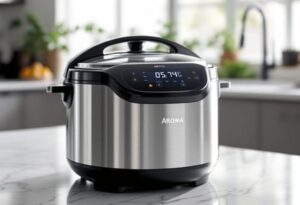
Preventing an overflowing rice cooker can be easy with the right strategy. The key is in preparation and careful monitoring. By following these steps, you can prevent spills and enjoy perfectly cooked rice every time. This will save you time and the need for extra cleanup. You can enjoy your meal without the mess and hassle.
Measure Rice and Water Accurately
Precision in measuring is vital for preventing overflows. Always use the measuring cup that came with your rice cooker. Fill the measuring cup according to the type of rice and the amount you want to cook. Next, pour the rice into the inner pot of the cooker and add water accordingly. Checking the water level marks inside the pot is a good idea to ensure you have the right amount of water. This precise approach is your first line of defense against messy situations.
- Use the Right Cup: The included cup is designed for the cooker’s size.
- Know the Ratios: Follow the rice package or cooker instructions.
- Check the Marks: Internal water level lines help ensure the right amount.
- Avoid Guessing: Don’t estimate; use the cup and follow the measurements.
Rinse the Rice
Rinsing the rice removes excess starch that can contribute to stickiness and potential overflows. Place the rice in a fine-mesh strainer or a bowl. Run cold water over the rice, gently stirring it with your hand until the water runs clear. The goal is to remove the cloudy starch. This simple step can prevent the rice from sticking together, and reduce the chance of spills during cooking. Proper rinsing sets the stage for flawless rice every time.
- Remove Excess Starch: Rinsing helps reduce stickiness.
- Use Cold Water: Cold water helps remove the starch efficiently.
- Stir Gently: This prevents breaking the rice.
- Check the Water: Rinse until the water runs clear.
Use the Correct Cooking Mode and Lid
The right cooking mode is important for the cooking process. Most rice cookers have settings for different rice types. Choose the one that matches your rice. Always make sure the lid is properly sealed during cooking. This helps maintain the right pressure and temperature inside the cooker, and ensures the water turns to steam, which cooks the rice. This step protects the rice cooker and guarantees ideal results.
- Select the Right Mode: Pick the setting for your rice type.
- Ensure a Tight Seal: Make sure the lid is closed correctly.
- Don’t Lift the Lid: Avoid lifting the lid during cooking to maintain pressure.
- Follow the Timer: Wait until the cooking cycle is done.
Other Potential Causes and Solutions
Besides the main reasons, other factors can also lead to rice cooker overflows. These can include issues with the appliance itself or environmental conditions. By understanding these potential problems, you can take additional steps to keep your rice cooker working. From the cooker’s age to altitude and its environment, this section provides additional steps to improve your cooking experience.
Problems With the Rice Cooker
Sometimes, the problem isn’t with the rice but the rice cooker itself. A faulty heating element can cause water to boil too quickly, increasing the chance of an overflow. An old or damaged pot might not distribute heat evenly. Always check your cooker’s settings and keep the machine clean. If the appliance is old or damaged, there may be problems that lead to overflow. Knowing how the appliance functions, and keeping it clean, are vital parts of preventing spills.
- Check the Heating Element: Ensure it works correctly.
- Examine the Pot: Check for damage or wear.
- Test the Settings: Use the right mode for the rice.
- Clean Regularly: A clean machine cooks better.
Environmental Conditions
External elements, such as altitude, can also affect how your rice cooker operates. At higher altitudes, water boils at a lower temperature, which affects cooking times and can lead to overflows. The humidity in your kitchen can also alter how the rice absorbs water. Adjusting your methods based on environmental conditions guarantees better results. A slight adjustment to water levels or cooking times may solve overflow problems and lead to great results.
- Adjust for Altitude: Higher altitudes require adjustments to the water ratio and cooking time.
- Consider Humidity: This can affect how rice absorbs water.
- Keep the Cooker Stable: Place your rice cooker on a level surface.
- Monitor Steam: If the steam is excessive, adjust the water or rice levels.
Adding Additional Ingredients
Adding other ingredients, such as vegetables or spices, can affect how your rice cooks. These extras can change the amount of water absorbed or cause the rice to cook unevenly. If adding additional items, be sure to consider the volume and water levels. A small amount of other ingredients, like spices, will work fine. Too much, and there could be a problem. This precaution will help prevent overflows.
- Account for Added Volume: Make space for additional ingredients.
- Consider Water Absorption: Know how extra ingredients affect water levels.
- Add at the Right Time: Add ingredients at the correct time.
- Monitor the Process: Keep an eye on the cooking process.
Frequently Asked Questions
Question: Why is my rice cooker overflowing only sometimes?
Answer: It could be due to variations in the rice type, humidity levels, or how carefully you’re measuring ingredients. It could also depend on how you measure and add water each time.
Question: Can I cook brown rice in my regular rice cooker?
Answer: Yes, you can, but brown rice often requires more water and a longer cooking time than white rice. Make sure you use the brown rice setting if your cooker has one.
Question: What should I do if my rice cooker overflows constantly?
Answer: First, check your measurements. Then, make sure the cooker is clean. If it still happens, it may be a problem with the cooker. You may need to replace it.
Question: How do I clean up after an overflow?
Answer: Unplug the cooker and let it cool. Wipe the exterior with a damp cloth, and clean the inner pot. Wash the lid and any other removable parts.
Question: Can I reuse the rice that has overflowed?
Answer: It’s best not to reuse it. The spilled rice may not be cooked correctly, and the mess can cause bacteria to grow.
Final Thoughts
We’ve explored several factors that lead to why rice cooker overflowing and provided simple solutions. From precisely measuring your rice and water to rinsing your grains and using the correct cooking mode, each step contributes to perfectly cooked rice and a cleaner kitchen. Remember, it’s often a case of too much water, too much rice, or the wrong settings. By paying close attention to these basics, you can master rice cooking and get rid of overflowing. With a few adjustments, you’ll be cooking fluffy, delicious rice without any mess.

I’m Emma J. Caldwell, the founder, lead writer, and home-cooking enthusiast behind KitchenGuideCo.com. With a background in culinary arts and over a decade of cooking experience in both professional and personal kitchens, I created this platform to demystify recipes, offer smart kitchen gadget reviews, and guide readers through meal prep with confidence and clarity.