Knowing how to clean rice cooker is a common question, especially for those new to cooking rice. It seems straightforward, but sticky rice and hidden corners can make it trickier than you think. Don’t worry, though! This guide will make the process easy. We’ll show you step-by-step how to keep your rice cooker clean and working great. Let’s get started!
Daily Care: Cleaning Your Rice Cooker After Each Use
Keeping your rice cooker clean after each use prevents food from sticking and makes cleaning much easier over time. Regular cleaning also helps maintain the cooker’s performance, ensuring your rice cooks evenly and tastes delicious every time. This approach reduces the buildup of food particles that can affect cooking efficiency and may affect the taste of your cooked rice. Think of it as a quick refresh that saves you time and effort down the line. We are exploring the easiest methods for a quick cleanup.
Washing the Inner Pot and Lid
The inner pot is where the rice cooks, so it needs the most attention. Remove the inner pot and let it cool before washing to avoid burns. Use warm, soapy water and a soft sponge or cloth to gently scrub away any rice residue. Avoid using abrasive scrubbers or steel wool, as they can scratch the non-stick surface, which might reduce its effectiveness over time. If rice sticks, soak the pot in warm water for a few minutes to loosen it. The lid, which can usually be removed, should also be cleaned regularly. Check the manufacturer’s instructions for the specific care instructions on the materials used in your cooker. By cleaning the inner pot and lid after each use, you are setting the stage for perfectly cooked rice with every meal.
- Rinse Immediately: Rinse the inner pot and lid right after removing the rice to prevent the rice from hardening. This simple step makes the cleaning process so much easier.
- Gentle Soap: Use mild dish soap. Strong detergents can damage the non-stick coating and leave a soapy taste.
- Soft Sponge Only: Abrasive scrubbers can damage the surface. Always opt for a soft sponge or cloth to protect the inner pot.
- Air Dry: Let the inner pot and lid air dry completely before replacing them in the rice cooker. This helps prevent mold and odors.
Cleaning the Outer Body and Heating Plate
The exterior of the rice cooker and the heating plate also require regular cleaning. The outer body might gather spills and splatters, so it is important to keep this area clean for hygiene and aesthetics. The heating plate, which sits at the bottom, is the heart of the cooking process. Food particles on this plate can affect the cooker’s performance and may cause uneven cooking. Take your time to clean all areas with care, as it impacts the functionality and longevity of the appliance. A clean cooker keeps the heating process working efficiently, and prevents potential hygiene issues. By focusing on these parts, you will prevent problems that can occur during the cooking process.
- Wipe Down the Exterior: Use a damp cloth to wipe down the outer body of the rice cooker, removing any spills or splatters.
- Heating Plate Care: The heating plate should be cleaned after each use. A damp cloth will often suffice to remove any residue.
- Remove Residue Carefully: Be careful not to use excessive water, which can damage the electrical components.
- Dry Thoroughly: Ensure all parts are completely dry before reassembling the rice cooker. This is especially important for the heating plate.
Deeper Cleaning: Weekly and Monthly Maintenance
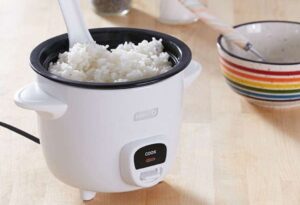
While daily cleaning is essential, deeper cleaning helps to maintain the rice cooker’s long-term performance and hygiene. Weekly tasks ensure that areas that can build up residue get the proper care. Monthly cleaning allows you to address any lingering issues and give the cooker a complete refresh. This extra effort removes accumulated food, prevents odors, and maintains optimal cooking results. The goal here is to maintain all areas of the rice cooker to work at its best for the long haul. Take the time to get the job done properly, and you’ll find the cooker serving you perfectly for years to come.
Addressing Stubborn Stains and Odors
Sometimes, despite your best efforts, stains and odors can develop in the rice cooker. Hard water deposits, burnt rice, or simply food buildup can cause these issues. There are special cleaning methods that can address these persistent problems and restore the cooker to its optimal condition. Removing stains and odors not only improves the appliance’s hygiene but also ensures that the taste of your rice isn’t affected. There are natural remedies and specialized cleaning products that may prove helpful in removing tough stains and lingering smells.
- Vinegar Solution: For removing odors, fill the inner pot with water and add a cup of white vinegar. Cook on the “cook” setting for a few minutes, then let it sit for about 30 minutes before washing.
- Baking Soda Paste: To remove stubborn stains, mix baking soda with a little water to form a paste. Apply the paste to the stained area and let it sit for a while before scrubbing gently.
- Lemon Juice: Lemon juice can cut through grease and leave a fresh scent. Rub lemon juice on problem areas.
- Specialized Cleaners: Consider using cleaners designed specifically for kitchen appliances if natural remedies aren’t enough. Always follow the product’s instructions carefully.
Cleaning the Steam Vent and Water Collector
The steam vent and water collector are important parts of your rice cooker that you may overlook, but they play important roles. The steam vent releases steam during cooking, and the water collector gathers condensation. If these parts become clogged or dirty, they may impact the cooker’s efficiency and cause uneven cooking. Routine cleaning of these areas will keep the cooker functioning effectively and may prevent other issues. They will also improve the quality of your cooked rice and extend the life of your cooker. A clean steam vent and water collector contribute to a cleaner and more efficient cooking experience. Here is how to keep them in great shape.
- Steam Vent Cleaning: The steam vent should be cleaned regularly to prevent buildup. The vent can often be removed and rinsed with warm water.
- Water Collector Maintenance: Empty and clean the water collector after each use. Rinse it with warm, soapy water.
- Check Regularly: Inspect the steam vent and water collector for any signs of mold, mildew, or blockages.
- Dry Completely: Make sure the steam vent and water collector are completely dry before reassembling them.
Advanced Methods: Cleaning Difficult Areas
Sometimes, ordinary cleaning methods may not be enough to tackle specific challenges you might find. Certain parts of the rice cooker can be hard to reach or clean effectively, particularly if they are neglected over time. These issues need a more targeted approach. Taking the time to explore more advanced techniques ensures your rice cooker remains in top condition, regardless of what’s been cooked. Consider specialized tools or methods to remove stubborn food buildup and maintain hygiene. Here, we’re detailing some solutions to get at those hard-to-reach areas and keep your cooker working its best.
Cleaning Around the Heating Element
The heating element is a critical component for cooking rice. This element is particularly important for its role in generating heat. Food and debris near the heating element can lead to uneven cooking, and can potentially damage the cooker. Cleaning around this area requires great care to avoid damaging the components. It’s often difficult to get at, but important for its long-term functionality. Here’s a look at some useful cleaning techniques for this important area.
- Unplug First: Always unplug your rice cooker before any cleaning. Safety is key!
- Use a Damp Cloth: Use a damp cloth or a cotton swab to wipe around the heating element.
- Avoid Excess Water: Make sure not to get any water inside the cooker’s electrical components.
- Dry Thoroughly: Ensure the heating element area is completely dry before you reuse your rice cooker.
Cleaning the Internal Components
Beyond the readily accessible parts, there are internal components that also need occasional cleaning. This includes areas that you normally do not see or have access to. These elements play a vital role in the cooker’s overall performance. Neglecting these areas could lead to a buildup of dirt, affecting the cooker’s efficiency and even its safety. While it is not necessary to clean these internal parts every time, knowing how to clean them is good. Proper upkeep ensures that every component is in good order, and that your rice cooker is able to perform for years. Cleaning these parts is a must to keep things working like new.
- Follow Manufacturer’s Instructions: Always refer to the manufacturer’s manual for specific instructions on cleaning internal components.
- Use Caution: Be cautious when cleaning internal parts, and avoid causing damage to any electrical components.
- Professional Help: If you’re not comfortable cleaning internal components, consult a professional to do it.
- Regular Inspections: Periodically inspect internal parts for any signs of wear or damage.
Maintaining Your Rice Cooker’s Longevity
Regular and proper cleaning isn’t just about cooking tasty rice; it’s about making sure your rice cooker lasts a long time. Caring for your appliance will make it a trusted kitchen tool for many years to come. Routine maintenance will help maintain peak performance. It also avoids costly repairs. Here, you’ll find suggestions to help you get the most out of your appliance for the long run. By following these suggestions, you’ll be able to cook perfect rice, and avoid replacing your rice cooker any time soon.
Tips for Prolonging Your Rice Cooker’s Life
Besides regular cleaning, there are other methods to keep your rice cooker in top shape. These tips include cooking practices, storage, and routine maintenance that contribute to the device’s overall lifespan. By taking these steps, you can prevent wear and tear and avoid potential problems. These will help keep your cooker in great condition and maintain its performance. They will also improve the quality of your cooking. By focusing on these points, you will be able to make the most of your kitchen tool for years.
- Use the Right Amount of Water: Always follow the rice-to-water ratio recommended in your cooker’s manual. Using too much or too little water can affect cooking and damage the appliance.
- Avoid Harsh Utensils: Use the rice scoop provided or a non-metal spoon to avoid scratching the inner pot’s surface. Scratches can damage the non-stick coating.
- Proper Storage: Store your rice cooker in a dry place when not in use. Avoid storing it in a damp or humid environment.
- Regular Inspections: Periodically inspect the power cord, heating element, and other components for any signs of damage.
Common Mistakes to Avoid
To keep your rice cooker in top form, it’s good to know what not to do, as well. Certain practices can be damaging to your cooker and may shorten its life or impact its function. Recognizing these mistakes will help you prevent them and extend your rice cooker’s lifespan. By staying away from these common errors, you can keep your appliance in good working order for years to come. Here’s what you should avoid for your rice cooker’s longevity.
- Overfilling the Pot: Overfilling the inner pot may cause rice to overflow and can damage the cooker’s internal components.
- Using Metal Utensils: Using metal spoons or other utensils can scratch the non-stick coating.
- Immersing the Cooker in Water: Never immerse the entire rice cooker in water. This can damage the electrical components.
- Neglecting Regular Cleaning: Skipping the basic cleaning steps can lead to the buildup of food residue, which may impact performance and potentially cause safety hazards.
According to a study, regular cleaning can extend the lifespan of small kitchen appliances by up to 25%. This includes rice cookers! (Source: Appliance Manufacturers Association).
How to Clean Rice Cooker: Step-by-Step Guide
Let’s make cleaning your rice cooker easy with a straightforward, step-by-step guide. Knowing how to clean rice cooker doesn’t have to be confusing. Whether you are dealing with a quick cleanup after cooking, or going for a more in-depth clean, you can get the job done properly, and with ease. Let’s explore each step, making sure you will have a perfectly clean rice cooker in no time at all. This guide will take you through each area and detail exactly what needs to be done. We are going to go through a straightforward process from beginning to end.
Step-by-Step Cleaning Process
This is a practical guide to cleaning your rice cooker, covering the main areas that require attention. We will be discussing the inner pot, lid, and outer body. Cleaning the water collector and steam vent are also crucial for your rice cooker to be working well. These directions will guarantee a clean cooker and ensure that each component is sparkling. It’s an easy process that does not take long. Here are the steps to keep things clean and functional.
- Unplug and Cool: Begin by unplugging your rice cooker and allowing it to cool. This step ensures safety.
- Remove Inner Pot and Lid: Take out the inner pot and lid, washing them with warm, soapy water. Use a soft sponge to avoid scratches.
- Clean the Outer Body: Wipe down the cooker’s exterior with a damp cloth. Make sure there are no spills or splatters.
- Clean the Heating Plate: Use a damp cloth to wipe the heating plate at the bottom of the cooker. Make sure all food residue is removed.
- Clean the Steam Vent and Water Collector: Take apart and clean the steam vent and water collector with warm water and soap. Remove all excess moisture.
Troubleshooting Common Issues
Even with regular cleaning, there can be some things that go wrong with your rice cooker. These may result in issues that require troubleshooting. It’s also good to know how to resolve them to keep your cooker in good working order. Here, we’ll talk about common problems and what you can do about them. This also includes the possible solutions. With a little knowledge and care, you can handle some common rice cooker issues. You will be able to make some improvements to your cooker.
- Problem: Rice sticking to the bottom.Solution: Soak the inner pot in warm water for a while before washing. Use a soft sponge. Consider using less rice or more water next time.
- Problem: Lingering Odors.Solution: Try running the cooker with a mixture of water and vinegar. Clean the lid and inner pot thoroughly.
- Problem: Uneven Cooking.Solution: Make sure the heating element is clean and the inner pot is making proper contact with the heating plate. Check the water levels.
- Problem: Water overflowing.Solution: Do not overfill the inner pot. Use the correct rice-to-water ratio. Clean the steam vent.
Frequently Asked Questions
Question: How often should I clean my rice cooker?
Answer: Clean your rice cooker after each use, especially the inner pot and lid. Perform deeper cleaning weekly or monthly.
Question: Can I put the inner pot in the dishwasher?
Answer: Check your rice cooker’s manual. Some inner pots are dishwasher-safe, while others are not. Be sure to check this for the specific model you have.
Question: How do I remove burnt rice from the bottom of the pot?
Answer: Soak the pot in warm, soapy water for some time to loosen the residue. A paste of baking soda and water can also help.
Question: Is it safe to use metal utensils in my rice cooker?
Answer: It’s generally not recommended to use metal utensils as they can scratch the non-stick coating. Use the provided rice scoop or a wooden or plastic spoon.
Question: What should I do if my rice cooker has a persistent odor?
Answer: Try cleaning with a solution of water and white vinegar. You can also leave the lid off to air out the cooker for some time.
Final Thoughts
Now you know how to clean rice cooker thoroughly. By following these easy steps, you can keep your appliance in excellent condition and always cook rice perfectly. Remember that regular cleaning is key to keeping your cooker in good condition, and that includes both the inner and outer areas of your cooker. Don’t be afraid to take apart various parts of your cooker to get at the nooks and crannies, and always follow the safety directions to avoid any harm. Use the suggested methods, such as vinegar or baking soda for tackling stubborn stains. With some basic care, your rice cooker will keep providing you with tasty rice for many meals to come. Start now and enjoy the ease of a sparkling, well-kept rice cooker!

I’m Emma J. Caldwell, the founder, lead writer, and home-cooking enthusiast behind KitchenGuideCo.com. With a background in culinary arts and over a decade of cooking experience in both professional and personal kitchens, I created this platform to demystify recipes, offer smart kitchen gadget reviews, and guide readers through meal prep with confidence and clarity.