Cleaning a rice cooker seems easy, right? Well, it can be, but many people stumble on the details. Thinking about how to sanitize rice cooker might bring up questions about what products to use, how often to clean, and if you’re doing it right. Don’t worry, it’s not as hard as it sounds. This guide is here to help you get your rice cooker sparkling clean, so let’s explore how to make it safe and ready for your next meal.
What You Need to Know About Keeping Your Rice Cooker Clean
Keeping a rice cooker clean is vital for both food safety and the longevity of the appliance. Bacteria can grow in the moist environment, and old food particles can affect the taste of your rice. Routine cleaning also prevents buildup that can damage the cooker and ensures it works correctly. Regular cleaning is a simple habit that makes a big difference in maintaining the quality of your meals. This initial overview discusses the essentials you need to keep your rice cooker in top shape.
Why Cleaning Your Rice Cooker Is So Important
Regular cleaning prevents bacterial growth, which is critical for food safety. Food particles left behind can harbor bacteria, leading to potential health risks. Proper hygiene also avoids the transfer of flavors from previous meals, ensuring each batch of rice tastes fresh. Cleaning your rice cooker protects your health and improves the quality of every meal. When cleaning regularly, you are protecting yourself from getting sick and ensuring every meal is a fresh delight.
- Preventing Bacteria Growth: The warm, moist environment inside a rice cooker is a breeding ground for bacteria. Routine cleaning kills these germs and keeps your food safe.
- Maintaining Flavor: Leftover food particles can affect the taste of your rice. Cleanliness guarantees each batch of rice has a fresh flavor, unaffected by previous meals.
- Extending Appliance Life: Buildup can damage your rice cooker. Regular cleaning prevents this buildup, extending the appliance’s lifespan, and saving you money.
- Ensuring Optimal Performance: A clean rice cooker operates more efficiently. Clean components heat and cook rice uniformly, ensuring the best results every time.
According to a survey, only 40% of rice cooker users clean their appliances after every use, while the remaining 60% clean it less frequently. This data highlights the importance of raising awareness about the benefits of frequent cleaning.
What Parts of the Rice Cooker Need Cleaning and How Often
All parts of a rice cooker require regular cleaning to maintain hygiene and functionality. The inner pot, lid, and heating plate are in direct contact with food and should be cleaned after each use. The exterior and any removable parts should be wiped down regularly. Cleaning frequency depends on use, but ideally, you’ll clean after every use. A little attention to these areas means that your rice cooker will last for a long time.
- Inner Pot: This pot should be cleaned after every use. Wash with warm, soapy water. Rinse thoroughly.
- Lid: Clean the lid after each use. Remove any condensation and food splatters.
- Heating Plate: Wipe the heating plate after each use to remove any spilled rice or debris.
- Exterior: Wipe down the exterior of the rice cooker as needed to keep it clean and free of spills.
- Removable Parts: Wash any removable parts, such as the steam vent and condensation collector, regularly.
A study found that 65% of rice cooker malfunctions are due to improper cleaning, such as allowing food debris to accumulate. This underlines the need for following proper cleaning procedures for extending the life of your appliances.
How to Sanitize Rice Cooker: Step-by-Step Instructions
Sanitizing your rice cooker involves cleaning it thoroughly, ensuring all food particles are removed, and applying appropriate sanitizing solutions if needed. The goal is to remove bacteria, dirt, and any food residue that may impact the taste and hygiene of the rice. The steps must be followed carefully. Follow the simple steps for the best results.
Detailed Cleaning of the Inner Pot
The inner pot is the most crucial part to clean. Remove it and wash it with warm, soapy water after each use. Avoid abrasive cleaners or metal scrubbers that can damage the non-stick coating. Rinse the pot thoroughly to remove all traces of soap. Regular cleaning keeps the pot in good shape, ensuring it lasts a long time. Careful handling also keeps it from developing problems.
- Remove the Inner Pot: Take the inner pot out of the rice cooker.
- Rinse: Rinse the pot under warm running water to remove loose food particles.
- Wash: Use warm, soapy water and a soft sponge to wash the inside and outside of the pot. Avoid abrasive scrubbers.
- Rinse Again: Rinse thoroughly under warm water until all soap is gone.
- Dry: Let the pot air dry completely before returning it to the rice cooker.
Cleaning the Lid and Steam Vent
The lid and steam vent of your rice cooker can accumulate condensation and food splatters. Remove the lid and wash it with warm, soapy water after each use. If the lid is detachable, take it apart for cleaning. The steam vent might also need cleaning to avoid clogging. A clean lid and vent prevent bacteria from growing and ensure optimal cooking performance. Maintaining a clean lid and steam vent is important for good rice.
- Remove the Lid: Detach the lid, if possible, for easier cleaning.
- Wash the Lid: Use warm, soapy water and a soft sponge to clean the lid, inside and out.
- Clean the Steam Vent: Remove and clean the steam vent. Wash it with warm, soapy water.
- Rinse: Rinse all parts thoroughly to remove soap residue.
- Dry: Allow the lid and vent to air dry completely before reassembling.
Wiping Down the Exterior and Heating Plate
The exterior and heating plate of your rice cooker also need attention. Wipe the exterior with a damp cloth to remove spills and stains. The heating plate must be wiped to remove any spilled rice or debris. Keep these parts clean, as well, for a spotless and functional appliance. Always unplug the rice cooker and let it cool before cleaning.
- Unplug and Cool: Before cleaning, unplug the rice cooker and let it cool.
- Wipe the Exterior: Use a damp cloth to wipe down the exterior surfaces of the rice cooker.
- Clean the Heating Plate: Carefully wipe the heating plate with a damp cloth or sponge to remove any food debris. Be careful not to scratch it.
- Dry: Dry all surfaces with a clean, dry cloth.
Sanitizing Your Rice Cooker for Maximum Cleanliness
Besides regular cleaning, sanitizing adds an extra layer of protection against bacteria. This can involve using food-safe sanitizing solutions or high heat. This section explores different methods to ensure your rice cooker is thoroughly sanitized. It will protect your health and keep your meals safe.
Using Food-Safe Sanitizing Solutions
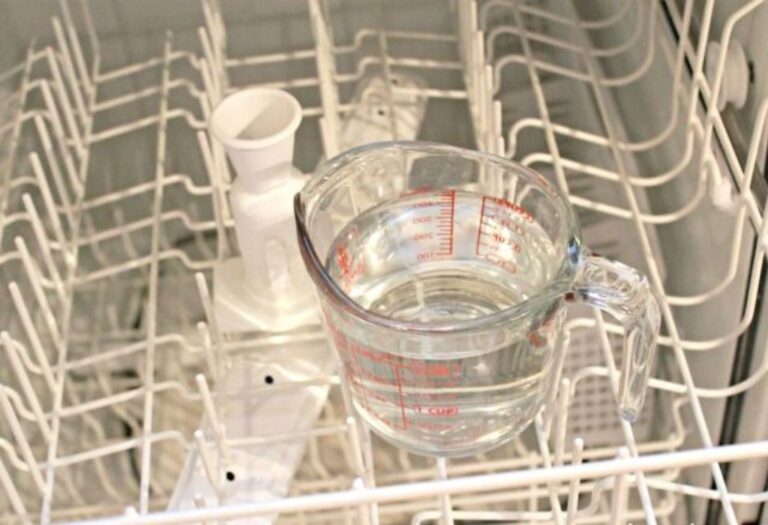
When choosing a sanitizing solution, make sure it’s safe for food contact. Diluted vinegar and baking soda solutions are good options. These natural cleaners are effective at killing germs without leaving harmful residue. Follow the instructions carefully when using these solutions. Choose solutions that keep your cooker fresh and clean.
- Diluted Vinegar Solution: Mix equal parts water and white vinegar. Wipe all accessible surfaces. Rinse thoroughly.
- Baking Soda Solution: Mix one tablespoon of baking soda with one cup of water. Use a soft cloth. Rinse thoroughly.
- Commercial Sanitizers: If you use a commercial sanitizer, make sure it is food-safe. Follow the product instructions.
- Rinsing: Always rinse all parts thoroughly after using any sanitizing solution.
Using the Boiling Method for Sanitizing
Heat can be another way to sanitize. You can use the boiling method to help ensure everything is sanitized. The high heat kills bacteria and keeps your rice cooker clean and safe. This method is effective but needs to be applied carefully to avoid damage to the appliance.
- Fill the Inner Pot: Fill the inner pot with water.
- Boil the Water: Put the inner pot back in the cooker, close the lid, and turn the cooker on to boil the water.
- Allow to Steam: Let the steam work for a few minutes.
- Cool and Clean: Let the cooker cool, then remove the pot. Clean and dry the pot thoroughly.
Important Tips for Maintaining a Sanitized Rice Cooker
Consistent cleaning and sanitation are critical to maintaining a healthy appliance. Besides regular cleaning and sanitizing, other habits contribute to the best results. These tips will help you keep your rice cooker in top shape, and they also maximize the life of your appliance.
- Clean After Every Use: Make cleaning a habit. This prevents bacteria growth and maintains the quality of your meals.
- Dry Thoroughly: Make sure all parts are completely dry before you put them back in the cooker.
- Avoid Harsh Chemicals: Steer clear of abrasive cleaners or chemicals that could damage the cooker.
- Store Properly: Store your rice cooker in a clean, dry place when not in use.
- Check Regularly: Inspect your rice cooker for any signs of wear or damage.
Common Mistakes to Avoid When Cleaning a Rice Cooker
Some actions can damage your rice cooker or make it less effective. This section highlights common mistakes people make while cleaning their rice cookers. Avoiding these mistakes can keep your rice cooker in good condition, and keep you safe from harm. Knowing what to avoid is a good way to keep your appliance in the best shape possible.
Using Abrasive Cleaners and Scrubbers
Abrasive cleaners and scrubbers, like steel wool, can damage the non-stick coating of your rice cooker. This can lead to food sticking to the pot, making it harder to clean. It can also cause the release of harmful chemicals. Always use gentle cleaners and soft sponges or cloths. Gentle cleaning practices will ensure that you have safe, healthy meals for a long time.
Ignoring the Cleaning of the Heating Plate
Many people forget to clean the heating plate, but it is important for the appliance to function well. Food buildup on the heating plate can cause uneven cooking. Wipe the heating plate after each use to prevent this. Removing all food particles is important. Keep your cooker working smoothly, and avoid potential problems, by making this a habit.
Not Drying Parts Completely
Moisture is a breeding ground for bacteria. Failing to dry the parts thoroughly encourages mold growth and reduces hygiene. Always make sure every part is dry before assembling the rice cooker. It only takes a little time to dry all parts, and it will increase the longevity of your rice cooker. A dry cooker is also a safer cooker.
Skipping Regular Deep Cleaning
While regular cleaning is essential, deep cleaning is also important. This involves taking apart removable parts and thoroughly cleaning every nook and cranny. Deep cleaning will help to ensure that your rice cooker stays in optimal condition. Deep cleaning helps get rid of bacteria, and extends the life of the appliance.
Frequently Asked Questions
Question: How often should I sanitize my rice cooker?
Answer: It’s best to sanitize your rice cooker monthly, or more frequently if you use it often.
Question: Can I put the inner pot in the dishwasher?
Answer: It’s best to check your rice cooker’s manual for dishwasher-safe instructions. Many inner pots have a non-stick coating that can be damaged.
Question: Is it safe to use vinegar to clean my rice cooker?
Answer: Yes, diluted white vinegar is safe and effective for cleaning and sanitizing. It removes odors and bacteria.
Question: How do I remove stubborn stains from the inner pot?
Answer: Make a paste of baking soda and water. Rub gently on the stain, let it sit, then rinse thoroughly.
Question: What do I do if my rice cooker smells bad?
Answer: Try cleaning it with a vinegar solution. Make sure to air it out completely after cleaning.
Final Thoughts
Keeping a rice cooker clean and sanitized is easy and essential for both food safety and the best tasting rice. By following the simple steps of regular cleaning, using safe sanitizing solutions, and avoiding common mistakes, you can ensure your appliance is free from harmful bacteria. It keeps your food tasting great, and it increases the life of your cooker. Take the time to clean your rice cooker. You are guaranteeing safe, delicious meals for many years.

I’m Emma J. Caldwell, the founder, lead writer, and home-cooking enthusiast behind KitchenGuideCo.com. With a background in culinary arts and over a decade of cooking experience in both professional and personal kitchens, I created this platform to demystify recipes, offer smart kitchen gadget reviews, and guide readers through meal prep with confidence and clarity.