Cooking soup in a rice cooker sounds like it might be tricky, right? Many people are unsure about how to make soup in rice cooker because they’re used to stoves or slow cookers. It can seem different, but really, it’s super simple! This guide will break down the process step-by-step, making it easy for anyone to create delicious homemade soup. Get ready to explore a straightforward approach that will have you enjoying tasty soup in no time.
Getting Started with Your Rice Cooker Soups
Before you begin, let’s look at why using a rice cooker is an excellent option for soup. These small kitchen appliances are efficient and surprisingly versatile. They maintain a steady, gentle heat that’s perfect for simmering soups. Furthermore, the compact design makes them great for people living in small spaces, like dorm rooms or apartments. If you’re new to cooking, you might be unsure how to use your rice cooker beyond making rice. This section will get you started on the proper setup.
Selecting the Right Rice Cooker
Not all rice cookers are created equal. A basic model with a “cook” and “warm” setting will work just fine for most soups. However, if you plan to make soup frequently, consider a rice cooker with additional settings like “porridge” or “slow cook.” These can provide more control over the cooking process. Some cookers also have delay timers, allowing you to prep your ingredients in advance. Check the capacity of your rice cooker to determine how much soup it can make; most models range from 3 to 10 cups of uncooked rice, which translates to a good amount of soup for a family or for meal prepping.
- Basic Functionality: Even the most basic models are great. The key is to find one that fits your budget and cooking needs.
- Additional Settings: Look for options like “porridge” or “slow cook.”
- Size Matters: Choose a size based on how much soup you typically want to make.
- Ease of Cleaning: Look for models with removable, non-stick inner pots for easy cleanup.
- Safety Features: Choose a model with an auto-shutoff feature.
Consider the material of the inner pot; non-stick coatings prevent food from sticking and make cleaning easier. Stainless steel pots are durable and don’t leach chemicals. Consider the lid; a tight-fitting lid will prevent steam from escaping, which helps the soup cook evenly. Read reviews to learn about the cooker’s reliability and ease of use. Once you have a cooker, you will have a better idea of how to make soup in rice cooker.
Gathering Your Ingredients and Utensils
Before you begin cooking, collect all the necessary ingredients and utensils. This ensures you have everything on hand and makes the cooking process smoother. For utensils, you’ll need a knife, cutting board, measuring cups, and spoons. A ladle or large spoon for serving is also helpful. Don’t forget a colander or strainer for rinsing vegetables. Preparing your ingredients ahead of time, known as “mise en place,” involves washing, chopping, and measuring your ingredients. This helps streamline the cooking process. Clean surfaces are essential.
- Fresh Ingredients: Opt for fresh produce whenever possible.
- Canned Goods: Canned tomatoes, beans, and broths offer convenience.
- Spices: Have a variety of spices on hand to adjust the flavor.
- Broth or Stock: Choose your favorite broth.
- Utensils: Knives, cutting boards, and spoons are critical.
A typical soup recipe usually includes a protein such as chicken or beef, or you can use beans and lentils for a vegetarian version. Essential vegetables like onions, carrots, and celery add flavor and nutrients. Herbs, such as parsley and thyme, can enhance the taste. Stock or broth provides the liquid base. Select quality ingredients for a flavorful soup. It is best to wash your produce before prepping to avoid the spread of any unwanted contaminants.
Exploring Simple Soup Recipes in Rice Cookers
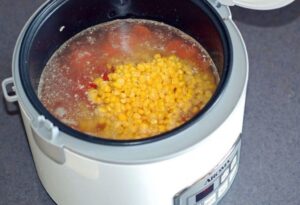
Now, let’s explore some basic recipes that are easy to prepare in a rice cooker. These recipes demonstrate the versatility of the appliance and allow you to experiment with different flavors and ingredients. You can customize each recipe to your preferences. The key is to start with simple recipes and slowly add complexity. These simple soup recipes will assist you when you want to learn how to make soup in rice cooker.
Classic Chicken Noodle Soup
Chicken noodle soup is a comforting classic that’s perfect for a rice cooker. The gentle heat helps the flavors meld together beautifully. This recipe is a great starter for anyone new to making soup. It is also an excellent option if you’re not feeling well. You can even adjust the ingredients to your liking. The simplicity of this recipe makes it an approachable option to start with. Let’s explore how to prepare a delicious and comforting chicken noodle soup.
- Prep the Chicken and Vegetables: Chop one pound of cooked chicken into bite-sized pieces. Dice one onion, two carrots, and two celery stalks.
- Add Ingredients to the Rice Cooker: Place the chicken, vegetables, and eight cups of chicken broth in the rice cooker.
- Season and Cook: Add salt, pepper, and your favorite herbs. Select the “cook” setting and cook until the vegetables are tender, about 1-2 hours.
- Add Noodles: After the vegetables are tender, add one cup of egg noodles. Cook for another 15-20 minutes, or until the noodles are soft.
- Serve and Enjoy: Stir, taste, and adjust seasonings as needed. Serve hot.
If you’re using raw chicken, you should sear it lightly before adding it to the cooker. This adds more flavor. Consider adding some cooked rice for more thickness. Chicken noodle soup is a versatile recipe that’s easily adjustable to taste. Remember to let your chicken cool before you chop it for the soup.
Vegetable Soup for the Win
Vegetable soup is a nutritious and flexible recipe for your rice cooker. It’s a great way to use up leftover vegetables in your refrigerator. This recipe is both flavorful and healthy, and you can easily change the vegetables used based on what’s available. You can add more spices to make the soup even more robust. This recipe provides a basic framework to help you experiment with different vegetable combinations. Try this delicious vegetarian option when you want to discover how to make soup in rice cooker.
- Vegetable Selection: Use a variety of vegetables for added nutrients and flavors.
- Sauté Aromatics: Lightly sauté onions and garlic.
- Broth or Water: Add your favorite broth or water to your soup.
- Spice Level: Feel free to experiment with spices and herbs.
- Serve: Serve with a side of crusty bread.
Experiment with different types of vegetables. Carrots, celery, and onions are a classic base. Spinach or kale adds nutrients. Don’t add quick-cooking vegetables like spinach until the end to avoid overcooking. If you prefer a heartier soup, add beans or lentils. If you don’t use broth, be sure to use vegetable bouillon for flavor.
Troubleshooting Soup in a Rice Cooker
Cooking with a rice cooker is generally easy, but occasionally, you may face problems. It’s important to understand these issues and how to resolve them to improve your cooking results. Common problems range from undercooked ingredients to soups that are too thick or too thin. Being ready to troubleshoot can help ensure that your soups always turn out perfectly. It will also help you when you want to learn how to make soup in rice cooker.
Dealing with Common Issues
Sometimes, your soup may have issues that need addressing. For instance, the soup might be too thick, which can be fixed by adding more broth or water. If it’s too thin, you can simmer it longer to reduce the liquid. Undercooked vegetables are resolved by extending the cooking time. Understanding these common problems will help you prevent them. Consider experimenting with the recipe a few times until you understand what adjustments you need to make.
- Soup Too Thick: Add more broth or water.
- Soup Too Thin: Simmer longer to reduce liquid.
- Undercooked Vegetables: Increase the cooking time.
- Overcooked Noodles: Add noodles near the end.
- Flavor Lacking: Add more spices.
If the soup is too salty, dilute it with more water or broth. If the noodles are mushy, they may have been added too soon or cooked for too long. Adjust seasoning during the cooking process to ensure the best flavor. Start with less and add more if needed. Overcooked vegetables often become mushy. Avoid using the “keep warm” setting for prolonged periods, as it may negatively impact texture.
Adjusting Consistency and Flavor
Adjusting the consistency and flavor of your soup is crucial to achieving the best possible results. The consistency of your soup affects the overall texture, while the flavor dictates how tasty it is. Adding more broth can make the soup thinner, while simmering longer helps reduce the liquid, making it thicker. Adjusting the spices and herbs is key to enhancing the flavor. Remember that you can always adjust both consistency and flavor. This means you have ultimate control over the final product when you’re learning how to make soup in rice cooker.
To thicken the soup, add a slurry of cornstarch and water. Adding a small amount of heavy cream at the end will add creaminess and flavor. Add fresh herbs for an aromatic boost. Adding salt at the end allows you to control the level of saltiness. Taste your soup throughout the cooking process. Adding a squeeze of lemon juice or a dash of vinegar can enhance flavors. Feel free to be creative, as experimentation is the heart of cooking!
Best Practices and Tips
To improve your soup-making results, consider some best practices. By following these, you can create delicious and consistent soups. These tips will help you avoid common mistakes and perfect your recipes. These are also helpful if you are learning how to make soup in rice cooker.
Enhancing Flavors and Textures
To enhance the flavor, use high-quality ingredients, and add fresh herbs. If you want to increase the texture, add the starch at the end of the cooking process. Consider using various cooking techniques. Lightly sautéing the aromatics before adding them to the cooker, for example, will increase the depth of flavor. Think about adding a dollop of sour cream or yogurt to the finished soup. You can also experiment with different toppings. These tips are invaluable for improving your overall cooking.
- Sauté Aromatics: Sauté onions, garlic, and celery before adding liquid to enhance flavor.
- Use Fresh Herbs: Add fresh herbs at the end of cooking for a vibrant flavor.
- Add Texture: Incorporate ingredients like beans or lentils.
- Balance Flavors: Adjust salt and acid.
- Garnish and Serve: Add garnishes like fresh parsley, a drizzle of olive oil, or a squeeze of lemon.
To maximize the flavor, avoid overcooking ingredients. Incorporate texture by adding toppings like croutons, crispy bacon, or a swirl of pesto. Serve the soup hot. When using beans or lentils, rinse them before adding them to the cooker to remove any excess starch. Adding a pinch of red pepper flakes will give your soup a little kick. Experiment with different spices to discover flavor combinations that you enjoy.
Rice Cooker Maintenance and Care
Caring for your rice cooker is important to extend its lifespan and maintain its efficiency. Regular cleaning is crucial. Always unplug the rice cooker and allow it to cool before cleaning. Always refer to your rice cooker’s manual for specific care instructions. Properly maintaining your rice cooker ensures its longevity and helps your soups to taste better. This helps ensure that the appliance is ready to be used to discover how to make soup in rice cooker.
- Cleaning: Clean the inner pot, lid, and exterior after each use.
- Non-Stick Coating: Avoid using abrasive cleaners on the non-stick coating.
- Storage: Store the rice cooker in a dry place.
- Regular Inspection: Periodically inspect the power cord.
- Handle with Care: Be gentle to extend the appliance’s lifespan.
Wash the inner pot with warm, soapy water and a soft sponge. Don’t place the rice cooker’s base in water; instead, wipe it down. Replace the inner pot if the non-stick coating gets damaged. If your rice cooker has a steam vent, make sure to clean it. Properly storing your appliance helps protect it from damage and keeps it in good condition. Be sure to check your appliance before you cook to ensure that it’s working properly.
Frequently Asked Questions
Question: Can I use frozen vegetables in the rice cooker?
Answer: Yes, you can use frozen vegetables. Simply add them to the rice cooker along with the other ingredients. You might need to adjust the cooking time slightly, as frozen vegetables can release more water.
Question: What if my soup boils over in the rice cooker?
Answer: To prevent boil-over, don’t overfill the rice cooker. Also, keep an eye on the soup and adjust the cooking time if necessary. If the soup starts to boil too vigorously, open the lid briefly to release some steam.
Question: Can I cook meat in the rice cooker?
Answer: Yes, you can cook meat in the rice cooker, but it’s best to pre-cook tougher meats like chicken or beef. You can cook ground meat directly in the rice cooker.
Question: Is it safe to leave the rice cooker on “warm” for an extended period?
Answer: It’s generally safe to leave the rice cooker on “warm” for several hours, but the food’s quality may decrease. Also, if you plan to keep the soup warm, be sure to use it within 4 hours.
Question: How do I store leftover soup made in a rice cooker?
Answer: Let the soup cool completely before storing it in an airtight container in the refrigerator. Soup can usually be kept for 3-4 days.
Final Thoughts
Cooking soup in a rice cooker offers a simple and convenient method for preparing homemade meals. From classic chicken noodle to vibrant vegetable soups, the rice cooker’s gentle heat ensures that flavors meld together. By understanding basic techniques, selecting the right ingredients, and troubleshooting potential issues, anyone can create delicious soups. Experimenting with different recipes and flavors will boost your cooking skills. Enjoy the process and the tasty results, and feel free to explore variations!

I’m Emma J. Caldwell, the founder, lead writer, and home-cooking enthusiast behind KitchenGuideCo.com. With a background in culinary arts and over a decade of cooking experience in both professional and personal kitchens, I created this platform to demystify recipes, offer smart kitchen gadget reviews, and guide readers through meal prep with confidence and clarity.