Figuring out how to use a rice cooker as a steamer is something many people wonder about, especially if they’re new to cooking. It might seem tricky at first, but don’t worry! This is a simple trick that can save you time and clean-up. You’ll soon see how easy it is to steam vegetables, fish, or even dumplings in your rice cooker. Let’s explore everything you need to know, breaking down the process step-by-step.
What You Can Steam in a Rice Cooker
A rice cooker isn’t just for perfect rice. It’s a versatile appliance that can easily handle steaming various foods. Steaming is a great method for retaining nutrients and flavors, making your meals healthier and tastier. This method is perfect for busy individuals and families. By adapting your appliance, you can effortlessly incorporate healthier eating habits into your routine.
Vegetables for Steaming
Almost any vegetable can be steamed in a rice cooker. Think about broccoli, carrots, green beans, asparagus, and even leafy greens like spinach. Cut your veggies into bite-sized pieces for even cooking. The rice cooker’s gentle heat will cook the vegetables without overcooking them, preserving their bright colors and crisp textures. Steaming also keeps the vitamins and minerals inside the vegetables, making them even better for you.
- Broccoli: Cut into florets, steam for 5-7 minutes.
- Carrots: Sliced or chopped, steam for 8-10 minutes.
- Green Beans: Trimmed, steam for 6-8 minutes.
- Asparagus: Trimmed, steam for 4-6 minutes.
- Spinach: Add towards the end; steam for 1-2 minutes until wilted.
Steaming vegetables in your rice cooker is simple and adds a healthy side dish to any meal. This method preserves nutrients, offering a better taste experience than boiling or frying.
Steaming Proteins
Proteins like fish and chicken also work well. Fish fillets, especially delicate ones like cod or salmon, cook up beautifully, staying moist and flaky. Chicken breasts or tenders can also be steamed, but might take a bit longer. When steaming proteins, make sure they are fully cooked. Using a meat thermometer is recommended to check the internal temperature, ensuring safety. Steaming proteins results in a lighter, healthier meal option.
- Fish fillets: Steam for 8-12 minutes, depending on thickness.
- Chicken breasts: Steam for 15-20 minutes, or until cooked through.
- Tofu: Press the excess water out first, steam for 10-12 minutes.
Steaming proteins provides a different texture compared to frying or baking, providing a healthy alternative. This method is also simple and doesn’t require extra fat, making it an excellent option for health-conscious individuals.
Other Steaming Ideas
The rice cooker’s versatility goes beyond vegetables and proteins. You can steam dumplings, buns, or even reheat leftovers. Dumplings come out perfectly soft and tender. Reheating food in a steamer can restore the original moisture, which is a big benefit compared to the microwave. Experimenting with different foods allows you to create a range of easy, healthy meals.
- Dumplings: Steam for 10-15 minutes, depending on the filling.
- Buns: Steam for 5-7 minutes until heated through.
- Leftovers: Steam to reheat without drying out.
These diverse applications make the rice cooker a handy tool in the kitchen. Experimentation can lead to a quick, delicious meal, changing your cooking style completely.
Steps on How to Use a Rice Cooker as Steamer
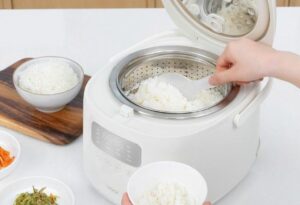
The process of how to use a rice cooker as a steamer is easy. You’ll need just a few simple things to get started. By following these steps, you’ll be well on your way to enjoying delicious steamed meals. The steps are simple, requiring no special kitchen skills.
Preparing Your Rice Cooker
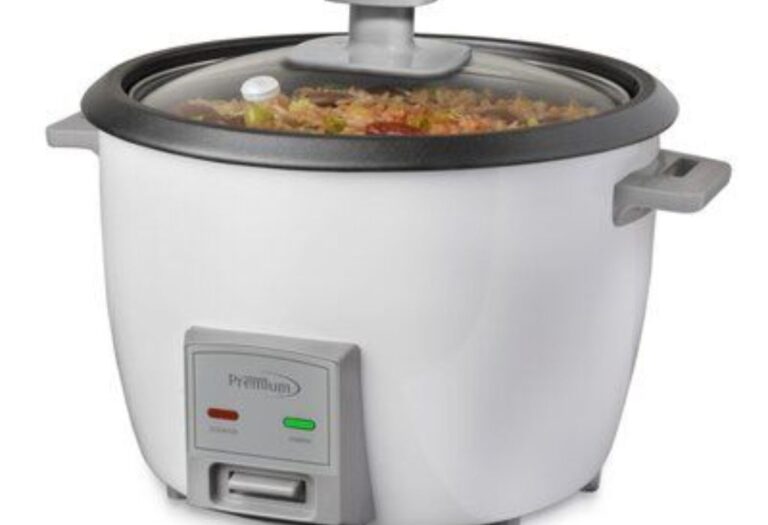
Before you begin, always make sure your rice cooker is clean. Add the proper amount of water to the bottom of the cooker, which is typically about 1-2 cups. Place the steaming basket or a heat-resistant bowl inside. If you don’t have a basket, you can use a heat-safe plate or bowl. These steps set up the environment for steaming, ensuring even cooking.
Important: Always use a heat-resistant bowl. Metal or glass bowls are ideal, while plastic is often unsuitable for high heat and could melt. Never overfill the water, or the food will become soggy or the cooker will not work.
Adding Food to the Cooker
Once you are set up, arrange your food in the steamer basket or bowl. Make sure not to overcrowd the container to ensure food cooks evenly. Overcrowding can lead to uneven cooking results. Once the food is placed, close the lid. This seals in the steam and creates an environment for the cooking process.
Steaming Times and Settings
Most rice cookers have a “cook” or “steam” setting. Select the appropriate setting. If your cooker doesn’t have a specific steam setting, the “cook” setting will work. Cooking times vary depending on the food type and desired doneness. Check your food periodically, especially the first time you steam a new item. Use a fork or thermometer to make sure the food is cooked to your liking.
Example Steaming Times:
- Vegetables: 5-15 minutes, depending on the vegetable type.
- Fish fillets: 8-12 minutes.
- Chicken breasts: 15-20 minutes.
Important Safety Tips for Steaming
Be careful when opening the rice cooker, as hot steam will escape. Use oven mitts or a towel to protect your hands. Always unplug the rice cooker after use. Clean the rice cooker thoroughly after each use, removing any food residue and moisture. Make sure your rice cooker is in good working condition before you start the steaming process.
Tips for Better Steaming Results
For the best results when how to use a rice cooker as a steamer, there are a few extra tips that make all the difference. These tips will help you create better meals with the equipment you already have.
Water Levels and Techniques
The right amount of water is key to good steaming. Use enough water to create steam, but not so much that it boils over. If you’re steaming for a longer period, you might need to check the water level and add more. Adding herbs or spices to the water can infuse the steam with flavor, adding another layer to your food. A simple lemon slice can do wonders for fish.
Seasoning and Flavoring Ideas
Seasoning the food before steaming can create great results. Adding salt, pepper, or other herbs and spices enhances the flavor of your dish. You can also marinate proteins before steaming for extra taste. A little soy sauce, ginger, or garlic can add great flavor. Consider using a spice blend, adding a specific, special flavor for your recipe.
Flavoring Ideas:
- Lemon and Herbs: Perfect for fish and vegetables.
- Garlic and Ginger: Great for chicken and Asian-inspired dishes.
- Spicy Rubs: Ideal for chicken and tofu.
Dealing With Food Sticking
Some foods might stick to the steaming basket or bowl. To avoid this, you can lightly oil the basket or bowl before adding your food. You can also use parchment paper or aluminum foil as a barrier. Make sure any paper is secured so it does not interfere with the cooker’s operation. This simple step can prevent food from sticking and makes cleanup much easier.
Advanced Techniques and Variations
Once you’ve mastered the basics of how to use a rice cooker as a steamer, you can explore more advanced methods. Experimenting with these techniques will allow you to make more complex meals, adding versatility to your cooking.
Creating Complete Meals
One of the best benefits of a rice cooker is the ability to cook an entire meal at once. You can steam vegetables on the top level while cooking rice in the bottom. This method saves time and reduces the number of dishes you need to wash. This is especially useful for anyone with a busy lifestyle.
Sample Scenario:
- Place rice and water in the bottom of the rice cooker.
- Place a steaming basket on top with vegetables.
- Steam for the time required for both rice and vegetables to cook.
Flavor Infusion Techniques
Add flavor to your steaming water. This is an easy way to elevate your cooking. Add herbs, spices, or even citrus peels to the water before steaming. As the food cooks, it absorbs these flavors. The results can add depth to the final product.
- Herbs: Thyme, rosemary, or parsley.
- Spices: Star anise, cinnamon sticks, or peppercorns.
- Citrus: Lemon or orange peels.
Troubleshooting Common Issues
Sometimes, things don’t go perfectly. If the food isn’t cooking evenly, try rearranging it in the basket. If the food is dry, you might need to add a bit more water. If the cooker shuts off too soon, check your water levels. Common issues have easy solutions to help you get great results every time.
Steaming vs. Other Cooking Methods
Steaming offers several advantages over other cooking methods like boiling or frying. These differences make it a great option for people who want to cook healthier and retain nutrients.
Nutritional Benefits
Steaming helps retain more nutrients in your food than boiling. When boiling, nutrients can leach into the water and be lost. Steaming keeps the food out of direct contact with the water, preserving vitamins and minerals. The lower cooking temperature also helps preserve the nutrients that are easily broken down by heat. For example, studies have shown that steaming broccoli can retain up to 90% of its vitamin C content, while boiling can reduce it by almost half.
| Cooking Method | Nutrient Retention |
|---|---|
| Steaming | High (e.g., Vitamin C) |
| Boiling | Moderate (some nutrients lost to water) |
| Frying | Can degrade nutrients; may add unhealthy fats |
Texture and Flavor Differences
Steaming often results in a better texture and flavor. Steamed food is often more tender and succulent than boiled food, while maintaining a slight bite. Since no oils are added, steaming allows the natural flavors of the food to shine. This method gives a delicate taste experience.
Comparison to Boiling, Frying, and Baking
Compared to other methods, steaming is often healthier. Frying adds extra fats and calories, while baking can sometimes dry out the food. Boiling can deplete nutrients. Steaming maintains the natural integrity of your food. Steaming requires no added fats, making it a great option for people who prioritize healthy eating. Steaming is also generally faster than baking and can be as quick as frying, making it perfect for busy cooks.
Frequently Asked Questions
Question: Can I steam frozen vegetables in a rice cooker?
Answer: Yes, you can steam frozen vegetables. Just add a few extra minutes to the steaming time.
Question: Do I need a special steaming basket for my rice cooker?
Answer: No, you can use any heat-safe bowl or plate as a substitute if your cooker does not come with a basket.
Question: Can I steam meat in a rice cooker?
Answer: Yes, you can steam meat like fish and chicken. Ensure the meat is fully cooked before eating.
Question: How much water should I use for steaming?
Answer: Typically, 1-2 cups of water is enough, but check your rice cooker’s instructions.
Question: Can I steam rice and vegetables at the same time?
Answer: Yes, you can cook rice in the bottom and steam vegetables on top simultaneously.
Final Thoughts
Learning how to use a rice cooker as a steamer is a fantastic skill that can elevate your cooking, offering a simple way to create healthy and tasty meals. It is a simple process that unlocks a world of culinary possibilities. From quick vegetable sides to light and healthy proteins, the rice cooker’s ability to steam makes meal preparation easy. Try this method to keep your food’s flavor and nutrients, while reducing the amount of fat in your food. By following the tips and techniques mentioned, you can make tasty, healthy meals in a short amount of time. So, explore your kitchen and transform your rice cooker into a versatile tool, enabling healthier habits and simplifying mealtimes.

I’m Emma J. Caldwell, the founder, lead writer, and home-cooking enthusiast behind KitchenGuideCo.com. With a background in culinary arts and over a decade of cooking experience in both professional and personal kitchens, I created this platform to demystify recipes, offer smart kitchen gadget reviews, and guide readers through meal prep with confidence and clarity.