Figuring out how to reheat rice in rice cooker can be tricky, especially when you’re just starting to cook. Leftover rice can sometimes get dry, clumpy, or just plain unappetizing. But don’t worry! This is a common problem, and we’ll show you a super easy way to get perfectly fluffy, warm rice every time. We’ll explore step-by-step instructions that anyone can follow, ensuring you have delicious rice ready in minutes. Let’s get started!
What You’ll Need to Reheat Rice
Before you begin, gather your essentials. Reheating rice effectively requires just a few basic items. These simple tools will help ensure your rice comes out perfect. Using the right tools makes the entire process so much easier, and you’ll soon be enjoying delicious rice.
Essential Tools
-
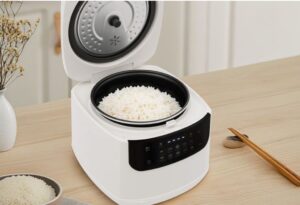
- Rice Cooker: Obviously, this is the star of the show! Make sure your rice cooker is clean and ready. Even if you don’t have an expensive model, most rice cookers work the same way.
Your rice cooker is essentially a heating element with a thermostat. When the internal temperature reaches the boiling point of water (212°F or 100°C), the machine switches to a warming mode, preventing the rice from burning. This simple design allows for easy reheating, making it a great option compared to other methods that might dry the rice out.
-
- Water: Fresh, clean water is critical. This helps rehydrate the rice and prevents it from drying out further. A little water goes a long way.
The amount of water needed depends on how much rice you’re reheating and how dry it is. Adding too much can make the rice mushy. It’s always better to start with a little and add more if needed. Water also helps distribute the heat evenly.
-
- Rice: The leftover rice you want to reheat! This could be white rice, brown rice, or any other type.
The type of rice slightly affects how it reheats. Brown rice, for example, might require a bit more water than white rice because it tends to absorb more. The key is to adjust the water quantity based on your specific type of rice and the original cooking method.
Optional Items
-
- Spoon or Spatula: For gently fluffing the rice. A non-stick spatula is ideal.
Use this tool carefully to avoid damaging the rice grains. Gently fluffing helps to aerate the rice, releasing steam and ensuring even heating. Avoid pressing or mashing the rice.
-
- Lid: It is important to keep the lid on to trap moisture. Most rice cookers have a built-in lid.
The lid prevents steam from escaping, which is important for reheating the rice. The trapped steam rehydrates the rice grains, preventing them from drying out. A properly fitted lid guarantees optimal results.
-
- Optional Add-ins: A splash of oil or a small pat of butter can add flavor and prevent sticking.
Fats like oil or butter can create a barrier, which keeps the rice from sticking to the rice cooker. They also add flavor. Keep in mind that these are optional, and don’t dramatically affect the reheating process.
Step-by-Step Guide to Reheating Rice in a Rice Cooker
Now, let’s explore the process of reheating rice. Follow these easy steps to get your rice ready to eat. These steps will guide you through the process, making it simple and straightforward. You’ll soon be enjoying hot, fluffy rice.
Step 1: Prep the Rice
Start by assessing your leftover rice. Notice how dry it is, or if it has any clumps. This step sets the stage for success.
-
- Assess the Rice: Check the rice for dryness and clumping.
If the rice is very dry, you will need a bit more water. If it’s already fairly moist, you can use less. Any large clumps should be broken up gently. Breaking up clumps prevents uneven heating.
-
- Measure the Rice: Determine how much rice you want to reheat.
The amount you reheat may vary. Whether you have a small portion or a larger amount, the basic process stays the same. The ratio of rice to water will depend on the quantity of rice you’re working with.
-
- Consider Additions: Decide if you want to add any butter or oil.
A small amount of oil or butter can add flavor and help prevent sticking, as mentioned earlier. It is a matter of personal preference. Add these before the water for even distribution.
Step 2: Add Water
Adding the right amount of water is key to getting the texture right. This ensures the rice doesn’t dry out. Careful measuring prevents mushy or dry results. It is important to find the sweet spot.
-
- Add Water to the Rice: Pour a small amount of water over the rice.
A tablespoon or two per cup of rice is usually enough. Start with less, and add more if needed. Too much water will make it mushy. Aim for even distribution.
-
- Evenly Distribute the Water: Make sure the water covers all of the rice.
This step ensures that the rice is rehydrated uniformly. Gently stir the rice to help distribute the water. The water will create steam.
-
- Avoid Overwatering: Don’t add too much water initially.
It is better to add a little water, reheat, and then add more if needed. Overwatering will leave you with mushy rice. Remember that the goal is to rehydrate, not to cook.
Step 3: Reheat in the Rice Cooker
Now comes the easy part: reheating the rice! This involves putting the rice back in the rice cooker. The machine does the work.
-
- Place Rice in Cooker: Transfer the prepared rice into the rice cooker.
Ensure that the rice is spread evenly across the bottom of the cooker. This guarantees uniform heating. This is the last step before you turn the machine on.
-
- Turn On the Rice Cooker: Press the “cook” or “warm” button.
Most rice cookers have a “warm” setting, which is perfect for reheating. The cook cycle will likely be short, as the rice is already cooked. The warmth will slowly restore the moisture.
-
- Monitor the Reheating: Check the rice after a few minutes.
Depending on the amount of rice and the rice cooker, the reheating time may vary. Keep an eye on the rice to prevent it from drying out. A few minutes should be sufficient to reheat it completely.
Step 4: Fluff and Serve
The final steps involve checking the rice and getting it ready to eat. Gently fluffing and serving are all that’s left.
-
- Fluff the Rice: Use a spoon or spatula to fluff the rice.
Gently separating the grains allows steam to escape and prevents the rice from becoming sticky. Use a gentle touch. This step enhances the texture and makes it more enjoyable.
-
- Check for Dryness: If the rice is still dry, add a tiny bit more water.
If the rice feels dry or the grains haven’t softened, a teaspoon or two of water might be all it needs. It will quickly absorb the extra moisture. Do not add too much.
-
- Serve and Enjoy: Serve immediately and enjoy the perfectly reheated rice!
Serve immediately. The rice is best enjoyed while it’s still hot. The entire process shouldn’t take more than a few minutes.
Understanding Rice Cooker Basics
To use a rice cooker effectively, it helps to understand how it works. Knowing these things can improve your experience and success when you want to know how to reheat rice in rice cooker.
How Rice Cookers Work
Rice cookers utilize a straightforward system to cook rice perfectly. Their simple designs make them easy to use. The basic mechanism involves a heating element and a thermostat. This is a very reliable appliance.
-
- Heating Element: This element sits at the bottom of the cooker and provides heat.
The heating element is the heart of the rice cooker. It transfers heat to the inner pot, which in turn heats the rice and water. The element is usually an electrical resistor.
-
- Thermostat: This device senses the temperature inside the cooker.
The thermostat is critical for controlling the cooking process. It monitors the temperature to ensure the rice is cooked correctly and to prevent burning. It’s usually a bimetallic strip.
-
- “Cook” and “Warm” Settings: Most cookers have these basic settings.
The “cook” setting heats the rice to a high temperature, typically around 212°F (100°C), which is the boiling point of water. Once the water is absorbed, the thermostat senses the rise in temperature and switches to the “warm” setting. This keeps the rice at a safe temperature.
Rice Cooker Advantages for Reheating
Reheating rice in a rice cooker offers numerous advantages. It’s a method that is simple. There are several clear benefits when you use a rice cooker to reheat rice.
-
- Gentle and Even Heating: Rice cookers heat rice evenly, preventing hot spots and burning.
The consistent, gentle heat distribution is key. This avoids both dry spots and overcooked sections. The result is rice that is warm throughout.
-
- Moisture Control: The lid traps steam, keeping the rice from drying out.
The lid is the key element in retaining the moisture, which is especially important for reheating. Rehydrating the rice prevents it from becoming dry or hard. This is why rice cookers are so effective.
-
- Convenience: It’s a hands-off process. You just set it and forget it!
The ease of use is a major advantage. You don’t need to constantly monitor the rice. It’s a convenient solution for busy individuals.
Other Reheating Options
There are some alternative ways to reheat rice, but the rice cooker is often the best choice for retaining moisture. Other methods include microwaving, steaming, or pan-frying. Each one has its pros and cons.
-
- Microwave: Quick, but can dry out rice.
The microwave is the fastest option. However, without proper precautions (like adding water and covering the rice), the rice can quickly become dry and hard. A damp paper towel helps.
-
- Stovetop Steaming: Can be effective, but requires more attention.
This method involves steaming the rice in a pot with a small amount of water. It prevents drying, but requires monitoring to prevent burning. You need to keep an eye on the water level.
-
- Pan-Frying: Good for adding texture, but less ideal for reheating.
Pan-frying can give the rice a nice crisp texture, but it’s not ideal if you want it soft and fluffy. It is better used for rice that will become fried rice. This may also require oil.
Common Mistakes to Avoid
When you learn how to reheat rice in rice cooker, knowing common mistakes is important. Avoiding them ensures success. Pay attention to these common errors to ensure the best results.
Adding Too Much Water
Adding too much water is one of the biggest mistakes. This leads to mushy rice. Remember that you’re rehydrating, not cooking.
-
- Consequence: Mushy or overly sticky rice.
Too much water can cause the rice to absorb excessive moisture. This can make it unappetizing. It loses its texture and becomes a sticky mass.
-
- Prevention: Start with a small amount of water.
It is better to add a little water initially and check the rice. Then add more as needed. You can use a teaspoon or two per cup of rice as a starting point.
-
- Solution: If you add too much, try fluffing the rice to release moisture.
If the rice becomes mushy, fluffing it can help. The steam released can make it less sticky. If it is still too wet, you can try reheating it for a few minutes with the lid open.
Not Adding Enough Water
On the other hand, not adding enough water can make the rice dry. The key is to find the right balance.
-
- Consequence: Dry and hard rice.
The rice can become hard and unappetizing. It can also lose its flavor if it dries out. Dryness prevents the enjoyable, fluffy texture.
-
- Prevention: Add a small amount of water.
Start with a teaspoon or two per cup of rice. The rice should have enough water to absorb and rehydrate. Then, assess the results.
-
- Solution: Add a teaspoon of water at a time and reheat.
If the rice is too dry, add a small amount of water. Stir gently and allow the rice to reheat. You can add a small amount of butter or oil for better flavor.
Overheating or Overcooking
Leaving the rice in the rice cooker for too long is another common mistake. This can dry out the rice. Timing is everything.
-
- Consequence: Dry, burnt, or overly sticky rice.
Overheating can cause the rice to lose moisture and become dry. The rice can also stick to the bottom of the pot. Sometimes, it can start to burn.
-
- Prevention: Monitor the rice and reheat only for a few minutes.
Reheating time varies, so monitor your rice. It depends on the amount of rice and the settings of your rice cooker. Do not leave the rice for too long.
-
- Solution: Remove the rice as soon as it’s warm throughout.
Once the rice is warm, turn off the rice cooker. Then fluff the rice with a spoon or spatula. Serve the rice immediately to enjoy its flavor and texture.
Rice Storage and Safety
Proper storage is important to ensuring both safety and taste. Learning these steps will make sure you have delicious rice.
Storing Leftover Rice
-
- Cooling the Rice: Cool the rice quickly after cooking.
Do not leave the rice at room temperature for more than an hour. The rapid cooling helps prevent bacterial growth. Place the rice in a shallow container.
-
- Storing in an Airtight Container: Place the cooled rice in an airtight container.
Using an airtight container helps preserve the moisture and prevents contamination. This also keeps the rice from drying out. Make sure it is completely sealed.
-
- Refrigeration: Refrigerate the rice within one hour of cooking.
Refrigeration slows down bacterial growth. Rice is best stored in the refrigerator, where it can last for several days. Store the rice in the lower part of the refrigerator.
Food Safety Tips
-
- Don’t Leave at Room Temperature: Never leave cooked rice at room temperature for extended periods.
Cooked rice can contain bacteria that can multiply rapidly at room temperature. The longer the rice sits out, the greater the risk of food poisoning. Make sure to refrigerate it quickly.
-
- Reheat Thoroughly: Always reheat rice until it’s steaming hot.
Ensure that the rice is heated to a high enough temperature to kill any bacteria that might have grown. This usually means steaming hot. If reheating in a microwave, make sure it is thoroughly heated.
-
- Discard Rice if Uncertain: If you are unsure about the storage conditions, discard the rice.
If the rice smells strange or has a slimy texture, throw it away. When in doubt, it is best to err on the side of caution. Food safety always comes first.
Alternative Reheating Methods Compared
While the rice cooker is great, it’s useful to know about other methods. Each method has pros and cons.
Microwave Reheating
-
- Pros: Fast and convenient.
The microwave is the fastest reheating method. This is perfect for when you need a quick meal. It requires very little prep.
-
- Cons: Can dry out the rice easily.
The microwave often results in dry rice. Without added moisture and careful monitoring, the rice can become hard and less appetizing. You must be very careful.
-
- Technique: Add a tablespoon of water, cover, and microwave in short bursts.
Add the water to prevent the rice from drying out. Cover the rice with a damp paper towel. Reheat in short bursts, stirring in between, to prevent burning.
Stovetop Reheating
-
- Pros: Good for larger quantities.
You can reheat more rice on the stovetop than in a microwave. The even heating can also produce good results. It’s a reliable method when done right.
-
- Cons: Requires more attention to prevent burning.
You will need to keep a close eye on the rice to prevent burning. It requires more active involvement. You may need to add more water to prevent it from burning.
-
- Technique: Add water to a pan, bring to a simmer, add rice, cover, and heat gently.
A small amount of water or broth helps. The covering creates steam to rehydrate the rice. Stir the rice gently to make sure it doesn’t stick to the bottom of the pan.
Oven Reheating
-
- Pros: Can heat large quantities evenly.
The oven is ideal for large batches of rice. It will result in even heating without drying it out. The oven also keeps the rice warm.
-
- Cons: Takes the longest and uses more energy.
The oven takes the most time and energy. It will take longer than the other methods. You will need to make sure the rice does not dry out during the process.
-
- Technique: Place rice in a baking dish, add water or broth, cover, and bake at a low temperature.
The dish creates moisture and prevents drying. Use a low temperature (around 300°F or 150°C). Reheat the rice until it is steaming and warmed through.
Frequently Asked Questions
Question: How long does it take to reheat rice in a rice cooker?
Answer: Usually, it takes only 5-10 minutes to reheat rice in a rice cooker, depending on the amount of rice and your cooker’s settings.
Question: Can I reheat rice more than once?
Answer: Yes, you can reheat rice more than once. Just be sure to store it properly in the refrigerator between reheating sessions and reheat it thoroughly each time.
Question: Should I add anything to the rice besides water?
Answer: You can add a tiny bit of butter or oil for added flavor and to prevent the rice from sticking, but it’s not required.
Question: My rice is too dry after reheating. What can I do?
Answer: If your rice is too dry, add a tablespoon of water and let it reheat for a few more minutes, fluffing it gently.
Question: Can I use any type of rice in a rice cooker to reheat?
Answer: Yes, you can use any type of rice in a rice cooker to reheat. However, the amount of water needed might vary based on the type of rice.
Final Thoughts
Mastering how to reheat rice in rice cooker is a helpful skill. By following these easy steps and taking the time to understand the process, you can ensure that you’re able to always have hot, delicious rice. Remember to start with a little water, and add more as needed. Always fluff the rice gently to redistribute the moisture. Reheating rice in a rice cooker is a simple process that will improve your life. Get ready to enjoy perfectly reheated rice, every time. You can now easily avoid the common pitfalls and prepare rice. With a little practice, you’ll become an expert in no time.

I’m Emma J. Caldwell, the founder, lead writer, and home-cooking enthusiast behind KitchenGuideCo.com. With a background in culinary arts and over a decade of cooking experience in both professional and personal kitchens, I created this platform to demystify recipes, offer smart kitchen gadget reviews, and guide readers through meal prep with confidence and clarity.