Cooking rice can seem easy, but it’s common to mess it up, especially for people new to the kitchen. Have you ever ended up with crunchy, hard rice instead of fluffy, perfect grains? You’re not alone! Getting the right water-to-rice ratio and cooking time can be tricky. This guide will show you how to prevent hard rice in a rice cooker, step by step, so you can enjoy delicious rice every time. Let’s explore how to make perfect rice easily.
Avoiding Stiff Grains: Water and Rice Ratios
The secret to perfectly cooked rice starts with the correct ratio of water to rice. Using too little water leads to hard, undercooked grains, while too much water results in mushy rice. Finding the right balance is like finding the sweet spot for any recipe, and it’s essential for achieving that ideal texture and taste. This section will explore the basic ratios, and how to adjust them for different types of rice. It will highlight the importance of measuring ingredients accurately and provide some quick tips for success. Getting the water-to-rice ratio right is the foundation of delicious rice, so let’s get started.
Measuring Techniques for Optimal Results
Precise measurement is the foundation of preventing hard rice. Using the right tools and techniques can make a big difference in the final product. It’s often recommended to measure rice and water with the same cup, usually the one that came with your rice cooker. This ensures consistency and accuracy. Always level off the measuring cup to avoid inaccuracies. Furthermore, keep the cup level when pouring rice or water; this prevents spills and keeps the measurements accurate.
-
- Use the Rice Cooker Cup: The cup that comes with your rice cooker is typically the best tool. It is often calibrated specifically for the cooker. Using a standard measuring cup instead may lead to slightly different results.
Rice cooker cups are usually a bit smaller than a standard measuring cup, so using a standard cup would require you to use more water, or the rice will come out hard.
-
- Level Off Your Measurements: Make sure to level off your rice when measuring. Use a knife or a straight edge to remove any excess rice from the top of the cup. Similarly, when measuring water, make sure you’re at the correct line.
When you measure without leveling, you might add too much rice, which requires more water and can lead to uneven cooking. This also applies when pouring water.
-
- Consider the Rice Type: Different types of rice require different water ratios. For white rice, the general ratio is 1:1, but some rice cookers have special measurements. For brown rice, you will typically need a bit more water.
Different types of rice also absorb water differently. Consider these factors when adding water. This can lead to hard rice if you do not account for these differences.
Rice-to-Water Ratios for Different Varieties
Different types of rice will require different water ratios to cook them properly. This is because each grain has its own unique starch content and absorbency. White rice, brown rice, and other varieties all cook differently. For example, brown rice needs more water and a longer cooking time than white rice because of its bran layer, which slows down water absorption. Knowing these differences can make all the difference in the texture. This section will guide you through the ideal ratios for some common rice types, helping you achieve perfect results every time.
-
- White Rice: A common ratio is 1 cup of rice to 1 cup of water. However, it’s always best to check the instructions on your rice packaging. The rice cooker might have measurement lines as well.
White rice generally cooks pretty quickly because it has the outer layer removed. Using too little water will result in hard, dry rice. Using too much water will lead to mushy rice.
-
- Brown Rice: Brown rice typically needs more water. A good starting point is 1 cup of brown rice to 1.25 to 1.5 cups of water. It also tends to need a longer cooking time.
The bran layer on brown rice requires extra water to soften during cooking. It will also cook for a longer amount of time. You need to account for both when using a rice cooker.
-
- Jasmine or Basmati Rice: These fragrant rice varieties often require a slightly different ratio than standard white rice. Try using a ratio of 1 cup of rice to 1.25 cups of water.
Jasmine and basmati rice have unique characteristics. They cook well with slightly more water. Following the directions will help you get the best results.
For example, imagine you are cooking brown rice. You measure 1 cup of brown rice and add 1 cup of water, but the rice remains hard after the cooking cycle. You realize that brown rice requires a higher water ratio, so you add a bit more water for the next attempt. The result is perfectly cooked brown rice.
Correct Cooker Usage and Best Practices
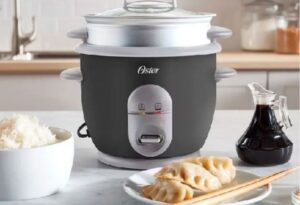
Using a rice cooker may seem simple, but mastering the basics can significantly affect the outcome of your rice. The way you use the cooker, from preparing the rice to the final serving, will play a crucial role. This section goes into the proper preparation, how to use the cooker, and what to do after it’s finished. You’ll learn how to get the most out of your appliance to get consistently good results.
Pre-Cooking Preparations
Before putting rice into your cooker, there are a few important steps to take. These steps will help ensure that you do not end up with hard rice. Rinsing the rice removes excess starch, which can cause the rice to become sticky or unevenly cooked. Soaking the rice for a short amount of time before cooking can also improve the final texture. Knowing what you need to do before pressing the “cook” button is important.
-
- Rinsing the Rice: Rinse the rice thoroughly under cold water before cooking. This removes excess starch, leading to better-textured rice. Rinse until the water runs clear.
Removing the starch helps prevent the rice from clumping together and becoming sticky. This will also help it cook more evenly.
-
- Soaking the Rice: Soaking the rice for about 30 minutes before cooking can improve the texture and reduce cooking time. This works particularly well for brown rice.
This allows the rice to absorb some water before cooking. This will also help it cook more evenly and helps with the texture. Not all types of rice need this, so check the package.
-
- Using the Right Cooker Setting: Most rice cookers have settings for different types of rice. Select the correct setting based on the rice you’re using for the best results.
Using the correct setting ensures that the cooker adjusts the cooking time and temperature. Not using the correct setting can lead to hard rice or other problems.
Operating the Rice Cooker
Operating a rice cooker is mostly easy, but it’s still important to follow the correct procedure. You will want to learn how to add the rice and water correctly, and also learn what to do when it’s done. This ensures that you get perfect rice every time. Knowing how to handle the machine at each stage can also help prevent problems like hard rice. It also ensures you don’t damage your machine.
-
- Adding Rice and Water: Place the rinsed rice into the cooker pot. Add the correct amount of water based on the ratio. Follow the instructions.
Make sure you use the right water-to-rice ratio. Also make sure the rice and water are level in the pot. It is also important to use the correct settings.
-
- Starting the Cooker: Close the lid securely and select the appropriate setting. Press the “cook” button. Most cookers automatically switch to “warm” mode once the rice is done.
When the rice is done, the cooker will typically switch to the keep-warm setting. This helps maintain the rice’s temperature. It prevents the rice from drying out.
-
- Avoiding Interruptions: Avoid opening the lid during the cooking cycle to prevent steam from escaping. This can affect the cooking process.
Opening the lid will interrupt the cooking. This can result in hard rice because the temperature and steam will not be maintained. Avoid opening the lid unless necessary.
Post-Cooking Steps
Once your rice cooker finishes, there are a few things you should do to ensure perfect rice. Allowing the rice to sit for a few minutes after cooking lets the steam redistribute, resulting in a more even texture. Fluffing the rice with a fork or rice paddle gently separates the grains. It also prevents clumping and creates a lighter texture. Following these final steps will help make sure that your rice comes out perfect every time.
-
- Letting the Rice Rest: After the cooker switches to “warm,” let the rice sit with the lid closed for about 10 minutes. This allows the steam to redistribute and finishes the cooking process.
This resting period allows the steam to redistribute throughout the rice. This will help prevent hard spots and will give you a better texture. This will make your rice more fluffy.
-
- Fluffing the Rice: After resting, fluff the rice gently with a rice paddle or a fork. This will separate the grains and release excess moisture.
Gently fluffing the rice will help to release any excess moisture and create a light, fluffy texture. This will make the rice easier to serve and enjoy.
-
- Keeping the Rice Warm: Keep the rice on the “warm” setting until ready to serve. This setting prevents the rice from drying out.
The “warm” setting keeps the rice at an ideal temperature without drying it out. This ensures it remains moist and ready to serve for a longer period of time.
Addressing Common Difficulties
Even when you follow the instructions, problems can arise. There are many reasons why you might end up with hard rice. This section will look at the most common reasons why rice gets hard in a rice cooker. It covers the adjustments you can make to avoid hard rice. You will learn how to troubleshoot and get perfect rice, even when things go wrong.
Troubleshooting Hard Rice
When you encounter hard rice, you will want to know how to fix it. This will depend on how far along the rice is in the cooking process. If you catch it early, you may be able to add more water or continue cooking. If the rice is finished, you may be able to steam it or add more moisture. The following steps can help you correct common issues to improve your rice.
-
- Assess the Situation: Is the rice just slightly hard, or completely undercooked? Has the cooking cycle finished? Consider how hard the rice is.
The extent of the problem will guide how you adjust the rice. You will want to know how hard it is to ensure the rice is safe to eat. Then you can make the correct adjustments.
-
- Add Water During Cooking: If the rice is still cooking and you notice it’s getting hard, add a little more water. Be careful not to add too much.
Adding more water can help soften the rice if it is only slightly undercooked. Add the water slowly and monitor the rice until it is done.
-
- Steam or Reheat: If the rice is done but still hard, add a tablespoon of water and steam it for a few minutes. You can also add a bit of water and reheat it in a pan.
Steaming or reheating can help to rehydrate the rice. It can soften the rice and improve the texture. It can also help if the rice is only slightly undercooked.
Overcoming Cooker Issues
Sometimes, the problem isn’t with the cooking process itself. It could be due to an issue with the cooker. Your rice cooker is a machine. As such, it might have problems. Knowing how to recognize and address these issues can help maintain the perfect results. This includes how to recognize these issues and what to do when you encounter them. Understanding these potential issues will help you resolve the problems quickly.
-
- Check the Cooker Settings: Make sure you are using the correct setting for the type of rice you are cooking. A wrong setting can cause hard rice.
If you choose the wrong setting, the cooker may cook at the wrong temperature. This can also lead to it cooking for the wrong amount of time. The rice may then be undercooked.
-
- Clean the Cooker: Make sure your rice cooker is clean. A dirty cooker can affect the heating and cooking process. This can lead to hard rice.
Food particles can interfere with the heating elements. This can lead to uneven cooking. This can result in some parts of the rice getting hard. Therefore, regular cleaning is important.
-
- Consider the Cooker’s Age: Older cookers might not perform as efficiently as newer models. The heating element might not work as well. Replace your cooker if needed.
Over time, the heating element may wear out. The cooker can lose efficiency. If your cooker is older, you may want to buy a new one. It will cook better and more evenly.
Example Scenarios and Solutions
- You’re cooking white rice, and after the cooking cycle, the rice is still hard. You realize you forgot to measure the water carefully.Solution: Add a few tablespoons of water, close the lid, and let the rice sit for about 10 minutes on the “warm” setting. Fluff the rice. Check to see if it’s still hard. If it is, consider adding a little more water and turning the cooker on for a few minutes.
- You are making brown rice, and the rice is undercooked. You followed the instructions, but the rice is still too hard. You may also realize the rice is old.Solution: Add a little extra water, then reset the rice cooker to brown rice setting for a few minutes. If it’s still not soft, you may want to discard the old rice and start again with new rice. Brown rice can get old more quickly than other types.
Frequently Asked Questions
Question: Why is my rice always hard, even when I follow the instructions?
Answer: There are a few reasons. The most common include using the wrong water-to-rice ratio, not rinsing the rice, or not selecting the correct setting on your rice cooker. Also, your cooker might need to be cleaned or replaced.
Question: Can I add extra water during the cooking cycle if my rice is too hard?
Answer: Yes, you can add a small amount of extra water if you notice your rice is getting hard. However, do so cautiously, a tablespoon at a time, and monitor the progress.
Question: Does the type of rice affect the cooking time and water ratio?
Answer: Yes, different types of rice require different cooking times and water ratios. White rice typically needs less water and time than brown rice. Always check the package instructions.
Question: How can I prevent sticky rice?
Answer: Rinsing the rice before cooking removes excess starch. This prevents stickiness. Also, avoid overcooking the rice.
Question: How do I know if my rice cooker is faulty?
Answer: If your rice is consistently hard or mushy, or if the cooker does not seem to heat properly, it might be faulty. Also, if there are noticeable changes in cooking time, this could be a problem.
Final Thoughts
Getting the perfect rice from your rice cooker is a skill that can be mastered with some practice and the right approach. Now you understand the significance of water-to-rice ratios, the importance of correct cooker usage, and the ways to handle common cooking problems. You’ve also explored the impact of different rice varieties and how to tailor your technique accordingly. The next time you’re cooking rice, remember to measure accurately, use the right settings, and avoid opening the lid. By applying these steps, you’ll be able to make delicious rice every time. With a little practice, you can eliminate hard rice from your kitchen, leaving you with perfect, fluffy grains to enjoy. So, go ahead, and start cooking!

I’m Emma J. Caldwell, the founder, lead writer, and home-cooking enthusiast behind KitchenGuideCo.com. With a background in culinary arts and over a decade of cooking experience in both professional and personal kitchens, I created this platform to demystify recipes, offer smart kitchen gadget reviews, and guide readers through meal prep with confidence and clarity.