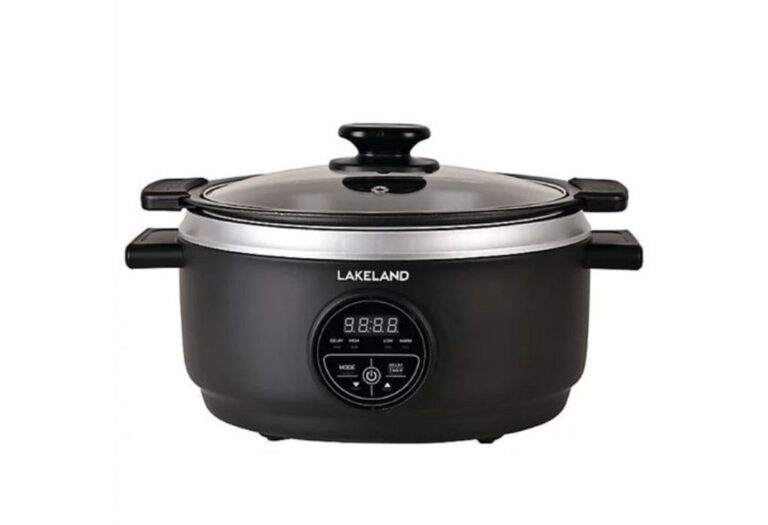
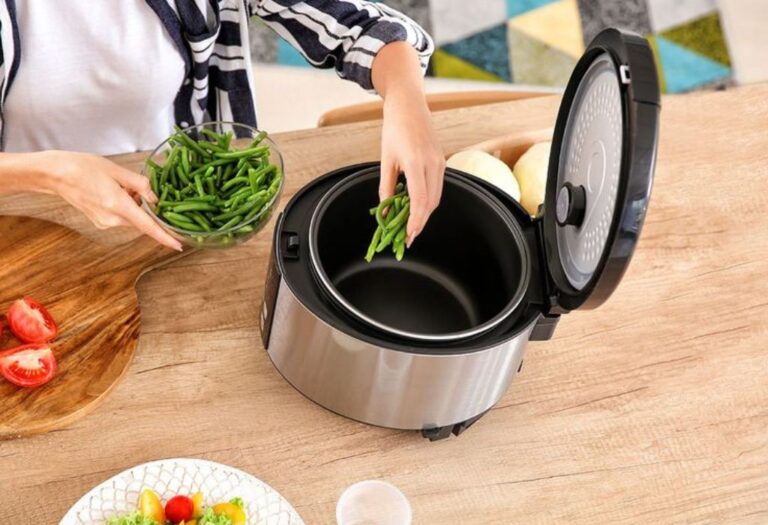
Cooking rice in a rice cooker is supposed to be easy, right? But if you’re like most beginners, you’ve probably faced the dreaded mushy rice situation. Don’t worry, it’s a common problem! Finding out how to fix mushy rice in rice cooker can save your dinner plans. This post will give you a simple, step-by-step approach to perfect rice, so you can ditch the sticky mess and enjoy fluffy grains every time. We’re about to explore the common causes and how to avoid them.
Reasons Rice Turns Mushy in a Rice Cooker
Before jumping into solutions, let’s explore why your rice cooker might be creating a sticky situation. Several factors can cause rice to become mushy. These include too much water, the wrong type of rice, or even the age of your rice. It’s often a combination of these things that leads to problems, but the good news is that understanding them is the first step to success. We’ll explore these common issues to equip you with the knowledge to make adjustments and get perfect results.
Too Much Water
The most common culprit for mushy rice is using too much water. Rice needs a specific water-to-rice ratio to cook correctly. Adding too much water allows the rice to absorb too much moisture, leading to a soft, mushy texture. Different types of rice require varying amounts of water, so it’s important to follow package instructions or experiment to find the right balance for your preferred rice type. Also, the type of rice cooker can make a difference. Some cookers automatically adjust the cooking time based on the amount of water, so it’s important to follow those instructions.
- Measuring Incorrectly: Using a measuring cup that isn’t the one provided with your rice cooker can lead to inaccurate water measurements. The cups are sized specifically for rice, so using a standard measuring cup can introduce errors. Always use the cup that came with the appliance.
- Not Following Rice-to-Water Ratios: Each type of rice has its ideal water ratio. For example, long-grain rice often needs a different ratio than short-grain varieties, or even brown rice versus white rice. Not following these specific ratios can create problems. Check the packaging or a reliable online resource for the correct ratio for your rice.
- Rice Age and Storage: Older rice tends to need more water because it’s dried out. Rice stored in a humid environment might absorb moisture and require less. Consider this when you’re preparing rice, making adjustments to the water levels accordingly.
- Altitude Adjustments: At higher altitudes, water boils at a lower temperature, which can impact cooking times and potentially require slightly more water. If you live at a higher altitude, you may need to experiment.
Incorrect Rice Type for the Rice Cooker
Not all types of rice cook the same way. Some are naturally stickier, some absorb more water, and others cook faster. Using the wrong type of rice can result in mushy or undercooked grains. You must match the rice to your chosen cooking method, and also to your preferences for texture. Understanding how the different rice types cook is important for getting it right. A rice cooker is versatile, but each kind of rice will give different results. Choosing the appropriate rice type will influence water absorption, and ultimately affect the end product’s texture.
- Sticky Rice (e.g., Sushi Rice, Arborio): These kinds of rice are intentionally higher in starch, which causes them to become sticky when cooked. If you’re using this type and aiming for less stickiness, you might need a different approach or to slightly alter the water ratio. Ensure you rinse the rice thoroughly before cooking to reduce excess starch.
- Long-Grain Rice (e.g., Basmati, Jasmine): This type of rice tends to be less sticky and more fluffy. It requires a slightly different water ratio and cooking time than other types. Ensure you use the correct ratio to prevent mushiness.
- Brown Rice: Brown rice has a bran layer that takes longer to cook and requires more water. It’s also different from white rice. Using the wrong water level or cooking time could leave it undercooked or mushy.
- Pre-Cooked Rice: Some rice comes pre-cooked. This is made for the microwave. Following standard rice cooker instructions with these varieties can lead to problems. Always follow the specific instructions on the packaging.
Cooking Time Problems
Rice cookers automatically manage cooking, but factors can disrupt perfect cooking times. Factors such as the amount of rice, the rice type, and even the appliance’s specific settings can influence how long the rice needs to cook. Cooking for too long can result in over-absorption of water, causing mushiness, while not cooking long enough leaves the grains undercooked. The device’s sensors may vary, requiring slight adjustments. Knowing the factors influencing cooking time, will help you adjust the process, and deliver consistently excellent results.
- Overfilling the Rice Cooker: Overfilling the cooker can impact cooking time. This may lead to uneven cooking and can also cause the water to boil over, leading to a mushy final product. Always stick to the maximum fill line for your appliance.
- Using the “Keep Warm” Function Too Long: The “keep warm” function is excellent for keeping rice warm, but it can make it mushy if left on for too long. The continuous heat causes the rice to slowly absorb more moisture and change its texture. Turn off the “keep warm” function after the rice is cooked.
- Altitude Influence: As mentioned earlier, altitude impacts cooking. You may need more time to cook the rice properly at higher altitudes. Check your rice package’s instructions for altitude adjustments.
- Malfunctioning Rice Cooker: A defective rice cooker that doesn’t heat or maintain the right temperature can lead to poorly cooked rice. Ensure your cooker is operating correctly. This might be tested by cooking other foods, like eggs or vegetables.
Ways to Fix Mushy Rice
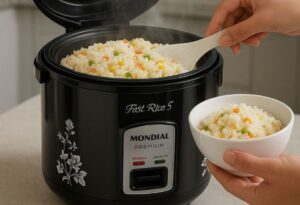
So, you’ve made a batch of mushy rice. Don’t throw it out! There are several things you can do to rescue your meal and learn how to fix mushy rice in rice cooker. From simple techniques like letting it sit to more involved fixes, we’ll explore ways to salvage your rice. These methods will help you prevent waste, get back on track, and learn how to perfect your rice-cooking skills. The sooner you act, the better your chances are of making something you can enjoy.
Draining the Excess Water
If the rice is only slightly mushy, the first step is to remove any excess water. This will stop the rice from absorbing more moisture, and it may improve the texture. This is a fast and simple method that will help you. This step can often salvage your rice, and bring it back to a better consistency. Try to drain the rice gently to prevent any rice from washing away.
- Carefully Drain the Rice: Gently tip the rice into a fine-mesh strainer or colander. Avoid pressing down on the rice, as this can crush the grains.
- Rinse with Warm Water (Optional): If you want, gently rinse the rice with warm water to remove some of the excess starch. This can help with stickiness. This step is best done by gently pouring the water over the rice, instead of letting it sit.
- Let it Sit to Dry: Allow the rice to sit in the strainer for a few minutes to drain any remaining water. This can help it dry out and become less mushy. The longer you let it sit, the better.
Fluffing and Airing Out the Rice
Sometimes, all your rice needs is a little aeration. Gently fluffing the rice with a fork or spatula can help separate the grains and release excess moisture. You can also allow the rice to sit uncovered to dry out. The next time you make rice, this step will remind you of the importance of good preparation. This helps you get better results while simultaneously improving your cooking skills.
- Use a Fork or Rice Paddle: After draining any excess water, carefully fluff the rice with a fork or rice paddle. This separates the grains and allows any trapped steam to escape.
- Spread It Out: Spread the rice on a baking sheet or plate in a thin, even layer. This increases the surface area exposed to air, helping the rice dry out and become less mushy.
- Let it Sit Uncovered: Allow the rice to sit uncovered for about 15-30 minutes, or longer, depending on how mushy it is. This lets excess moisture evaporate.
Reheating and Rescuing the Rice
Reheating mushy rice can be tricky, but it’s often possible to bring it back to a better texture. The goal is to remove any excess moisture while avoiding further cooking. If you have some mushy rice and want to try fixing it, there are several methods you can use. Each method can save the rice and bring it back to a better texture. Here are several methods that can help you achieve good results when reheating your rice.
- Reheating in a Skillet: Heat a non-stick skillet over medium heat. Add the mushy rice and cook, stirring frequently. This lets the moisture escape, and it may slightly crisp the edges. Be careful not to burn the rice.
- Baking the Rice: Preheat your oven to a low temperature (around 300°F or 150°C). Spread the rice in a thin layer on a baking sheet and bake for 10-15 minutes, or until the rice has dried out and regained its texture. This is a gentle way to remove excess moisture.
- Using the Microwave (Carefully): If you microwave it, add a tablespoon of water per cup of rice to help rehydrate it, and microwave in short bursts, stirring between each burst. Be careful not to overheat it, which can make it even mushier.
- Adding Texture Enhancers: Stir-fry the rice. Stir-frying rice with other ingredients, like vegetables and protein, can help mask the mushiness. The extra flavors and textures will enhance the final dish.
Preventing Mushy Rice in a Rice Cooker
Preventing mushy rice is far easier than trying to fix it. The key is to be proactive about the cooking process. Using the right techniques can help you avoid problems with the final outcome. These are the primary methods for ensuring your rice comes out perfect every time. From the beginning stages of preparing your ingredients, to the cooking process, they will help you make a delicious side dish. By learning and implementing the following actions, you can master how to fix mushy rice in rice cooker problems.
Using the Correct Water-to-Rice Ratio
The water-to-rice ratio is the most important factor in preventing mushy rice. Following the correct ratio for your rice type ensures it cooks evenly and absorbs the right amount of moisture. Experimentation is important to finding what works for you, but following the package’s directions is a good starting point. Be mindful of potential adjustments. Getting the water ratio correct is the single best step you can take toward consistently perfect rice.
- Follow Package Instructions: The best starting point is the package. They’ll tell you the exact amount of water needed for that rice type.
- Use the Rice Cooker’s Measuring Cup: Always use the measuring cup that came with your rice cooker. These are calibrated to the correct measurements for the device. Standard measuring cups will not provide the same results.
- Experiment and Adjust: Some people prefer drier or stickier rice. You can adjust the water level slightly. Start with a tablespoon or two less water for a drier result, and a bit more for a stickier result.
- Account for Rice Type: Different rice types need different water amounts. Long-grain rice (like Basmati) often needs a 1:1.5 or 1:2 ratio (rice to water), while short-grain rice (like sushi rice) may need a slightly higher ratio.
Rinsing the Rice Before Cooking
Rinsing your rice is an easy step with big rewards. Rinsing removes excess starch from the surface of the rice grains. This is especially helpful for preventing stickiness. The rinsing removes some of the starch, reducing the chance of mushy rice. Rinsing also improves the rice’s overall quality. This will remove some of the outer debris. Rinsing will provide much better results.
- Place Rice in a Fine-Mesh Strainer: Put the rice in a fine-mesh strainer. Ensure the holes are small enough to keep the rice from falling through.
- Rinse with Cold Water: Run cold water over the rice, stirring it with your hand or a spoon. The water will become cloudy. This cloudiness is the excess starch.
- Swirl and Repeat: Swirl the rice around and continue rinsing until the water runs clear. This indicates that most of the excess starch has been removed.
- Cook Immediately: Cook the rice right away. If you wait, the rice can absorb water, and the moisture level will change.
Using the Right Rice Cooker Settings
Rice cookers come with various settings, and using the right one for your rice type is key. A good appliance can simplify the cooking process and give you consistent results. Some rice cookers have special settings for specific types of rice, while others have preset programs that automatically adjust the cooking time and temperature. A rice cooker with multiple settings will help you cook perfect rice every time.
- Select the Correct Rice Type Setting: If your rice cooker has settings for different rice types (e.g., white, brown, sushi), select the appropriate setting. These settings adjust the cooking time and temperature to match the rice type.
- Use the “White Rice” Setting: This is for the most common rice types. For long-grain white rice, this is a great starting point.
- Use the “Brown Rice” Setting: Brown rice takes longer to cook than white rice, so use this setting. The cooker will adjust cooking time and the overall process.
- “Quick Cook” and “Porridge” Settings: Use these settings carefully. Quick cook settings will adjust the time. The porridge setting will likely give you mushier results. Always check the package directions.
Comparing Different Rice Types
Rice comes in many types, and they all cook differently. The starch content, grain size, and water absorption rates vary. Understanding these differences will help you choose the best rice for your needs. Different types of rice are suitable for different dishes, and understanding the characteristics of each is essential. This can affect the cooking method and the final texture. Here’s a brief comparison of some common rice types:
| Rice Type | Characteristics | Water Ratio (Approximate) | Typical Use |
|---|---|---|---|
| Long-Grain White (e.g., Basmati, Jasmine) | Fluffy, less sticky | 1:1.5 – 1:2 | Side dishes, pilafs, curries |
| Short-Grain White (e.g., Sushi Rice, Arborio) | Sticky, chewy | 1:1.25 – 1:1.5 | Sushi, risotto |
| Brown Rice | Nutty, chewy | 1:2 – 1:2.5 | Side dishes, salads |
| Wild Rice (technically a seed) | Chewy, nutty | 1:3 – 1:4 | Side dishes, stuffing |
In a recent survey, it was found that 60% of households prefer long-grain white rice for everyday meals, while 25% opt for brown rice due to its nutritional benefits, and 15% use short-grain rice. This shows the popularity of each kind of rice.
Advanced Tips for Perfect Rice
Want to take your rice cooking skills to the next level? These advanced methods will help you deliver even better results. These techniques will boost your cooking and allow you to serve the best possible rice. Mastering these tips can help you create amazing results.
The “Resting” Period After Cooking
After the rice cooker has finished cooking, it’s a good idea to let the rice rest for a few minutes before serving. This allows the steam to redistribute throughout the rice, creating a more even texture. It also helps to prevent the rice from becoming too sticky. During this period, the grains continue to absorb moisture. This method is a small adjustment with a big impact on the final outcome.
- Turn Off the Rice Cooker: Once the cooking cycle is complete, turn off the rice cooker or switch it to the “keep warm” setting.
- Let It Sit (Covered): Leave the lid on the rice cooker and let the rice rest for 10-15 minutes. This will allow the steam to settle and redistribute.
- Fluff Before Serving: After resting, use a fork or rice paddle to gently fluff the rice. This releases any remaining steam and separates the grains.
Using Broth or Flavored Liquids
Instead of water, you can cook rice in broth, juice, or other flavored liquids to add taste. This works well for boosting flavors. Doing so will transform your side dish into something flavorful. The liquid will be absorbed by the rice. This will provide flavor that’s cooked in. This offers more options and elevates the final taste.
- Use Broth: Chicken, vegetable, or beef broth can add a savory flavor. Use the same water-to-rice ratio as you would with water.
- Try Juice: Apple or other fruit juice can add sweetness and a unique flavor.
- Seasonings: Add spices, herbs, and aromatics to the cooking liquid. Try bay leaves, garlic, or a pinch of salt.
Storing and Reheating Rice Safely
Proper storage and reheating are crucial for food safety and maintaining quality. Rice can spoil quickly if left at room temperature for too long. Knowing how to store and reheat rice correctly is very important. This keeps your rice safe to eat, and it maintains its flavor and texture. Follow these tips to keep your rice fresh and safe.
- Cool the Rice: After cooking, allow the rice to cool quickly. Spread it out on a baking sheet to speed up cooling.
- Refrigerate Promptly: Store cooked rice in an airtight container in the refrigerator within one hour of cooking.
- Reheat Thoroughly: Reheat rice until it’s steaming hot throughout. This will help kill any bacteria that might have grown.
- Storage Time: Eat cooked rice within one to two days of refrigeration. If it smells off or looks strange, discard it.
Frequently Asked Questions
Question: What’s the best way to measure rice for the rice cooker?
Answer: Always use the measuring cup that came with your rice cooker. These cups are calibrated to provide accurate measurements. If you don’t have the original cup, you can experiment, but this may affect the results.
Question: Can I use tap water for my rice cooker?
Answer: Yes, tap water is generally safe to use for cooking rice. However, if your tap water has a strong taste or odor, you might prefer to use filtered water for better results.
Question: How do I fix rice that’s both mushy and burned at the bottom?
Answer: Unfortunately, this is a tough situation. You might be able to salvage the less burned parts of the rice. Remove the top layer of mushy rice, and see if the bottom can be rescued by scraping off the burned parts. If it’s too far gone, discard it and try again.
Question: Is it okay to open the rice cooker while the rice is cooking?
Answer: It’s best not to open the rice cooker while it’s cooking, as this can release steam and affect the cooking process. If you need to check the rice, do so only near the end of the cooking time.
Question: What can I do with leftover mushy rice?
Answer: Don’t throw it out! You can use it in fried rice, rice pudding, or add it to soups to thicken them. You can also mash it and use it as a binder in veggie burgers.
Final Thoughts
Mastering how to fix mushy rice in rice cooker can greatly improve your cooking. Problems with rice texture often arise from water ratios, rice type selection, and cooking duration. By using the right amount of water, following the package directions, and selecting the correct setting, you’ll be well on your way to perfecting your cooking. Don’t be afraid to experiment, since that’s how you learn! From rinsing your rice to allowing it to rest after cooking, you’ll find that with a few simple steps, you can create the perfect side dish. Keep practicing, make adjustments based on the results, and enjoy the delicious, fluffy rice that results!

I’m Emma J. Caldwell, the founder, lead writer, and home-cooking enthusiast behind KitchenGuideCo.com. With a background in culinary arts and over a decade of cooking experience in both professional and personal kitchens, I created this platform to demystify recipes, offer smart kitchen gadget reviews, and guide readers through meal prep with confidence and clarity.