Cooking rice in a rice cooker is supposed to be easy, right? But sometimes, despite your best efforts, you end up with undercooked rice. This can be frustrating, especially if you’re new to using a rice cooker. Don’t worry, though! It’s a common problem, and learning how to fix undercooked rice in rice cooker is totally achievable. We’ll explore simple steps to transform that gummy or crunchy rice into a perfect, fluffy side dish. Let’s get started with a surefire plan to rescue your rice.
Reasons Your Rice Is Undercooked
Before you learn how to fix the problem, it’s helpful to explore why your rice might be undercooked in the first place. Several factors can lead to this issue. It might be due to incorrect water-to-rice ratio, the type of rice used, or the age of the rice. Using too little water is a common culprit. Different rice varieties, like long-grain or short-grain, require different water amounts. Also, older rice might need slightly more water than fresh rice because it can be drier. Understanding these variables helps you tailor your approach to get perfect rice every time.
Incorrect Water-to-Rice Ratio
The water-to-rice ratio is arguably the most essential factor. Most rice cookers come with a measuring cup and a guide indicating the right amount of water based on the type of rice you’re cooking. Failing to follow these instructions can easily result in undercooked rice. Too little water means the rice can’t absorb enough moisture to cook through completely. This often leads to crunchy or hard grains. Conversely, too much water might make the rice mushy, but insufficient water is a more common cause of the undercooked scenario. Always double-check your rice cooker’s manual and the rice package for the correct ratio. Precise measurements are key!
-
- Use the correct measuring cup: Rice cookers usually provide a special cup. This cup is often smaller than standard measuring cups. Always use the cup that came with your rice cooker.
This is crucial because the provided cup calibrates the water-to-rice ratio properly, ensuring consistent cooking. Using another cup could lead to either too much or too little water, affecting the final texture.
-
- Measure rice and water accurately: Carefully measure both the rice and water according to the instructions. Any deviation can throw off the cooking process.
Precision is key when it comes to the rice-to-water ratio. It can make or break the outcome of your meal. Pouring the water slowly into the pot gives time for the rice grains to start absorbing moisture.
-
- Check the rice variety’s water needs: Different kinds of rice require different amounts of water. For instance, brown rice usually needs more water than white rice. Always check the package instructions.
Understanding the unique requirements of the rice you’re using is essential. Adjusting the water amount accordingly helps achieve the ideal texture for the specific type of grain.
The Type of Rice Matters
Different types of rice vary in their water absorption and cooking times. Long-grain rice, like basmati or jasmine, typically needs less water and cooks faster than short-grain varieties, such as sushi rice. Brown rice, due to its bran layer, requires more water and longer cooking times than white rice. The age and storage of the rice also play a role; older rice might need more water. Knowing these differences helps you adjust your cooking strategy. Experimenting with different rice types can also add diversity to your meals.
-
- Long-grain rice: Basmati and jasmine rice generally cook well with a 1:1.5 or 1:1.75 rice-to-water ratio.
These varieties tend to have a lighter texture and less starch, so they don’t need as much water. This ratio gives them a fluffy texture that’s ideal for side dishes or fragrant rice bowls.
-
- Short-grain rice: Sushi rice or Arborio, usually needs a 1:1.25 rice-to-water ratio.
Short-grain rice absorbs water faster and has more starch, resulting in a stickier texture. The higher water level helps achieve the perfect consistency for sushi or creamy risottos.
-
- Brown rice: Brown rice needs a 1:2 or 1:2.25 rice-to-water ratio.
The extra water compensates for the bran layer, which slows down the water absorption. This allows the heat to penetrate the grains more evenly. It requires longer cooking times.
Rice Age and Storage
The age of your rice and how it’s stored can also affect the final result. Older rice tends to be drier than freshly harvested rice, which means it might need a bit more water to cook properly. Store rice in an airtight container in a cool, dark place to help maintain its moisture content. Proper storage is essential to keeping it fresh. If you live in a humid environment, consider storing rice in the refrigerator to prevent it from absorbing excess moisture, which can also affect its texture when cooked.
-
- Fresh rice: Fresh rice may require less water. Always check the texture after the initial cooking cycle.
Freshly harvested rice typically has a higher moisture content, reducing the amount of water needed for cooking. Keep an eye on the consistency during the cooking process.
-
- Older rice: Older rice may need slightly more water. Add a tablespoon or two of extra water if the rice is still firm after cooking.
Over time, rice loses some of its natural moisture, so it needs more water to rehydrate and cook properly. Adjusting the water level ensures the grains become soft and fluffy.
-
- Proper storage: Storing rice in an airtight container preserves its moisture. Avoid storing rice near heat sources.
Appropriate storage helps prevent moisture loss, which can lead to undercooked rice. Also, avoid storing it in direct sunlight to avoid quality degradation.
Ways to Handle Undercooked Rice and Make It Better
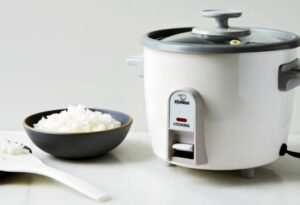
If you find yourself with a batch of undercooked rice, don’t despair! Several methods can save the meal and provide you with perfectly cooked grains. You can add more water and cook it again, steam it on the stovetop, or even microwave it. These techniques use heat and moisture to finish the cooking process. The best approach depends on the degree of undercooking and how much time you have. With a few simple steps, you can turn a culinary mishap into a delicious side.
The Steam & Wait Method
One of the easiest ways to fix slightly undercooked rice is to add a bit more water and let the rice cooker finish the job. This method is effective for rice that is only a little bit firm. After adding water, allow the rice cooker to finish its cycle. This process leverages the rice cooker’s ability to maintain heat and moisture. It works best if the rice isn’t extremely hard. This simple step can salvage most minor cooking errors, making your rice tender and delicious.
-
- Assess the rice: Check the texture. Is it only slightly firm, or is it very hard? This determines the needed steps.
Evaluating the degree of undercooking is the first step. You’ll know how much water and time are needed to fix it. This is a visual and textural assessment.
-
- Add a little water: Add a couple of tablespoons of water, or more if the rice seems very dry. The amount depends on the hardness.
Adding water reintroduces moisture, helping the grains absorb more liquid and cook through. Start with small amounts and increase if needed.
-
- Turn on the rice cooker: Close the lid and turn the rice cooker back on. Let it run for 10-15 minutes or until the rice is done.
The rice cooker will use steam to cook the grains. After this cycle, check the rice, and you can repeat the process if needed.
Steaming on the Stovetop
For more severely undercooked rice, the stovetop method is a reliable solution. This works by adding water and heating the rice in a pot. The enclosed environment creates steam, softening the rice grains. This is an effective way to rescue rice that is hard or has a crunchy texture. This method allows you to closely monitor the cooking process and adjust heat as needed. It helps you get tender, well-cooked rice without needing to start from scratch.
-
- Transfer to a pot: Carefully transfer the undercooked rice to a saucepan or pot. Avoid scraping the rice cooker to prevent scratching.
Using a saucepan allows you to control the heat. It gives you a better view of how the rice is cooking and ensures even distribution of heat.
-
- Add water: Add a quarter to half a cup of water, depending on how undercooked the rice is.
The water creates steam and helps the rice absorb moisture. Don’t add too much water at first. You can always add more.
-
- Simmer with a lid: Cover the pot and simmer over low heat for about 10-15 minutes. Check and stir the rice occasionally.
The lid traps steam, allowing the rice to soften. Stirring ensures even heating and helps prevent the rice from sticking to the bottom. Keep a close watch on the texture.
-
- Check for doneness: After 10-15 minutes, check the rice for doneness. If it’s still firm, add a bit more water and cook for a few more minutes.
Adjust the cooking time and water amount according to the progress. Check for the softness you prefer. If necessary, keep simmering until the texture is right.
Microwave Rescue
The microwave is a quick and efficient way to fix undercooked rice, particularly if you’re short on time. This method involves adding a bit of water and heating it in a microwave-safe bowl. The microwaves heat the water, turning it into steam, and helps cook the rice grains. It is best suited for small quantities of rice or when you need a speedy solution. This method requires care to prevent the rice from drying out or burning, but it is a handy trick.
-
- Transfer to a microwave-safe bowl: Place the undercooked rice in a microwave-safe bowl.
Microwave-safe bowls are designed to withstand high temperatures. Using the right kind of bowl ensures the rice heats evenly and is not damaged.
-
- Add water: Add a tablespoon or two of water. Start with less and add more if needed.
Adding water is essential to generate steam, which is what cooks the rice. The amount needed depends on how dry and hard your rice is. Start small and add more.
-
- Microwave in short bursts: Microwave on high for 1 minute. Check the rice and stir. Repeat in 30-second intervals until the rice is tender.
Microwaving in short intervals helps prevent overheating and ensures the rice cooks evenly. Stirring distributes the heat and helps the grains to cook. Watch the texture closely.
Improving Your Rice Cooking Skills
Perfecting your rice cooking skills involves more than just knowing how to fix undercooked rice in rice cooker. Several strategies can help. You can learn the water-to-rice ratios specific to different types of rice. Also, you can take steps to improve the quality of your cooking. Consistent practice and paying attention to detail lead to consistently delicious results. With each batch of rice, you gain valuable experience. You can also develop your personal cooking style.
Practice with Different Types of Rice
Every rice type has unique cooking requirements, so practice with different types is key. Start with the most common, like long-grain white rice, and then try brown rice, basmati, or jasmine. This hands-on experience allows you to get used to each grain’s water absorption rates and cooking times. Try a new variety each time. The more you work with different types, the better you’ll become at judging when your rice is perfectly cooked. This will improve your confidence. Practice will make you a rice-cooking expert.
-
- Start simple: Start with easy-to-cook varieties like long-grain white rice.
Long-grain white rice is less fussy than some other types, so it’s a good place to start. Mastering this basic will build confidence as you expand your repertoire.
-
- Experiment: Gradually work with different types of rice, such as brown rice, basmati, or jasmine.
Every type has its unique characteristics, so experimentation helps you understand the nuances. Each new rice you try will add to your skillset. It helps develop new culinary skills.
-
- Read the instructions: Always read the package directions. Different brands may recommend different water ratios.
The package details are a starting point. They provide essential details about water-to-rice ratios. It is a good starting point for any type of rice.
Proper Preparation
Preparing the rice correctly before cooking is vital. Rinsing the rice removes excess starch, which can result in stickier rice. Rinsing also removes any impurities. Soaking the rice for about 30 minutes before cooking allows it to absorb water. This can reduce the cooking time and improve the texture of the finished dish. Proper preparation ensures that your rice cooks evenly and is less likely to be undercooked. This creates the best possible result.
-
- Rinse the rice: Rinse the rice in a strainer until the water runs clear. This removes excess starch.
Rinsing is key to removing surface starch. Rinse the rice in a fine-mesh strainer. Doing this helps the rice cook more evenly. It prevents it from becoming clumpy.
-
- Soak the rice: Soak the rice in water for about 30 minutes before cooking. This can reduce cooking time.
Soaking allows the grains to absorb water. Doing this helps to reduce the cooking time and makes for a more tender texture. This also leads to a more uniform result.
-
- Use clean water: Always use fresh, clean water for cooking. The water quality impacts the taste.
The water you use affects the flavor and texture. Using the right water leads to a better taste and result. Filtered water is a good option.
Learn From Your Mistakes
Everyone makes mistakes, so learn from any mishaps and keep trying. If your rice is undercooked, assess why. Did you use too little water? Was the rice old? Did the measurements throw it off? Note what might have gone wrong so you can adjust the next time. Each attempt is a chance to refine your technique. Don’t let occasional failures discourage you! With each batch of rice, you’ll improve. You’ll soon be able to cook perfect rice without thinking about it.
-
- Identify the issue: When the rice is done, consider what went wrong. What was the cause?
Understanding the root of the issue is the most crucial step. Review the water-to-rice ratio, the type of rice, and any storage conditions. Knowing these helps prevent future issues.
-
- Adjust and try again: Make adjustments. If the rice was too dry, add more water next time. Change your method.
Making corrections based on the cause is essential. Changing the approach will lead to better results. This makes you a more skilled cook.
-
- Keep practicing: Cook rice regularly to improve your skills. Practice makes perfect.
Practice is the best teacher, and the more you cook rice, the better you will become at it. This will make you comfortable with cooking rice. It also makes the whole process smoother.
Advanced Rice-Saving Techniques
For those who want to take their rice-fixing skills to the next level, there are some more advanced techniques. These include using a kitchen thermometer to monitor the internal temperature of the rice, adding a pinch of salt to the water, or even experimenting with different cooking methods. These advanced techniques can help you achieve consistently perfect results. While not always necessary, they can be useful, especially when trying to cook specific types of rice or prepare meals with precise textures. This will allow you to get the results you want every time.
Using a Kitchen Thermometer
A kitchen thermometer can be a valuable tool for ensuring your rice is cooked just right. Measuring the internal temperature helps confirm whether the grains have reached their cooking point. Insert the thermometer into the center of the rice. The ideal temperature for cooked rice is generally around 212°F (100°C), but it may vary slightly depending on the type of rice and your preference. Checking the temperature ensures that the rice is both thoroughly cooked and not overcooked, which can also affect its texture. This gives you extra confidence.
-
- Insert into the center: Insert the thermometer probe into the middle of the rice. This gives you the most reliable reading.
The center of the rice is the last area to heat. Checking the center ensures that every grain is cooked evenly. Make sure the thermometer tip is properly placed for accuracy.
-
- Check the temperature: The internal temperature of cooked rice should be around 212°F (100°C).
This temperature indicates the rice is cooked. It also provides a benchmark for whether the cooking process is complete. This helps with precision.
-
- Adjust accordingly: If the temperature is low, cook for a few more minutes. Monitor and adjust as needed.
If the rice is not up to temperature, continue to cook it for a few more minutes. Ensure the rice is thoroughly cooked. It avoids any risk of undercooked grains.
Seasoning and Flavoring
Adding a little salt to the water when cooking rice can enhance the flavor. A pinch of salt is usually enough to bring out the natural taste of the rice. It is not just about the taste. You can also add other flavorings, such as herbs, spices, or even a bay leaf, to give your rice a unique twist. Experiment with different flavor combinations to find your favorite. Flavoring your rice makes it an interesting side dish. You can add more variety to your meals and can also create interesting food combinations.
-
- Add salt: Add a pinch of salt to the water before cooking. This enhances the rice’s natural flavor.
Adding a touch of salt brings out the rice’s sweetness and creates a more balanced flavor profile. This addition can make the rice more enjoyable. It is essential for an attractive dish.
-
- Try other flavorings: Experiment with herbs, spices, or a bay leaf. Add your favorite ingredients.
Adding herbs, spices, or other seasonings adds interesting flavors to your rice. Use different seasonings to make the rice more appealing. It is about experimenting with recipes.
-
- Consider the dish: Choose seasonings that complement your main dish. Consider the entire meal.
Think about how your rice will be served. Using complementary flavors will enhance the whole meal. It will also help the different elements blend together. It makes the meal more delicious.
Adjusting Cooking Methods
If you’re looking for more ways to enhance your rice, think about adjusting the cooking methods. You can experiment with techniques like parboiling before cooking or using a different type of cooker. Parboiling rice can help it cook more evenly and keep its shape. Different types of rice cookers may have various settings to cook your rice at different temperatures. This gives you full control. Also, exploring these options allows you to fine-tune your rice-cooking process. You can tailor it to your preferences. It also allows you to perfect your meals.
-
- Try parboiling: Parboil the rice for a few minutes before cooking to improve texture.
Parboiling partially cooks the rice before the main cooking process. This helps it to cook more evenly. It helps it retain its shape and texture during the final stage.
-
- Use different cookers: Experiment with cookers. Consider slow cookers and pressure cookers.
Different cookers use various methods to cook the rice. This leads to distinct results. Try experimenting with different cookers. Then find the method you prefer.
-
- Adjust settings: Use different settings on your rice cooker. Try brown rice and white rice settings.
Many rice cookers have special settings. Each setting adjusts the cooking time and temperature. You can get the best outcome. You can also match the setting to the rice type.
Frequently Asked Questions
Question: Why is my rice always undercooked?
Answer: Common reasons include using too little water or not using the correct water-to-rice ratio for the type of rice you’re cooking.
Question: How can I fix rice that is still crunchy after cooking?
Answer: Add a couple of tablespoons of water, close the lid, and let the rice cooker continue the cooking process for about 10-15 minutes.
Question: Can I use the microwave to fix undercooked rice?
Answer: Yes, you can. Place the rice in a microwave-safe bowl, add a tablespoon or two of water, and microwave in short intervals, checking and stirring in between.
Question: What’s the best way to prevent undercooked rice?
Answer: Measure both the rice and water carefully. Use the correct water-to-rice ratio, and consider rinsing the rice before cooking.
Question: Does the type of rice matter when it comes to cooking?
Answer: Yes, different types of rice (e.g., long-grain, short-grain, brown) have different water requirements and cooking times.
Final Thoughts
Now you have several tools at your disposal to tackle the problem of undercooked rice in your rice cooker! You have explored the common reasons why it happens and found various solutions. Whether it’s adding a bit more water and letting the rice cooker finish the job, steaming it on the stovetop, or using the microwave for a quick fix, you’re prepared. You’ve also explored tips on perfecting your cooking skills and even advanced techniques. Next time you face the challenge of undercooked rice, remember these steps. With a little practice, you’ll be cooking perfectly fluffy rice every time. Embrace the learning process, and don’t be afraid to experiment. Happy cooking!

I’m Emma J. Caldwell, the founder, lead writer, and home-cooking enthusiast behind KitchenGuideCo.com. With a background in culinary arts and over a decade of cooking experience in both professional and personal kitchens, I created this platform to demystify recipes, offer smart kitchen gadget reviews, and guide readers through meal prep with confidence and clarity.