Cooking rice can sometimes be tricky, especially when you’re just starting out. A common frustration is when your rice sticks to the bottom of the rice cooker. This can be annoying and lead to wasted food. Don’t worry, though! How to stop rice cooker from sticking is a problem with easy solutions. This guide will walk you through simple, step-by-step methods to make sure your rice comes out perfect every time. Read on to find out more.
Choosing the Right Rice Cooker and Rice
The foundation of perfectly cooked rice begins with the right tools and ingredients. Selecting a rice cooker suited to your needs plays a vital role. Some cookers are basic, while others boast features like multiple cooking settings for different types of rice or even keep-warm functions. Equally important is the type of rice you choose. Different varieties like long-grain, short-grain, and brown rice have varying water absorption rates and cooking times. Understanding these factors is key to preventing sticking. The quality of your rice itself can also make a huge difference in the outcome; fresher rice often cooks better and sticks less. Using the right ratio of rice to water is another important detail. These preliminary decisions set the stage for success and help you avoid the common issue of rice sticking to the bottom.
Selecting the Right Rice Cooker
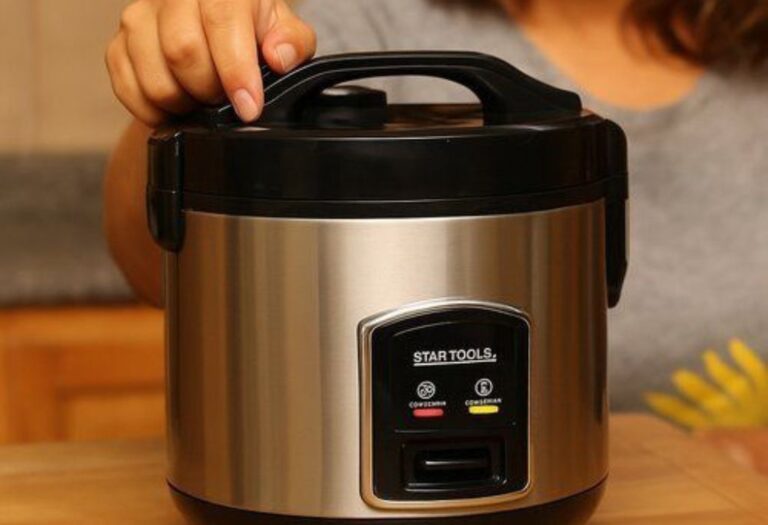
When selecting a rice cooker, consider your cooking needs. If you cook rice occasionally, a basic model will suffice. For frequent rice eaters or those who like different rice varieties, a cooker with multiple settings is a good option. These models can handle everything from white rice to brown rice and even sushi rice. Features like a keep-warm function are also convenient for maintaining the perfect temperature after cooking. The size of the rice cooker should also be based on your household’s needs. A large cooker is helpful for bigger families but might be excessive for singles or couples. Another factor to think about is the inner pot material; non-stick pots are easier to clean and generally help prevent sticking.
- Size Matters: Determine the right size based on your typical cooking needs. A cooker too large wastes energy and space; one too small may not meet your needs.
- Non-Stick Coating: Look for a rice cooker with a high-quality, non-stick inner pot. This is one of the most important things for preventing sticking.
- Cooking Settings: Consider a model with multiple cooking settings to accommodate different rice varieties. This also provides flexibility for various cooking needs.
- Additional Features: Evaluate additional features like keep-warm settings and timers, which add convenience and help to maintain the rice at the ideal temperature.
- Ease of Cleaning: Choose a rice cooker with removable parts that are easy to clean. This can save time and effort.
Understanding Rice Varieties
The variety of rice you choose directly impacts the cooking process. Long-grain rice, like basmati or jasmine, tends to be less sticky and cooks up fluffy. Short-grain rice, like sushi rice or Arborio, is stickier due to higher starch content. Brown rice requires more water and a longer cooking time than white rice. Knowing these differences helps you adjust water levels and cooking times accordingly. The age of the rice also plays a role. Fresh rice contains more moisture and might need less water, while older rice may require a bit more. Experimenting with different types of rice will allow you to find the best water ratio and cooking method for your needs. This knowledge is important for preventing your rice from sticking.
- Long-Grain Rice: This variety, like basmati or jasmine, is known for its fluffy, non-sticky texture. It typically requires less water.
- Short-Grain Rice: This variety, often used for sushi or risotto, is stickier due to its high starch content. Be careful not to use too much water.
- Brown Rice: Because it has the bran layer intact, it takes longer to cook than white rice and needs more water.
- Wild Rice: Wild rice is technically not rice, but a seed. It also takes longer to cook, needing more water and cooking time.
- Parboiled Rice: This type of rice has been partially boiled before milling, making it less sticky. It has a slightly chewy texture.
Proper Water Ratio and Washing the Rice
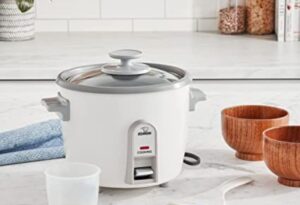
Achieving the right water ratio is important in preventing rice from sticking and ensuring a proper texture. Too much water will result in mushy rice, while too little will cause it to stick and burn. Washing the rice before cooking removes excess starch, which is a major factor in the sticking problem. The process of washing also helps to improve the overall texture and taste. Using the correct water amount for the specific type of rice you’re cooking is critical. Following the directions provided by the rice cooker manufacturer is a great start. Once you get the hang of it, you might need to make small adjustments based on your preferences. These measures are the initial steps in mastering rice cooking.
Calculating the Right Water-to-Rice Ratio
The right water-to-rice ratio is not a one-size-fits-all thing. It varies depending on the type of rice and the rice cooker. Generally, the ratio for white rice is around 1:1 or 2:1 (water to rice). Brown rice requires more water, generally closer to 1:2.5 or 1:2.75. Always check the directions that come with the rice cooker and the rice package for instructions. Using the measuring cup that comes with your rice cooker is recommended as it’s often calibrated for that specific appliance. If your rice is still sticking, try slightly increasing the water or decreasing the cooking time. The key is to experiment until you find the perfect balance for your rice cooker and the variety of rice you prefer.
- Follow Package Directions: Begin by consulting the instructions on the rice package and the rice cooker manual.
- Use the Measuring Cup: Use the measuring cup that came with your rice cooker. They are often calibrated for that cooker.
- White Rice Ratio: Start with a 1:1.5 or 1:2 (rice to water) ratio for white rice.
- Brown Rice Ratio: Use a higher water ratio, such as 1:2.5 or 1:2.75 for brown rice.
- Adjust as Needed: If the rice is too sticky or too dry, adjust the water amount slightly next time.
Washing the Rice Thoroughly
Washing the rice before cooking removes extra starch and helps prevent sticking. It also improves the texture and flavor. Place the rice in a bowl and cover it with cold water. Gently swirl the rice with your hands, then drain the water. Repeat this process until the water runs clear. This usually takes two or three washes. Washing the rice removes the surface starch, which can cause the rice to clump together and stick to the bottom of the rice cooker. By reducing the starch, you ensure that the rice cooks evenly and achieves a lighter, fluffier consistency. Proper washing is a simple but effective step towards ensuring perfectly cooked rice.
- Place Rice in Bowl: Put the amount of rice you want to cook into a bowl.
- Add Cold Water: Add enough cold water to fully cover the rice.
- Swirl and Rub: Gently swirl and rub the rice with your hands.
- Drain Cloudy Water: Drain the water, which will be cloudy from the starch.
- Repeat Washing: Repeat steps 2 and 3 until the water runs clear, usually 2-3 times.
Techniques to Prevent Sticking During Cooking
Even with the correct water ratio and pre-washing, other techniques can help in preventing your rice from sticking. Adding a small amount of oil or butter to the water is one method. It acts as a barrier, preventing the rice from directly contacting the bottom of the cooker. Another useful measure is allowing the rice to rest after cooking. This allows the steam to redistribute, improving the final texture and preventing it from sticking. Additionally, using the “rinse and drain” method before cooking helps minimize the starch that can cause sticking. Proper cooking techniques are easy to apply and can make a big difference.
Adding Fat for a Non-Stick Effect
Adding a small amount of fat to the cooking process can make a big difference in preventing sticking. Adding a teaspoon of oil, such as olive oil or vegetable oil, or a knob of butter before cooking can create a barrier between the rice and the pot. The fat helps to coat the grains, which reduces the chance of them sticking. This technique is particularly helpful with rice cookers that are not the best quality, or if you’re cooking rice that tends to stick easily. Adding fat does not usually affect the flavor of the rice. In most cases, it actually enhances it. This method is simple, effective, and works with many rice cooker models.
- Choose Your Fat: Olive oil, vegetable oil, or butter work well.
- Amount: Use about 1 teaspoon of oil or a small knob of butter.
- Add Before Cooking: Add the fat to the pot before adding the rice and water.
- Distribute Evenly: Make sure the fat is distributed evenly across the bottom of the pot.
- Cooking Process: Cook the rice as you normally would. The added fat should help prevent sticking.
Resting Time and Proper Fluffing
Allowing the rice to rest after it has finished cooking is a good habit. After the rice cooker switches to the keep-warm setting, leave the lid closed for 10-15 minutes before opening it. During this time, the steam redistributes throughout the grains, which helps to create a fluffier texture. After the resting period, gently fluff the rice with a rice paddle or a fork. Start at the bottom, lifting and turning the rice to separate the grains and release any steam. This is key for achieving the perfect texture. Avoid stirring the rice too vigorously, which can make it mushy. Following these steps will result in a better overall product and help prevent sticking.
- Let It Rest: After the cooking cycle finishes, let the rice sit in the cooker with the lid on for 10-15 minutes.
- Steam Redistribution: During the resting period, the steam redistributes, creating a fluffier texture.
- Gentle Fluffing: Use a rice paddle or fork to gently fluff the rice.
- Start at the Bottom: Start at the bottom of the pot and lift the rice, turning it over to separate the grains.
- Avoid Over-Stirring: Avoid stirring too vigorously, which can make the rice mushy.
Cleaning and Maintenance of Your Rice Cooker
Keeping your rice cooker clean is an essential aspect of preventing rice from sticking in the future. Regular cleaning helps to remove any residual starch or food particles. These remnants can lead to sticking and make the cooking process less efficient. Cleaning after each use is a good practice. Removing the inner pot and washing it with warm, soapy water will do the trick. You should also clean the heating plate and the exterior of the cooker. Proper care makes sure that your rice cooker performs at its best. Taking the time to properly clean your rice cooker will extend its life and improve cooking results.
Proper Cleaning Procedures
After each use, clean the rice cooker thoroughly to avoid future issues. Always unplug the cooker and let it cool before cleaning. Remove the inner pot and wash it with warm, soapy water. Avoid using abrasive cleaners or scrubbing pads, as they can damage the non-stick coating. Rinse the pot thoroughly and dry it completely before replacing it. Wipe the heating plate inside the cooker with a damp cloth to remove any food particles. Don’t submerge the cooker itself in water, as this could damage the electrical components. With regular cleaning, your cooker can last for years.
- Unplug and Cool: Always unplug the rice cooker and let it cool completely before cleaning.
- Remove the Inner Pot: Take out the inner pot to wash it separately.
- Wash by Hand: Wash the inner pot with warm, soapy water.
- Avoid Abrasives: Avoid using abrasive cleaners or scrub pads that might damage the coating.
- Wipe the Heating Plate: Use a damp cloth to wipe the heating plate.
Regular Inspection and Maintenance
Regular inspection and maintenance of your rice cooker are necessary. This includes checking the inner pot for any damage to the non-stick coating. If the coating is scratched or damaged, the rice is much more likely to stick. Inspect the heating element for any residue or buildup that could affect cooking performance. Clean the steam vent, if your cooker has one, to ensure proper steam release. Follow the manufacturer’s instructions for any specific maintenance tasks. By carrying out simple maintenance, you can extend the life of your cooker. Also, this will make sure that the rice cooks evenly and does not stick.
- Inspect the Inner Pot: Check for scratches or damage to the non-stick coating. Replace the pot if needed.
- Check the Heating Element: Make sure the heating element is clean and free of any residue.
- Clean the Steam Vent: If your cooker has one, ensure the steam vent is clean to allow steam to escape properly.
- Check the Seal: Examine the seal around the lid to ensure it’s in good condition.
- Follow Manufacturer’s Instructions: Always follow the specific care and maintenance instructions from the manufacturer.
The average lifespan of a rice cooker varies based on usage and care, but with proper maintenance, a good quality rice cooker can last from 5 to 10 years or even longer. This makes the proper care and maintenance that much more important.
| Component | Inspection/Maintenance | Frequency |
|---|---|---|
| Inner Pot | Check for scratches, clean after each use | After each use |
| Heating Plate | Wipe clean with a damp cloth | After each use |
| Lid and Seal | Inspect for damage, clean as needed | Monthly |
| Exterior | Wipe clean with a damp cloth | As needed |
Troubleshooting Common Rice Sticking Problems
Even with the best techniques, problems can still pop up. Troubleshooting those problems can save you a lot of time. If your rice is sticking, the issues can be caused by various factors, from incorrect water ratios to an old or damaged rice cooker. Understanding how to diagnose and resolve these common problems makes sure that your meals are successful. This part of the process is an important step in achieving excellent results. Being able to solve issues quickly makes cooking rice a lot easier and more enjoyable.
Identifying the Root Causes
When rice sticks, try to figure out what’s causing the problem. First, check the water-to-rice ratio. Was there too little water? Second, look at the type of rice and the cooking time. Did you give it enough time to cook? Next, inspect the rice cooker itself. Is the non-stick coating on the inner pot damaged or worn? Does the heating element function correctly? Also consider the age and storage conditions of your rice. Old rice can absorb water differently. Finally, note your own cooking habits. Are you fluffing the rice after it’s cooked? These checks will help you find the source of the problem and come up with a solution.
- Water Ratio: Was the water ratio correct for the rice type?
- Rice Type: Was the cooking time and water amount correct for the specific rice?
- Rice Cooker Condition: Is the non-stick coating damaged or worn?
- Heating Element: Does the heating element heat evenly and efficiently?
- Rice Age: Is the rice old or stored improperly?
Adjusting Cooking Methods for Better Results
Once you identify the cause, make adjustments to your cooking methods. If the water ratio was off, correct it for next time. If the rice type required a longer cooking time, adjust accordingly. If the rice cooker’s non-stick coating is damaged, consider replacing the inner pot or the entire cooker. When your rice is too dry, add a little more water next time. If it’s too mushy, use a bit less water and perhaps a shorter cooking time. If you suspect your rice is old, try using a slightly higher water amount. By making small changes, you can usually fine-tune your cooking method and achieve much better results. Keeping a log of adjustments can help fine-tune the cooking process.
- Too Dry: Add a bit more water next time.
- Too Mushy: Use less water and a shorter cooking time.
- Sticking Due to Damage: Consider replacing the inner pot or the cooker.
- Rice Type Mismatch: Adjust the water and cooking time based on the specific rice variety.
- Old Rice: Try a slightly higher water ratio than usual.
Frequently Asked Questions
Question: Why is my rice always sticking to the bottom of the rice cooker?
Answer: This is usually because of a few reasons. The most common are using too little water, not washing the rice to remove excess starch, or having a damaged non-stick coating.
Question: How do I measure the water for cooking rice?
Answer: It’s best to use the measuring cup that came with your rice cooker. As a general guide, white rice often uses a 1:1.5 or 1:2 ratio (rice to water), but this can vary.
Question: Can I use tap water to cook rice?
Answer: Yes, you can use tap water. However, if your tap water has a strong taste, filtered water may help your rice taste better.
Question: Should I add salt to my rice when cooking it?
Answer: Adding a pinch of salt to your rice while it cooks can enhance the flavor. It’s usually added with the water before cooking.
Question: How do I store leftover cooked rice?
Answer: Cool cooked rice quickly and store it in an airtight container in the refrigerator. Use it within one to two days to prevent bacterial growth.
Final Thoughts
Learning how to stop rice cooker from sticking is a skill that makes your cooking easier. From choosing the correct rice cooker and type of rice, to getting the water ratio right, washing the rice, and using techniques like adding a bit of fat, you can avoid frustrating stuck-on rice. Taking care of your rice cooker by cleaning it regularly is also an important part of the process. If you follow these easy steps and troubleshoot when needed, you’ll be well on your way to cooking perfect rice every time. With practice and attention, you can get consistently great results!

I’m Emma J. Caldwell, the founder, lead writer, and home-cooking enthusiast behind KitchenGuideCo.com. With a background in culinary arts and over a decade of cooking experience in both professional and personal kitchens, I created this platform to demystify recipes, offer smart kitchen gadget reviews, and guide readers through meal prep with confidence and clarity.