If you’ve ever watched your rice cooker and noticed the lid shaking, you’re not alone! It’s a common experience, especially for those new to cooking rice. The good news is that figuring out why rice cooker lid keeps shaking is usually easy, and it doesn’t mean your cooker is broken. This happens because of the steam building up inside. We’re going to explore what causes this shaking and provide you with easy, step-by-step solutions to ensure your rice comes out perfect every time. Ready to get started?
The Science Behind the Shaking Lid
The primary reason for the shaking lid is the build-up of steam within the rice cooker. As the water boils, it turns into steam, which is trapped inside the cooker. This steam is essential for cooking the rice evenly. However, as the pressure of the steam increases, it needs a way to escape. The lid is often designed with a small vent or a loosely fitting mechanism to allow some steam to escape gradually. If the vent is blocked or the pressure builds up too quickly, the lid will start to shake. This shaking is a visible indication that the cooker is working correctly, but it can sometimes be a sign of a potential issue if it’s excessive.
This section explains the simple science behind the shaking lid. It emphasizes that this is a normal process, but understanding why it happens can help you troubleshoot any issues. The pressure of the steam inside the cooker is usually the main factor, and if it’s not managed, that can lead to problems. The goal here is to help you learn why this happens and give you the confidence to manage it.
Steam Pressure and Release
Steam pressure is the force exerted by the steam molecules inside the cooker. As the water heats up, the molecules gain energy and move faster, increasing the pressure. The rice cooker is designed to handle a certain amount of pressure, but the lid’s design also plays a crucial role in regulating this pressure. The shaking of the lid is often the release valve, allowing excess pressure to escape and preventing the cooker from exploding.
- Vent Hole: Most rice cookers have a vent hole, usually located on the lid, that allows steam to escape gradually. The size and design of this vent affect how the pressure is released. If it’s too small or blocked, the pressure will build up and shake the lid.
- Loose Fit: Some rice cooker lids fit loosely to help release the steam. This loose fit creates a gap that allows steam to escape around the edges. This is a simple, effective way to manage the pressure and keep the cooker operating smoothly.
- Temperature Control: The temperature inside the rice cooker also affects the steam pressure. The cooker maintains a specific temperature range to cook the rice properly. Any temperature fluctuations can impact the steam pressure.
Understanding the interplay between steam, pressure, and temperature is key. For example, a clogged vent could cause the lid to shake more intensely. A good visual analogy is to imagine a pot of water boiling on a stove. The lid will rattle if the steam can’t escape properly.
Types of Rice Cooker Lids
Different rice cookers have different lid designs. Some have simple lids that sit loosely on the cooker, while others have more complex designs with rubber seals and locking mechanisms. The design affects how the lid handles steam pressure. Some lids have built-in pressure release valves that can fail. The different types of lids have distinct characteristics and methods for handling steam and pressure. Each design has its advantages and is affected by the steam building up during the cooking process.
- Simple Lids: Simple lids fit loosely and allow steam to escape around the edges. These are common in basic rice cookers and are easy to clean. The loose fit also makes it easier for the lid to shake.
- Sealed Lids: Sealed lids use rubber seals to create a tight fit, trapping the steam inside. These cookers usually have a vent to release the steam. This design can lead to more intense shaking if the vent is blocked.
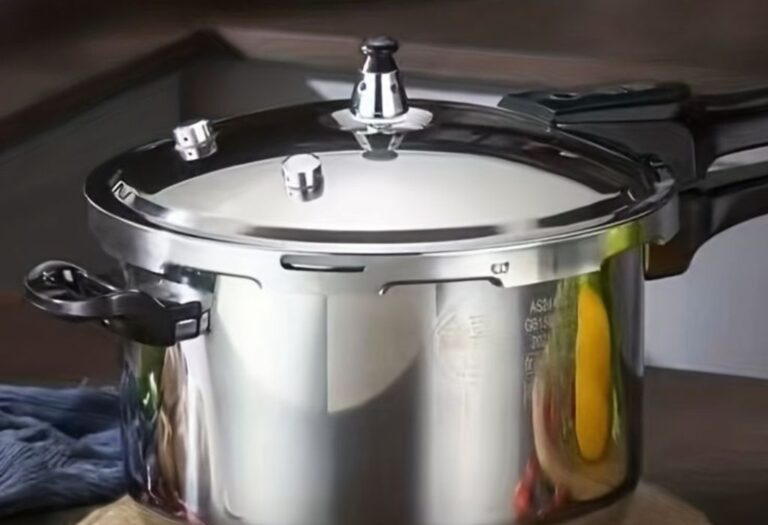
- Pressure Cooker Lids: Some rice cookers are designed as pressure cookers, with tightly sealed lids and pressure control valves. These cookers build up higher pressure and require specific safety features to prevent explosions.
The type of lid impacts how the steam pressure is managed. Understanding the type of lid your rice cooker has will help you troubleshoot why the lid is shaking and how to address it. For example, a simple lid might shake a lot because of its loose fit, while a sealed lid might shake more if the vent is clogged.
Common Causes of a Shaking Rice Cooker Lid
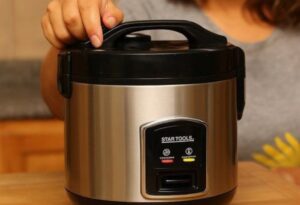
Several factors can cause the rice cooker lid to shake. Knowing these causes helps you find solutions to keep your cooker operating properly and ensure your rice cooks perfectly. It’s often simple adjustments that make a big difference. These are the main reasons why the rice cooker lid keeps shaking.
This section explores the various reasons why a rice cooker lid might shake. Knowing these different causes will help you diagnose the specific problem. For example, it could be as simple as too much water or not cleaning the cooker correctly. By identifying these reasons, you can easily find the right solution.
Too Much Water
Adding too much water is one of the most common reasons why a rice cooker lid shakes excessively. When there is too much water, it takes longer for the rice to absorb it. This excess water turns into steam, building up pressure faster. The more steam generated, the more intense the shaking of the lid. If you consistently find the lid shaking vigorously, check the water level first. Make sure you’re using the correct water-to-rice ratio, usually indicated on the cooker or rice packaging.
- Check the Measurement: Always use the measuring cup that came with your rice cooker. These cups are usually sized specifically for the cooker.
- Rice Type Matters: Different types of rice (e.g., long-grain, short-grain, brown rice) require different water amounts. Follow the package instructions for your rice type.
- Visual Inspection: Sometimes, the measuring lines on the inner pot can be unclear. Visually inspect the water level before you start cooking to ensure it aligns with the instructions.
Adjusting the water-to-rice ratio can significantly reduce the lid’s shaking. Experimenting with different amounts of water for a specific type of rice can ensure that the cooker operates smoothly, preventing the lid from shaking excessively.
Clogged Steam Vent
The steam vent is a crucial component that allows excess steam to escape. If this vent is blocked by rice grains, food debris, or mineral deposits from hard water, it can’t function correctly. This blockage causes the steam pressure to build up, leading to vigorous lid shaking. Cleaning the vent regularly is key to preventing this issue and ensuring your rice cooker operates smoothly. If the vent gets clogged, the pressure inside the cooker increases, causing the lid to shake more.
- Regular Cleaning: Clean the steam vent after each use. Remove the lid and inspect the vent for any blockages. Use a small tool like a toothpick or a pipe cleaner to remove any debris.
- Dismantling for Cleaning: Some rice cooker models have a removable vent cap or assembly. Remove this part, wash it with warm soapy water, and ensure all parts are clean before reassembling.
- Hard Water Deposits: If you live in an area with hard water, mineral deposits can build up in the vent over time. Use a descaling solution (usually vinegar and water) to clean the vent periodically.
A simple cleaning routine will prevent clogs and ensure smooth operation of your cooker. A clean vent ensures steam escapes correctly, which prevents intense lid shaking and promotes even cooking.
Incorrect Rice-to-Water Ratio
The correct rice-to-water ratio is essential for successful rice cooking. Using too much water (discussed above) is a common cause of excessive lid shaking. Using too little water, on the other hand, can lead to the rice burning and sticking to the bottom of the pot. Ensure you are using the correct amount of water for the type of rice you are cooking. Always follow the manufacturer’s instructions or the rice packaging instructions for best results. This is often the primary reason why rice cooker lid keeps shaking.
- Consult the Manual: Check your rice cooker’s manual for specific instructions on rice-to-water ratios for various rice types.
- Follow Package Instructions: Rice packaging typically provides instructions on the correct water amount for the specific type of rice.
- Experiment and Adjust: Once you’re familiar with your cooker, you can adjust the water slightly based on personal preference. Some people like their rice a little softer or firmer, which can be achieved by making small water adjustments.
Following the correct ratio ensures that the rice cooks properly, and it can also prevent issues that might cause the lid to shake more. The ratio affects both the cooking outcome and the steam generated.
Troubleshooting Steps to Stop Lid Shaking
If your rice cooker lid is shaking, don’t worry! There are several steps you can take to troubleshoot the problem and get your rice cooker back on track. These solutions are generally easy to implement and will often resolve the issue without needing to replace parts or the whole cooker.
This section provides a step-by-step guide to troubleshooting lid shaking. The goal is to provide simple solutions that you can follow to resolve the issue quickly. These steps will explore the most common causes and provide the correct solutions. You can easily fix the problem if you follow these steps.
Check the Water Level
As mentioned earlier, the water level is often the root of the problem. If the shaking seems excessive, the first thing to do is ensure you are using the correct water-to-rice ratio. Too much water will create more steam, increasing the pressure and causing more lid shaking. This is the first place to start. Many problems are because of too much water.
- Unplug the Cooker: Safety is essential. Before you do anything, unplug the rice cooker and allow it to cool down completely.
- Open the Lid Carefully: Once cool, carefully open the lid. Be cautious of any remaining steam.
- Assess the Water: Check the water level. If it’s significantly higher than the level indicated in the instructions, you have too much water. Adjust the water level next time.
Checking the water level is the simplest fix and is often all that is needed to resolve excessive lid shaking. It’s a fundamental step that you should always check first.
Clean the Steam Vent Thoroughly
A clogged steam vent is another common culprit. This is a common issue with a direct solution. Steam needs a clear path to escape, so clearing the vent can often solve the problem. Regular cleaning prevents build-up and maintains proper function.
- Remove the Lid: Take the lid off of the rice cooker. Some lids have a removable vent cap.
- Inspect the Vent: Look closely at the steam vent, usually a small hole on the lid. Check for any blockages like dried rice, food particles, or mineral deposits.
- Clean the Vent: Use a toothpick, pipe cleaner, or small brush to remove any debris from the vent. Ensure the hole is completely clear. Rinse the vent with water and dry it before reassembling it.
Regular vent cleaning keeps your rice cooker operating effectively. If you’ve been having issues, this is a fast and easy solution.
Ensure a Proper Seal (If Applicable)
Some rice cookers have lids with a rubber or silicone seal to create a tight fit. Inspecting and maintaining this seal ensures steam containment and helps regulate pressure. This seal is very important. Seals that are damaged or dirty can impact how the lid performs.
- Check for Damage: Examine the seal for any cracks, tears, or damage. Replace the seal if it’s damaged.
- Clean the Seal: Wipe the seal with a damp cloth to remove any food particles or debris. Ensure the seal is clean.
- Ensure Proper Placement: Make sure the seal is correctly positioned. A misplaced seal can prevent the lid from closing correctly and can affect steam containment.
Maintaining the seal helps the rice cooker function correctly. You can often stop the lid from shaking by checking and cleaning the seal.
Advanced Tips and Tricks
Once you’ve mastered the basics, there are a few extra tips and tricks that can improve your rice-cooking game and help prevent lid shaking. These are small adjustments that can make a big difference, especially for those who cook rice frequently. It’s about taking the basic steps to another level.
This section provides extra suggestions to help you take care of your rice cooker. These tips may not apply to everyone, but they can improve your experience. These tips are good for anyone who enjoys cooking rice frequently and wants to improve their results.
Using the Correct Rice Type
The type of rice you use impacts the cooking time and the amount of water needed. Using the right type of rice for your cooker is important. Different rice varieties, like long-grain, short-grain, or brown rice, require different water amounts and cooking times. Following the instructions on the rice package will ensure the best results and prevent excessive lid shaking. It’s very important to use the correct rice type.
- Long-Grain Rice: This rice type usually needs less water and cooks faster than short-grain rice. It is commonly used for cooking.
- Short-Grain Rice: Short-grain rice, such as sushi rice, often requires more water and a slightly longer cooking time.
- Brown Rice: Brown rice typically needs more water and a longer cooking time because of the bran layer.
Using the correct rice type not only gives you the best results but also helps prevent too much steam. The type of rice is very important for the water amount.
Pre-Soaking Your Rice
Pre-soaking rice before cooking it can reduce the cooking time and the amount of water needed. Soaking the rice allows the grains to absorb water, which speeds up the cooking process and can reduce the amount of steam generated. This can also help to prevent the lid from shaking excessively. This is a very helpful technique.
- Rinse the Rice: Rinse the rice under cold water until the water runs clear. This removes excess starch and helps prevent the rice from sticking.
- Soak the Rice: Place the rinsed rice in a bowl and cover it with water. Allow it to soak for 30 minutes to a few hours. This makes the rice cook more evenly and quickly.
- Cook the Rice: Drain the rice before cooking it in your rice cooker, using a slightly reduced amount of water.
Pre-soaking rice makes the rice more tender and reduces the steam. Pre-soaking is a simple step to make your rice better and prevent problems with the lid shaking.
Descaling Your Rice Cooker
Over time, mineral deposits from hard water can build up in the rice cooker, particularly in the steam vent and on the heating element. These deposits can affect the cooker’s performance and cause issues, like excessive lid shaking. Descaling your rice cooker periodically is a good way to get rid of these deposits.
- Vinegar Solution: Mix equal parts of white vinegar and water. Fill the rice cooker with this solution.
- Cook and Soak: Turn on the rice cooker and let it run through a full cycle. Allow the solution to soak for at least 30 minutes.
- Rinse Thoroughly: Drain the solution and rinse the rice cooker several times with clean water. This removes all traces of vinegar.
Descaling your rice cooker is an easy way to keep it functioning correctly and prevent problems. A well-maintained cooker will work better and last longer.
| Problem | Likely Cause | Solution |
|---|---|---|
| Excessive Lid Shaking | Too much water, Clogged vent | Check water level, Clean the vent |
| Unevenly Cooked Rice | Incorrect water-to-rice ratio | Follow package instructions |
| Burned Rice | Too little water, Blocked vent | Adjust water, Clean vent |
Frequently Asked Questions
Question: Why does my rice cooker lid shake so much?
Answer: The primary reason a rice cooker lid shakes is due to steam buildup inside. The shaking is the cooker’s way of releasing excess pressure. This often happens because there is too much water, a clogged vent, or the wrong rice-to-water ratio.
Question: Is it normal for a rice cooker lid to shake?
Answer: Yes, some shaking is normal. It means the cooker is working and releasing steam. But excessive or violent shaking might indicate a problem that you should address, such as too much water or a clogged vent.
Question: How do I clean the steam vent on my rice cooker?
Answer: Carefully remove the lid and locate the steam vent, often a small hole. Use a toothpick, pipe cleaner, or small brush to clear any debris. Rinse the vent with water and ensure it’s completely clear.
Question: What happens if I put too much water in the rice cooker?
Answer: Putting too much water in the rice cooker can cause the rice to become mushy. It can also cause excessive lid shaking and might lead to rice overflowing from the cooker.
Question: How can I prevent my rice from sticking to the bottom of the rice cooker?
Answer: Ensure you are using the correct water-to-rice ratio, pre-soak your rice if possible, and avoid opening the lid during the cooking cycle. You could also use a non-stick rice cooker or consider a brand of rice that is less prone to sticking.
Final Thoughts
Knowing why rice cooker lid keeps shaking empowers you to get perfect rice. The shaking is often a normal part of the cooking process, but it can also be a sign that something needs to be adjusted. By understanding the science behind the steam and pressure, and the impact of water levels and the steam vent, you can easily troubleshoot and fix the issue. Regular cleaning, using the right amount of water, and making sure the lid seal is in good condition are key to a smooth cooking process. Remember, the goal is consistent, delicious, perfectly cooked rice. Follow the steps we’ve explored, and you’ll be well on your way to that goal, enjoying your meals.

I’m Emma J. Caldwell, the founder, lead writer, and home-cooking enthusiast behind KitchenGuideCo.com. With a background in culinary arts and over a decade of cooking experience in both professional and personal kitchens, I created this platform to demystify recipes, offer smart kitchen gadget reviews, and guide readers through meal prep with confidence and clarity.