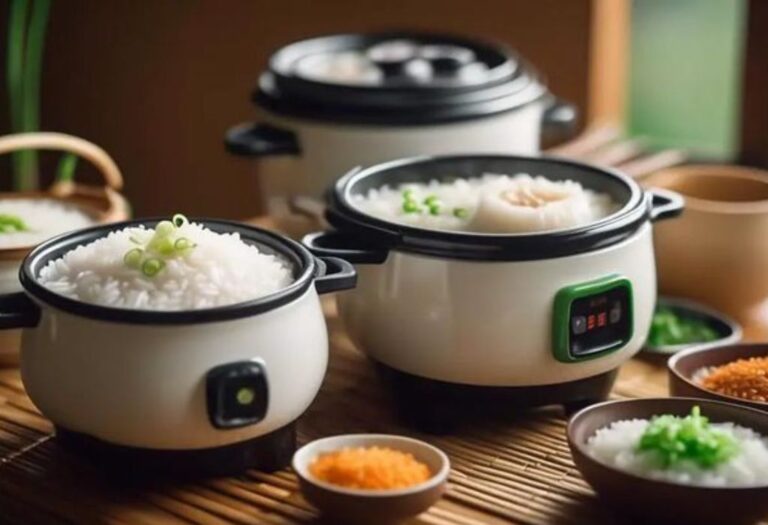
If your rice cooker keeps switching off your power, you’re not alone! Many people experience this, especially when starting out. Finding out why rice cooker trips breaker can seem tricky, but it’s usually due to a few common issues. Don’t worry, though, because it’s usually not a big problem, and fixing it is often straightforward. We’ll explore the main causes and provide simple steps to help you get your rice cooking without any power interruptions. Let’s find out what’s happening and get your rice cooker back to work!
Common Reasons Your Rice Cooker Trips the Breaker
When a rice cooker trips the circuit breaker, it means that too much electricity is trying to flow through the circuit. This is a safety feature that prevents electrical fires and damage to your home’s wiring. Figuring out the reason helps you understand and resolve the issue. There are several typical causes, from simple overloads to more complex appliance problems. Recognizing the source makes it easier to find a fix. These reasons are often easily fixed with a bit of troubleshooting. Let’s explore some frequent causes.
Overloading the Circuit
Overloading occurs when you plug too many devices into the same circuit. Each electrical circuit in your home is designed to handle a certain amount of power. When you exceed this amount, the breaker detects the excess current and trips, shutting off power to protect the wiring. Think of it like a highway with a set capacity; too many cars lead to a traffic jam and potential accidents. Likewise, too many appliances drawing power on one circuit can cause the breaker to trip. The rice cooker, in particular, often draws a significant amount of power when it’s operating. This is especially true when it switches to the “keep warm” mode, where it maintains a constant temperature. This can combine with other devices to overload the circuit.
-
- High Wattage Appliances: Devices like microwaves, toasters, and hair dryers draw a lot of power.
These devices often need significant amounts of power to operate efficiently. The rice cooker, especially during the cooking phase, can draw a substantial amount of electricity. Combining this with a high-wattage appliance on the same circuit greatly increases the likelihood of a trip.
-
- Multiple Devices: Even if each device doesn’t use a lot of power individually, multiple devices drawing power simultaneously add up.
Think about several small lights, a TV, and a phone charger. If they are all plugged in and turned on, they might be drawing enough power to overload a circuit, especially when a rice cooker starts drawing its power.
-
- Older Wiring: Homes with older wiring might have circuits that can handle less power than those in newer homes.
Outdated wiring might not be rated to handle the amount of electricity modern appliances use. This can lead to frequent breaker trips, particularly when using appliances with high power needs.
Faulty Rice Cooker
A defective rice cooker can also trigger the breaker. This doesn’t mean your entire appliance is beyond repair; it could be a smaller problem. Electrical components inside the rice cooker, such as the heating element or the power cord, could be damaged. When these parts malfunction, they can cause an electrical short or draw excessive current, leading to a tripped breaker. It’s essential to check the device and look for any visible signs of damage. Sometimes, a simple fix, like replacing a damaged power cord, will be all that is needed. It’s important to inspect the device to diagnose the source.
-
- Heating Element Problems: The heating element is a critical part, as it’s responsible for cooking the rice.
Over time, the heating element might develop cracks or other issues that cause it to draw too much current or create a short circuit. If the element is damaged, the rice cooker will not work.
-
- Damaged Power Cord: A damaged power cord can expose wires and cause a short.
The cord can get frayed or damaged over time, especially if it’s bent or repeatedly pulled. This can create a pathway for electricity to escape, causing a short circuit, and leading to the breaker tripping. This is why you should always inspect your cords.
-
- Internal Wiring Issues: Loose or corroded wiring inside the rice cooker can cause electrical shorts.
This is a less common issue, but it can happen, particularly in older rice cookers. These issues may require professional repair.
Circuit Breaker Issues
Sometimes, the problem isn’t with the rice cooker itself, but with the circuit breaker or electrical panel. Breakers can become faulty over time, particularly if they are old or have been tripped repeatedly. A breaker that is too sensitive or damaged may trip even when the appliance isn’t drawing too much current. If a breaker is old, it might not function correctly. It might trip at a lower current level than it is designed for. Therefore, it’s worth checking this part of the system when trouble starts. If the breaker is old, consider consulting with an electrician to replace it.
-
- Breaker Age: Older breakers can become less reliable and trip more easily.
Breakers are designed to last a long time, but their lifespan is not endless. Older breakers may become less sensitive and more likely to trip even with normal electrical loads. They can also degrade over time due to wear and tear.
-
- Loose Connections: Loose wires in the electrical panel can cause intermittent problems.
Loose connections can create resistance, generating heat and potentially leading to a breaker trip. This is a hazardous situation, so it’s critical to address any loose connections immediately. Never try to work on your electrical panel unless you’re a qualified electrician.
-
- Breaker Type: A breaker that isn’t the right type for your circuit might trip prematurely.
Breakers come in various types, depending on the circuit’s needs. If the wrong type of breaker is installed, it may not function correctly. For instance, using a breaker with too low of an amperage rating can lead to frequent trips.
Simple Steps to Solve Why Rice Cooker Trips Breaker

Troubleshooting is the key to identifying and fixing the issue when a rice cooker trips the breaker. These steps are designed to help you determine the cause. By carefully investigating the situation, you can often pinpoint the problem and take action. These steps, starting with the simplest, are designed to make it easy for you to tackle the issue. Remember to always take the necessary safety precautions when dealing with electricity.
Isolate the Problem
The first step is to see if the problem only happens when using your rice cooker. This helps determine whether the rice cooker itself is the problem. If it only trips when you use the rice cooker, the issue is likely with the device or the outlet it’s plugged into. If the breaker trips even without the rice cooker, the issue might be with the circuit or other devices on that circuit. This helps to narrow down the possible causes. Let’s go through a step-by-step approach.
-
- Unplug Other Devices: Unplug all other appliances and devices from the same circuit as the rice cooker.
By unplugging everything else, you can quickly determine whether the rice cooker is the sole source of the problem. If the breaker no longer trips when only the rice cooker is plugged in, the issue might be the circuit overloading.
-
- Test the Rice Cooker in a Different Outlet: Try plugging the rice cooker into a different outlet, ideally on a different circuit.
This will determine if the outlet is faulty. If the breaker still trips when plugged into another outlet, the problem is more likely with the rice cooker itself.
-
- Test Other Appliances: Plug another appliance, like a lamp, into the same outlet the rice cooker uses.
If the lamp works fine, the outlet itself is probably not the issue. This helps you confirm whether it’s the rice cooker or something else on the circuit.
Inspect the Rice Cooker
Carefully examining the rice cooker can reveal visible problems. Look for any signs of damage to the power cord, the exterior of the device, or the heating element. You may find that a simple repair is all that is required to bring your cooker back to working order. Always make sure to unplug the rice cooker before performing any inspection to avoid the risk of electrical shock. Regular inspections can help identify potential problems before they lead to more significant issues.
-
- Check the Power Cord: Examine the power cord for any cuts, frays, or damage.
A damaged cord can create a short circuit and cause the breaker to trip. Carefully feel along the cord, looking for any signs of wear. If you find damage, replace the cord immediately.
-
- Look for Internal Damage: Check for any signs of burning or damage inside the rice cooker.
While the inside of the rice cooker should be dry, look for signs of discoloration. If you notice any unusual smells or burn marks, it may indicate a problem with the heating element or wiring.
-
- Examine the Heating Element: Make sure the heating element looks intact and isn’t damaged.
The heating element is the key component that cooks the rice. If it is cracked or damaged, it can cause the rice cooker to malfunction. If you see visible damage, it’s best to consult a professional.
Evaluate Your Electrical System
Your home’s electrical system plays a vital role. Assessing this system involves checking the circuit breaker panel. It is also important to consider the age of your wiring. Older or damaged electrical components can contribute to tripping breakers. Identifying problems early can prevent more significant electrical issues. If you are uncomfortable working with electrical systems, consult a professional electrician.
-
- Check the Breaker Panel: Identify which circuit breaker controls the outlet.
Knowing which breaker controls the outlet allows you to troubleshoot the correct circuit. Take a look at your circuit breaker panel to check which breaker is linked to the outlet where you use the rice cooker.
-
- Examine the Breaker: Look for any signs of damage or wear on the breaker.
Check the breaker to see if it appears to be damaged or if it has tripped frequently. Breakers are designed to protect your home’s electrical system, and any damage can lead to issues. Look at the breaker to see if it is in the “off” position.
-
- Wiring Condition: Assess the age and condition of the wiring in your home.
Older homes may have wiring that is not designed to handle modern electrical loads. This can be a safety concern. Inspect the wiring to see if there are any visible signs of damage, such as frayed or exposed wires.
Preventing Breaker Trips With Your Rice Cooker
Preventing breaker trips involves understanding and managing the electrical demands of your appliances. By adopting a few easy practices, you can minimize the risk of overloading circuits. This will also make sure that your appliances and your home’s electrical system are safe. These practices are all designed to keep the power flowing and prevent any sudden outages while you are cooking. Implementing these practices is usually simple.
Managing Power Consumption
Power consumption is a key factor. Using devices with high power demands can increase the chance of a breaker tripping. To avoid this, it’s best to be aware of the wattage of your appliances. If you’re using several high-wattage devices at once, it’s more likely that the breaker will trip. This is about making smart choices about how you use your electrical appliances. Consider spreading out the use of appliances that draw a lot of power. These steps can make a big difference in avoiding power interruptions.
-
- Spread Appliance Use: Avoid running high-power appliances simultaneously on the same circuit.
This includes appliances such as the rice cooker, microwave, toaster oven, and hair dryer. Spread out the use of these appliances so they aren’t all drawing power at once. Try to use appliances on different circuits at the same time.
-
- Use Energy-Efficient Appliances: Choose appliances with lower wattage ratings when possible.
When shopping for new appliances, look for models that use energy-efficient designs. These appliances often draw less power. Using appliances with lower wattage ratings reduces the strain on your electrical circuits. As a result, they are less likely to trip the breaker.
-
- Avoid Overloading Outlets: Don’t plug too many devices into a single outlet or power strip.
Using too many devices in one outlet can overload the circuit and cause the breaker to trip. When you need to plug in multiple devices, consider using multiple outlets that are on different circuits. Be aware of the capacity of the power strip.
Proper Rice Cooker Usage
How you use your rice cooker can also affect your home’s electrical system. Following some simple guidelines for its use will reduce the chance of any issues. It will ensure that the device runs safely. Maintaining your rice cooker regularly can help to prevent problems. This will also extend its working life. These methods are designed to help you cook rice without interruption.
-
- Follow Manufacturer’s Instructions: Always follow the manufacturer’s instructions for using your rice cooker.
The instructions provide the best guidance for operating your appliance safely. Be aware of the recommended cooking times, amount of rice to cook, and the maximum power consumption.
-
- Regular Cleaning: Regularly clean the rice cooker to prevent build-up.
Cleaning your rice cooker will keep it working properly. Follow the manufacturer’s instructions for cleaning the inner pot and any other parts that need cleaning. Be sure to unplug the device from the outlet before cleaning it.
-
- Inspect Regularly: Check the power cord and other components of the rice cooker for damage.
Regular inspection of the appliance can detect potential issues before they cause problems. If you notice any damage, have the device repaired or replaced.
Electrical System Upgrades
Sometimes, the best solution involves upgrading your home’s electrical system. This might be necessary if you regularly experience tripping breakers. An upgrade can improve safety. It will also make sure that your home’s electrical system can handle the needs of your appliances. If you are experiencing frequent breaker trips, it might be time to consider these options. They can help prevent future problems. Always consult with a qualified electrician when making any electrical upgrades.
-
- Upgrade Breaker Panel: Consider replacing your breaker panel with one that has higher capacity.
A new breaker panel can provide greater electrical capacity. It will help to prevent the breaker from tripping. This upgrade is especially important if you’re using multiple high-power appliances.
-
- Add Circuits: Install additional circuits to distribute the electrical load.
Adding more circuits can help to prevent overloading individual circuits. If you frequently use many appliances simultaneously, this can greatly reduce breaker trips. This is something that you should always leave to a professional.
-
- Professional Inspection: Have a licensed electrician inspect your home’s electrical system.
A professional inspection can identify potential issues. The electrician can make recommendations for repairs or upgrades. They can also ensure that your system is up to code.
Why Rice Cooker Trips Breaker: Real-World Examples
Understanding real-world scenarios helps to better grasp why these problems happen. Here are a couple of examples that you might find familiar. They also demonstrate how problems can occur and how they can be fixed. These examples show what often happens in ordinary homes. They also present the issues and the outcomes.
-
- Case Study 1: The Kitchen Chaos: Sarah was preparing dinner. She was cooking rice in her rice cooker. Simultaneously, she was using her microwave to heat leftovers, and her toaster oven to toast bread. Suddenly, the power went out in her kitchen. The breaker in the electrical panel had tripped. Upon investigation, Sarah realized all three appliances were plugged into outlets on the same circuit. By unplugging the microwave and toaster oven while the rice cooker was running, she resolved the issue.
This example shows how several devices drawing power simultaneously on the same circuit can cause a breaker to trip. In this case, unplugging less-critical appliances while the rice cooker was in use fixed the problem. She learned to spread out the use of her appliances.
-
- Case Study 2: The Old Rice Cooker: John’s old rice cooker kept tripping the breaker, even when he used it by itself. After trying to isolate the problem, he realized that the breaker would trip as soon as the rice cooker began to heat up. He then inspected the power cord and saw some fraying. John replaced the power cord and the rice cooker worked fine. This suggests that the internal wiring of the rice cooker had become degraded over time.
This example highlights the importance of regular inspection and appliance maintenance. John’s discovery of the damaged power cord showed the importance of preventative care. The problem was easily fixed by replacing the cord.
Frequently Asked Questions
Question: Why does my rice cooker trip the breaker when it is brand new?
Answer: A brand-new rice cooker can trip the breaker if it’s drawing too much power relative to the circuit’s capacity. Make sure you’re not overloading the circuit by plugging in other high-wattage appliances simultaneously. Also, it might be the rice cooker itself is faulty.
Question: Can a faulty outlet cause my rice cooker to trip the breaker?
Answer: Yes, a faulty outlet can cause the breaker to trip. Damaged wiring or loose connections in the outlet can create a short circuit or cause the rice cooker to draw more current than it should, triggering the breaker.
Question: What should I do if my rice cooker trips the breaker repeatedly?
Answer: If the rice cooker trips the breaker repeatedly, unplug the rice cooker and check the power cord for damage. If the cord is fine, try using the cooker in a different outlet on a different circuit. If it still trips, the rice cooker may be faulty and need repair or replacement.
Question: Is it safe to use a rice cooker with a damaged power cord?
Answer: No, it is not safe to use a rice cooker with a damaged power cord. A damaged cord can expose live wires and create a fire hazard or risk of electrical shock. Replace the cord immediately.
Question: Can I fix a rice cooker that keeps tripping the breaker myself?
Answer: You can often troubleshoot and address common issues, like overloading the circuit or a faulty power cord. However, electrical repairs can be dangerous. For internal electrical issues or any issues you’re not comfortable with, it’s best to consult a qualified electrician or appliance repair specialist.
Final Thoughts
When your rice cooker trips the breaker, it can be frustrating. However, in most cases, it’s an easily fixable issue. We have explored the different reasons why rice cooker trips breaker, from overloading the circuit to problems with the rice cooker itself. By following the steps outlined, you can often identify and resolve the issue quickly and safely. Regular maintenance of your rice cooker and being aware of your home’s electrical load can prevent these issues. Remember to always prioritize safety when dealing with electricity. Don’t hesitate to ask a qualified electrician if you are unsure.

I’m Emma J. Caldwell, the founder, lead writer, and home-cooking enthusiast behind KitchenGuideCo.com. With a background in culinary arts and over a decade of cooking experience in both professional and personal kitchens, I created this platform to demystify recipes, offer smart kitchen gadget reviews, and guide readers through meal prep with confidence and clarity.