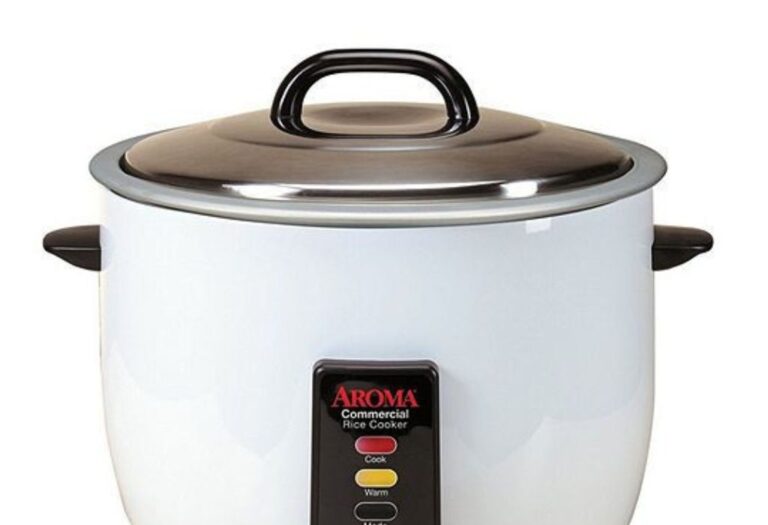
It’s frustrating when you’re ready for a delicious meal, and your rice cooker just won’t start. Finding out why rice cooker doesn’t switch to cook mode can be confusing for anyone learning to cook. Don’t worry; it’s usually a simple fix. We’ll explore the common reasons and guide you through easy solutions to get your rice cooking perfectly. Ready to become a rice-cooking pro? Let’s explore the possible issues together!
Common Problems With Rice Cooker Operation
One of the first things people notice is their rice cooker acting up during the cooking process. Issues here can include the cooker refusing to turn on, not switching to the “cook” cycle, or turning off before the rice is fully cooked. These problems can seem frustrating if you’re trying to quickly prepare a meal. But, often, they stem from a few core issues that are easy to troubleshoot. Before you assume your machine is broken, there are some simple checks you can do to pinpoint the problem. These checks can save you time and money before buying a new one.
Power Supply Troubles
The first thing to check is the power. This seems obvious, but many times, a simple power problem is the root cause. This could be due to a faulty outlet, a loose power cord connection, or a tripped circuit breaker. It’s also important to make sure the rice cooker itself isn’t damaged. The power cord may seem fine on the outside, but it could have internal damage from being bent or pinched.
- Check the Outlet: Plug another appliance, such as a lamp or a phone charger, into the same outlet to ensure it’s working. If the other device doesn’t work, the outlet is likely the problem.
- Inspect the Power Cord: Look over the power cord for any visible damage, such as cuts, frays, or loose connections. Replace the cord if any damage is found.
- Reset the Circuit Breaker: If the rice cooker is on its own circuit, check your home’s circuit breaker box and reset the breaker if it’s tripped.
- Test the Rice Cooker Elsewhere: Try plugging the rice cooker into a different outlet in your house to rule out issues with the original outlet.
Checking and correcting a power problem often solves the issue. Once the power supply is verified, the cooker should operate correctly. This is a simple step, yet it is often the cause of the problem, so it’s a good place to start.
Internal Switch Problems
If the power supply is good, the next place to look is the internal components. Inside the rice cooker, there’s a switch and a thermostat that control the cooking process. These can fail over time. The switch is usually a simple mechanical device that gets pressed when the lid is closed or the cooking cycle is started. The thermostat detects the internal temperature of the rice cooker. When the temperature reaches a certain level, the switch will activate the “keep warm” mode. If either of these components malfunctions, the rice cooker may not switch to cook mode.
- Test the Lid Switch: Many rice cookers have a safety switch on the lid. This switch ensures the cooker won’t operate if the lid isn’t properly closed. Check to make sure the lid closes securely and activates the switch.
- Inspect the Thermostat: The thermostat is usually located at the bottom of the cooking pot. Over time, it can become damaged or may not be functioning correctly.
- Look for Overheating: If the rice cooker has overheated, it may have shut down to protect itself. Allow the cooker to cool completely before trying to use it again.
- Contact Customer Support: If you suspect an internal switch or thermostat problem and you are not confident in repairing the cooker yourself, contact the manufacturer’s customer support. They can provide advice or arrange for repairs.
Internal switch problems are harder to resolve, but with a few simple checks, you can diagnose the issue. Often, simply knowing where to look can save you time and help you decide if you need to call in a professional.
Water and Rice Ratio Issues
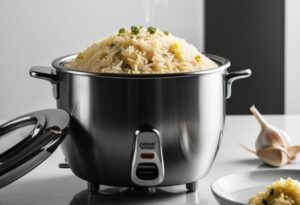
The correct water and rice ratio is key to perfectly cooked rice. Too much or too little water can affect how well the rice cooks. It can also cause the rice cooker to have problems switching to cook mode. If there’s too much water, the cooker may sense the rice isn’t ready. If there’s too little water, the rice might burn, and the cooker might turn off before the rice is done. Getting this right is very important for how well the machine will work.
Water Quantity Matters
The amount of water needed depends on the type of rice you’re using. Different types of rice, such as white rice, brown rice, or wild rice, require different amounts of water for optimal cooking. Always use the water-to-rice ratio specified in your rice cooker’s manual or on the rice package. When you add too much water, the rice may become mushy and the cooker may take longer to cook. On the other hand, too little water can cause the rice to burn and the cooker to switch off prematurely.
- Follow Instructions: Always use the water-to-rice ratio listed in your rice cooker’s manual. This is the first place to look.
- Measure Accurately: Use the measuring cup that came with your rice cooker. This cup is often the right size for the machine.
- Adjust for Rice Type: Understand that brown rice generally requires more water than white rice. Make small adjustments based on the type of rice.
- Check During Cooking: If you’re using a manual cooker, you can gently lift the lid (carefully!) towards the end of the cooking cycle to check if the rice is getting too dry.
Using the right amount of water is crucial for great rice. It impacts not only the texture and taste of the rice but also how the cooker itself functions. By making these adjustments, you can ensure that your rice cooks to perfection and your rice cooker works correctly.
Rice Quality Considerations
The type and age of your rice can also impact its cooking performance. Fresh rice generally requires less water than older rice, which may be drier. Rice that has been stored for a long time might need a bit more water to cook properly. The rice’s quality and age play a big role in how it absorbs water and, therefore, how it cooks in your rice cooker.
- Freshness: Use rice that is as fresh as possible for the best results. The fresher the rice, the better the cooking experience.
- Storage: Store your rice in a cool, dry place to maintain its quality and moisture content.
- Rice Type: Different types of rice (e.g., long-grain, short-grain, jasmine, basmati) have different water absorption rates. Know the type of rice you have to adjust accordingly.
- Check Packaging: Always read the rice packaging for the recommended water-to-rice ratio and cooking instructions.
Paying attention to the water-to-rice ratio and the quality of your rice will help you cook great rice every time. Small changes in your method can make a big difference.
Cleaning and Maintenance of the Rice Cooker
Regular cleaning is important to ensure your rice cooker works efficiently. Leftover rice and food particles can impact how the cooker functions and might affect its ability to switch to cook mode. Proper maintenance keeps the cooker running well for many years. Neglecting cleaning and care can lead to problems, so here’s how to do it right.
Cleaning the Cooking Pot
The cooking pot is the most important part to clean. Rice and other food can stick to the pot’s surface, burning the rice and creating a difficult-to-clean residue. This residue can also interfere with the cooker’s heat sensor, causing it to misjudge the cooking process. Over time, build-up in the pot can affect how the rice cooker heats and cooks the rice, and it may not switch to cook mode.
- Wash After Each Use: Clean the inner pot thoroughly after each use. Remove any remaining rice or residue.
- Use Warm Water and Soap: Use warm, soapy water and a soft sponge to clean the pot. Avoid abrasive cleaners or metal scrubbers that can damage the non-stick coating.
- Soak Stubborn Residue: For food that sticks, let the pot soak in warm, soapy water for a while before trying to scrub it off.
- Dry Thoroughly: Ensure the inner pot is completely dry before placing it back in the rice cooker.
Keeping the inner pot clean is essential for proper cooker function. It also helps prevent burned rice and ensures that each batch of rice cooks perfectly. Regular cleaning protects both the rice cooker and your food.
Lid and Vent Care
The lid and vent also need cleaning. Food particles and steam can build up on the lid and in the steam vent, causing odors and possibly affecting the cooker’s operation. These parts need regular cleaning to keep the rice cooker in good working order. Proper care of the lid and vent helps keep the cooker fresh, preventing messes.
- Wipe the Lid: Wipe down the lid after each use. Use a damp cloth to clean the inside and outside of the lid.
- Clean the Vent: The steam vent can become clogged with steam and rice particles. Remove the vent and clean it regularly.
- Disassemble for Deep Cleaning: Some rice cookers allow you to remove the lid for a more thorough cleaning. Follow the instructions for your specific model.
- Check for Damage: Inspect the lid and vent for any damage, such as cracks or broken parts.
By regularly cleaning the lid and vent, you maintain the cooker’s cleanliness and ensure that steam escapes freely. This prevents pressure buildup and ensures that your cooker works well.
Troubleshooting and Prevention
Even with careful use, problems can still arise. These issues can often be solved quickly by following the correct procedures. By understanding common issues and knowing the basic steps to take, you can get your rice cooker working again. Here are the steps to keep in mind, along with some tips to prevent problems from happening in the first place.
Step-by-Step Troubleshooting
If your rice cooker isn’t switching to cook mode, a methodical approach is the best way to find the issue. By following a step-by-step process, you can find the source of the problem and get your rice cooker back in order. From checking the power to cleaning and checking the components, a systematic approach is more efficient.
- Check the Power Supply: First, ensure the rice cooker is plugged in and the outlet is working. Try a different outlet and check the power cord.
- Examine the Water and Rice Ratio: Ensure the water-to-rice ratio is correct, using the measuring cup provided or by following the cooker instructions.
- Check for Obstructions: Inspect the inner pot, lid, and vent for any food residue or blockages. Clean them thoroughly.
- Inspect the Lid and Switch: Make sure the lid closes securely and activates the switch. If it has a switch, make sure it functions correctly.
- Allow for Cooling: If the cooker has been used excessively, allow it to cool down before trying again.
A simple, ordered approach helps resolve the problem. Often, the cause of the problem can be identified and fixed quickly. If these steps do not work, it might be time to seek expert help.
Preventative Measures
Taking a few extra steps can help to avoid problems. Regular maintenance and proper use can extend the life of your rice cooker and ensure it continues to operate well. Simple measures like using the correct water-to-rice ratio and cleaning the components regularly can prevent problems from occurring in the first place. You’ll save time and money by being proactive with your rice cooker’s care.
- Use the Correct Water-to-Rice Ratio: Always follow the instructions from the manufacturer or on the rice package.
- Clean After Each Use: Clean the inner pot, lid, and vent after each use. This helps prevent food buildup and ensures that the cooker works correctly.
- Avoid Overfilling: Do not overfill the rice cooker. Stick to the maximum capacity recommended by the manufacturer to prevent spills and damage.
- Read the Manual: Consult your rice cooker’s manual for specific instructions and recommendations for use and maintenance.
By using these steps, you can keep your rice cooker in great shape for a long time. These easy-to-do steps help protect your cooker and make sure you cook great rice every time.
Frequently Asked Questions
Question: Why isn’t my rice cooker turning on at all?
Answer: Check the power supply first. Make sure the rice cooker is plugged in and the outlet is working. You can try a different outlet to rule out outlet issues. Also, look at the power cord for damage.
Question: What should I do if my rice cooker is burning the rice?
Answer: This is usually because there’s not enough water. Verify that you’re using the correct water-to-rice ratio as indicated in your cooker’s manual. Additionally, consider the type and age of your rice.
Question: Can I use any type of rice in my rice cooker?
Answer: Yes, you can cook various types of rice, but different rice types need different water amounts and cooking times. Always check your rice cooker’s manual or the rice packaging for the best method.
Question: How often should I clean my rice cooker?
Answer: Clean the inner pot, lid, and vent after each use. This removes food residue and keeps the cooker functioning. For a deeper cleaning, follow the directions in your manual.
Question: What if the rice cooker still doesn’t work after troubleshooting?
Answer: If the rice cooker still doesn’t work, there might be internal component problems. It may be time to contact the manufacturer’s customer service or take the cooker to a professional for repair.
Final Thoughts
If your rice cooker isn’t switching to cook mode, it’s often a common issue with easy solutions. We’ve explored the most likely problems, including power issues, incorrect water ratios, and maintenance necessities. By simply checking the outlet and power cord, ensuring the correct water-to-rice amount, and keeping your cooker clean, you can often fix the problem. Remember, different types of rice need specific ratios, and consistent cleaning is key to long-term performance. Whether you’re a beginner or an experienced cook, these checks will help. Apply these simple steps to ensure perfect rice every time. Go ahead, get cooking, and enjoy your delicious meals!

I’m Emma J. Caldwell, the founder, lead writer, and home-cooking enthusiast behind KitchenGuideCo.com. With a background in culinary arts and over a decade of cooking experience in both professional and personal kitchens, I created this platform to demystify recipes, offer smart kitchen gadget reviews, and guide readers through meal prep with confidence and clarity.