If you’ve recently gotten a rice cooker, you might be wondering what does warm mode do in rice cooker. It’s a common question, especially for those new to cooking rice. Don’t worry, it’s pretty simple! This blog post will break down warm mode, step by step, so you can start cooking rice with confidence. We’ll explore exactly how it works and how to best use it for perfectly cooked rice, every time. Get ready to explore the easy answers!
The Simple Purpose of the Rice Cooker’s Warm Mode
The “warm mode” on a rice cooker is there to keep your cooked rice at a nice, safe eating temperature until you’re ready to serve it. It prevents the rice from getting cold and hard after the cooking cycle is complete. Think of it like a built-in holding feature that ensures your rice stays fluffy and ready to eat. This feature is particularly helpful for busy individuals or families who might not be able to eat their rice the instant it’s finished cooking. It removes the need for reheating, which can sometimes dry out the rice.
When the cooking cycle finishes, most rice cookers automatically switch to warm mode. This keeps the rice warm without continuing to cook it. The rice cooker maintains a slightly lower temperature than the cooking temperature, preventing further cooking while keeping the rice at a safe temperature to eat. It’s all about convenience, ensuring that your rice is ready when you are. Knowing the functionality of warm mode enhances your rice-cooking experience, promoting ease of use and superior outcomes.
How Warm Mode Works and Its Functionality
The warm mode functionality is designed to provide a gentle, even heat that keeps the rice at an ideal serving temperature. Rice cookers use a low-wattage heating element to maintain this temperature, often around 140-160°F (60-70°C). This temperature range is high enough to prevent bacterial growth, ensuring food safety, but low enough that it won’t continue to dry out or burn the rice. The technology behind warm mode is simple yet effective.
- Heat Retention: The rice cooker’s design, including its insulated pot and lid, helps retain heat, minimizing energy use while still keeping the rice warm.
- Temperature Sensors: Sensors within the rice cooker monitor the temperature of the pot. When the cooking cycle is finished, these sensors trigger the switch to the warm mode.
- Automatic Transition: Most rice cookers automatically transition to warm mode at the end of the cooking cycle. Some models allow you to manually select the warm mode as needed.
The warm mode is a convenient tool that also helps preserve the rice’s moisture and texture for a certain period. The time the rice can stay warm depends on the model. Some keep rice for hours with a minimal effect on its quality. Remember that while the warm mode is useful, the rice quality can decline over a longer time, and it is preferable to serve rice soon after it’s cooked for the best taste and texture.
Safety and Longevity: Keeping Rice Safe and Fresh
Safety is a significant consideration, especially regarding food preservation. The warm mode plays a key role in keeping the rice safe from bacterial growth. The holding temperature prevents harmful microbes from multiplying, which makes the rice safe to consume. The correct temperature range helps to maintain the quality of the rice, preventing the growth of harmful bacteria. Always make sure your rice cooker is clean before cooking.
- Preventing Bacterial Growth: Maintaining the correct temperature is important in stopping bacterial multiplication that could ruin the rice.
- Moisture Preservation: The lid of the rice cooker helps to trap moisture, preventing the rice from becoming too dry.
- Recommended Holding Times: While warm mode is helpful, it is advisable not to leave rice in this mode for too long, preferably no longer than 12 hours, for the best quality and flavor.
Always inspect the rice before eating, particularly if it’s been in warm mode for an extended period. If the rice has an unusual smell or looks different, it might not be safe to eat. Following the manufacturer’s instructions is helpful when using the warm mode. It will help guarantee both the safety and the quality of your rice.
Variations in Rice Cookers’ Warm Modes
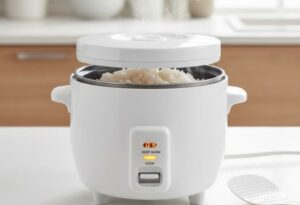
While the basic function of warm mode remains consistent across rice cooker models, there are variations to be aware of. This can include features such as extended warm settings or auto-shut-off timers. These features often have a direct effect on the performance and convenience. These variations could include timer settings, different temperature settings, and the level of insulation within the rice cooker. Understanding these differences can assist you in selecting the right rice cooker model to match your individual needs.
The capabilities of warm modes can vary from basic models to advanced versions. Higher-end models may have advanced features, such as adjustable warm settings designed to maintain the texture and flavor of the rice for a longer period. Different brands may incorporate their own technological advancements. Exploring these variations helps you optimize the use of your rice cooker and make your rice-cooking experience even more convenient.
Advanced Warm Mode Features
Some rice cookers include advanced features to improve the warm mode. This can involve settings that help maintain the quality of different types of rice. These settings typically use precise temperature control and more effective moisture management, providing a better result for the end user.
- Extended Warm Settings: Some rice cookers offer settings that keep rice warm for longer periods, which is ideal if you want your rice to be ready for several hours.
- Moisture Control: Certain models include features to prevent the rice from drying out, which is achieved through specific designs of the lids or by automatic adjustments to the heating element.
- Timer Functionality: Many rice cookers have a timer function, which enables you to set the cooking and warm cycle. This gives you extra convenience.
These advanced features allow for better cooking and can improve the quality of the rice. Also, the added convenience makes the cooking process smoother. Considering these features can guide you in choosing the best rice cooker for your requirements.
Comparing Warm Mode across Rice Cooker Models
When picking a rice cooker, contrasting the warm mode features between various models is crucial. The key elements to consider are the maximum duration the rice can be kept warm, the quality of the temperature management, and the existence of supplementary features. Various models vary considerably in these areas.
| Feature | Basic Model | Mid-Range Model | High-End Model |
|---|---|---|---|
| Warm Mode Duration | Up to 6 hours | Up to 12 hours | Up to 24 hours |
| Temperature Control | Basic | Good | Precise, adjustable |
| Moisture Control | Limited | Moderate | Advanced, prevents drying |
| Additional Features | None | Timer, Keep Warm indicator | Multiple rice settings, extended warm, LCD |
Selecting the best model depends on your individual needs. If you require rice to be warm for extended periods, a model with a longer warm mode duration might be ideal. Meanwhile, if you appreciate advanced temperature control and features, a higher-end model will be a better option.
Practical Usage of Warm Mode in Daily Life
The warm mode is a practical tool that has a direct impact on your cooking habits. It adds versatility and convenience to your meal planning. It’s helpful if you cook rice in advance or prepare a meal that requires rice but that won’t be eaten immediately. The ability to cook rice ahead of time without needing to reheat it makes meal preparation easier and more manageable.
Understanding how to use warm mode effectively can enhance your cooking experience and reduce wasted rice. The feature offers greater flexibility in your cooking schedule. The correct use of warm mode guarantees that rice is ready when you are. It also helps to prevent food waste, ensuring that any leftovers are perfectly edible and delicious.
Meal Planning and Timing Advantages
The warm mode makes meal planning simpler. You can cook rice in the morning, for instance, and have it ready to serve at dinner time without needing to supervise the cooking process. This is particularly convenient during busy days or when you have to prepare multiple dishes. It offers great flexibility and reduces the amount of time required in the kitchen. Having perfectly cooked rice that’s ready to eat is a real time saver.
- Batch Cooking: Cook a larger amount of rice than you need and store the remainder in warm mode for later use, reducing the amount of work on busy days.
- Flexibility: The warm mode allows you to adjust your mealtime to suit your schedule. You don’t have to rush to eat the rice as soon as it’s cooked.
- Side Dish Preparation: Use the warm mode to keep rice warm while you are preparing the rest of the meal, making dinner service more streamlined.
With these meal planning techniques, warm mode becomes an essential tool to make meals convenient and enjoyable. It empowers you to eat home-cooked rice at any time.
Real-Life Examples and Scenarios
To grasp the practicality of warm mode, it is helpful to look at some real-life applications. Here are some scenarios where warm mode is particularly beneficial. These examples highlight the ways in which warm mode simplifies cooking and enhances meal experiences.
- Family Dinner: Imagine a busy weeknight where you’re cooking chicken and vegetables alongside rice. By using the warm mode, you can cook the rice first and then focus on preparing the rest of the meal, knowing the rice will be ready when the rest of the food is complete.
- Weekend Meal Prep: On a Sunday, you can cook a large batch of rice and store it in warm mode. Then, you can use it throughout the week in various meals, such as fried rice, rice bowls, or as a side dish, which greatly simplifies meal prep for the entire week.
- Potlucks or Gatherings: When hosting a gathering, the warm mode ensures that your rice remains warm and fresh, even if the other dishes are not immediately ready. This eases the stress of meal preparation.
These examples highlight the flexibility and convenience that warm mode provides. By incorporating warm mode into your cooking practices, you can make your meal preparation simpler and more adaptable to your schedule. The warm mode helps ensure that you can consistently enjoy perfectly cooked rice, ready whenever you need it.
Troubleshooting and Best Practices
While warm mode is mostly simple, there are some aspects to be aware of. The duration the rice is kept in the warm mode, as well as the type of rice being cooked, might have an impact on the end result. By following these guidelines, you can ensure the best results and keep your rice perfectly cooked and delicious.
Correct handling and care are crucial for optimum performance of warm mode. Understanding the potential challenges and best practices can help you prevent issues such as drying out or developing an off-taste. This guarantees that your rice will remain in good condition and prepared properly every time.
Avoiding Common Issues
Even though the warm mode is mostly user-friendly, issues can arise if you do not pay attention to certain aspects of using the feature. It’s important to acknowledge some common issues and how to avoid them to have the best results.
- Overheating: Although warm mode is intended to keep the rice warm, leaving the rice in the warm mode for an extended period can dry it out. Try to eat the rice within 12 hours of the cooking.
- Flavor Degradation: Extended use of warm mode might diminish the flavor and texture of the rice. For optimal quality, eat the rice as soon as possible after cooking.
- Condensation Issues: Moisture can build up inside the rice cooker, especially if it isn’t used frequently. This can affect the texture of the rice. Open the lid briefly to release excess moisture if required.
By preventing these common problems, you can guarantee that the warm mode serves its purpose of keeping your rice fresh and tasty, improving your overall cooking experience.
Optimizing Warm Mode Usage for Best Results
To maximize the benefits of the warm mode, adopt some best practices. This will help maintain the quality of the rice and improve the cooking experience.
- Use Freshly Cooked Rice: The warm mode works best with rice that has just been cooked. Cooking fresh rice ensures better flavor and texture than trying to warm already cooked rice.
- Monitor Duration: Pay attention to how long the rice has been in warm mode. Try to eat the rice within a reasonable period, usually within 12 hours, for the best quality.
- Proper Storage (If Necessary): If you plan to store the rice for a longer time, transfer it to an airtight container after it’s been in warm mode and refrigerate it. This will help maintain its quality and prevent spoilage.
By following these best practices, you can get the best possible outcomes from using your rice cooker’s warm mode. The tips will ensure that your rice is always ready when you are.
Frequently Asked Questions
Question: How long can rice stay in warm mode?
Answer: It’s generally safe to keep rice in warm mode for up to 12 hours. However, the quality is best if consumed sooner. Over longer periods, the rice may dry out or lose its fresh taste.
Question: Does warm mode use a lot of electricity?
Answer: No, warm mode uses very little electricity. It only needs a small amount of power to keep the rice at a warm temperature.
Question: Can I use warm mode for other grains besides rice?
Answer: Yes, you can use warm mode for other grains, such as quinoa or barley, as well. However, the exact duration and results might vary.
Question: Will the rice dry out in warm mode?
Answer: The rice can dry out if left in warm mode for too long. Most rice cookers try to manage this, but it is best to use it within a few hours to ensure the best texture.
Question: Is it safe to reheat rice that has been in warm mode?
Answer: Yes, it is safe to reheat rice that has been in warm mode, as long as it was stored properly. Reheat it thoroughly to ensure it is hot throughout, ideally steaming hot.
Final Thoughts
Now that you’ve explored what does warm mode do in rice cooker, you have a clear grasp of its simple role. Warm mode is not just a button; it’s a helpful feature that keeps your rice warm and ready to eat, extending the time you have to serve it. This function makes meal preparation easier and more versatile, giving you the ability to prepare rice in advance, or for a busy family or household. You can confidently plan your meals around perfectly cooked rice, without the rush.
Consider the information presented here in your daily cooking. Try experimenting with your rice cooker’s warm mode to see how it fits into your lifestyle. Try cooking rice in the morning and using the warm mode to ensure it’s prepared when you get home from work. Enjoy the convenience of the warm mode and enjoy your cooking!

I’m Emma J. Caldwell, the founder, lead writer, and home-cooking enthusiast behind KitchenGuideCo.com. With a background in culinary arts and over a decade of cooking experience in both professional and personal kitchens, I created this platform to demystify recipes, offer smart kitchen gadget reviews, and guide readers through meal prep with confidence and clarity.