Figuring out if is rice cooker energy efficient can feel tricky when you start. Many wonder if these appliances use a lot of power, especially compared to other ways of cooking. Don’t worry, it’s easier than you might think! This guide will break down how rice cookers work, how much energy they use, and show you some practical ways to save energy. We’ll start by exploring what makes them tick.
How Rice Cookers Work
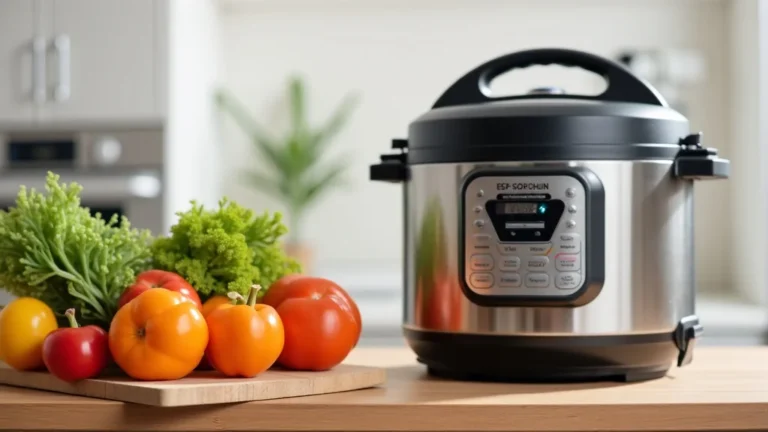
Rice cookers are pretty simple machines. They have a heating element, a cooking pot, and a thermostat. When you plug it in and turn it on, the heating element warms up the pot. This heat is transferred to the water and rice, cooking the rice. Once the water is absorbed or boiled away, the temperature inside the cooker increases. This triggers the thermostat, which switches the cooker to a “keep warm” setting, using much less power. Many people wonder if their cooker is costing them a lot in their electricity bills. But, understanding the basic mechanisms will provide some clarity.
Heating Element Basics
The core of a rice cooker is its heating element. Usually, it’s a coil or plate that sits at the bottom of the cooker. When the cooker is turned on, electricity flows through this element, making it hot. The heat generated then cooks the rice. The power of the heating element is measured in watts (W), and this affects how quickly the rice cooks. Modern rice cookers often have more efficient heating elements that heat up quicker and use less energy overall. Cheaper cookers will take longer and often use more energy, so the initial price is not the whole picture.
- Material Matters: The material of the heating element impacts efficiency. Some are better at transferring heat than others.
- Wattage: Higher wattage means faster cooking, but it can also mean more energy used if not controlled properly.
- Shape and Size: The design of the element affects how evenly heat is distributed. This can influence cooking and energy use.
- Insulation: Good insulation around the heating element keeps heat inside the cooker, reducing energy loss.
A poorly insulated cooker will lose heat to the surroundings, meaning it needs to work harder and use more energy to cook the same amount of rice. This heat loss can significantly affect the overall efficiency of the appliance. Imagine having a poorly insulated house in winter – the heating system must work overtime to maintain a comfortable temperature. Similarly, a rice cooker loses heat to the surroundings if it’s not well-insulated. This inefficiency results in higher energy consumption.
Thermostat Functions
The thermostat is the brain of the rice cooker. It monitors the temperature inside the cooker and controls the heating element. It usually clicks off when the cooking process is complete. When the water boils away and the rice is cooked, the temperature rises. The thermostat senses this change and switches the cooker to “keep warm” mode. This mode uses much less energy to maintain the rice at a warm temperature. The thermostat ensures the rice is cooked perfectly and the cooker doesn’t use more energy than needed.
- Temperature Sensing: The thermostat accurately measures the internal temperature.
- Switching Mechanism: The thermostat turns the heating element on and off as needed.
- Keep Warm Mode: When cooking is done, the thermostat switches to a lower-power “keep warm” setting.
- Precision: A good thermostat prevents overcooking and saves energy.
An accurate thermostat prevents the rice from being overcooked or burnt, which is both a benefit to taste and efficiency. Older models might not be as precise, potentially leading to wasted energy. More advanced rice cookers have digital thermostats, offering more control. The effectiveness of the thermostat directly influences how much energy the cooker uses. Precision means less wasted electricity.
Cooking Pot Design
The cooking pot is more than just a container for rice. Its design affects how well heat is distributed. Many pots are made from metal, like aluminum or stainless steel, which are good at conducting heat. Some rice cookers have non-stick pots to prevent rice from sticking. The material and design of the pot can impact cooking efficiency. A pot that heats up evenly ensures that all the rice cooks uniformly. Even cooking is not only important for the quality of the rice but also minimizes energy usage.
- Material: The material the pot is made from affects how efficiently it transfers heat.
- Thickness: Thicker pots distribute heat more evenly.
- Shape: The shape of the pot affects how the heat circulates.
- Non-Stick Coating: Prevents rice from sticking and makes cleanup easier.
A well-designed pot prevents hot spots and ensures the rice cooks evenly. This even cooking also helps prevent the rice from burning at the bottom, which is a common problem with poorly designed pots. Uneven heating can lead to some parts of the rice being undercooked while other parts are overcooked. This inconsistency not only impacts the quality of the rice but also potentially wastes energy, as the cooker might need to run longer to cook all the rice properly. Non-stick coatings make it easier to clean, and some pots are designed to be more energy-efficient.
Is Rice Cooker Energy Efficient Compared to Other Methods?
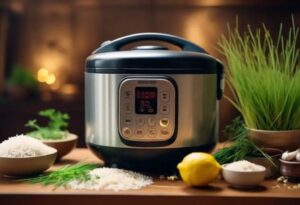
When thinking about is rice cooker energy efficient, comparing it to other cooking methods is helpful. Many people cook rice on the stovetop or in the microwave. We’ll explore how rice cookers stack up against these alternatives in terms of energy consumption. Different methods vary in their efficiency, and the best choice depends on what you are looking for.
Stovetop Comparison
Cooking rice on the stovetop is a classic method. It involves using a saucepan and a burner. However, this method can be less energy-efficient than using a rice cooker. When cooking on the stovetop, you have to monitor the rice, making sure it doesn’t boil over or burn. The heat is less consistent, meaning it may require more energy to ensure the rice is cooked evenly. The open flame or electric burner loses some energy to the surroundings, and the cooking time can be unpredictable.
- Heat Loss: Stovetop cooking often loses heat to the surrounding environment.
- Energy Use: Stovetop cooking can use more energy than a rice cooker due to less efficient heat transfer.
- Cooking Time: Stovetop cooking can take longer, especially if not monitored carefully.
- Efficiency: Overall, stovetop cooking can be less energy-efficient.
The energy consumed by a stove depends on the type (electric or gas), the burner size, and how well you manage the cooking process. Overcooking or burning the rice wastes energy. On average, a stovetop can use more energy than a rice cooker for cooking a comparable amount of rice, especially if you consider the “keep warm” function of a rice cooker. Precision and attention are needed to control the energy consumption of a stovetop, which makes it less efficient for many people.
| Cooking Method | Energy Efficiency | Notes |
|---|---|---|
| Rice Cooker | Generally higher | Uses less energy overall. “Keep Warm” function is efficient. |
| Stovetop | Generally lower | Can be less efficient due to heat loss and monitoring needs. |
Microwave Comparison
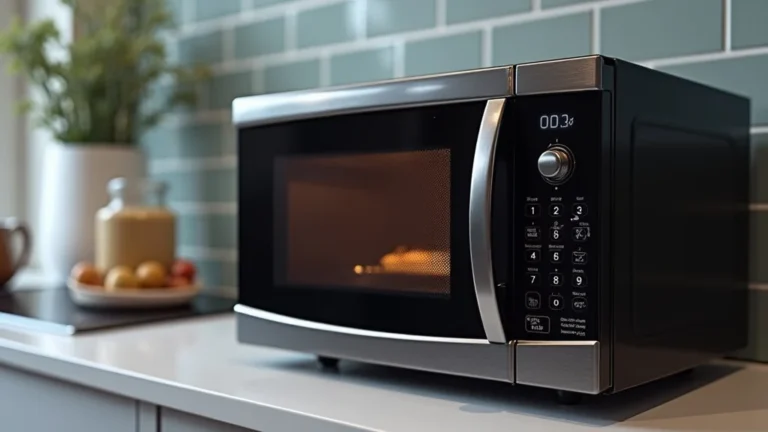
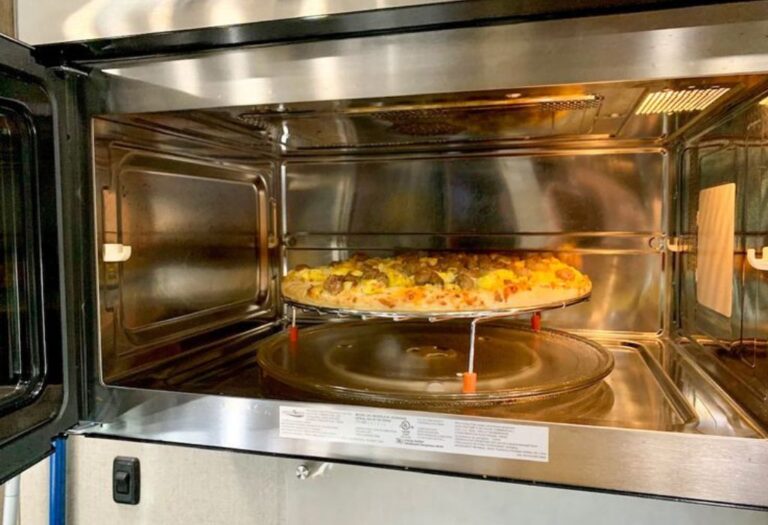
Microwaves provide a speedy way to cook rice. They use electromagnetic waves to heat the food directly. Microwaves can be quick and sometimes energy-efficient for small portions of rice. However, microwaves are not usually designed to cook large quantities. They can be less energy-efficient when cooking bigger amounts, as the microwave needs to run longer. Also, the quality of rice cooked in a microwave can be variable, as it might not cook evenly, depending on the microwave and container used.
- Speed: Microwaves can be quick for small portions.
- Energy Use: The efficiency depends on the quantity of rice being cooked.
- Heating: Microwaves cook food directly, which can be efficient for small amounts.
- Portion Size: Microwaves are often best for smaller portions.
Microwaves can be a good choice when cooking for one or two people but can become less energy-efficient if you are preparing a meal for a group. The type of microwave also makes a difference; more powerful microwaves use more energy per minute. While a microwave may be fast, the rice cooker’s design provides a more consistent, energy-efficient solution for larger quantities. Using the wrong settings can make a microwave less efficient for cooking rice.
Factors Influencing Rice Cooker Energy Use
Several factors affect how much energy a rice cooker uses. These include the model of the cooker, how often you use it, and how you take care of it. Understanding these aspects will help you decide if is rice cooker energy efficient for your needs. Different models have different energy ratings, and the way you use it makes a difference, too.
Cooker Model and Size
The model and size of the rice cooker influence its energy consumption. Larger cookers often have more powerful heating elements, which can use more energy. However, if you regularly cook large amounts of rice, a bigger cooker might still be more efficient than using multiple smaller batches. Modern rice cookers often come with energy-efficient designs and features, such as automatic shut-off and precise temperature control. A new model may provide a good value for the cost. Knowing the energy efficiency rating of a rice cooker is a key step.
- Wattage: Higher wattage generally means the cooker uses more power.
- Size: Larger cookers can use more energy, but they can cook more rice at once.
- Technology: Modern cookers often have better energy-saving features.
- Energy Ratings: Look for models with good energy efficiency ratings.
When selecting a rice cooker, check its energy consumption label. This will give you an idea of how much energy the cooker uses over a period, like per month or year. This information is a quick and easy way to assess the energy efficiency of different models. A cooker with a good energy rating can save you money on your electricity bill. The features built into the cooker, such as insulation, also impact energy use. Research and compare different models to find the right fit for your needs.
Frequency of Use
How often you use your rice cooker has a big impact on overall energy consumption. If you cook rice daily, your cooker will naturally use more energy than if you cook rice only once a week. Think about your eating habits and how often you prepare rice. Every use adds to the total energy consumption. Knowing how often you use the cooker lets you estimate how much it costs to operate, so you can decide if is rice cooker energy efficient for you.
- Daily Use: Frequent use means higher energy consumption.
- Weekly Use: Occasional use results in lower energy consumption.
- “Keep Warm” Function: Leaving the cooker on “keep warm” for long periods uses more energy.
- Batch Cooking: Cooking larger batches can be more efficient than multiple small ones.
If you use your rice cooker daily, consider its energy efficiency rating and features that can reduce energy use. For example, some models have a “keep warm” timer. If you only cook rice on weekends, you may not need to invest in the most energy-efficient model. The frequency of use influences the total cost and potential savings from having an energy-efficient rice cooker. For people who cook rice every day, investing in a model with great features could save a lot of money in the long run.
Maintenance and Care
Maintaining your rice cooker plays a part in its energy efficiency. Cleaning the cooker regularly prevents the buildup of food particles and residue, which can reduce heat transfer and make the cooker work harder. Keeping the cooker in good shape ensures that it works correctly and uses energy as it should. Taking care of your appliance is a good way to extend its life and get the most out of your investment. It ensures the appliance operates efficiently over time.
- Cleaning: Regular cleaning helps the cooker work efficiently.
- Inspection: Check for any damage or wear and tear.
- Heating Element: Clean the heating element to maintain good heat transfer.
- Lifespan: Proper care can increase the life of your cooker, saving money.
Wipe the outside and the inside of the cooker regularly, and clean the heating element. Also, be sure to inspect the cord and the pot for damage. A dirty or damaged cooker can impact energy efficiency and cause it to use more power. Taking care of your cooker ensures it operates efficiently and safely, preventing energy waste. Proper maintenance also makes sure you get tasty rice every time. The goal is to keep your appliance functioning at its best.
Tips for Saving Energy With Your Rice Cooker
You can do some things to make your rice cooker even more energy-efficient. These tips involve how you use the appliance and how you maintain it. Implementing these will help you use your rice cooker efficiently and save money on your electricity bill. These small steps can make a real difference in energy use, answering the question: is rice cooker energy efficient?
Cook the Right Amount of Rice
One of the best ways to save energy is to cook only the amount of rice you need. Overcooking and then keeping extra rice warm uses extra energy. Measure your rice and water carefully to avoid making more than you require. Plan meals ahead so you know how much rice you will need. This simple tip will save you money. Making a small batch can be less wasteful.
- Measure Carefully: Only cook the amount of rice you need.
- Plan Meals: Know how much rice you will use in advance.
- Avoid Waste: Don’t cook extra rice that will be thrown away.
- Batch Cooking: Cook slightly larger batches if you regularly eat rice.
Cooking too much rice leads to leftovers, and storing those leftovers requires energy. Decide what meals you will make so you will know how much rice you will need for each one. This prevents waste and saves energy. If you eat rice frequently, cooking a larger batch and storing the leftovers in the fridge can be more efficient than cooking small batches multiple times. This approach saves energy and time. This helps you to have an impact on your energy usage.
Use the “Keep Warm” Function Wisely
The “keep warm” function is convenient, but it also uses energy. Leaving your rice cooker on “keep warm” for a long time can waste energy. The best practice is to cook the rice right before you plan to eat it. Turn off the cooker when the rice is ready, and only use the “keep warm” function for a short period. This practice will limit the amount of energy that you consume. Be conscious of how long you leave the rice in “keep warm” mode. You are looking for efficiency.
- Limited Use: Use the “keep warm” function only when needed.
- Time Awareness: Be aware of how long the rice stays warm.
- Storage: Store cooked rice in the fridge if not eaten immediately.
- Energy Savings: Turning off the cooker saves energy.
Many cookers have a timer on the “keep warm” setting so that it automatically turns off. This feature is great for saving energy. If you plan to eat the rice soon after it’s cooked, the “keep warm” function is handy. But if the rice will sit for a longer period, store it in the fridge. This choice will save more energy. These practices are easy, and they will limit energy usage. Think about the length of time your rice will sit in your cooker.
Unplug When Not in Use
Even when a rice cooker is turned off, it might still draw a small amount of power if it’s plugged in. This is known as standby power or phantom load. Unplugging your rice cooker when not in use removes this potential energy drain. This small change will have an effect. You can save money and energy by unplugging the appliance. It is a simple step, but it is effective.
- Eliminate Standby Power: Unplugging eliminates phantom loads.
- Energy Savings: This simple step reduces energy consumption.
- Safety: Unplugging adds an extra safety measure.
- Convenience: This practice makes the most of your appliance.
Consider using a power strip. You can plug several appliances into a power strip and turn them all off with one switch. This strategy can reduce standby power for other appliances too. Unplugging the rice cooker after each use, or using a power strip, may seem small, but it can contribute to a reduction in energy use over time. These small steps add up to real savings on your electricity bill.
Frequently Asked Questions
Question: How much electricity does a rice cooker use?
Answer: A typical rice cooker uses between 200 and 800 watts when cooking and 10 to 40 watts on the “keep warm” setting, depending on the model and size. The actual energy consumption also depends on how long the appliance is used.
Question: Is it cheaper to cook rice in a rice cooker or on the stovetop?
Answer: Generally, rice cookers are more energy-efficient than stovetop cooking, especially for larger quantities of rice. They use less energy due to efficient heating and the “keep warm” feature.
Question: Does leaving the rice cooker on “keep warm” use a lot of electricity?
Answer: Yes, leaving the rice cooker on “keep warm” for extended periods can use a significant amount of electricity. It’s best to use this function only when necessary.
Question: How can I tell if my rice cooker is energy-efficient?
Answer: Look for Energy Star ratings or energy efficiency labels. Also, check the wattage of the cooker. Lower wattage models are usually more energy efficient, although cooking time can be longer.
Question: What’s the best way to clean a rice cooker for optimal efficiency?
Answer: Clean the inner pot, lid, and any removable parts after each use. Wipe the exterior and, if possible, clean the heating plate to remove any food residue.
Final Thoughts
So, is rice cooker energy efficient? Usually, yes. Rice cookers often provide an energy-saving approach compared to cooking rice on the stovetop. They have built-in efficiency features, such as the automatic switch to “keep warm” mode. You can maximize efficiency by selecting an energy-efficient model and practicing smart habits. Things like cooking only the amount of rice you need and using the “keep warm” function mindfully can make a big difference. Remember to unplug the cooker when you are not using it. Those steps combined will reduce your appliance’s energy consumption.
You can save money and reduce your impact on the environment just by using your rice cooker. Look for ways to make simple choices that boost efficiency. Each effort makes a difference. You can make an impact on your energy usage. By following these tips, you’ll be able to enjoy perfectly cooked rice while saving energy. You can be confident that you’re using your appliance in the smartest possible way.

I’m Emma J. Caldwell, the founder, lead writer, and home-cooking enthusiast behind KitchenGuideCo.com. With a background in culinary arts and over a decade of cooking experience in both professional and personal kitchens, I created this platform to demystify recipes, offer smart kitchen gadget reviews, and guide readers through meal prep with confidence and clarity.