Cooking with a rice cooker is super easy, but the question “can rice cooker explode” often pops up, especially for those just starting out. It can seem a little scary to worry about appliances, right? Don’t worry, though! The good news is that exploding rice cookers are pretty rare. This guide will walk you through everything you need to know to cook rice safely and easily. We’ll start with the basics, then show you step-by-step how to prevent any issues and enjoy perfectly cooked rice every time. Let’s get cooking!
Understanding How Rice Cookers Work
Rice cookers are simple yet clever appliances. They consist of an inner pot, a heating element, and a thermostat. The heating element, usually at the bottom, warms the pot. As the water heats, it turns into steam, cooking the rice. The thermostat is the brain of the operation, monitoring the temperature and automatically switching to a “keep warm” setting when the rice is done. This automatic shut-off is a key feature, making rice cookers so convenient. This automatic system helps to avoid overcooking and potential problems. The design aims to make rice cooking straightforward, but it’s important to know the basics to ensure safe and efficient operation.
The Inner Workings
The inner pot is where the magic happens. It’s usually made of a non-stick material to prevent rice from sticking. The pot fits snugly inside the cooker, ensuring even heat distribution. A lid traps the steam, which is crucial for cooking the rice. The heating element, usually a flat disc, is directly under the pot. When you press the “cook” button, the heating element turns on. It heats the water, creating steam to cook the rice. It’s important to keep the inner pot clean and free from scratches to maintain its efficiency. Regular cleaning also prevents any buildup that could affect cooking.
The thermostat is a temperature sensor that monitors the pot’s temperature. When the water boils and the rice is cooked, the thermostat senses the change. It then automatically switches to the “keep warm” setting. This prevents the rice from burning or drying out. Modern rice cookers often have multiple settings for different types of rice and cooking styles. These settings adjust the cooking time and temperature to achieve the perfect results. Some cookers even have timers for added convenience.
- Heating Element: This part is responsible for heating the water to create steam. The heating element heats the pot, which in turn heats the water and rice. Proper functioning of the heating element is crucial for even cooking.
- Thermostat: This is the temperature sensor. It monitors the temperature inside the cooker and tells it when the rice is cooked. The thermostat is what switches the cooker to “keep warm” mode. It is a safety feature that prevents overcooking.
- Inner Pot: The inner pot holds the rice and water and is where the cooking occurs. The non-stick coating makes it easy to clean. Regular care and cleaning of the inner pot are important.
- Lid: The lid traps the steam inside, ensuring even cooking. It also helps to prevent water from evaporating too quickly. A well-fitting lid is essential for optimal cooking performance.
Common Issues and How They Arise
While rice cookers are designed to be safe, there are things that can go wrong. The most common issue is the build-up of steam and pressure. If the vent is blocked, or too much water is used, pressure can build up inside. This is why it’s important to follow the instructions and clean the vent regularly. Another problem is the buildup of food particles or mineral deposits. These can cause the heating element to malfunction or the cooker to heat unevenly. Always inspect your rice cooker before each use, paying attention to the vent, pot, and heating element. By following these steps, you can avoid most potential problems.
- Blocked Vent: The vent releases steam. If it is blocked, pressure can build up inside the cooker. This can lead to uneven cooking or, in rare cases, other problems.
- Excessive Water: Using too much water can cause the rice to boil over or create excessive steam. Always measure the water according to the instructions for the rice you are cooking.
- Malfunctioning Thermostat: The thermostat tells the cooker when to stop cooking. If it fails, the rice might overcook or burn. This is a rare occurrence but underscores the importance of a good appliance.
- Foreign Objects: Food particles or other objects inside the cooker can cause malfunctions. Regularly check the cooker for any debris. Clean the pot and heating plate.
Can Rice Cooker Explode? Exploring the Possibilities
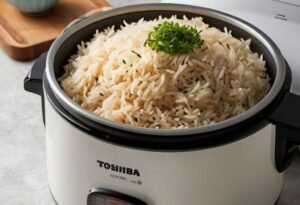
The possibility of a rice cooker exploding is a valid concern, though it’s extremely uncommon. It’s important to note the differences between a rice cooker exploding and it malfunctioning. Most malfunctions involve steam escaping or the rice burning, which is annoying but not dangerous. An explosion would require a significant buildup of pressure. This could happen if the vent is completely blocked, or the cooker is damaged, but even then, safety features usually prevent this. The design of rice cookers incorporates several safety features to reduce this risk. Awareness and proper usage are your best protection.
Factors That Could Lead to Problems
Several factors might increase the likelihood of something going wrong with your rice cooker. These are typically related to misuse, damage, or lack of maintenance. Overfilling the cooker with water, or using too much rice, can lead to the steam vent being blocked. Not cleaning the cooker regularly can cause a buildup of food particles and mineral deposits, potentially blocking the vent or damaging the heating element. Using the wrong type of pot or ignoring damage to the appliance also adds risks. These issues, while rare, emphasize the need to use your cooker properly. Following the manufacturer’s instructions will greatly reduce the chance of any issues.
- Blocked Steam Vent: This is the most significant factor. If the steam vent is blocked, the pressure inside the cooker can build up. This is a common cause of malfunctions. Regular cleaning is crucial.
- Excessive Water or Rice: Overfilling the pot with water or rice can lead to problems. The water may boil over, or the steam vent could become blocked. Adhering to the manufacturer’s suggested ratios is key.
- Damaged Components: Cracks in the inner pot or damage to the heating element can create uneven heating or other problems. Always check your equipment for signs of damage before use.
- Improper Maintenance: Not cleaning the cooker regularly can cause a buildup of food particles and mineral deposits. It could block the vent. Maintaining the cooker ensures safety.
Safety Measures and Design Features
Rice cookers come with a variety of built-in safety features to prevent explosions and other problems. Most models have vents to release steam, preventing pressure from building up. Thermostats turn off the heating element when the rice is cooked, further reducing the chance of overheating. High-quality rice cookers are designed with multiple safety features. These include pressure relief valves, which can release excess pressure. Overheat protection automatically shuts off the unit. By choosing a reputable brand and following the instructions, you can cook with confidence, knowing that your appliance is designed with safety in mind. These features are a significant reason why major issues are uncommon.
- Steam Vent: Allows steam to escape. This prevents excessive pressure buildup. Check the vent regularly to make sure it is clear.
- Thermostat: Automatically turns off the heating element when the rice is cooked. This prevents overheating and burning. The thermostat’s role is essential for safety.
- Pressure Relief Valve: Some cookers have a pressure relief valve. It releases excess pressure. This feature increases safety.
- Overheat Protection: This feature automatically shuts off the cooker if it gets too hot. Overheat protection prevents damage and potential hazards.
Preventing Problems: Safe Cooking Practices
Taking a few simple steps will significantly reduce the risk of any problems with your rice cooker. First, always read and follow the manufacturer’s instructions. These instructions give you precise measurements for water and rice. Second, regularly clean your rice cooker. This includes washing the inner pot, cleaning the steam vent, and wiping down the exterior. Regular cleaning prevents build-up and keeps your cooker functioning safely. It’s also wise to check your cooker for damage before each use. A little care can go a long way in ensuring your rice cooker remains a reliable and safe appliance.
Following Instructions and Proper Usage
The instructions that come with your rice cooker are your guide to safe and effective use. Always follow the water-to-rice ratios specified in the manual. This will prevent issues such as overboiling or undercooked rice. Clean the cooker after each use. Pay close attention to the steam vent, and make sure it is not blocked. Inspect the inner pot for any damage like cracks or scratches. These simple steps ensure your rice cooker works correctly. Regular use, along with basic maintenance, is key to preventing problems. It also extends the lifespan of your appliance.
- Read the Manual: Always read the manufacturer’s instructions before using your rice cooker. Know how to measure water and rice. Different rice types may need different water levels.
- Use the Right Amount of Water and Rice: Follow the instructions for the right proportions. Using too much water or rice can lead to malfunctions. Precise measurements prevent issues.
- Regular Cleaning: Clean the inner pot, steam vent, and exterior after each use. Prevent build-up. Cleaning ensures the cooker works effectively.
- Inspect for Damage: Examine the inner pot and other components. Look for cracks. If you see any, do not use the cooker.
Cleaning and Maintenance Guidelines
Regular cleaning is essential for keeping your rice cooker in good condition and preventing problems. After each use, let the cooker cool down completely. Remove the inner pot and wash it with warm, soapy water. Use a non-abrasive sponge to avoid scratching the non-stick coating. Clean the steam vent by removing any food particles or debris. Wipe the exterior of the cooker with a damp cloth. Never submerge the cooker base in water or use harsh chemicals. A clean rice cooker is a safe rice cooker. This helps ensure your appliance lasts for years.
- Cool Down: Always let the rice cooker cool down before cleaning. This prevents burns. It also protects the appliance.
- Wash the Inner Pot: Use warm, soapy water and a non-abrasive sponge. Avoid scratching the non-stick coating. Proper cleaning ensures food safety.
- Clean the Steam Vent: Ensure the steam vent is clear of any debris. A blocked vent can cause problems. Regular cleaning of the vent is crucial.
- Wipe Down the Exterior: Wipe down the exterior of the cooker with a damp cloth. This maintains the cooker’s cleanliness.
Troubleshooting Common Issues
Even with careful use, you might encounter some problems with your rice cooker. If your rice is undercooked, it could be because of too little water. If the rice is burnt, there might be too much heat. Before worrying, there are some simple things you can try. If your cooker doesn’t seem to be working at all, make sure it is plugged in and the power outlet works. By checking these easy things first, you might solve the problem without needing to do more. Identifying the issue is the first step toward finding a solution.
Dealing with Under- or Overcooked Rice
Undercooked rice can usually be fixed. If your rice is not cooked after the cycle is complete, add a small amount of water. Then, restart the cooking cycle for a few minutes. Overcooked rice might be dry and hard. If you catch it quickly, you can try adding a little water and stirring the rice gently. Allow the rice to sit for a few minutes. This can help to rehydrate it. Learning to adjust the cooking process is key. It allows you to produce perfect rice every time. With practice, you’ll become a rice-cooking expert.
- Undercooked Rice: Add a little more water and restart the cooking cycle. Check to see if the problem remains.
- Overcooked Rice: Add a little water and stir gently. Allow the rice to sit for a few minutes. Steam helps to rehydrate the rice.
- Burnt Rice: If the rice is burnt, the cooker may need cleaning. Discard the rice. Then clean the pot. Check for food particles or other debris.
- Sticky Rice: This could be from too much water. Adjust water levels for your next batch. Reduce the amount slightly.
Troubleshooting Appliance Problems
If your rice cooker isn’t working, start by checking the power supply. Make sure the cooker is plugged in and that the outlet is working. Also, check the fuse or circuit breaker. If you have any questions, consult the user manual. If you continue to have trouble, consider contacting the manufacturer or a qualified appliance repair person. Don’t try to fix it yourself unless you are comfortable with appliance repair. Seeking professional help ensures that the problem is properly diagnosed and fixed. This also prevents causing more harm to the appliance.
- Power Supply: Check if the cooker is plugged in securely. Test the outlet with another appliance. If it still doesn’t work, there may be a problem with the outlet.
- Fuse/Circuit Breaker: Make sure the circuit breaker hasn’t tripped. Reset if necessary. Also, look at the fuse in the appliance plug.
- Steam Vent Issues: Check the steam vent for blockages. Clear any obstructions. Steam vents are essential for proper operation.
- Contact Manufacturer: For more complicated problems, contact the manufacturer. You can seek advice. They can offer solutions.
Frequently Asked Questions
Question: Is it safe to leave a rice cooker unattended?
Answer: Yes, rice cookers are designed to be left unattended. The automatic “keep warm” feature prevents burning. Just make sure the cooker is on a stable surface.
Question: Can I use a rice cooker to cook other grains besides rice?
Answer: Yes, you can cook other grains. Follow the instructions for each grain. Some models have settings for different grains. Always adapt the cooking process.
Question: What should I do if my rice cooker smells like burning?
Answer: Unplug the cooker immediately and check for burnt rice or food. Clean the pot and heating element. If the smell persists, there may be an electrical issue.
Question: How often should I replace my rice cooker?
Answer: Rice cookers can last for years with proper care and maintenance. Replace it if it shows signs of damage. Also, consider replacing if you encounter frequent problems.
Question: What kind of water should I use in my rice cooker?
Answer: Use clean, filtered water for best results. Tap water is fine, but it might affect the taste. Filtered water helps make delicious rice.
Final Thoughts
So, can rice cooker explode? While it’s a concern for many, explosions are extremely rare. Rice cookers have built-in safety features to prevent problems. To keep your cooking safe, the most important thing is to use your rice cooker as instructed. Keep your appliance clean and inspect it regularly. Follow the water-to-rice ratios, and don’t overfill the pot. By using your appliance carefully and practicing good maintenance, you can reduce any risks. You can then enjoy perfectly cooked rice, without any worries. Following these simple steps, your rice cooker will be a valuable and safe appliance in your kitchen for years to come.

I’m Emma J. Caldwell, the founder, lead writer, and home-cooking enthusiast behind KitchenGuideCo.com. With a background in culinary arts and over a decade of cooking experience in both professional and personal kitchens, I created this platform to demystify recipes, offer smart kitchen gadget reviews, and guide readers through meal prep with confidence and clarity.