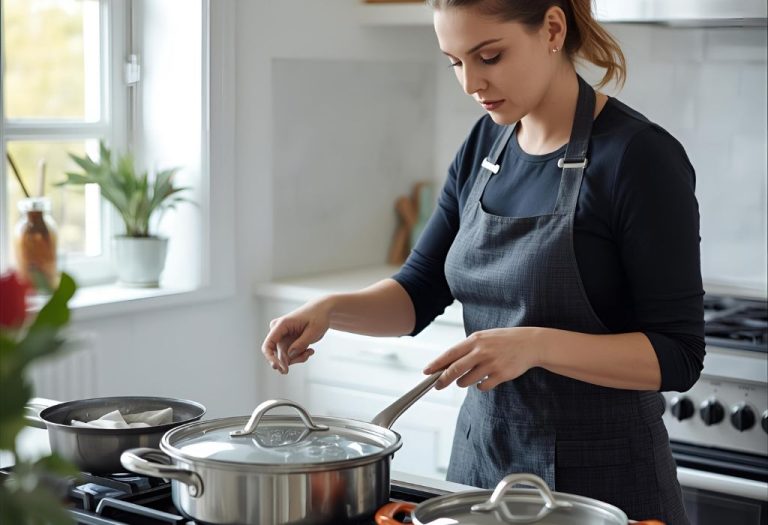
Thinking about using your rice cooker for lentils? It’s a common question for folks just starting to cook with them. Getting the right water-to-lentil ratio and cooking time can be tricky at first. Don’t worry, though! It’s totally possible, and we’re here to help. This guide will take you step-by-step through how easily you can rice cooker cook lentils, ensuring delicious results every time. Ready to get cooking?
Getting Started with Lentils in Your Rice Cooker
Before exploring how to cook lentils, let’s look at why it’s a great idea. Using a rice cooker offers a convenient, hands-off approach. It frees you up to do other things while your meal cooks. Unlike stovetop cooking, a rice cooker often prevents scorching, making it a beginner-friendly appliance. It also maintains a consistent temperature for even cooking. This section will cover the basics, setting the stage for perfectly cooked lentils.
Choosing the Right Lentils
There are many kinds of lentils. They all cook a bit differently. Choosing the correct type can greatly affect your outcome. For instance, green and brown lentils hold their shape well, making them ideal for salads or side dishes. Red and yellow lentils cook faster and become softer, perfect for soups and stews. Knowing the variety of lentils can help you plan your cooking time and water amounts. Different types have different textures and flavor profiles.
- Green Lentils: These keep their shape best when cooked. They’re good in salads and as a side.
- Brown Lentils: Very similar to green, also hold their shape well and are good for many recipes.
- Red Lentils: They cook quickly and break down, making them great for soups and purees.
- Yellow Lentils: Like red, these cook fast and add a creamy texture to dishes.
The color of a lentil indicates how it will cook. Each variety has specific uses and cooking methods. For optimal results, check the cooking time on the package, but be ready to adapt to the rice cooker setting.
Preparing Lentils for Cooking
Proper preparation is key to delicious lentils. The first step involves rinsing the lentils under cold water. This removes any dust or debris, and it helps to prevent foaming during cooking. Next, inspect the lentils for any small stones or imperfections. These aren’t common, but it’s important to remove them. This makes your final dish safer and more pleasant to eat. Proper preparation leads to the most enjoyable final result.
- Rinse: Place lentils in a fine-mesh sieve and rinse under cold water.
- Inspect: Check for any small stones or debris and remove.
- Soak (Optional): Soaking lentils can reduce cooking time, but it’s not always necessary.
Rinsing and inspecting your lentils takes just a couple of minutes, but this small effort makes a huge difference in the outcome.
Setting Up Your Rice Cooker for Lentils
Cooking lentils in a rice cooker is mostly about ratios and timing. The water-to-lentil ratio is the key factor, along with the correct cooking time. These two factors work together to cook the lentils evenly. Setting up your rice cooker correctly ensures perfectly cooked lentils. We’ll explore the steps needed to set up your rice cooker for excellent results.
Water-to-Lentil Ratio
The water-to-lentil ratio depends on the type of lentil and your desired consistency. For most green and brown lentils, the common ratio is about 1:2. This means one part lentils to two parts water. For red and yellow lentils, you might want to use a little more water, maybe 1:2.5 or even 1:3, since they absorb more water and cook quickly. You can adjust the water slightly for your preferred texture. Remember that too much water results in mushy lentils.
- Green and Brown Lentils: 1 cup lentils to 2 cups water.
- Red and Yellow Lentils: 1 cup lentils to 2.5–3 cups water.
It’s always a good idea to start with slightly less water. You can always add more during cooking if needed, but you can’t take water away.
Cooking Times for Lentils in Rice Cookers
Cooking times depend on the lentil type and the rice cooker. Red and yellow lentils usually cook in 15-20 minutes. Green and brown lentils can take 20-30 minutes. Always check the lentils during the cooking process. Some rice cookers have automatic settings. These are great, but sometimes require a bit of manual checking. The goal is to cook the lentils until they are tender but still hold their shape. The cooking time will vary depending on your cooker, so keep checking.
- Red and Yellow: 15-20 minutes.
- Green and Brown: 20-30 minutes.
Once you’ve cooked lentils in your rice cooker a couple of times, you’ll be able to adjust the cooking time more easily based on the results and your personal preference.
Perfecting Your Lentil Dish
Now that we’ve covered the basics, let’s explore ways to enhance your lentil cooking. This involves adjusting the water levels and adding flavors. The process is straightforward, but it can lead to more flavorful meals. Getting the details right will elevate your lentil dishes to the next level. Let’s explore how to achieve perfect results every time.
Adjusting Water Levels
After the initial cooking cycle, check the lentils’ texture. If the lentils are too firm and there’s still water in the pot, let it cook a bit more. You can put the lid back on and let it simmer for a few extra minutes. If the lentils are too soft, or if there’s no water remaining, you’ve probably overcooked them. Adjusting water and cooking time slightly in the future will provide the best results. Every rice cooker is a bit different, and you learn how to adjust based on experience.
- Too Firm: Add a bit more water and cook longer.
- Too Soft: Reduce the cooking time next time.
Water level adjustments are key to achieving your ideal lentil texture. With a few tweaks, you can easily control the outcome.
Adding Flavor
Cooking lentils in a rice cooker is a great way to experiment with flavors. You can add various ingredients while cooking. These include herbs, spices, and vegetables. Garlic and onions add wonderful flavors during the cooking process. Spices like cumin and coriander provide a depth of flavor. A bay leaf can be an easy addition. You can also add salt, but it is important to add it after cooking to prevent toughness. Experiment with ingredients that complement your lentils and enhance your meals.
- Aromatics: Garlic, onions, or shallots.
- Spices: Cumin, coriander, turmeric.
- Herbs: Bay leaves, thyme, rosemary.
- Broth: Use vegetable or chicken broth instead of water.
Using different flavor combinations makes lentils a versatile base for many dishes. Your only limit is your creativity.
Troubleshooting Common Issues
Even with the best instructions, you might encounter issues. Don’t worry, even experienced cooks have problems. Common problems include overcooked or undercooked lentils. This section covers quick solutions for common issues. We’ll show you how to fix these common cooking mistakes so you can enjoy your meal. Being aware of the problems can make your cooking experience easier.
Dealing with Mushy Lentils
Mushy lentils often result from too much water or overcooking. The lentils have absorbed too much liquid. If this happens, you can still save the dish! If there’s excess liquid, you can leave the lid off the rice cooker. Let the lentils cook on the “keep warm” setting for a few minutes. Another option is to use the lentils in a soup or puree. If the lentils are already too soft, this doesn’t mean you have failed. You can adjust the water and cooking time next time. Experience brings improvement.
- Too Much Water: Cook longer uncovered.
- Overcooked: Use for soup or puree.
Don’t be discouraged if your lentils turn out mushy. Use these tips to save your dish, and learn from the experience for next time.
Handling Undercooked Lentils
Undercooked lentils can be firm or have a chalky texture. This is often caused by not enough cooking time or too little water. If the lentils are undercooked and there’s still water, allow them to cook further. If the water has been absorbed, add a little bit more water and cook for a few more minutes. Undercooked lentils aren’t ruined; they simply need a bit more time. Keep checking them until they reach the desired softness.
- Too Firm: Cook for a few more minutes.
- Dry: Add water and cook longer.
Adjusting the cooking time or adding more water is often the solution for undercooked lentils. It might just take some patience.
Can Rice Cooker Cook Lentils: Advanced Techniques
Once you are comfortable with basic cooking, you can explore more advanced techniques. These techniques allow you to create amazing lentil dishes in your rice cooker. Try adding different ingredients, combining cooking methods, and modifying settings. Explore different recipes and flavors as you become more confident in cooking lentils. These advanced methods can help you develop your cooking skills.
Using the “Soak and Cook” Method
Soaking lentils before cooking can shorten the cooking time and improve the texture. Place lentils in a bowl and cover them with water for about 30 minutes to an hour. This softens the lentils, allowing them to cook faster in the rice cooker. Remember to adjust your cooking time. Drain the lentils before adding them to the rice cooker. This technique is especially useful for green and brown lentils. Soaking can change the texture.
- Soak Time: 30 minutes to 1 hour.
- Adjust Cooking Time: May be reduced slightly.
The soak and cook method is a simple way to improve the texture and reduce the cooking time.
Adding Vegetables and Other Ingredients
One of the great things about using a rice cooker is the ability to cook everything in one pot. You can add vegetables, spices, and other ingredients for a complete meal. Add chopped vegetables like carrots, celery, and onions to the rice cooker along with the lentils. This eliminates the need for extra pots and pans. You can also add pre-cooked meats or beans for a heartier meal. Be mindful of the cooking times of your additional ingredients.
- Vegetables: Carrots, celery, onions.
- Spices: Add herbs and spices to enhance the taste.
- Cooked Protein: Add pre-cooked meats or beans.
One-pot cooking in a rice cooker is quick, convenient, and easy to clean up. It can also save you time and dishes.
Alternative Lentil Cooking Methods
While this guide focuses on rice cooker cooking, it’s good to know other methods. This can give you options and offer you new perspectives. Whether you’re on a stovetop, in a pressure cooker, or have another appliance, this section provides useful information. Using different methods allows you to create many flavors.
Lentils on the Stovetop
Stovetop cooking offers more control over the cooking process. To cook lentils on the stovetop, rinse the lentils and add them to a pot. Cover the lentils with water or broth. Bring the water to a boil, then reduce the heat to a simmer. Cook the lentils until tender, usually 20-30 minutes for green and brown lentils and 15-20 minutes for red and yellow lentils. You can add flavors while they’re cooking. Stovetop cooking is another dependable method.
- Rinse Lentils: Before cooking.
- Bring to Boil: Then simmer.
- Cook Time: Varies by lentil type.
Stovetop cooking is a reliable, time-tested method for cooking lentils. It is a good choice for beginners.
Lentils in a Pressure Cooker
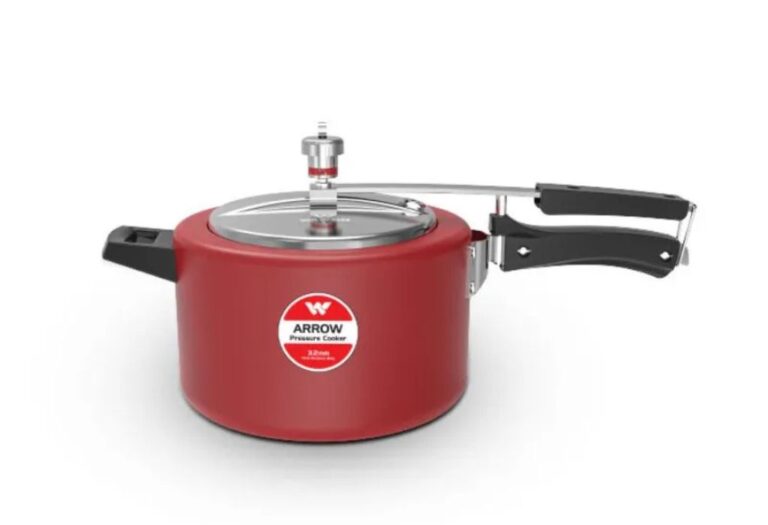
Pressure cookers can cook lentils quickly. This is a good method if you need a meal fast. Add lentils, water, and any desired seasonings to the pressure cooker. Cook on high pressure for about 5-7 minutes for red and yellow lentils. Cook green and brown lentils for 7-10 minutes. Always allow the pressure to release naturally for the best results. Pressure cookers are efficient, delivering tender lentils quickly.
- Cook Time: Very fast cooking, usually under 10 minutes.
- Natural Release: Crucial step for best results.
Pressure cooking is an excellent choice for tender lentils in a hurry. You’ll have a meal on the table very quickly.
Frequently Asked Questions
Question: Can I use broth instead of water when cooking lentils?
Answer: Yes, using broth (vegetable, chicken, or other) adds extra flavor to your lentils. Just substitute the water with the same amount of broth.
Question: Do I need to soak lentils before cooking them in a rice cooker?
Answer: Soaking is optional, but it can reduce the cooking time and improve the texture of the lentils. Soak for about 30 minutes to an hour.
Question: How do I know when the lentils are cooked?
Answer: Check the texture. Lentils should be tender but still have some bite. They should not be mushy. You can taste test them during the cooking process.
Question: What if I added too much water?
Answer: If you added too much water and the lentils are too soft, remove the lid and let them cook on the “keep warm” setting for a few minutes to evaporate some of the excess liquid.
Question: What kind of lentils are best for salads?
Answer: Green and brown lentils hold their shape well and are ideal for salads. They won’t become mushy when mixed with other ingredients.
Final Thoughts
As we’ve explored, can rice cooker cook lentils? Absolutely! It’s a simple, hands-off method that works well. Using a rice cooker is an easy way to prepare lentils perfectly. Remember the key ingredients: the right type of lentil, the correct water-to-lentil ratio, and enough time to cook. Don’t be afraid to experiment with flavorings to create delicious dishes. With a little practice, you’ll be cooking perfectly cooked lentils every single time. So, gather your lentils, fire up your rice cooker, and enjoy a healthy and satisfying meal! Get creative, and see what you can make!

I’m Emma J. Caldwell, the founder, lead writer, and home-cooking enthusiast behind KitchenGuideCo.com. With a background in culinary arts and over a decade of cooking experience in both professional and personal kitchens, I created this platform to demystify recipes, offer smart kitchen gadget reviews, and guide readers through meal prep with confidence and clarity.