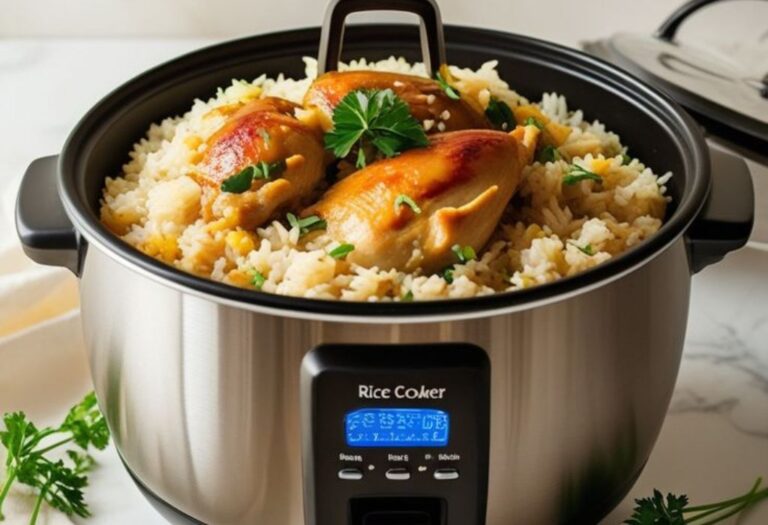
Storing your rice cooker seems easy, right? You might think you just put it away somewhere. But, if you don’t know how to store rice cooker properly, you could damage it or make it less useful. It’s common for beginners to be unsure of the best way to do this. Don’t worry, this guide will provide you with simple steps to keep your rice cooker in great shape for years to come. We’ll explore everything you need to know, so you can easily protect this essential kitchen tool. Let’s get started!
Prepare Your Rice Cooker for Storage
Before storing your rice cooker, the most important thing is to make sure it’s ready. This means cleaning it thoroughly and taking some other important steps. Proper preparation prevents unpleasant odors, potential pest problems, and damage. Taking a few minutes to prepare your appliance ensures it is ready for its next use and extends its life. The following points detail the exact steps needed to prepare your rice cooker before putting it away, ensuring it remains clean, safe, and ready for future cooking endeavors. Taking these steps is like giving your cooker a spa day before it rests!
Cleaning the Inner Bowl and Lid
The inner bowl and lid are where the food interacts with the appliance. Cleaning these components is important for food safety. Residue from previous rice batches can spoil the taste and texture of future dishes, and can foster bacterial growth. Cleaning also prevents the build-up of food particles that can make future cleaning more difficult. Make sure that all the cooking surfaces are spotless before storage. This step also involves checking for any signs of damage like scratches or chips that might need attention before storing your appliance.
- Wash the inner bowl with warm, soapy water. Use a soft sponge to remove any rice or food residue. Avoid abrasive scrubbers to prevent scratching the non-stick surface. Thoroughly rinse the bowl to remove all traces of soap. Letting soap dry on the bowl can affect its non-stick properties and even transfer a soapy taste to future batches of rice.
- Clean the lid. Many rice cooker lids can be detached for easier cleaning. Examine the lid for any food particles. If it detaches, disassemble it according to the manufacturer’s instructions. Use warm water and mild soap to wash the lid, ensuring you reach all the nooks and crannies where food can get trapped.
- Dry thoroughly. Before replacing the lid or putting the inner bowl back into the rice cooker body, ensure all parts are completely dry. Use a clean towel or allow them to air dry fully. Any trapped water can lead to mold or mildew growth, which isn’t something you want in your kitchen appliances.
- Check the steam vent. Make sure the steam vent is clean. This vent releases steam during cooking. If it’s blocked, it could affect the appliance’s performance. Cleaning this ensures that the rice cooker functions efficiently, and prevents potential issues during the next use.
Cleaning the Exterior and Base
The exterior and base of your rice cooker don’t directly contact food, but they still need some care. Regularly cleaning these parts maintains the appliance’s appearance and helps prevent the buildup of grime, dust, and potential spills from creeping into the machine. A clean exterior also provides a better surface for handling your cooker. This step contributes to both the longevity and aesthetics of your kitchen appliance, helping it remain in great condition for many cooking sessions to come.
- Wipe down the exterior. Use a damp cloth to wipe the outside of the rice cooker. Be careful not to let any water get into the electrical components. Dust and spills can accumulate on the exterior, and regular cleaning ensures the appliance looks its best.
- Clean the base. Pay attention to the base of the rice cooker where it sits on the counter. Wipe away any spills or food splatters. A clean base not only keeps your counter clean but also helps the rice cooker sit steadily.
- Inspect the power cord. Check the power cord for any damage. Make sure it’s clean and doesn’t have any frays or exposed wires. This ensures your safety when using the rice cooker. Any visible damage on the cord could pose a safety hazard.
- Check for any residue or spills. Even if you are careful, spills happen. Check the cooker’s base and exterior for any sign of residue or spills that may have occurred during previous uses. Make sure you don’t overlook areas around the buttons or display where food particles can collect.
Choosing the Right Storage Location for Your Rice Cooker
The right storage location protects your rice cooker from damage, keeps it easy to access, and ensures it’s safe. Think about where you cook the most, how much space you have, and how often you use your rice cooker. This location should be easy to access when you need it and safe from environmental issues like extreme temperatures or moisture. Taking these considerations into account guarantees that your rice cooker stays in good condition, ready for the next delicious meal.
Considering Space and Accessibility
Space and accessibility are key when selecting a spot. You need a space large enough to fit the rice cooker comfortably, and it should be within easy reach. The goal is to make it easy to grab when you are ready to cook, while also keeping it out of the way when you don’t need it. Considering space, both in terms of the appliance’s size and the available storage dimensions, will prevent overcrowding and make access more convenient. This ensures that the cooker can be readily used without causing clutter or inconvenience in the kitchen.
- Measure your space. Before you choose a location, measure the rice cooker’s dimensions and the available space. Make sure the storage area is large enough to accommodate the cooker and any accessories like the measuring cup and spatula. Accurate measurements will prevent any unpleasant surprises and ensure the appliance fits perfectly.
- Choose an accessible location. A convenient spot could be a kitchen cabinet, a shelf, or a space on the countertop. The location should be easy to reach when you cook. Accessibility saves you time and effort when you want to make rice.
- Consider counter space. If you opt for counter storage, make sure the rice cooker doesn’t obstruct other kitchen activities. It should fit easily without interfering with your food preparation areas. Consider whether there are available outlets nearby to keep things convenient.
- Assess the surrounding area. Ensure that the chosen area is free from clutter and potential hazards like hot surfaces or sharp objects. This enhances safety and prevents damage to the appliance. The surrounding environment should be clean and clear of anything that could interfere with storing or using the cooker.
Protecting from Environmental Factors
The environment surrounding your rice cooker can impact its condition and how it functions. Humidity, extreme temperatures, and direct sunlight can damage the cooker and shorten its lifespan. Choosing the right storage spot, away from these harmful elements, is a smart way to keep your appliance in top condition. Environmental considerations also affect the cooker’s performance, so proper storage is important for its long-term use. A storage location that accounts for temperature and moisture safeguards both the cooker’s longevity and its ability to cook rice effectively.
- Avoid extreme temperatures. Do not store your rice cooker near a hot oven, stove, or in a location exposed to direct sunlight. Extreme heat can damage the cooker’s plastic parts and electrical components. Direct sunlight can cause discoloration and degrade the cooker’s materials over time.
- Keep away from moisture. Steer clear of areas that might get damp, like under the sink or in a humid basement. Moisture can corrode electrical parts and encourage mold or mildew growth. This makes it unsafe to use the appliance.
- Protect from dust and pests. If storing in a garage or utility room, make sure the storage area is free from dust and pests. Dust can get into the appliance and damage the inner mechanisms. Pests can chew through cords and nest inside the appliance.
- Consider airflow. Ensure adequate airflow around the stored rice cooker to prevent moisture build-up and potential odor problems. Storing the cooker in an enclosed space that has poor airflow can trap humidity and foster mold and mildew growth.
Storing Your Rice Cooker Safely
Once your rice cooker is clean and you’ve found the right spot, it’s time to put it away. How you store it can prevent damage and make it easy to grab when you are ready to cook. This involves ensuring all parts are secure and well-protected. Whether you have a small rice cooker for personal use or a large one for the whole family, safe storage will keep it ready for its next use. Following these tips will ensure your cooker stays in great condition, protecting it from damage and helping it work for a long time.
Proper Positioning and Protection
The positioning and protection you provide to your rice cooker during storage play a significant role in maintaining its integrity. Correct positioning prevents the risk of internal damage and external scratches. Protection ensures the cooker is shielded from dust, accidental impacts, and other potential threats. This ensures that the appliance is ready for immediate use, contributing to its lifespan and preserving its performance. Careful placement and protective measures will reduce the chances of damage.
- Place the inner pot correctly. Always place the inner pot back inside the rice cooker body. If the pot isn’t in place, the appliance won’t function properly. This also protects the non-stick surface from accidental damage.
- Secure the lid. Close the lid properly. Ensure that it fits snugly to prevent dust and other particles from entering the cooker. This keeps the cooker clean and ready for use.
- Protect the cord. Wrap the power cord neatly around the rice cooker or secure it with a cord organizer. Ensure that the cord is not pinched or bent. Damage to the cord can lead to safety hazards.
- Consider a cover. If you want extra protection, consider using a cover or a storage bag, particularly if you’re storing the appliance in a garage or a less-than-ideal location. This cover provides added protection against dust, dirt, and potential impacts.
Handling Accessories and Components
Your rice cooker likely comes with some extra parts, like a measuring cup and a spatula. Correctly storing these items will help prevent loss and ensure you have everything you need when you cook. These accessories are just as important as the cooker itself, and properly storing them can greatly improve your cooking experience. By thoughtfully storing all accessories, you’ll be ready for your next rice-cooking adventure, knowing everything is easy to find and ready to go.
- Store the measuring cup and spatula together. Keep these items with the rice cooker. This prevents them from getting lost and ensures they’re always accessible. Consider storing them inside the cooker or in a designated compartment.
- Check for small accessories. Some rice cookers have extra features like a steaming basket. Make sure these are cleaned and stored securely. This maintains everything you need in one easy-to-find place.
- Keep accessories clean. Before storing any accessories, make sure they are clean and dry. Food residue left on them can attract pests or create unpleasant odors. Clean accessories contribute to food safety and cooking quality.
- Consider a storage organizer. If you have a lot of accessories, consider using a small bin or organizer to keep everything together. This not only prevents clutter, but makes it easier to keep track of everything and ensures it stays in great condition.
Frequently Asked Questions
Question: Can I store my rice cooker while it’s still warm?
Answer: No, you should always let your rice cooker cool down completely before storing it. This prevents any potential damage to the appliance from heat.
Question: Should I leave the lid slightly open during storage?
Answer: It’s generally better to close the lid to keep dust out. Ensure the inside of the cooker is completely dry to prevent mold growth.
Question: Is it okay to store the rice cooker in a garage?
Answer: It can be, but make sure the garage is clean, dry, and free from pests. Protect the rice cooker from dust and extreme temperatures.
Question: How often should I clean my rice cooker?
Answer: Clean your rice cooker after each use. This keeps it in good condition and prevents food residue buildup. Also, do a thorough clean every few weeks.
Question: Can I store my rice cooker with the rice measuring cup inside?
Answer: Yes, storing the measuring cup inside the rice cooker is fine, and it’s a good way to keep it from getting lost. Just make sure the cup is clean and dry.
Final Thoughts
So, you’ve explored the best ways to keep your rice cooker safe and sound. We’ve talked about getting it ready by cleaning all the parts, choosing the right spot in your kitchen, and how to put it away so it’s ready for the next rice-cooking session. Remember, the key is keeping it clean, dry, and protected from the environment. Proper storage prevents damage and makes sure your rice cooker is always ready to make your favorite dishes. Now you can easily protect this essential kitchen tool. Keep these simple steps in mind and your rice cooker will thank you with perfectly cooked rice for years to come! So, next time you are done cooking, just follow these tips and your rice cooker will be ready for the next meal!

I’m Emma J. Caldwell, the founder, lead writer, and home-cooking enthusiast behind KitchenGuideCo.com. With a background in culinary arts and over a decade of cooking experience in both professional and personal kitchens, I created this platform to demystify recipes, offer smart kitchen gadget reviews, and guide readers through meal prep with confidence and clarity.