Copper cookware has long been celebrated for its elegant appearance and exceptional heat conductivity. Chefs and home cooks alike admire its ability to distribute heat evenly, making it ideal for precise cooking.
However, questions about safety have sparked curiosity among consumers. Can using copper pots and pans pose health risks? Experts warn that improper use of copper cookware can lead to copper leaching into food, especially when cooking acidic ingredients like tomatoes or citrus.
Understanding whether copper cookware is safe is essential for every kitchen enthusiast. Studies indicate that excessive copper intake can lead to nausea, abdominal pain, and other health concerns (NIH, 2024).
Properly lined copper cookware can prevent these risks while still providing all the benefits of this traditional material.
The allure of copper is not just functional but also aesthetic. Its distinctive shine adds a touch of sophistication to any kitchen setup, making it a popular choice for culinary presentations. But beauty alone is not enough if safety is compromised.
Understanding Copper Cookware
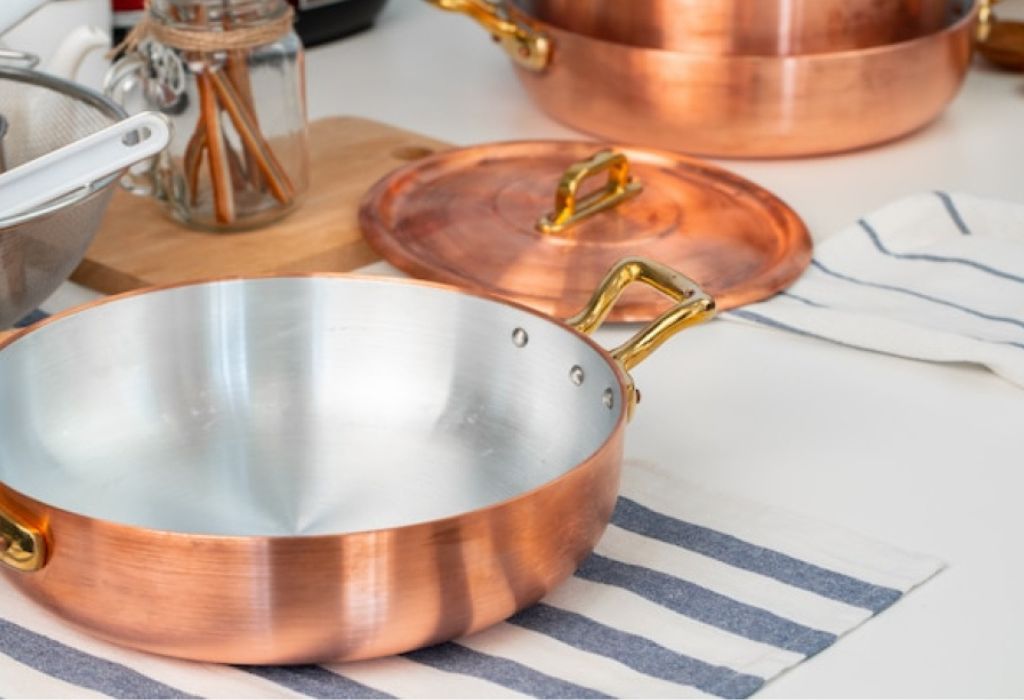
Copper cookware has been a staple in kitchens for centuries due to its exceptional thermal properties and striking appearance. Unlike other metals, copper conducts heat rapidly and distributes it evenly across the cooking surface, reducing the risk of hot spots that can burn food.
This makes it ideal for tasks requiring precision, such as preparing delicate sauces, melting chocolate, or slow-cooking certain dishes.
However, raw copper is reactive with certain foods, which is why most modern copper cookware is lined with materials like stainless steel or tin.
The lining serves as a protective barrier, preventing direct contact between acidic foods and copper, while retaining the excellent heat conductivity that cooks love.
There are two main types of copper cookware: unlined and lined. Unlined copper offers a more traditional approach and is often used by professional chefs familiar with handling the material carefully.
It provides direct contact with food, which can slightly enhance flavor in some recipes but also increases the risk of copper leaching, especially when cooking acidic foods like tomatoes, citrus, or vinegar-based sauces.
Lined copper cookware, by contrast, combines the benefits of copper’s heat conductivity with safety, as the lining prevents excessive copper exposure.
High-quality lined copper cookware can last for decades if properly maintained, offering both beauty and functionality.
Maintaining copper cookware is essential for safety and performance. Polishing the exterior preserves its iconic reddish hue, while inspecting the lining ensures that it remains intact and free from damage.
Scratches or worn spots can expose the underlying copper, increasing the likelihood of copper transfer to food. Additionally, proper storage in dry areas prevents corrosion and prolongs the cookware’s lifespan.
Overall, understanding the material, types, and maintenance requirements is crucial for anyone considering copper cookware.
When chosen and used correctly, copper cookware offers unmatched cooking performance, durability, and elegance in the kitchen.
Health Risks Associated with Copper Cookware
Despite its culinary advantages, copper cookware can pose health risks if not used properly. The primary concern is copper toxicity, which occurs when the body absorbs excessive amounts of copper.
Symptoms of copper overexposure include nausea, vomiting, abdominal cramps, and in extreme cases, liver damage (NIH, 2024). The risk is significantly higher when using unlined copper cookware, as direct contact with food—especially acidic foods—can accelerate copper leaching.
Acidic ingredients like tomatoes, citrus, and vinegar interact with copper surfaces, dissolving small amounts of the metal into meals.
Other risk factors include improper maintenance and damaged linings. Copper cookware lined with stainless steel or tin dramatically reduces the risk of copper transfer, but if the lining is scratched, worn, or corroded, the food can still come into contact with copper.
Regular inspection of the cookware’s interior is therefore essential. Additionally, frequent use of unlined copper for cooking acidic meals increases cumulative copper exposure, which may pose long-term health concerns.
Children and individuals with preexisting liver or gastrointestinal conditions are particularly susceptible to copper overexposure.
Health authorities provide guidelines on daily copper intake to prevent toxicity, which highlights the importance of using copper cookware safely.
Choosing high-quality lined copper cookware, avoiding acidic foods in unlined pots, and following proper cleaning and maintenance protocols can mitigate most risks.
When these precautions are taken, copper cookware can remain a safe and valuable tool in the kitchen, providing superior cooking performance without compromising health.
Awareness of these risks allows cooks to enjoy the benefits of copper while protecting themselves and their families.
Benefits of Copper Cookware
Copper cookware is prized for its superior performance, durability, and aesthetic appeal. Its most significant advantage lies in heat conductivity.
Copper heats quickly and distributes thermal energy evenly across the cooking surface, allowing for precise temperature control.
This makes it highly suitable for tasks that demand finesse, such as making delicate sauces, tempering chocolate, or cooking seafood.
Unlike stainless steel or aluminum, copper responds instantly to temperature changes, enabling cooks to adjust heat precisely and avoid burning or overcooking food.
Beyond functionality, copper cookware is visually stunning. Its reddish-gold sheen adds sophistication to any kitchen, making it both a practical and decorative element.
Many chefs and home cooks prefer copper not just for performance but for the elegance it brings to culinary presentation. Additionally, copper cookware can last for decades when properly maintained.
Lined copper ensures safety while preserving the metal’s heat conductivity and aesthetic appeal. Regular cleaning and polishing prevent tarnish and maintain its iconic shine, while professional re-tinning or lining replacements can extend its usable life indefinitely.
Another benefit of copper cookware is its versatility. While high heat should generally be avoided, copper pans are excellent for a wide range of cooking techniques, including sautéing, simmering, and slow cooking.
They also work beautifully with gas, electric, and induction cooktops when paired with compatible bases. The combination of superior heat control, long-term durability, and timeless beauty makes copper cookware a worthwhile investment for anyone serious about cooking.
When used correctly, copper cookware delivers unmatched culinary precision while enhancing the kitchen’s overall aesthetic.
How Copper Cookware Affects Food Flavor
Copper cookware has long been prized not only for its performance but also for the subtle impact it can have on the flavor and texture of food.
Its exceptional thermal conductivity allows heat to distribute evenly across the cooking surface, preventing hot spots that could burn or unevenly cook ingredients.
This precision is especially valuable when preparing delicate dishes such as sauces, custards, or caramel, where even a slight fluctuation in temperature can result in separation, graininess, or burnt edges.
The rapid responsiveness of copper means that cooks can easily adjust temperature, which helps maintain flavor integrity and consistency in complex recipes.
The type of copper cookware—unlined or lined—plays a key role in flavor outcomes. Unlined copper cookware can react with certain ingredients, particularly acidic foods like tomatoes, citrus, vinegar, and wine.
This reaction can sometimes enhance flavors subtly by introducing trace amounts of copper into the dish. However, it can also lead to a metallic taste and, in excess, pose health risks.
Lined copper cookware, commonly lined with stainless steel or tin, prevents direct contact between food and the copper surface, preserving the natural taste of ingredients while maintaining the superior heat distribution for which copper is known.
Lined copper is the safer choice for everyday cooking, offering both culinary precision and food safety.
Copper cookware also influences texture. For example, caramel or chocolate melts smoothly and consistently in a copper pan, without the risk of scorching that is common with stainless steel or aluminum.
Similarly, delicate sauces that require emulsification, such as hollandaise or béarnaise, hold together more reliably in copper due to its precise thermal response.
Many professional chefs favor copper cookware for this reason, as it allows them to produce consistent, high-quality results even under the pressures of a busy kitchen.
Proper maintenance is critical to maintaining both flavor quality and safety. Polishing the exterior copper surface not only preserves its aesthetic appeal but also ensures that residues or tarnish do not interfere with cooking.
Regular inspection of the lining is important to confirm that it remains intact, as a damaged lining could expose food to copper, affecting flavor and safety.
Cooking techniques also influence flavor outcomes; using low to medium heat and avoiding acidic foods in unlined copper cookware ensures that the integrity of the dish remains uncompromised.
Finally, copper cookware contributes to presentation. Its bright reddish-gold hue adds elegance to the kitchen and can even enhance the perception of a dish when plated directly in the pan for serving.
The combination of thermal performance, precise control, and visual appeal makes copper cookware a valuable tool not just for chefs but for passionate home cooks as well.
When used and maintained correctly, copper cookware provides an unmatched culinary experience, enhancing both the flavor and texture of meals while offering safety and reliability.
Common Myths About Copper Cookware
Copper cookware has long been surrounded by myths and misconceptions, which can confuse both home cooks and professional chefs.
One common myth is that all copper cookware is inherently unsafe. In reality, lined copper cookware—whether with stainless steel or tin—provides a protective barrier that prevents food from coming into contact with raw copper.
When properly maintained, lined copper cookware is both safe and effective, allowing cooks to enjoy the benefits of superior heat conductivity without the health risks associated with copper leaching.
Another prevalent myth is that copper cookware drastically changes the flavor of food. While unlined copper can interact with acidic ingredients, causing minor reactions, lined copper prevents these chemical interactions, preserving the natural taste of the dish.
Properly maintained copper cookware does not impart metallic flavors and allows the ingredients’ true flavors to shine, making it ideal for delicate sauces, caramel, chocolate, and other precise culinary preparations.
Misunderstandings often arise when unlined copper is used incorrectly or without knowledge of its limitations.
Some people also believe that copper cookware is difficult to maintain. While it does require care, such as polishing and careful handling, maintaining copper cookware is straightforward when the right techniques are followed.
Non-abrasive cleaners, soft cloths, and proper storage prevent damage to both the lining and the exterior, keeping the cookware functional and visually appealing for decades. In fact, routine maintenance enhances the cookware’s heat conductivity and ensures even cooking, demonstrating that the effort invested in care is rewarded with both performance and longevity.
Another myth is that copper cookware is only suitable for professional chefs. While professionals value copper for its responsiveness, home cooks can also benefit from high-quality lined copper cookware.
With proper knowledge of cooking techniques, maintenance, and usage guidelines, home kitchens can achieve the same precision and control as professional setups.
Copper cookware offers versatility for a wide range of dishes, from everyday meals to elaborate culinary creations, making it accessible to anyone committed to cooking safely and effectively.
Finally, some assume that the aesthetic appeal of copper cookware is purely decorative and not functional. On the contrary, its thermal properties, durability, and responsiveness contribute directly to cooking performance.
Its iconic reddish-gold sheen also makes it a visually striking centerpiece in kitchens, enhancing presentation without compromising utility.
By dispelling these myths, cooks can make informed decisions about copper cookware, balancing aesthetics, safety, and performance. Understanding the facts allows users to maximize the benefits of copper while avoiding potential pitfalls.
Safe Practices for Using Copper Cookware
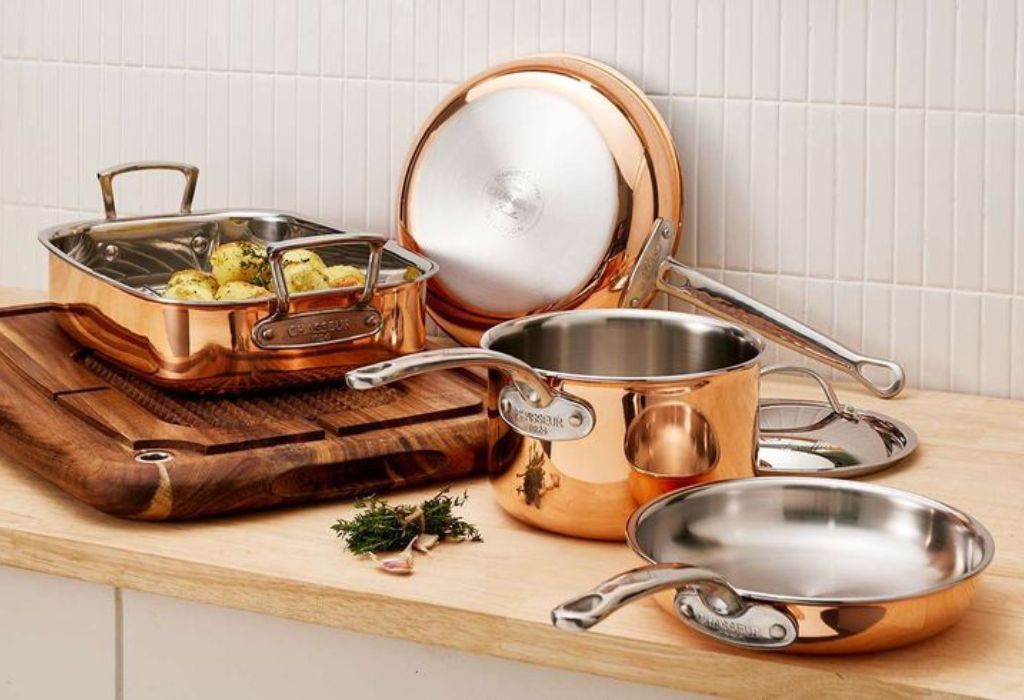
Using copper cookware safely requires understanding both the material and proper cooking habits. The primary consideration is selecting the right type of copper cookware.
Lined copper, either with stainless steel or tin, provides a protective barrier that prevents food from contacting raw copper, significantly reducing the risk of copper leaching.
High-quality lined cookware from reputable manufacturers is recommended for home kitchens, as it combines safety with the exceptional thermal performance copper is known for.
Proper maintenance is also critical for longevity and safety. Polishing the exterior prevents tarnish and maintains the iconic copper shine, while routine inspection of the interior lining ensures it remains intact and free of scratches.
Damaged linings or worn spots can expose the underlying copper, which may react with acidic foods. Cleaning should be done carefully with non-abrasive materials to avoid damaging the lining, and acidic cleaning agents should be avoided.
Correct storage, in a dry area and without stacking heavy items on top, further prevents corrosion and extends the cookware’s lifespan.
Cooking techniques also influence safety. Acidic foods should generally be avoided in unlined copper cookware to minimize the risk of copper transfer.
For lined cookware, this risk is substantially lower, allowing cooks to prepare a wider variety of dishes with confidence. Using appropriate utensils, such as wood or silicone, prevents scratching and preserves the integrity of the lining.
Furthermore, understanding the cookware’s thermal properties allows cooks to maintain proper temperatures, which not only enhances cooking performance but also contributes to safe food preparation.
By combining careful selection, routine maintenance, and proper cooking habits, copper cookware can be both safe and highly effective.
The advantages of copper—heat conductivity, precise temperature control, and visual appeal—can be fully realized when these safe practices are consistently applied.
Knowledge of these precautions ensures that every cooking session maximizes the benefits of copper without exposing users to unnecessary health risks.
Maintenance and Longevity of Copper Cookware
Copper cookware is an investment that can last for decades, but its longevity depends heavily on proper care and maintenance. The metal’s distinctive reddish-gold exterior not only adds beauty to the kitchen but also requires routine attention to preserve its appearance.
Over time, copper naturally develops a patina, which some find aesthetically appealing, but many cooks prefer a polished finish for a clean, professional look. To maintain this, regular polishing with non-abrasive cleaners designed for copper is recommended.
Abrasive scrubbing or harsh chemicals can damage both the exterior and the interior lining, reducing the cookware’s lifespan and safety.
The interior lining of copper cookware—usually tin or stainless steel—is the most critical aspect of its maintenance.
This lining prevents direct contact between food and copper, ensuring both safety and consistent flavor. Tin linings may wear over time and require periodic re-tinning, a process performed by professionals that restores the protective layer.
Stainless steel linings, while more durable, should be regularly inspected for scratches, dents, or signs of corrosion. Damage to the lining can expose the underlying copper, increasing the risk of copper leaching into food.
Proper maintenance involves careful cleaning, avoiding metal utensils, and using silicone, wood, or heat-resistant plastic tools to protect the surface.
Storage is another essential factor in copper cookware longevity. Pans and pots should be stored in dry areas to prevent moisture-related damage and corrosion. Heavy stacking can dent or scratch the lining, so it is best to use pan protectors or store cookware individually if possible.
For larger sets, hanging copper pots is a common practice in professional kitchens, offering both convenience and a visually striking display.
Routine maintenance also contributes to the cookware’s performance. Clean and polished copper conducts heat more efficiently than tarnished or damaged surfaces, ensuring precise temperature control and even cooking.
Neglecting maintenance can result in uneven heating, sticking, or decreased responsiveness, which diminishes the culinary benefits of copper.
Finally, proper care enhances both safety and aesthetics. A well-maintained copper pan not only looks elegant but also ensures that food remains uncontaminated by excess copper.
Professional chefs and dedicated home cooks alike understand that investing in lined copper cookware goes beyond immediate performance—it is a long-term commitment.
When cared for properly, copper cookware provides decades of reliable use, unmatched heat conductivity, and timeless beauty, making it one of the most valued tools in any kitchen.
Copper Cookware in Professional Kitchens
Copper cookware has maintained a prestigious status in professional kitchens for centuries, primarily due to its unmatched heat conductivity and responsiveness.
In environments where precision is critical, such as fine dining restaurants or culinary schools, copper allows chefs to control cooking temperatures with remarkable accuracy. This capability ensures that delicate sauces, chocolate, and emulsions maintain consistent texture and flavor.
Unlike other materials that can have hot spots or slow temperature response, copper reacts immediately to changes in heat, giving chefs an exceptional level of control over their cooking.
High-quality lined copper cookware is the standard in professional kitchens. Stainless steel or tin linings protect food from direct copper exposure while preserving the metal’s superior heat distribution.
Many professional chefs invest in thicker copper cookware, which enhances both durability and heat retention. A well-lined copper pan provides even, steady heat, allowing multiple dishes to be prepared simultaneously without risk of burning or undercooking.
This consistency is essential in high-pressure kitchens where timing and precision are paramount.
Beyond functionality, copper cookware is valued for its visual appeal. Open kitchens, popular in modern restaurants, showcase polished copper pans hanging on racks or displayed on stovetops, adding elegance and sophistication to the culinary environment.
This aesthetic element also reinforces the perception of quality and professionalism, creating a visual connection between skill and presentation.
Maintenance in professional kitchens is rigorous but essential. Regular cleaning, polishing, and inspection of linings ensure that the cookware remains both effective and safe.
Tin linings are periodically re-tinned, and stainless steel linings are carefully monitored for signs of wear or damage.
Skilled kitchen staff understand that the performance and longevity of copper cookware depend on consistent maintenance practices, and professional kitchens often have dedicated routines for this purpose.
Copper cookware’s longevity is another reason it remains favored by professionals. When properly cared for, these pans can last decades, reducing replacement costs and providing reliable performance over time.
The combination of durability, aesthetic appeal, and unparalleled heat conductivity makes copper an essential tool for chefs who demand precision, consistency, and safety.
For professional kitchens, copper is not merely a material—it is an investment in performance, presentation, and culinary excellence.
Its continued use in high-end kitchens worldwide underscores its unmatched value in both function and style, bridging the gap between practical cooking needs and aesthetic considerations.
Investing in Quality Copper Cookware
Investing in high-quality copper cookware is both a practical and aesthetic decision for serious home cooks and professional chefs alike.
High-quality lined copper pans combine superior heat conductivity, durability, and safety, making them a reliable long-term investment.
Unlike cheaper alternatives, premium copper cookware ensures even heat distribution, precise temperature control, and consistent cooking results.
These features are particularly valuable when preparing delicate sauces, chocolate, or any dish requiring careful temperature management.
Price often reflects craftsmanship, material quality, and brand reputation. Thicker copper sheets provide enhanced heat retention and durability, while high-quality linings—either stainless steel or tin—ensure safety and longevity.
Premium copper cookware also incorporates ergonomic designs, including well-balanced handles and sturdy bases, which improve usability and comfort during cooking.
Investing in these high-quality pieces ensures that the cookware not only performs exceptionally but also maintains its safety and structural integrity over decades of use.
Another factor supporting investment in quality copper cookware is longevity. Well-maintained lined copper pans can last for decades, making them a cost-effective option despite higher upfront prices.
Proper care, such as routine polishing, careful cleaning, and occasional re-tinning of tin linings, preserves both the functionality and aesthetics of the cookware.
A long-lasting copper pan reduces the need for frequent replacement, which also contributes to sustainability and minimizes kitchen waste.
Aesthetic appeal is another reason for investing in high-quality copper cookware. Its striking reddish-gold exterior adds sophistication and elegance to any kitchen.
Many high-end kitchens display copper cookware on open racks or stovetops, highlighting both craftsmanship and culinary professionalism. This visual impact complements functionality, creating cookware that is not only practical but also a centerpiece of kitchen design.
Finally, investing in quality copper cookware ensures safety when used properly. Premium lined copper prevents direct contact between food and raw copper, significantly reducing the risk of copper toxicity.
Understanding the importance of lining integrity, combined with proper maintenance, allows cooks to enjoy the benefits of copper safely.
The combination of performance, durability, aesthetics, and safety makes premium copper cookware a valuable and worthwhile investment for anyone seeking to elevate their cooking experience.
By selecting well-crafted copper cookware and committing to proper care, cooks secure decades of reliable, precise, and safe cooking.
This investment pays off in superior culinary results, long-term value, and a visually stunning addition to the kitchen, demonstrating that quality, safety, and performance can coexist seamlessly.
Environmental and Sustainability Considerations
Copper cookware offers several advantages not only in the kitchen but also from an environmental and sustainability perspective.
Copper is a highly recyclable metal, and responsibly sourced copper minimizes the environmental impact of production. Modern manufacturing practices often incorporate recycled copper, reducing the need for raw mining and conserving natural resources.
Choosing copper cookware made from ethically sourced materials ensures that consumers support sustainable practices while enjoying high-quality kitchen tools.
Durability is a major sustainability factor. High-quality lined copper cookware can last for decades, unlike cheaper alternatives that may need frequent replacement.
This longevity reduces overall waste, as well-maintained copper pans remain functional and safe for extended periods.
By investing in durable cookware, consumers contribute to waste reduction and lower the environmental footprint associated with repeated production of disposable or short-lived kitchen products.
Regular maintenance, such as polishing, lining inspection, and occasional re-tinning, further extends the life of copper cookware, making it a sustainable choice for conscientious cooks.
Copper cookware’s efficiency in cooking also supports environmental considerations. Its superior heat conductivity allows for precise temperature control and faster cooking times, which can reduce energy consumption compared with other materials.
Less energy used in cooking translates to lower carbon emissions over time, providing a small but meaningful environmental benefit.
This efficiency is particularly relevant in professional kitchens, where hundreds of meals are prepared daily, making energy savings substantial over the long term.
Consumer awareness of sustainable practices has increased demand for copper cookware from reputable brands that emphasize ethical sourcing, energy-efficient manufacturing, and long-lasting products.
Selecting cookware from these brands ensures that purchases are aligned with environmentally responsible practices, combining culinary performance with eco-conscious decision-making.
In addition, repairing or reconditioning existing copper cookware, rather than discarding it, promotes a circular approach to consumption, aligning with modern sustainability principles.
Finally, copper cookware’s longevity, recyclability, and energy-efficient properties make it a responsible choice for environmentally aware cooks.
By choosing high-quality lined copper, maintaining it properly, and sourcing products from ethical manufacturers, consumers can enjoy superior cooking performance while minimizing their environmental impact.
Copper thus provides a balance between performance, aesthetics, and sustainability, making it a long-term, eco-friendly addition to any kitchen.
Alternatives to Copper Cookware
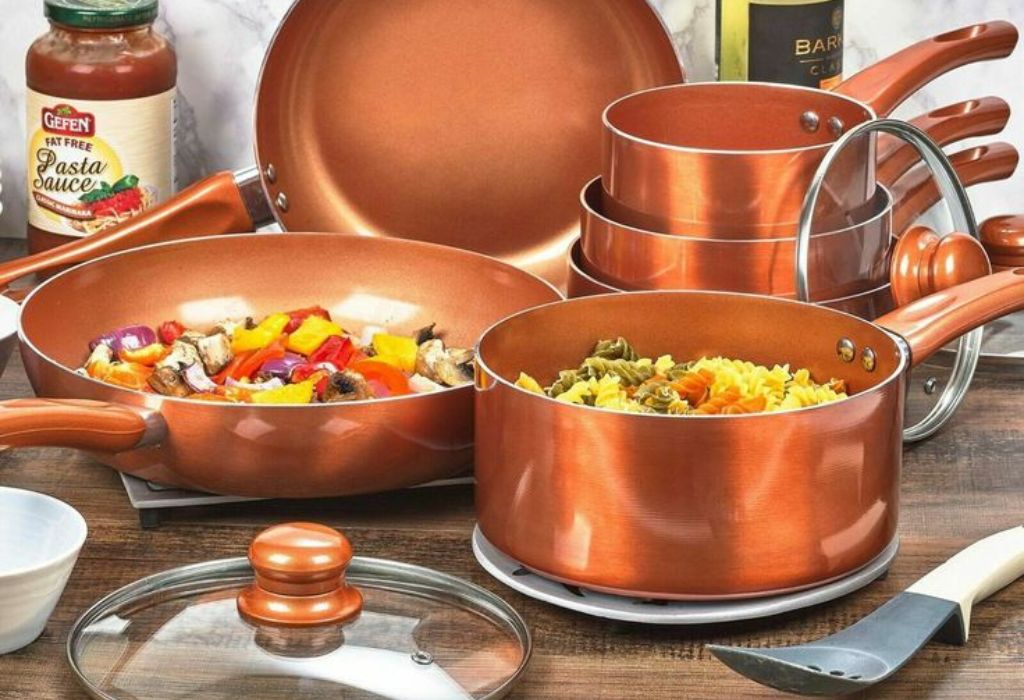
While copper cookware offers unmatched heat conductivity and elegance, other materials may provide safer or more convenient options depending on the cooking scenario.
Stainless steel cookware is one of the most popular alternatives, valued for its durability, corrosion resistance, and non-reactive properties.
Unlike unlined copper, stainless steel does not leach metals into food, making it a safe choice for everyday cooking.
While stainless steel does not conduct heat as evenly as copper, many modern stainless steel pans include an aluminum or copper core to improve thermal performance, bridging the gap between safety and precision.
Ceramic cookware is another alternative that provides a non-reactive cooking surface. It is ideal for cooks concerned about metal leaching, as ceramic does not interact with acidic foods.
Ceramic pans retain heat reasonably well and are compatible with a variety of stovetops, though they generally do not match copper in terms of rapid heat response.
Nonstick coatings may also be applied to ceramic for convenience, but care must be taken to prevent scratching, which can reduce the lifespan of the cookware.
Other options include cast iron and anodized aluminum. Cast iron offers excellent heat retention and durability but requires regular seasoning and is heavy to handle. Anodized aluminum provides good heat conduction with a non-reactive surface, making it another viable alternative for those prioritizing safety.
Choosing between these materials involves weighing factors such as cooking style, desired heat performance, maintenance, and aesthetic preference.
Ultimately, understanding the characteristics of each material allows cooks to select the cookware best suited to their needs.
While copper remains unrivaled for precision cooking and visual appeal, stainless steel, ceramic, cast iron, and anodized aluminum all provide safer and often lower-maintenance alternatives.
Each option presents a balance of performance, convenience, and safety that can complement or replace copper depending on the kitchen environment.
What makes copper cookware unique?
Copper cookware stands out for its excellent heat conductivity, allowing precise temperature control that chefs love for sauces and delicate dishes.
Is copper cookware safe for everyday use?
Yes, copper cookware is generally safe when lined with stainless steel or tin. Unlined copper can leach into acidic foods and pose health risks if used frequently.
What are the health risks of using unlined copper cookware?
Unlined copper can react with acidic foods like tomatoes and vinegar, releasing toxic levels of copper that may cause nausea, stomach pain, or even liver damage over time.
How does lined copper cookware prevent toxicity?
A stainless-steel or tin lining acts as a barrier, preventing direct contact between food and copper, ensuring the cookware remains safe for regular cooking.
What are the benefits of using copper cookware?
Copper cookware offers superior heat control, even cooking, aesthetic appeal, and durability—making it ideal for professional chefs and passionate home cooks.
Can copper leach into food while cooking?
It can if the cookware is unlined or if the lining is worn out. Properly maintained lined copper pans minimize the risk of copper leaching.
How can I tell if my copper cookware is lined or unlined?
Lined copper cookware usually has a silver or stainless-steel interior, while unlined copper shows a reddish-orange metallic surface inside.
What foods should be avoided in unlined copper cookware?
Avoid cooking acidic or salty foods such as tomato sauce, citrus dishes, or vinegar-based recipes in unlined copper to prevent metal leaching.
Is it safe to use antique or vintage copper pans?
Old or vintage copper pans may have degraded linings or even contain lead solder. It’s best to have them professionally tested or re-tinned before use.
How often should copper cookware be re-tinned?
If the tin lining appears dull, scratched, or worn, it should be re-tinned every few years depending on usage to maintain safety and performance.
Does copper cookware work on induction cooktops?
Pure copper is not magnetic, so it doesn’t work directly on induction cooktops unless it has a compatible stainless-steel base layer.
Can copper poisoning really happen from cookware?
Yes, but it’s rare and usually results from using damaged or unlined copper cookware for acidic foods over a long period.
Are copper mugs for drinks like Moscow Mules safe?
Copper mugs are safe if they’re lined with stainless steel or nickel. Unlined copper mugs should not be used for acidic beverages like citrus cocktails.
How can I safely clean and maintain copper cookware?
Use gentle, non-abrasive cleaners, avoid metal utensils, and polish occasionally with a copper-safe cleaner to keep the lining intact and surface bright.
Should I choose copper cookware for health or performance?
If you want precise cooking control and beautiful aesthetics, lined copper cookware is a great choice. Just ensure it’s maintained properly for long-term safety.
Conclusion
Copper cookware offers a unique combination of exceptional heat conductivity, aesthetic appeal, and culinary precision. When used correctly, it can enhance cooking performance, allowing chefs and home cooks to execute complex recipes with accuracy.
However, understanding the potential health risks, especially from unlined copper and cooking acidic foods, is essential for safe use. Selecting high-quality lined cookware, maintaining the lining, and following proper cooking practices ensures that these risks are minimized.
Choosing cookware is not just about performance but also about safety, durability, and long-term investment.
Alternatives such as stainless steel, ceramic, cast iron, or anodized aluminum offer reliable performance with minimal risk, making them suitable for different cooking styles and preferences.
Copper cookware, when properly selected and cared for, can coexist with these alternatives, providing both functional and visual benefits to the kitchen.
Ultimately, informed decisions about cookware materials empower cooks to enjoy both the advantages and beauty of copper safely. Awareness of risks, combined with proper use and maintenance, allows individuals to maximize the performance and longevity of their cookware.
By balancing safety with performance, cooks can confidently create meals that are not only delicious but prepared in cookware that meets both professional standards and personal health considerations.

I’m Emma J. Caldwell, the founder, lead writer, and home-cooking enthusiast behind KitchenGuideCo.com. With a background in culinary arts and over a decade of cooking experience in both professional and personal kitchens, I created this platform to demystify recipes, offer smart kitchen gadget reviews, and guide readers through meal prep with confidence and clarity.