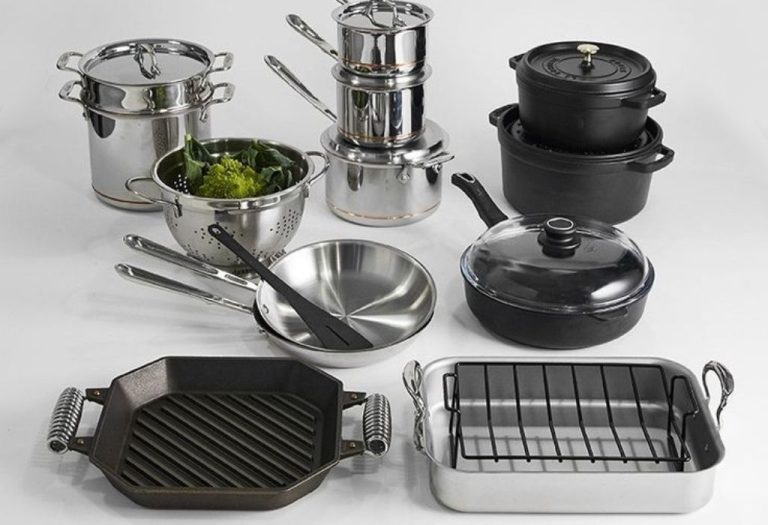
All Clad pans are known for their premium build quality, long lasting performance and excellent heat control. Many home cooks use them daily for frying, searing and simmering, which naturally leads to questions about cleaning.
After a long cooking session, the idea of throwing the pan into the dishwasher feels tempting. Dishwashers promise convenience, but not every high quality pan responds well to heat, steam and strong detergent.
All Clad offers several collections, including stainless steel, D3, D5, copper core and nonstick lines, and each responds differently to dishwasher environments. The variety makes it confusing to know which pans can safely go into the machine.
Some pans handle dishwasher cycles better, while others may discolor, lose shine or damage their nonstick surface. The fear of ruining an expensive pan makes many people hesitate.
Nobody wants to warp a base, fade a finish or weaken bonding layers because of one wash cycle. Proper cleaning keeps All Clad cookware performing beautifully for decades.
Understanding dishwasher safety for All Clad pans helps protect your investment and maintain cooking performance.
Are All Clad Pans Dishwasher Safe
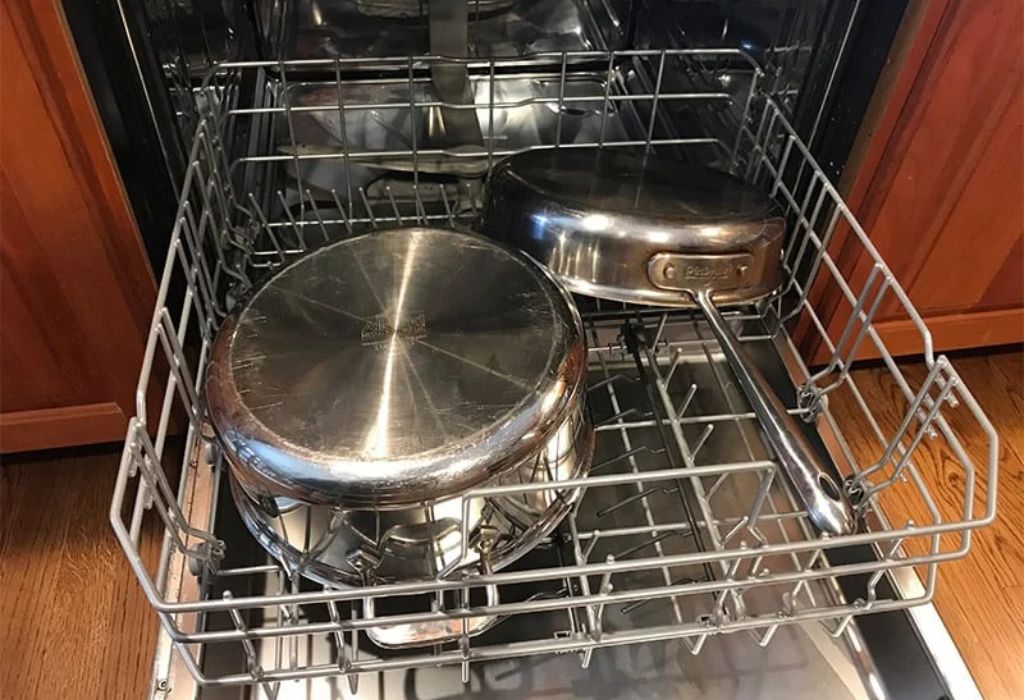
Most All Clad stainless steel pans are technically dishwasher safe, but the company still recommends handwashing for the longest lifespan. Dishwashers use harsh detergent that can dull the stainless steel surface.
The heat inside a dishwasher may also cause slight discoloration or rainbow tinting. These changes do not affect performance but reduce visual appeal.
Nonstick All Clad pans are not recommended for dishwasher cleaning. Strong detergents and hot steam degrade nonstick coatings faster.
Copper core All Clad pans should never go in the dishwasher because copper reacts with detergent and tarnishes. The copper layer may also lose brightness.
Handwashing provides the safest cleaning method for every All Clad collection.
Are all stainless steel All Clad pans dishwasher safe
They can go in, but handwashing is better for long term shine.
Can nonstick All Clad go in the dishwasher
No, dishwashers wear down nonstick coatings quickly.
Are copper core pans dishwasher safe
Copper layers react badly to harsh detergent.
Is dishwasher use harmful
It causes discoloration and long term wear.
Should you avoid dishwashers for All Clad
Handwashing always preserves quality best.
Are Stainless Steel All Clad Pans Dishwasher Safe
Stainless steel All Clad pans can withstand dishwasher heat because they use bonded metal layers. The steel does not warp easily.
However, dishwasher detergent contains chemicals that cause spotting or dulling on stainless surfaces. These spots can be difficult to remove.
Repeated dishwasher cycles may create cloudy patches. This reduces the polished finish that people love about All Clad.
Heat combined with detergent accelerates discoloration. Rainbow marks or blue tints may appear.
Handwashing keeps stainless steel bright and beautiful.
Are Nonstick All Clad Pans Dishwasher Safe
Nonstick coatings are sensitive to harsh cleaning conditions. Dishwasher detergent breaks down these coatings over time.
High heat may cause the nonstick layer to separate microscopically. This reduces its ability to release food smoothly.
Repeated dishwasher cycles also weaken the bonding around the coating. This leads to peeling or flaking.
Hot steam inside the dishwasher places stress on nonstick material. Nonstick pans last longer with gentle washing.
Using soft sponges and mild soap protects the surface.
Does dishwashing damage nonstick surfaces
Yes, detergent and heat degrade the coating.
Can peeling occur
Weak coatings may peel or flake.
Do nonstick pans require gentle care
They must be washed with mild soap.
Can steam weaken the coating
High heat shortens nonstick lifespan.
Is handwashing mandatory
Handwashing preserves the coating best.
Are Copper Core All Clad Pans Dishwasher Safe
Copper core pans contain a visible copper layer that enhances heat control. Copper reacts quickly with chemicals.
Dishwasher detergent tarnishes copper and removes shine. Tarnished copper looks dull or brown.
Copper may also form spots from minerals in the water. These marks become difficult to remove.
When copper reacts with detergent, the bonding around layers may weaken. This affects pan longevity.
To protect copper core pans, always handwash gently.
How Dishwasher Detergent Affects All Clad Pans
Dishwasher detergents are formulated to break down grease aggressively. These formulas are harsher than handwashing soaps.
On stainless steel, detergent causes etching and loss of shine. Etched surfaces reflect light poorly.
On nonstick surfaces, detergent breaks down protective layers. This leads to early damage.
On copper core pans, detergent reacts chemically with copper. Reaction causes discoloration.
Dishwasher detergent is too strong for long term All Clad care.
Does detergent fade cookware
Yes, harsh chemicals reduce clarity and shine.
Is stainless steel affected
Detergent creates etching on steel.
Do coatings break down
Nonstick layers weaken over time.
Does copper react
Copper reacts instantly with detergent.
Is hand soap safer
Mild hand soap protects cookware finishes.
How Dishwasher Heat Affects All Clad Construction
Dishwasher cycles expose pans to extremely high temperatures. These temperatures are harsher than stovetop cleaning.
Heat may weaken bonding between layers of bonded metal. Over time, this affects cooking performance.
Heat combined with water may create mineral deposits. These deposits dull the surface.
Steam pressure travels into small gaps around rivets. Rivet areas may loosen slightly.
High heat simply causes more stress than handwashing.
Safe Ways To Wash All Clad Pans
Use warm water and mild dish soap to clean All Clad pans. Gentle scrubbing removes residue easily.
Avoid abrasive pads that may scratch the surface. Scratches make pans harder to clean later.
For burnt food, soak the pan in warm soapy water. Soaking loosens residue without damaging the surface.
Use baking soda paste for stubborn stains. Baking soda cleans without scratching.
Dry pans immediately to prevent water spots.
Is soaking safe
Yes, soaking loosens tough residue naturally.
Can baking soda help
Baking soda removes stains gently.
Do you need soft sponges
Soft sponges protect the finish.
Should pans be dried quickly
Drying prevents spotting.
Is abrasive cleaning harmful
Abrasive tools scratch stainless steel.
How To Maintain All Clad Shine And Performance
Polish stainless steel occasionally with vinegar or gentle stainless steel cleaner. This restores brightness.
Avoid long exposure to acidic foods. Acid leaves marks on the steel surface.
Clean pans soon after cooking to prevent stubborn residue. Fresh residue washes away easily.
Store pans in a dry place to avoid moisture marks. Moisture leads to staining.
Use soft cloths for polishing and drying.
When Dishwasher Use May Be Acceptable
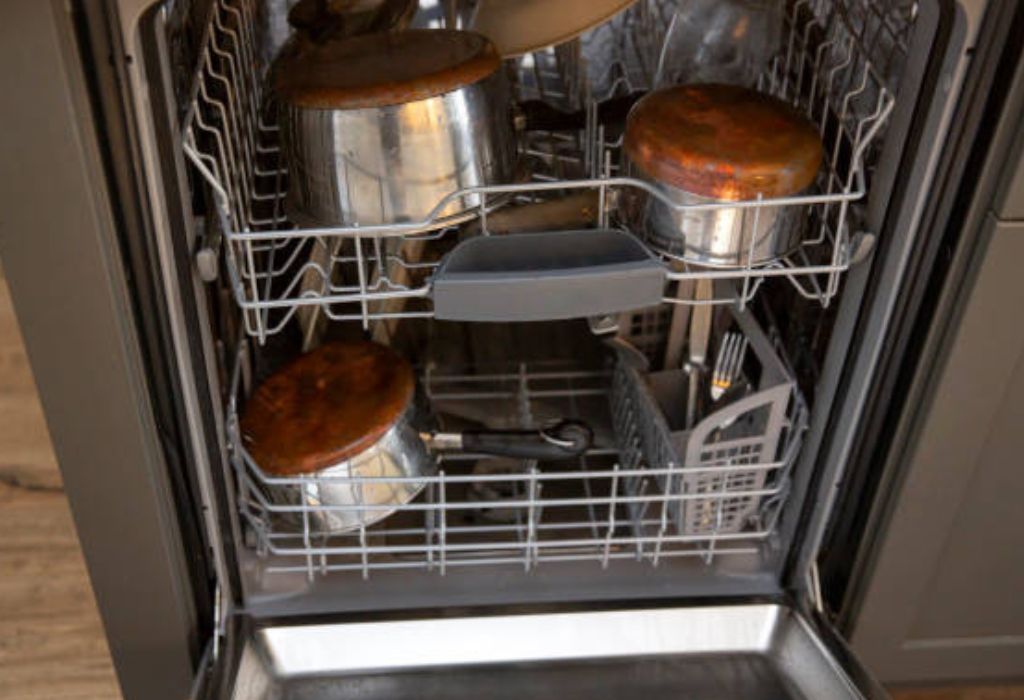
If you must use the dishwasher occasionally, place stainless steel pans on the top rack only. This reduces exposure to direct heat.
Avoid heated drying cycles. Heated drying accelerates discoloration.
Use mild dishwasher detergent if available. Harsh detergent causes more staining.
Do not place nonstick or copper core pans inside. These materials degrade quickly.
Occasional dishwasher use is not ideal but manageable for stainless only.
Conclusion
All Clad pans vary in dishwasher safety depending on the collection and material. While stainless steel All Clad pans can technically go into the dishwasher, frequent washing may cause discoloration, dullness and long term wear. Nonstick and copper core pans should never be placed in the dishwasher due to sensitive coatings and copper reactions.
Handwashing with mild soap, warm water and gentle cleaning tools is the safest way to protect All Clad cookware for decades. Avoiding harsh detergent and high heat preserves shine, prevents warping and keeps cooking performance strong.
With proper care, All Clad pans remain reliable, beautiful and high performing kitchen tools that last a lifetime.
Treating them gently ensures the best results every time you cook.

I’m Emma J. Caldwell, the founder, lead writer, and home-cooking enthusiast behind KitchenGuideCo.com. With a background in culinary arts and over a decade of cooking experience in both professional and personal kitchens, I created this platform to demystify recipes, offer smart kitchen gadget reviews, and guide readers through meal prep with confidence and clarity.