Picture this: you’ve finally decided to upgrade your old dishwasher, found a great deal online, and ordered it excitedly.
But when it arrives, you realise it doesn’t fit into your kitchen space. This frustrating scenario happens more often than you think, and it all comes down to one overlooked detail — size.
Dishwashers may look similar at first glance, but they actually come in a variety of sizes and configurations. From slimline models perfect for apartments to full-sized machines built for families, every design serves a different purpose.
Choosing the wrong one can lead to tricky installations, wasted money, and endless inconvenience.
Understanding dishwasher sizes helps you plan smarter, especially when renovating or replacing an old unit. It ensures your new machine aligns perfectly with your cabinetry, plumbing, and electrical setup.
Plus, the right size can influence water consumption, noise levels, and even energy efficiency.
In this detailed guide, we’ll explore the real differences between dishwasher sizes, what the term “standard” actually means, and how to measure your kitchen space correctly.
You’ll also learn which models work best for small apartments, large families, or unique layouts. By the end, you’ll know exactly how to choose a dishwasher that fits your space like a glove.
Understanding the Standard Dishwasher Dimensions
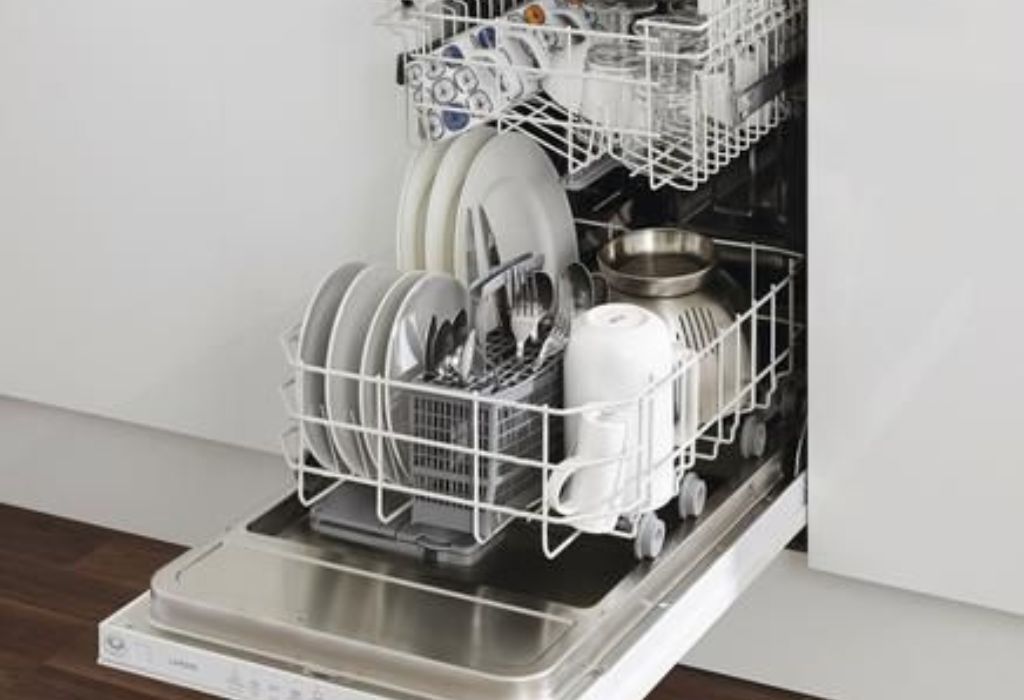
When most people think of dishwashers, they imagine the classic built-in model tucked neatly under the countertop.
These are known as standard dishwashers, and they follow common industry dimensions to ensure compatibility with most kitchens. Understanding these measurements helps you avoid surprises during installation.
A typical full-size dishwasher measures about 24 inches wide, 24 inches deep, and 35 inches tall. These dimensions allow it to fit under standard countertops and between common cabinet widths.
Manufacturers design these appliances with just enough flexibility to adjust height slightly for uneven flooring.
While the exterior dimensions are consistent, the interior capacity can vary depending on brand and design. Some models offer larger loading spaces by using thinner walls or smart rack systems.
The number of place settings a dishwasher holds, usually between 12 and 16, gives a more accurate sense of capacity.
It’s also worth noting that not every “standard” model fits perfectly into every kitchen. Older homes or custom-built cabinetry may have slightly different openings. That’s why measuring your available space before purchasing is always essential.
Manufacturers often list both minimum and maximum adjustable heights for their models. This adjustability ensures you can level your dishwasher even on uneven floors. It also helps when installing over thicker flooring materials like tiles or hardwood.
Overall, the standard dishwasher size suits most households comfortably. But as kitchen designs and lifestyles evolve, alternative sizes have become increasingly popular to meet specific needs.
Compact and Slimline Dishwashers Explained
Not every kitchen can accommodate a full-size dishwasher, which is why compact and slimline models have become increasingly popular.
These smaller versions offer the same convenience and performance but take up less space, making them ideal for apartments, offices, and small homes.
A compact dishwasher typically measures around 18 inches wide, 24 inches deep, and 35 inches high. Despite being narrower, it retains similar depth and height to standard models, allowing it to fit beneath most countertops.
These dishwashers usually hold between eight and ten place settings, perfect for couples or small families.
On the other hand, slimline dishwashers are slightly wider than compact models but still smaller than full-size ones. They typically range from 20 to 22 inches in width and are designed to balance space efficiency with capacity.
Many slimline versions can handle up to twelve place settings, offering great performance for smaller kitchens.
Compact and slimline models often consume less water and energy per cycle compared to their larger counterparts.
However, since they wash fewer dishes per load, the total consumption may even out if you run multiple cycles daily. Still, for light users, these smaller dishwashers provide a practical and eco-friendly choice.
Another benefit of these models is their flexible installation options. You can find built-in, portable, and countertop versions depending on your layout.
Countertop dishwashers, for example, can sit directly on a counter and connect easily to a faucet, making them perfect for renters or dorms.
Slimline dishwashers are also a popular choice for European kitchens, where space is often limited but functionality is essential.
They blend seamlessly into cabinetry and maintain the sleek aesthetic modern homeowners seek. This trend has slowly gained popularity in compact urban apartments worldwide.
Whether you choose compact or slimline, these dishwashers prove that size doesn’t limit performance.
They deliver efficient, quiet, and thorough cleaning cycles while saving valuable kitchen space. For anyone short on room but unwilling to compromise on cleanliness, they’re an excellent solution.
Built-In vs Portable Dishwasher Size Differences
When shopping for a dishwasher, one of the first decisions you’ll face is choosing between a built-in or a portable model. While both types perform the same cleaning functions, their sizes, designs, and installation requirements vary greatly.
Understanding these differences helps ensure you select the model that best suits your space and lifestyle.
A built-in dishwasher is the most common type, permanently installed under the kitchen counter. It’s designed to connect directly to your home’s water supply and drainage system.
Standard built-in dishwashers usually measure 24 inches wide, 24 inches deep, and about 35 inches tall, though height can be slightly adjusted for perfect alignment.
In contrast, a portable dishwasher is freestanding and can be moved when not in use. These models are ideal for renters or small kitchens without dedicated plumbing connections.
They typically measure around 24 inches wide, 27 inches deep, and 37 inches high, giving them a bulkier appearance due to their integrated top and wheels.
Portable models connect to the sink faucet using a quick-connect adapter. When running, they draw water from the faucet and drain it back through the same connection. Because of this setup, they are taller but not as deep as built-in dishwashers, allowing for easy mobility and flexibility.
Another variation is the countertop dishwasher, the most compact of all. These small units usually measure around 17 inches high and 22 inches wide. They sit directly on the countertop and connect easily to the kitchen faucet, making them perfect for one- or two-person households.
While built-in dishwashers offer a permanent, seamless aesthetic, portable ones provide freedom and convenience. Built-ins can accommodate larger loads, typically up to 16 place settings, while portable and countertop models handle between 4 and 12 depending on size.
In terms of capacity, built-in dishwashers are the clear winners for families or frequent entertainers. However, for people living in apartments or mobile homes, portable options provide a flexible and affordable alternative.
Each type is designed to serve a distinct lifestyle, so your kitchen layout and daily habits should guide your choice.
Measuring Your Space Before Buying a Dishwasher
Before purchasing a new dishwasher, measuring your kitchen space accurately is essential. Even a small error of half an inch can make installation difficult or impossible.
Proper measurements ensure your appliance fits perfectly and functions efficiently without disrupting your cabinetry or plumbing.
Start by measuring the width of the space between your cabinets. Standard dishwashers require 24 inches, while slimline or compact models need less — usually between 18 and 22 inches.
Always measure from the narrowest point, as even minor irregularities in cabinet alignment can affect fit.
Next, check the height from the floor to the underside of your countertop. Most dishwashers fit under counters measuring around 35 inches high.
However, if you’ve installed thick flooring materials such as tiles or hardwood after the cabinets, that height may decrease slightly. Many models feature adjustable legs to accommodate these variations.
The depth is another critical dimension often overlooked by homeowners. Measure from the back wall to the cabinet front edge. Standard dishwashers are about 24 inches deep, but make sure to leave extra space for hoses and electrical connections at the rear. A clearance of at least one inch is recommended.
Don’t forget to measure the door swing space in front of the dishwasher. The door must open fully for easy loading and unloading. Ensure there’s at least 27 to 30 inches of open space between the front of the appliance and any opposing cabinets or walls.
When replacing an old unit, check the existing cutout carefully. Cabinet openings may have been modified during previous installations. If you’re unsure, remove the base trim and measure the actual opening rather than relying on the old appliance’s size.
For corner installations, consider the angle and nearby drawers. A dishwasher door opening near a corner may block adjacent cabinets if spacing is tight. Planning this in advance avoids frustrating design conflicts.
Accurate measuring not only ensures a seamless fit but also prevents water leaks, vibration issues, and long-term wear. A few minutes with a measuring tape can save hours of trouble later. Precision here sets the foundation for a perfect installation and optimal performance.
Factors That Influence Dishwasher Size Choice
Choosing the right dishwasher size isn’t just about fitting it into a gap under your counter. Several key factors determine which size best suits your home, lifestyle, and daily cleaning habits.
Understanding these considerations helps you select a model that balances convenience, efficiency, and aesthetics.
The size of your household plays the most significant role in determining dishwasher capacity. A family of four or more will likely benefit from a standard 24-inch model with room for up to sixteen place settings.
Smaller households or individuals may prefer a compact or countertop model that handles lighter daily loads efficiently.
Your kitchen layout also influences the best dishwasher size. Open-plan kitchens or those with limited cabinetry often require slimline designs that conserve space.
Meanwhile, larger kitchens with dedicated utility areas can easily accommodate full-sized or even double-drawer dishwashers.
The frequency of use is another deciding factor. If you run your dishwasher daily, a standard-size model saves water and energy by washing more dishes in a single cycle.
For occasional use, smaller dishwashers are more practical and prevent wasted resources on half-empty loads.
The type of cookware and utensils you use should also guide your choice. Larger pots, baking trays, and cutting boards require additional space and flexible racking systems.
Many full-sized dishwashers come with adjustable racks and foldable tines to handle bulky kitchenware with ease.
Your plumbing and electrical setup can limit the dishwasher size you can install. Built-in models need dedicated connections, while portable ones work with standard sinks. Ensuring your kitchen’s infrastructure matches your chosen model prevents expensive modifications later.
Another overlooked factor is energy efficiency. Full-sized models often have advanced eco modes and larger heating elements for faster drying. However, compact units consume less power per cycle and are ideal for homes where smaller loads are frequent.
Lastly, design preferences and aesthetics might influence your decision. Many homeowners choose panel-ready dishwashers that blend with their cabinetry.
Others prefer portable or countertop models for their flexibility and simplicity. Ultimately, the right size is one that complements both your lifestyle and your kitchen’s personality.
How to Install a Dishwasher for Perfect Fit
Installing a dishwasher may seem straightforward, but achieving a perfect fit requires careful preparation and precision.
Even the right-sized appliance can create issues if the installation isn’t done correctly. Proper placement ensures optimal performance, easy access, and long-lasting reliability.
Begin by turning off the power and water supply to the area where the dishwasher will be installed. Safety should always come first, as you’ll be working with both electrical and plumbing connections.
Make sure you have access to a grounded power outlet and a water line that can handle the dishwasher’s inlet pressure.
Next, prepare the cabinet opening by cleaning and clearing out debris from previous installations.
Ensure the space matches the measurements taken earlier — width, height, and depth must align perfectly. If adjustments are needed, do them before unboxing the new appliance to avoid last-minute difficulties.
Position the drain hose and water inlet line before sliding the dishwasher into place. The drain hose should loop upward to prevent wastewater from flowing back into the appliance. A high loop or air gap device is often recommended for hygiene and compliance with plumbing codes.
Carefully slide the dishwasher into the cabinet space, making sure not to kink any hoses or crush the power cord. Adjust the leveling legs at the base to ensure the unit is perfectly balanced. A tilted dishwasher can cause poor drainage, leaks, and even door-sealing issues.
Once in position, connect the water supply line to the inlet valve and the drain hose to your plumbing system or sink connection. Tighten all joints securely, but avoid over-tightening, which could crack fittings. Use Teflon tape or plumber’s sealant where necessary to prevent leaks.
Plug in the power cord or connect it directly to a dedicated circuit if hardwired. Most dishwashers require a 120-volt connection. Always check the manufacturer’s manual for wiring diagrams to ensure safety and compliance.
Finally, run a test cycle before finalizing installation. Watch for leaks under the sink, around the door, and at the drain connection.
If everything runs smoothly, secure the dishwasher to the countertop using mounting brackets. A correctly installed unit not only fits perfectly but also operates quietly and efficiently.
Common Mistakes When Measuring Dishwasher Space
Even the most carefully planned kitchen renovation can go wrong if measurements are slightly off.
Dishwasher sizing mistakes are among the most common installation problems homeowners face. Avoiding these errors ensures your appliance fits seamlessly without costly adjustments later.
One of the biggest mistakes is measuring only the width of the cabinet opening while ignoring height and depth. A dishwasher that fits perfectly in width but is too tall won’t slide under the countertop.
Always measure all three dimensions, width, height, and depth, from multiple points to account for uneven flooring or cabinetry.
Another common issue is forgetting to leave clearance for hoses and wiring behind the dishwasher. Most models need at least one inch of extra space at the back for water and drain connections. Without that allowance, the dishwasher may not slide in completely or could damage hoses during installation.
Homeowners also often ignore door clearance in front of the unit. The dishwasher door needs enough space to open fully for easy loading and unloading. If it hits an island, wall, or cabinet handle, it can strain the hinges and make everyday use frustrating.
Many people make the mistake of measuring only the old dishwasher, assuming the new one will fit the same space. Over time, kitchen flooring, trim, or countertop replacements can subtly change dimensions. Always measure the actual cutout, not the appliance being replaced.
Another frequent oversight involves uneven flooring or tiling added after cabinetry installation. Even a small height increase can prevent a standard dishwasher from fitting properly.
Adjustable legs can help compensate, but excessive differences might require trimming the countertop underside.
Some users also skip measuring for insulation panels or decorative trims that come with certain models. These accessories add to the overall dimensions and can affect how the unit aligns with adjacent cabinets. Checking product specifications before purchase helps avoid such surprises.
Lastly, people often forget to account for ventilation space around portable or freestanding dishwashers. These units need extra airflow to prevent overheating during long cycles. Allowing proper clearance not only improves performance but also extends the machine’s lifespan.
Accurate measurement might seem tedious, but it’s the foundation of a successful installation. Taking time to double-check every inch ensures your dishwasher fits perfectly and operates without complications.
Can a Bigger Dishwasher Fit in a Standard Cabinet Space
Many homeowners wonder if upgrading to a larger dishwasher is possible without major kitchen remodeling. While it may sound tempting to install a bigger model for extra capacity, fitting one into a standard cabinet space comes with limitations.
Understanding these restrictions helps prevent installation headaches and unnecessary expenses.
The standard dishwasher opening in most kitchens is 24 inches wide, 24 inches deep, and 35 inches high. This measurement is designed to accommodate the majority of built-in dishwashers available on the market. Trying to fit a wider or deeper unit into this space often requires altering cabinetry or countertops.
If you attempt to install a larger dishwasher without modification, you risk damaging your cabinets or restricting airflow.
Dishwashers need room to breathe and vent moisture during drying cycles. A tight fit can lead to overheating or poor performance, reducing the appliance’s lifespan.
In some cases, a slightly taller dishwasher can fit if your countertop allows minor adjustments. Many models come with removable top panels or adjustable legs that help them slide under counters with limited space.
However, these adjustments usually offer less than an inch of flexibility, so exact measurements remain essential.
For homeowners who want more interior space without changing cabinet size, tall tub dishwashers are an excellent solution.
They fit the same standard opening but feature deeper interiors and redesigned racks for increased capacity. These models are popular because they offer larger loading potential without requiring construction changes.
If your kitchen allows it, you could also consider installing a double-drawer dishwasher. This design features two separate drawers stacked vertically within a standard width.
It provides the convenience of running small or large loads independently while maintaining the same footprint as a traditional 24-inch unit.
In rare cases, you might widen the cabinet opening slightly to accommodate a larger model. However, this should only be done by professionals, as it involves structural changes that could weaken surrounding cabinetry. The cost and effort are usually not worth the minimal gain in capacity.
Ultimately, fitting a bigger dishwasher into a standard space is possible only within tight limits. For most households, choosing a tall tub or high-efficiency model provides more practical capacity without the hassle of remodeling. Proper planning ensures both form and function remain in harmony in your kitchen.
The Future of Dishwasher Design and Custom Sizing
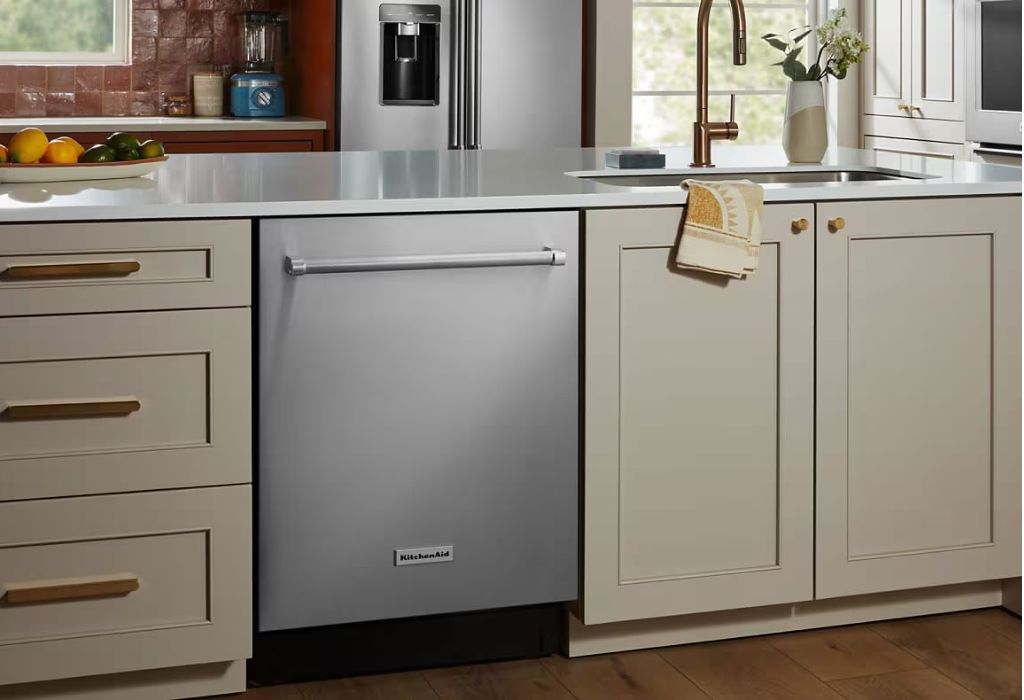
As kitchens evolve, so do dishwashers. The future of dishwasher design is shifting toward smarter technology, eco-friendly materials, and custom sizing that adapts to different lifestyles.
These innovations aim to combine efficiency, flexibility, and aesthetics in ways never seen before.
Manufacturers are increasingly focused on modular designs that allow users to choose different capacities and layouts.
Future dishwashers may include removable racks, adjustable interior heights, and even expandable tub spaces. This level of customization gives homeowners greater control over space management and functionality.
Smart technology is also reshaping how dishwashers operate. Built-in sensors now communicate with mobile apps to monitor performance, detect leaks, and adjust wash cycles automatically.
In the future, dishwashers could sync with kitchen hubs or smart home systems to order detergent refills and perform self-diagnosis when maintenance is needed.
Another exciting development is the focus on space-saving innovations. With urban living spaces getting smaller, compact and multi-purpose dishwashers are becoming a necessity. We’re already seeing drawer-style dishwashers that fit under counters or even inside kitchen islands, offering flexibility for unique layouts.
Energy efficiency remains at the forefront of design evolution. Future models are expected to use heat pump technology, similar to modern dryers, to recycle hot air for faster and more energy-efficient drying.
Combined with improved insulation and water recycling, these systems drastically reduce energy consumption.
Sustainability is also driving material innovation. Many brands are exploring biodegradable components, recycled plastics, and non-toxic coatings to make appliances more environmentally friendly.
As governments tighten eco-regulations, manufacturers are rethinking how every part of a dishwasher can reduce its carbon footprint.
Custom sizing options are already appearing in high-end kitchens, where built-to-fit models seamlessly integrate with bespoke cabinetry.
Designers and architects are working closely with manufacturers to create dishwashers that not only fit perfectly but also enhance the kitchen’s visual harmony.
Looking ahead, dishwashers are becoming more personal, adaptable, and intelligent. They will no longer be one-size-fits-all appliances but dynamic machines tailored to individual spaces and habits.
This transformation marks a new era where convenience meets innovation, making dishwashing more efficient and sustainable than ever.
Common Dishwasher Size Questions Answered
Are all dishwashers the same width and height?
No, not all dishwashers share identical dimensions. Standard models are about 24 inches wide and 35 inches tall, while compact ones can be as narrow as 18 inches, designed for smaller kitchens.
Can I install a larger dishwasher in a small kitchen?
It’s possible, but only with cabinet modifications. For tight spaces, it’s better to choose a slimline or tall-tub model that offers more capacity without needing a wider opening.
Do slimline dishwashers clean as well as full-sized ones?
Yes, slimline dishwashers clean just as effectively as standard models. They use similar pressure and temperature but handle smaller loads, making them perfect for smaller households.
What is the most common dishwasher size for homes?
The most common size is 24 inches wide, 24 inches deep, and 35 inches tall. This dimension fits under standard kitchen countertops and suits most families comfortably.
Can countertop dishwashers fit under a cabinet?
No, countertop dishwashers are designed to sit on a counter or movable cart. They need proper ventilation and faucet connection, making under-cabinet installation unsuitable.
Do European dishwashers have different sizes from American ones?
Yes, European dishwashers are often narrower and more compact. Their standard width is around 23.5 inches, while many American models are slightly wider for larger kitchens.
Will a new dishwasher fit where the old one was?
In most cases, yes — if the cabinetry and flooring haven’t changed. However, it’s essential to remeasure the opening before replacing your old appliance to ensure a perfect fit.
How do I know if a dishwasher will fit under my counter?
Measure the height from the floor to the underside of your countertop. Compare it with the dishwasher’s height range, considering adjustable legs for fine-tuning the fit.
What if my dishwasher space is slightly too small?
You can sometimes remove the countertop trim or adjust the leveling legs to gain a small amount of clearance. If not, a slimline model may be the best alternative.
Do portable dishwashers come in standard sizes?
Most portable models follow a standard width of 24 inches, though they are taller and deeper due to wheels and top surfaces. Compact portable units are also available for tighter spaces.
Conclusion
While many people assume all dishwashers are built to the same size, the reality is far more diverse. From standard 24-inch models to slimline, compact, and countertop versions, each type is designed with a specific user and kitchen layout in mind.
Understanding these size variations helps you make informed decisions and avoid costly installation surprises.
The right dishwasher size depends on your space, household size, and daily cleaning needs. Standard dishwashers suit larger families and open kitchens, while compact or slimline models are perfect for apartments and smaller homes.
Measuring carefully before purchase ensures a perfect fit and smooth installation, saving you from frustration later.
Beyond size, modern dishwashers offer advanced features like adjustable racks, smart sensors, and energy-saving cycles. These innovations prove that even a smaller model can deliver powerful cleaning performance.
Today’s dishwashers are designed not just to clean efficiently but also to complement your kitchen’s layout and aesthetic.
As appliance design continues to evolve, the focus is shifting toward flexibility and customisation. Soon, homeowners may be able to select dishwashers that adapt to their exact cabinetry and lifestyle needs.
No matter what the future brings, one truth remains: the perfect dishwasher isn’t just about dimensions, it’s about how well it fits your home and your daily routine.

I’m Emma J. Caldwell, the founder, lead writer, and home-cooking enthusiast behind KitchenGuideCo.com. With a background in culinary arts and over a decade of cooking experience in both professional and personal kitchens, I created this platform to demystify recipes, offer smart kitchen gadget reviews, and guide readers through meal prep with confidence and clarity.