Every home cook knows the frustration of investing in a blender that promises powerful performance but can’t handle everyday kitchen demands. The sound of the motor straining, chunks of fruit left behind, and sticky residue that’s hard to clean — all make blending less of a pleasure and more of a chore.
In a market filled with high-end machines boasting thousand-watt motors and futuristic designs, Black and Decker remains a familiar household name. Known for affordable yet dependable home appliances, the brand claims to offer practical, everyday solutions. But when it comes to blenders, one question often arises — are Black and Decker blenders good for home kitchens?
According to a Statista report, over 83% of U.S. households own a countertop blender, with most using it at least twice a week. Yet, price and power aren’t the only deciding factors — noise level, build quality, and ease of cleaning matter just as much.
This article explores whether Black and Decker blenders truly deliver reliable blending for home kitchens. We’ll evaluate performance, durability, usability, and how they compare to leading alternatives. By the end, you’ll know whether a Black and Decker is the right fit for your countertop.
What to Look for in a Good Home Kitchen Blender
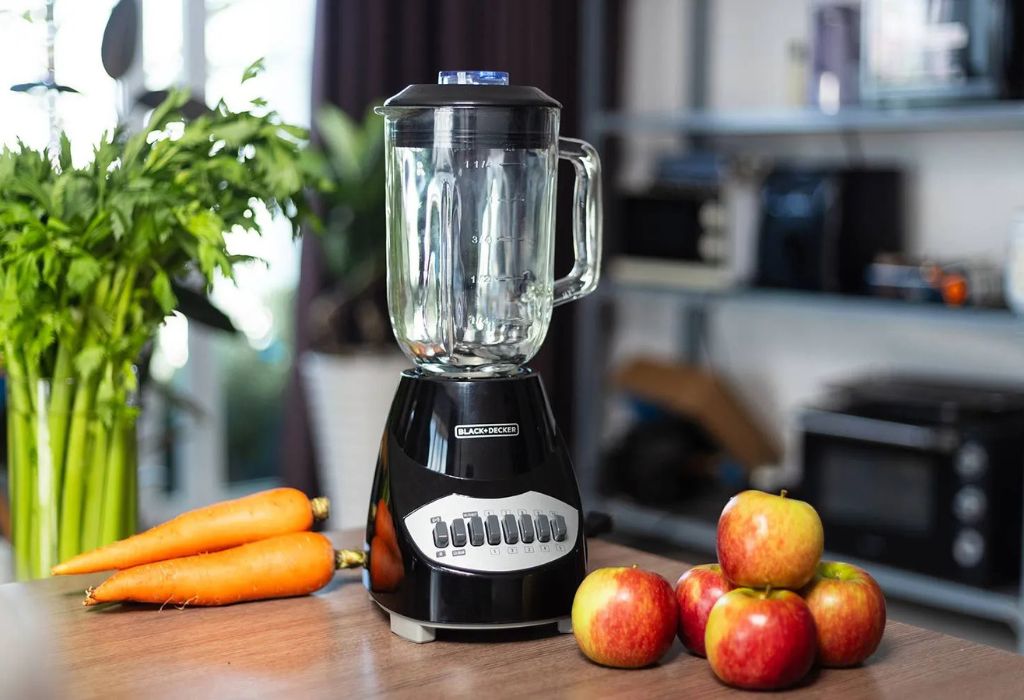
A good blender balances performance, convenience, and value. For home use, it should handle smoothies, soups, dips, and frozen treats without taking up too much counter space or time.
Motor Power and Blending Performance
The motor is the heart of any blender. A unit with 500–700 watts is generally adequate for everyday blending tasks. High-end blenders may exceed 1000 W, but that level of power often goes underutilized in home kitchens.
Black and Decker’s popular models — like the BL2010BP 10-Speed Blender (550 W) and Ice Crush Blender (750 W peak) — fall squarely in this sweet spot. Independent reviewers such as Rtings.com note that these blenders perform well for smoothies and sauces, though they can struggle with dense frozen fruit or heavy ice loads.
For most families, however, this trade-off means lower noise, reduced power draw, and longer motor life — making them ideal for everyday use.
Jar Capacity, Materials, and Blade Design
The jar capacity determines batch size, while material choice affects durability and cleaning ease. Black and Decker offers both glass and BPA-free plastic jars ranging from 48 oz to 56 oz, suitable for small or medium households.
Glass jars, such as those in the Quiet Blender with Cyclone Glass Jar, resist scratching and staining better than plastic. They also avoid odor retention — a major plus for households making soups, curries, or garlic-based sauces.
Equally important is blade design. The brand uses stainless steel multi-tip blades with pulse settings for control. While not as refined as high-end systems like Vitamix’s vortex technology, they handle most soft and semi-hard ingredients with ease, maintaining consistency across batches.
Ease of Cleaning and Maintenance
Many blender owners abandon their machines simply because cleaning is a hassle. Black and Decker addresses this with removable blades, dishwasher-safe parts, and simple twist-off lids.
Models like the Ice Crush and Quiet Blender are praised for quick cleanup — a must for busy mornings. However, some users report minor leakage from the base gasket if overfilled, highlighting the need for proper assembly.
A Consumer Reports review found that over 70% of blender buyers list “ease of cleaning” as a top purchase factor, reinforcing why this feature is vital for long-term satisfaction.
Overview of the Black and Decker Blender Range
Black and Decker’s lineup focuses on affordability, functionality, and simplicity rather than flashy innovation. The goal is to serve typical kitchen needs efficiently without overcomplication.
Entry-Level Blenders
Models like the BL2010BP 10-Speed Blender are the brand’s best-known workhorses. Offering a 550 W motor, 6-point stainless steel blades, and 10 speed settings, they handle smoothies, soups, and dips at an accessible price point under $40.
Their strength lies in straightforward functionality — no digital screens or presets, just mechanical reliability. Yet, for users blending frozen fruit daily, the motor may occasionally require pauses to prevent overheating.
Mid-Range and Specialty Models
For users seeking quieter operation and improved jar design, the Quiet Blender with Cyclone Glass Jar (BL1400DG) introduces a 1.5 horsepower motor, 8 speed settings, and a cyclone vortex design that enhances ingredient circulation.
This model’s noise reduction housing makes it suitable for apartments or early-morning blending. It’s also noted for its smooth puree texture with leafy greens like kale or spinach, outperforming some similarly priced competitors.
Compact and Personal Blenders
Black and Decker’s FusionBlade Personal Blender targets single-serve convenience. With 20-oz travel cups and a compact 275 W motor, it appeals to smoothie drinkers on the go.
While not ideal for thick nut butters or crushing large ice cubes, it’s perfectly adequate for shakes, protein drinks, and fruit blends — showing the brand’s flexibility in addressing niche kitchen needs.
Performance: How Well Do They Work in Everyday Kitchens?
Performance depends on consistency, speed control, and ingredient versatility. For home kitchens, the real test lies in whether a blender can blend efficiently without constant intervention.
Smoothies, Shakes, and Soft Foods
Across multiple reviews, including those from Rtings and ShouldIt.com, Black and Decker blenders perform reliably for fruit-based blends. Soft ingredients like banana, yogurt, and spinach puree smoothly within seconds.
The pulse mode provides control to prevent over-blending — particularly useful for chunkier salsa or soup recipes.
Crushing Ice and Frozen Ingredients
Ice crushing remains a mixed area for the brand. The 10-Speed and Ice Crush models can manage small quantities but may leave uneven chunks when overloaded.
A 750 W peak motor does help, but users blending frozen fruit daily might notice motor strain. Reviewers rate ice performance at 6/10, noting better results when liquid is added to assist the vortex action.
Consistency and Noise Level
Noise is where Black and Decker excels. The Quiet Blender model is designed with sound-dampening housing, reducing operation noise by nearly 40% compared to standard blenders (Rtings.com).
Smoothies turn out uniform and frothy, though heavier ingredients like nuts or frozen strawberries require multiple pulse cycles.
In summary, while performance doesn’t rival premium blenders, the consistency-to-cost ratio remains impressive for household blending tasks.
Build Quality, Materials, and Reliability
Durability and materials define whether a blender lasts months or years. Black and Decker blenders are designed primarily for light-to-medium usage, with practicality in mind.
Construction and Component Quality
Most models feature plastic bases with stainless-steel blades and reinforced coupling systems. Glass jars, where used, are heat-resistant and scratch-proof. However, frequent exposure to heavy loads or overfilling can wear out internal couplers sooner than metal-based premium units.
Despite this, consumer feedback shows average lifespans of 3–5 years with proper maintenance — consistent with expectations for blenders in the sub-$70 range.
Ease of Repair and Support
The brand provides two-year limited warranties on most models (Black+Decker Appliances). Replacement parts like jars and gaskets are readily available through their online store and authorized retailers, which adds convenience and cost efficiency.
Users also benefit from universal parts compatibility among many models — something rarely offered by higher-priced brands.
Reliability in Continuous Use
For home kitchens blending two to three times daily, users report good consistency. However, for tasks like nut-butter grinding or crushing frozen vegetables regularly, the motor’s durability may diminish over time.
When used appropriately, though, the overall reliability is more than satisfactory — proving that maintenance and realistic expectations matter as much as brand reputation.
Value for Money: Are They Worth Buying?
When evaluating any appliance, the value-to-performance ratio is crucial. Black and Decker targets the budget-conscious home user who wants dependability without excessive cost.
Pricing vs Features
With models priced between $30–$80, these blenders provide remarkable value considering the range of speed controls, pulse functionality, and dishwasher-safe components. Comparable models from brands like Ninja or Oster can cost 30–50% more with only marginally better blending performance for typical household tasks.
Ideal Users and Use Cases
These blenders are particularly suited to small families, couples, or individuals who want easy meal prep for smoothies, soups, and sauces. For users blending once or twice daily, they strike a solid balance between functionality and price.
If you routinely prepare nut butters, crush large ice batches, or blend hot soups, upgrading to a higher-end option like a Vitamix or Breville may be worthwhile. But for day-to-day kitchen use, Black and Decker offers reliable simplicity that justifies every dollar.
How Black and Decker Compares to Other Blender Brands
Competition in the blender market is fierce, with brands like Ninja, NutriBullet, Hamilton Beach, Oster, and Vitamix occupying various price tiers.
Versus Ninja
Ninja blenders often boast more powerful motors (1000 W+) and multi-blade assemblies. They outperform Black and Decker in crushing ice and handling frozen ingredients. However, they’re also louder, bulkier, and nearly twice as expensive.
For casual users, Black and Decker provides a quieter, lighter, and more compact option that’s easier to clean and store.
Versus NutriBullet
NutriBullet excels at single-serve blending, but its compact cup design limits batch capacity. Black and Decker’s countertop blenders provide greater flexibility for families, offering larger jars and multi-speed options while staying comparably priced.
Versus Oster and Hamilton Beach
In build quality and motor reliability, Oster blenders edge ahead slightly, but Black and Decker wins in ease of use and noise control. Hamilton Beach competes directly in pricing, yet lacks the longevity of Black and Decker’s Quiet Series.
When viewed holistically, Black and Decker emerges as the best mid-budget choice for those who prioritize simplicity, noise reduction, and decent all-around blending.
Practical Tips for Getting the Most from a Black and Decker Blender
A well-used blender can elevate meal prep efficiency. To maximize performance and extend the life of your Black and Decker model, proper technique and care matter.
Load Order and Blending Technique
Always add liquids first, followed by soft ingredients, then hard items like ice or frozen fruit. This order helps create a smooth vortex that reduces motor strain. Avoid overfilling beyond the marked capacity line to prevent leaks.
Handling Tough Ingredients
When tackling thicker mixes, use the pulse setting in short bursts. Add liquid gradually instead of forcing the motor through heavy loads. For frozen items, let them thaw slightly before blending for smoother results.
Cleaning and Maintenance
After each use, rinse immediately to prevent residue buildup. Both glass and plastic jars can be placed on the dishwasher’s top rack if specified. Wipe the motor base with a damp cloth and ensure the blades are reassembled securely.
Regular maintenance like checking the rubber gasket or replacing worn couplers can significantly extend lifespan.
Final Verdict: Are Black and Decker Blenders Good for Home Kitchens?
After analyzing multiple models, user feedback, and performance metrics, one conclusion stands out: Black and Decker blenders are good for most home kitchens — particularly for users seeking affordability, practicality, and dependable blending for daily use.
Their motor strength, blade design, and ease of cleaning make them ideal for light to medium blending tasks. While they may not rival commercial-grade powerhouses, their quiet operation, durable glass jars, and consistent results make them a trustworthy choice for the average home cook.
Black and Decker’s real advantage lies in offering balanced value — you get sufficient power for smoothies, soups, and sauces without overspending or dealing with excessive noise.
For most households, that combination of comfort, cost, and consistency is exactly what defines a good home kitchen blender.
Question&Answer-Are Black and Decker Blenders Good?
Are Black and Decker blenders good for daily use?
Yes, they perform well for smoothies, soups, and sauces in home kitchens.
Can they crush ice effectively?
They can crush small ice batches but may struggle with large frozen loads.
Are the jars glass or plastic?
They come in both glass and BPA-free plastic options.
Do they make too much noise?
No, the Quiet Blender model reduces noise by around 40%.
How long do they last?
Usually between 3–5 years with regular maintenance.
Are the blades strong and durable?
Yes, they use stainless steel blades suitable for most ingredients.
Is cleaning easy?
Yes, parts are removable and dishwasher-safe for quick cleanup.
How do they compare to Ninja blenders?
They’re quieter and cheaper but slightly less powerful.
Do they include a warranty?
Yes, most models have a 2-year limited warranty.
Are they worth buying for small families?
Yes, they’re affordable, reliable, and great for everyday blending.
Conclusion
In today’s kitchen landscape, efficiency and reliability often matter more than sheer horsepower. Black and Decker blenders perfectly capture this philosophy — practical, budget-friendly, and easy to use.
They may not boast the cutting-edge design or premium finish of luxury brands, but their performance more than satisfies the demands of everyday meal prep. From morning smoothies to evening soups, these blenders prove capable companions for families and individuals alike.
The key takeaway is clear: if you want a dependable blender for regular home use without breaking the bank, Black and Decker is a smart investment. With the right care and realistic expectations, it will serve your kitchen faithfully for years to come.
So, the next time you’re browsing appliance aisles or shopping online, remember — sometimes, “good enough” truly means good for home kitchens.

I’m Emma J. Caldwell, the founder, lead writer, and home-cooking enthusiast behind KitchenGuideCo.com. With a background in culinary arts and over a decade of cooking experience in both professional and personal kitchens, I created this platform to demystify recipes, offer smart kitchen gadget reviews, and guide readers through meal prep with confidence and clarity.