You finish a workout, take a deep drink from your Brita water bottle, and place it in the sink to wash. Later, you wonder if it’s safe to toss it into the dishwasher like your other kitchenware. After all, it’s plastic — what could go wrong?
The next morning, you open the dishwasher and find the bottle slightly bent, with the filter inside looking warped. That moment sparks the question: Are Brita water bottles really dishwasher safe?
Many Brita users assume all their bottles can handle the dishwasher, but the truth is more nuanced. Some Brita models are designed for it, while others require gentler cleaning. Knowing which is which can save you from ruining an expensive bottle or damaging its filtration system.
In this guide, we’ll break down which Brita bottles are dishwasher safe, how to clean them correctly, and what to avoid. Whether you use a stainless steel or plastic version, you’ll learn the safest way to keep it sparkling clean and fresh-tasting.
Understanding Brita Water Bottles
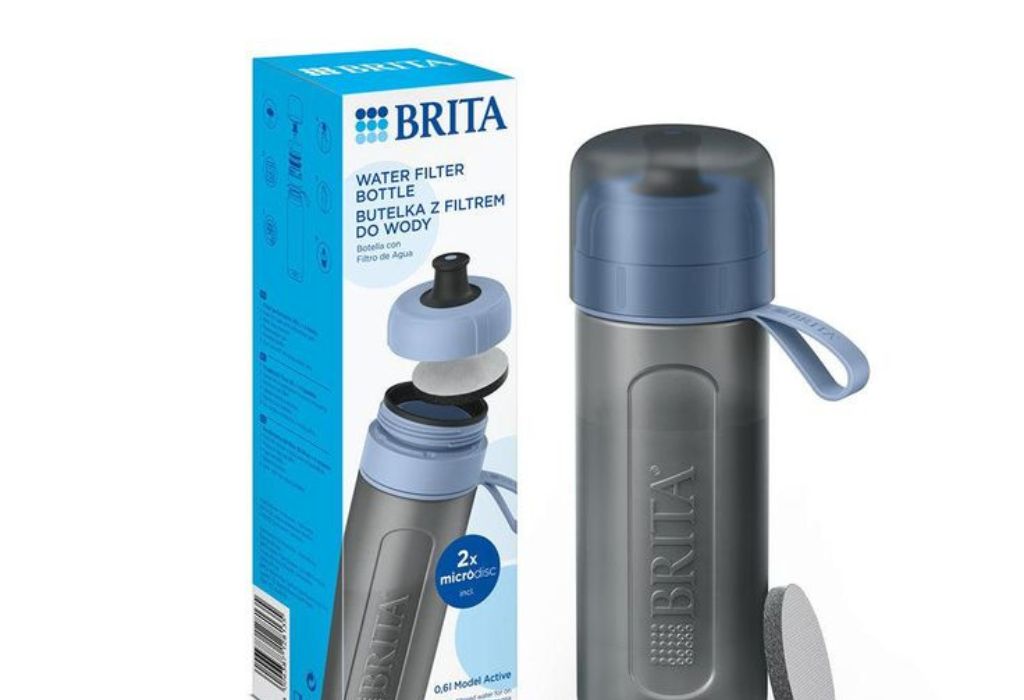
Brita offers several types of water bottles, each with unique materials and cleaning instructions. The most common are Brita Premium Filtering Bottles, available in both hard plastic (Tritan) and stainless steel versions.
The plastic Brita bottles are lightweight, BPA-free, and built for daily use. Their design is similar to standard reusable bottles but includes a built-in filter in the straw.
The stainless steel bottles, on the other hand, are double-walled and insulated, keeping drinks cold for hours. However, they contain more delicate components that can react differently to heat and detergent.
Because the bottles include filtration systems, not every part is dishwasher safe. The plastic shell might handle mild dishwasher cycles, but the filter and straw assembly often cannot.
Understanding your model’s material and components is essential before deciding how to wash it. This ensures both the bottle’s durability and the purity of your drinking water.
Are Brita Water Bottles Dishwasher Safe
The answer depends on the type of Brita bottle you own. For most hard plastic Brita bottles, the manufacturer confirms they are top-rack dishwasher safe. That means you can safely place the bottle itself — but not the filter or straw — on the top rack.
However, the Brita stainless steel bottles are not dishwasher safe. The high heat and moisture can damage the insulation and ruin the bottle’s outer coating. These should always be washed by hand with warm water and mild soap.
When cleaning a plastic Brita bottle, remove the filter and set it aside. It should never go into the dishwasher, as the heat will destroy its activated carbon. The straw and lid can be washed by hand or placed on the top rack only if the manual specifies it’s safe.
Always check the manufacturer’s cleaning instructions printed on the packaging or official Brita website. Following these guidelines protects the integrity of your filtration system.
By treating your Brita bottle according to its material type, you can extend its life and maintain consistent water quality.
Why Some Brita Bottles Can’t Go in the Dishwasher
Dishwashers are convenient, but they expose items to high heat and strong detergent. While this removes grease and bacteria, it’s not ideal for sensitive filtration systems.
The activated carbon filters in Brita bottles are made from porous material designed to trap contaminants. Hot water and detergent break down that structure, making the filter useless.
Even the stainless steel bottles, though tough on the outside, have vacuum-sealed insulation that can be compromised by heat. Once the vacuum seal is broken, the bottle loses its ability to keep water cold.
Plastic parts like the straw and cap contain silicone and rubber seals. Prolonged dishwasher exposure can loosen or melt these, leading to leaks.
For these reasons, Brita recommends washing only the plastic shell in the top rack and hand-washing the rest. It’s a small adjustment that keeps your bottle safe and working perfectly.
How to Wash Brita Bottles in the Dishwasher Safely
If your Brita bottle is dishwasher-safe plastic, start by disassembling it completely. Remove the filter, straw, and lid. Never wash the filter in the dishwasher — it must always be hand-rinsed with cold water only.
Place the bottle upside down on the top rack to allow proper water drainage. Avoid crowding it with plates or heavy utensils that could scratch the surface.
Use a normal cycle, not a high-heat or sanitizing cycle. Excessive heat can weaken plastic over time and warp the threads that hold the lid securely.
If your dishwasher has a heat-dry setting, turn it off and let the bottle air dry instead. This minimizes the risk of deformation and keeps the bottle odor-free.
After cleaning, make sure the bottle and lid are completely dry before reassembling. Reattach the filter only after every component is cool and moisture-free.
This routine ensures your Brita stays clean and safe without compromising the filter’s effectiveness.
How to Hand Wash Brita Bottles Properly
Hand washing remains the safest option for any Brita model — especially stainless steel ones. Start by removing the filter and rinsing it under cold water for 15 seconds. Set it aside to dry naturally.
Fill the bottle halfway with warm water and a drop of mild dish soap. Use a soft brush or sponge to scrub the interior. Avoid abrasive pads, as they can scratch both plastic and metal surfaces.
Wash the lid and straw separately with soap and warm water. Pay special attention to the mouthpiece and small crevices where residue can collect.
Rinse everything thoroughly to remove any soap traces. Let all parts air dry on a clean towel. Once dry, reassemble and insert the filter.
Hand washing may take a few minutes longer, but it prevents heat damage, extends the filter’s life, and keeps the bottle odor-free. It’s also a great habit to maintain for long-term use.
Brita Filter Care and Maintenance
Your Brita bottle filter is the heart of the system, responsible for removing chlorine, odors, and impurities. It must be handled gently to stay effective.
Never expose the filter to soap, detergent, or boiling water. These will destroy the carbon structure and stop it from filtering properly.
Instead, rinse the filter under cold running water once or twice a week. If you notice reduced flow or taste changes, replace it. Brita filters usually last about two months or 40 gallons of water.
Store spare filters in a cool, dry place and always check expiration dates. A neglected filter can harbor bacteria, which affects water taste and quality.
Regular filter care keeps your water tasting clean and ensures that your Brita continues to perform as intended.
Common Mistakes When Cleaning Brita Bottles
Many people accidentally damage their bottles because of small cleaning errors. One common mistake is forgetting to remove the filter before dishwashing. Even a single wash can destroy it.
Another mistake is using boiling water to sanitize the bottle. While this might seem like a good idea, it warps plastic and damages rubber seals.
Using abrasive brushes or harsh cleaners like bleach can also harm the bottle’s surface and cause chemical smells. Always stick to mild dish soap.
Lastly, reassembling the bottle while still wet can trap moisture and create mold. Always air dry completely before inserting the filter again.
Avoiding these mistakes ensures your Brita bottle remains durable, clean, and fully functional.
Tips to Keep Your Brita Bottle in Perfect Condition
Clean your Brita bottle every few days, especially if you use it daily. Regular cleaning prevents buildup and keeps the filter working efficiently.
Always store your bottle with the cap open to let moisture escape. This prevents bacterial growth and odor formation inside the straw or lid.
If you’re traveling, remove the filter and store it separately. Humidity and temperature changes can affect its performance.
Avoid leaving your Brita in hot cars or direct sunlight. Extreme heat can damage plastic and shorten the life of both bottle and filter.
By following these simple maintenance tips, you’ll keep your Brita bottle fresh, safe, and long-lasting — just as it was designed to be.
Common Questions About Washing Brita Bottles
Are Brita plastic bottles dishwasher safe?
Yes, Brita plastic bottles are top-rack dishwasher safe. However, the filter and straw should always be washed by hand.
Can I put my Brita stainless steel bottle in the dishwasher?
No. The stainless steel version is not dishwasher safe, as heat can damage the insulation and outer coating.
Should I wash the Brita filter in the dishwasher?
Never. The filter should only be rinsed under cold running water. Detergent or heat will ruin it.
How often should I clean my Brita bottle?
Clean your bottle every two to three days if used daily. This keeps it hygienic and prevents odor buildup.
Can I sanitize my Brita bottle with hot water?
Avoid boiling water. Instead, use warm water and mild soap, or white vinegar for natural disinfection.
Why does my Brita bottle smell after washing?
Trapped moisture or an old filter can cause odors. Let all parts air dry completely before reassembling.
Can I wash the straw in the dishwasher?
Yes, the straw can usually go on the top rack if it’s labeled dishwasher safe. Otherwise, hand wash it.
What happens if I put the filter in the dishwasher accidentally?
It will lose its filtering capability and must be replaced immediately.
How do I remove mold from my Brita bottle?
Use vinegar or a baking soda solution, scrub gently, and rinse thoroughly. Avoid bleach or harsh chemicals.
How long do Brita filters last in water bottles?
Typically about two months or 40 gallons of water, depending on your usage frequency.
Conclusion
Brita bottles are designed for convenience, but cleaning them correctly makes all the difference. While most plastic Brita bottles are dishwasher safe on the top rack, the stainless steel models are not. The key is knowing which parts can handle heat and which require gentle care.
Always remove the filter before washing, avoid high heat, and dry all parts thoroughly. These small steps keep your water tasting clean and your bottle working efficiently.
With the right care, your Brita water bottle will stay odor-free, leakproof, and ready for every refill, ensuring that every sip is as pure and refreshing as it should be.

I’m Emma J. Caldwell, the founder, lead writer, and home-cooking enthusiast behind KitchenGuideCo.com. With a background in culinary arts and over a decade of cooking experience in both professional and personal kitchens, I created this platform to demystify recipes, offer smart kitchen gadget reviews, and guide readers through meal prep with confidence and clarity.