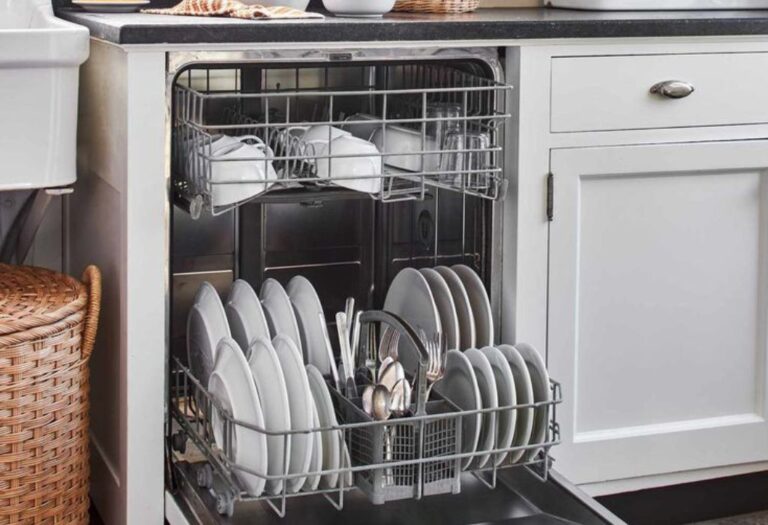
Dishwasher pods are popular because they are convenient, pre measured and help people avoid messy liquid or powder spills. Their strong cleaning power makes them an easy choice for busy households looking for fast washing solutions.
But some homeowners begin to wonder if using pods regularly can harm the plumbing system. This question becomes more common when dishwashers start draining slowly or leaving detergent residue.
Certain pods do not dissolve fully in cold water or short cycles, which raises concerns about buildup in hoses. When a pod leaves behind a thick layer of detergent, it may harden and stick to internal parts.
People worry their pipes may clog from leftover pod film or that their dishwasher pump may struggle to move partially dissolved pod material. This leads to unexpected maintenance or costly repairs.
Dishwasher manuals now include warnings about how detergent choice affects machine health. Some even suggest specific water temperatures for proper pod dissolving.
Understanding how pods affect plumbing helps homeowners use them safely without risking blockages.
Are Dishwasher Pods Bad For Plumbing
Dishwasher pods are generally safe for plumbing when used correctly. They dissolve completely under the right temperature and water pressure.
Problems occur when pods do not dissolve fully. Incomplete dissolving may leave sticky residue inside hoses.
This residue can collect over time and reduce water flow. Reduced flow slows drainage and increases clog risk.
Older dishwashers may struggle with pod dissolving because they use shorter cycles. These cycles provide less time for the pod film to melt.
Newer dishwashers perform better with pods because they are built for modern detergents.
Can pods harm plumbing
Only if they fail to dissolve completely.
Are pods safe for modern dishwashers
Yes, newer machines handle them well.
Do pods leave residue
They may if water temperature is too low.
Can residue cause clogs
Sticky buildup slows water flow over time.
Is proper dissolving important
Full dissolving prevents plumbing issues.
How Dishwasher Pods Dissolve In The Wash Cycle
Dishwasher pods are wrapped in a film that dissolves in water. This film melts when exposed to warm temperatures.
Inside the film is concentrated detergent. The detergent activates during the main wash cycle.
If the water is too cold, the pod may not open fully. This leaves detergent trapped inside the wrapper.
Short cycles provide limited time for dissolving. Longer cycles allow full release of cleaning ingredients.
Water pressure helps break apart the pod. Weak pressure slows the dissolving process.
Why Incomplete Pod Dissolving Causes Plumbing Issues
Partially dissolved pods become sticky paste. This paste adheres to hoses and drain paths.
Once stuck, it collects food residue and grease. This combination thickens and hardens over time.
Thick detergent buildup slows drainage. Dishwashers may begin leaving water in the bottom of the tub.
Clogs also force pumps to work harder. Hard working pumps wear out faster.
Consistent dissolving prevents these plumbing problems.
Does the pod film cause clogs
Only if cold water prevents melting.
Can buildup become hard
Dried detergent turns into solid residue.
Does grease make it worse
Grease sticks to detergent film easily.
Can slow dissolving damage pumps
Yes, pumps strain when drainage slows.
Is buildup common
It happens mainly with low water temperatures.
Do Dishwasher Pods Affect Pipes
Pods may affect pipes if they leave behind undissolved material. Pipes with sharp bends collect residue more easily.
Older plumbing systems with small drain openings clog faster. These narrow areas catch sticky debris.
Pods that dissolve fully never reach the pipes as solid fragments. Fully dissolved detergents rinse away cleanly.
Using pods in cold cycles increases risk for buildup. Cold water prevents complete breakdown.
Proper water temperature keeps pipes free from residue.
Are Dishwasher Pods Safe For Septic Systems
Dishwasher pods are usually safe for septic systems when formulated with biodegradable ingredients. Many brands design pods for septic compatibility.
Problems occur when pods include harsh chemicals. These chemicals disrupt beneficial septic bacteria.
Partially dissolved pods may travel into the septic tank as lumps. These lumps take longer to break down.
Septic systems rely on balanced moisture and waste flow. Pod residue interferes with this balance.
Using septic safe pods protects the entire system.
Are all pods septic friendly
No, only labeled septic safe varieties.
Can pods disrupt bacteria
Harsh chemicals harm septic microorganisms.
Do pods build up in tanks
Only if they remain partially dissolved.
Should septic users choose mild formulas
Gentle pods protect tank function.
Is septic damage reversible
Some issues require pumping or repair.
Do Dishwasher Pods Harm the Dishwasher Itself
Dishwasher pods may cause internal issues if they dissolve improperly. Hardened pod film can stick to spray arms.
Clogged spray arm holes reduce cleaning performance. Water cannot reach dishes evenly.
Detergent film may collect inside the filter. A dirty filter slows drainage.
Pods that remain intact inside the tub indicate low water heat. This signals possible heater malfunction.
Dishwashers need consistent heat for proper cleaning.
How To Use Dishwasher Pods Safely
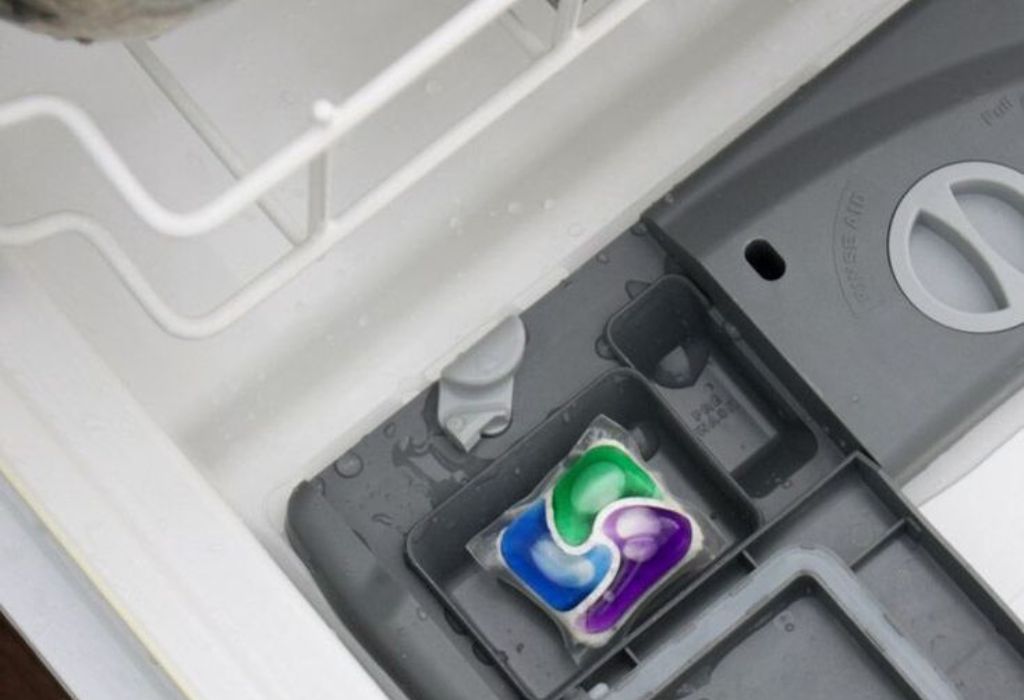
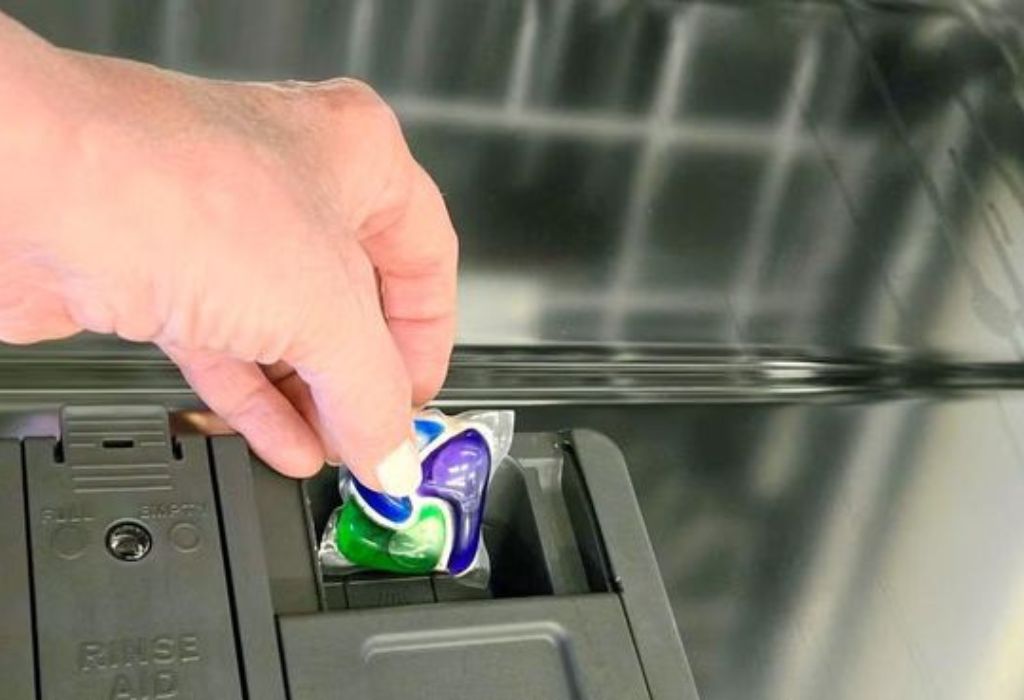
Place the pod in the detergent compartment, not directly inside the tub. The compartment releases the pod at the correct time.
Use a normal or heavy wash cycle for best dissolving. These cycles provide warm water and strong pressure.
Run hot water from the sink before starting the dishwasher. This brings hot water into the machine quickly.
Check the spray arms for clogs. Blockages prevent pods from dissolving evenly.
Keep the filter clean to prevent buildup.
Can pods go in the bottom of the dishwasher
No, they dissolve incorrectly when placed loose.
Is hot water important
Yes, heat melts the pod film properly.
Do short cycles work well
Pods need longer cycles to dissolve completely.
Does pre running hot water help
Hot water activates the pod early.
Should the filter be cleaned often
A clean filter prevents residue buildup.
Signs Dishwasher Pods Are Causing Problems
If dishes come out chalky or gritty, the pod is not dissolving fully. The film may be sticking to dishes.
A chemical smell after washing may indicate detergent buildup. Buildup forms from incomplete dissolving.
Standing water in the tub is another sign. Clogs block drainage and trap dirty water.
Cloudy glasses or streaky plates suggest detergent residue. Residue sticks during poor rinsing.
Frequent clogs in the drain hose may be caused by thick detergent paste.
How To Fix Pod Related Plumbing Problems
Clean the dishwasher filter thoroughly. Most residue collects in this area.
Run a hot cleaning cycle with vinegar or a dishwasher cleaner. Heat breaks down old detergent film.
Remove and rinse spray arms under warm water. Clearing holes improves pod dissolving.
Check the drain hose for buildup. A clogged hose reduces drainage speed.
Switch to gel or powder temporarily until the plumbing clears.
Can buildup be removed
Hot cycles break down detergent paste.
Does cleaning the filter help
It removes the largest blockages.
Can spray arm cleaning help dissolving
Yes, strong spray ensures proper heat flow.
Should I change detergent types
Switching helps diagnose the issue.
Do cleaning tablets work
They dissolve residue inside the dishwasher.
Conclusion
Dishwasher pods are not inherently bad for plumbing, but they can cause issues when they fail to dissolve completely. Cold water cycles, short washes and older dishwashers often leave behind sticky detergent residue that collects in hoses, filters and drain lines.
Using hot cycles, cleaning spray arms and keeping filters clear ensures pods dissolve fully and rinse away safely. Septic safe pods and correct detergent placement also protect plumbing systems.
When used correctly, pods clean effectively without harming pipes or the dishwasher. Knowing how to support proper dissolving prevents clogs, buildup and drainage problems.

I’m Emma J. Caldwell, the founder, lead writer, and home-cooking enthusiast behind KitchenGuideCo.com. With a background in culinary arts and over a decade of cooking experience in both professional and personal kitchens, I created this platform to demystify recipes, offer smart kitchen gadget reviews, and guide readers through meal prep with confidence and clarity.