Handheld blenders have become a must-have in modern kitchens, offering convenience and versatility for a wide range of tasks.
Yet, many home cooks are unsure about the difference between hand blenders and immersion blenders. Are they the same tool, or do subtle distinctions make one better suited for certain tasks?
Both hand and immersion blenders are compact and designed to blend directly in pots, bowls, or cups, eliminating the need for bulky countertop blenders.
However, variations in design, motor power, and attachments can impact performance, safety, and usability. Understanding these differences helps prevent frustration and ensures optimal results when blending liquids, sauces, or soft solids.
Choosing the wrong type of blender for a recipe can lead to uneven textures, spills, or even appliance strain.
Hand blenders often include multiple attachments for chopping, whisking, and blending, while immersion blenders typically focus on pureeing liquids and soups efficiently. Knowing which option suits your cooking style can save time and effort in the kitchen.
Statistics show that more than 30% of blender users report confusion over handheld blender types, highlighting the importance of knowing which tool fits each task (Statista).
Beyond convenience, selecting the right blender improves blending consistency, reduces cleanup, and enhances safety.
What Are Hand Blenders?
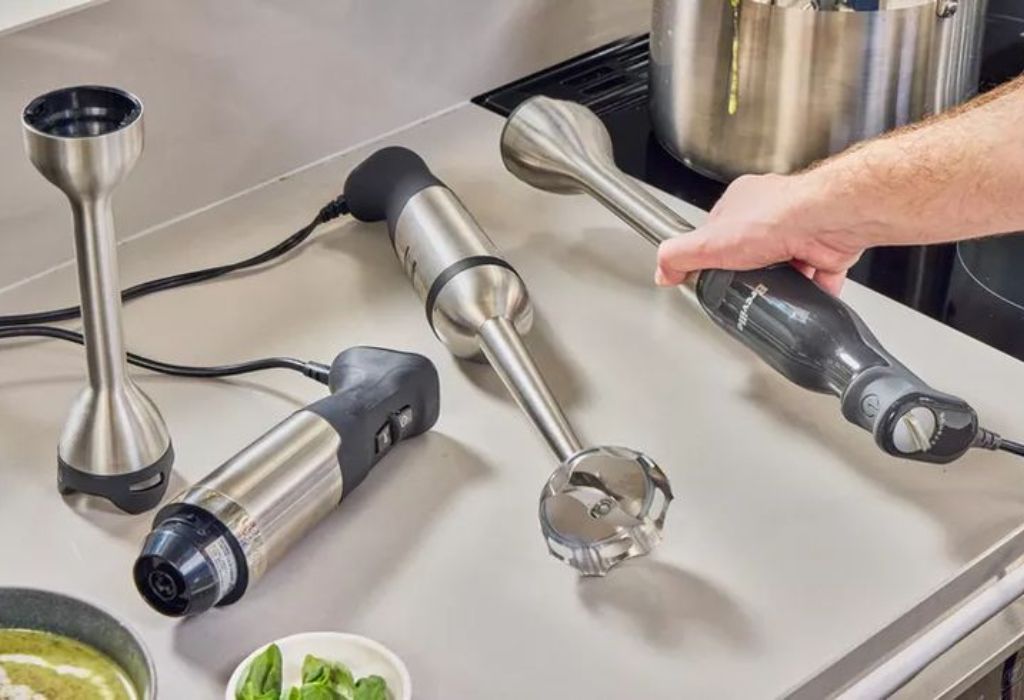
Hand blenders, also known as stick or wand blenders, are compact handheld devices designed to blend ingredients directly in containers. They are versatile tools suitable for small to medium tasks, such as pureeing soups, making smoothies, or mixing sauces.
Most hand blenders feature ergonomic handles and detachable blending arms for ease of use and cleaning. They often come with multiple speed settings and optional attachments, such as whisks or chopping bowls, increasing their versatility in the kitchen.
The main advantage of hand blenders is their convenience. They allow blending directly in pots or bowls without transferring contents to a separate blender jar, reducing dishes and cleanup. They are also ideal for small kitchens with limited countertop space.
What is a hand blender used for?
Blending soups, sauces, smoothies, and small batches of food directly in containers.
Do hand blenders require a separate jar?
No, they can blend directly in bowls, cups, or pots.
Are hand blenders cordless or corded?
Both options exist; cordless models offer mobility, while corded models provide consistent power.
Can hand blenders crush ice?
Some high-powered models can, but many are better suited for softer ingredients.
What is the average motor power of a hand blender?
Most range between 200–600 watts, which is sufficient for everyday kitchen tasks.
What Are Immersion Blenders?
Immersion blenders are handheld devices designed primarily for blending liquids directly in the cooking vessel. They feature a long, narrow blending shaft that reaches deeper containers, making them ideal for soups, sauces, and smoothies.
Most immersion blenders are lightweight and ergonomically designed, offering easy handling and control. Many models come with attachments such as whisks, choppers, or beakers, expanding their versatility for different kitchen tasks.
The main advantage of immersion blenders is their ability to puree directly in pots or containers without transferring contents. This reduces cleanup and makes them convenient for cooking hot liquids safely.
Is an immersion blender the same as a hand blender?
Not exactly; while similar, immersion blenders are optimized for liquid tasks and deeper containers.
Can immersion blenders handle thick mixtures?
Yes, but very dense mixtures may require multiple passes or a higher-powered model.
Do immersion blenders come with attachments?
Many include whisks, chopping bowls, or beakers to expand functionality.
Are immersion blenders easy to clean?
Yes, most detachable shafts are dishwasher safe and simple to rinse.
Which tasks are best suited for immersion blenders?
Pureeing soups, making smoothies, whipping cream, and emulsifying sauces.
Key Differences Between Hand and Immersion Blenders
Although hand blenders and immersion blenders are often used interchangeably, they differ in design, versatility, and intended tasks. Hand blenders typically come with multiple attachments, allowing them to chop, whisk, and blend both liquids and semi-solids.
Immersion blenders, on the other hand, focus primarily on liquids and are ideal for pureeing soups, sauces, and smoothies directly in the cooking vessel.
Hand blenders usually have higher wattage and more powerful motors, making them better suited for tougher ingredients or thicker mixtures. Immersion blenders are lighter and more maneuverable, which makes them convenient for hot liquids or deeper containers.
Choosing the right tool depends on your typical kitchen tasks, desired versatility, and storage preferences.
Do hand blenders and immersion blenders perform the same tasks?
Not always; hand blenders are more versatile, while immersion blenders excel in liquid blending.
Is one safer for hot liquids?
Immersion blenders’ longer shafts help avoid splashes, making them safer for hot soups.
Which is more powerful?
Hand blenders often have higher wattage for tougher ingredients.
Can they replace countertop blenders?
For small batches and liquids, yes, but they cannot fully replace high-capacity countertop blenders.
Do both types come with attachments?
Yes, but hand blenders typically include more options for slicing, chopping, and whisking.
Advantages and Limitations
Both hand blenders and immersion blenders offer unique advantages that make them essential for modern kitchens.
Hand blenders are known for their versatility, offering multiple attachments such as whisks, choppers, and frothers.
These tools allow users to perform several functions beyond blending, including whipping cream, chopping vegetables, or even mixing dough for small batches.
Immersion blenders, on the other hand, excel in simplicity and convenience. Their lightweight design makes them easy to maneuver, especially when blending directly in deep pots or pans.
They are particularly useful for soups, sauces, and hot liquids, where transferring ingredients to another container could be messy or unsafe.
When it comes to limitations, hand blenders can feel heavier and sometimes bulkier due to extra attachments. They may also require more effort to clean, especially if the accessories are not dishwasher safe.
Immersion blenders, while easier to handle, are less versatile and may struggle with thicker or more solid ingredients that require extra power or specialized blades.
What are the main advantages of hand blenders?
Hand blenders are versatile, come with multiple attachments, and handle both liquids and semi-solids efficiently.
What are the disadvantages of hand blenders?
They can be heavier, slightly harder to clean, and not ideal for large batches.
Why are immersion blenders preferred for soups and sauces?
Their long shafts reach deep containers, reducing splashing and simplifying blending of hot liquids.
What are the main limitations of immersion blenders?
They have fewer attachments and may not handle thick or tough ingredients as effectively.
Which type is better for compact kitchens?
Immersion blenders are lighter, easier to store, and ideal for small spaces.
Tips for Choosing the Right Blender
Selecting the right blender depends on how often you cook, the types of ingredients you use, and the level of convenience you want in your kitchen.
Both hand blenders and immersion blenders serve similar purposes, but understanding a few key factors can help you choose the model that best fits your needs.
First, consider power and performance. Higher wattage typically means better blending efficiency, especially when working with thicker mixtures like nut butter or mashed potatoes.
Hand blenders generally offer more power, while immersion blenders are sufficient for lighter tasks such as soups, sauces, and smoothies.
Attachments also play a crucial role. Hand blenders often come with multiple accessories such as choppers, whisks, and frothers, giving them an edge in versatility. If you mainly prepare soups or purees, an immersion blender with a basic blending arm may be all you need.
Weight and comfort should not be overlooked. A lighter, ergonomically designed immersion blender makes long blending sessions easier to manage. Those who prefer multitasking might favor a hand blender with additional attachments for added functionality.
Maintenance is another deciding factor. Look for blenders with detachable, dishwasher-safe parts for quick and easy cleaning. Stainless steel shafts are more durable and resist staining compared to plastic ones.
Should I choose based on motor power?
Yes, higher wattage helps blend thick or tough ingredients more efficiently.
Do attachments make a big difference?
Yes, they increase versatility, allowing you to chop, whisk, and mix more effectively.
Is a cordless blender worth it?
Cordless models offer flexibility, while corded ones ensure consistent power during long blending sessions.
What should I check for easy cleaning?
Detachable parts and dishwasher-safe materials save time and extend lifespan.
Which blender suits small kitchens best?
Compact immersion blenders are lighter, easier to store, and perfect for small spaces.
Future Trends in Handheld Blenders
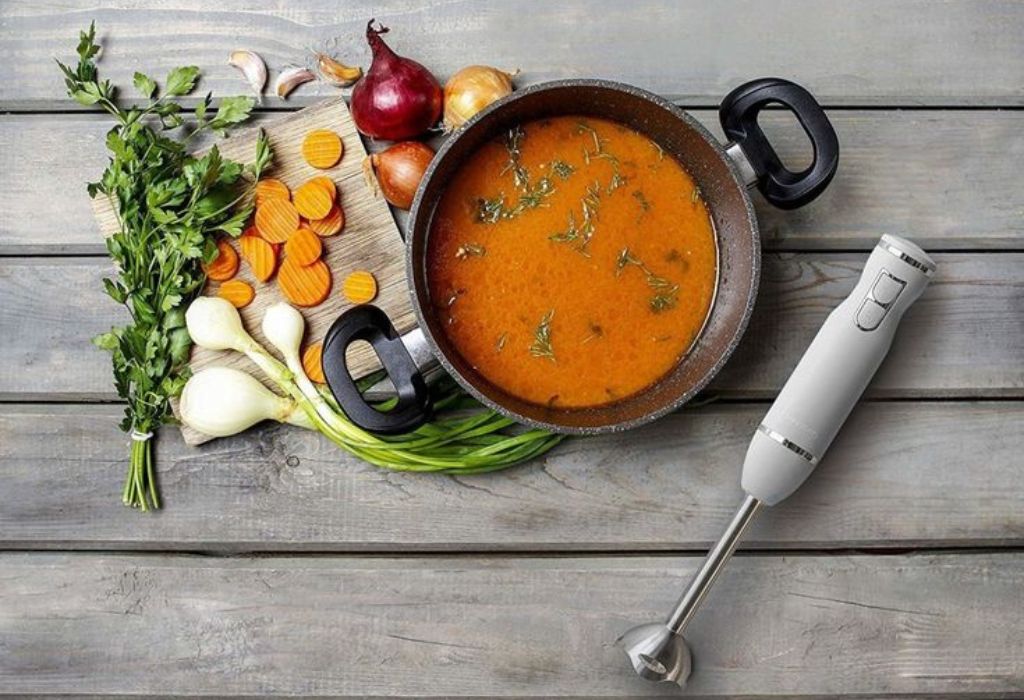
Handheld blenders are evolving rapidly as technology improves and consumer needs shift toward convenience, safety, and multi-functionality.
Manufacturers are focusing on building more efficient, durable, and sustainable designs that enhance user experience without compromising performance.
One major trend is the development of hybrid blenders that combine the power of traditional hand blenders with the portability of immersion models.
These hybrids offer higher wattage and multiple attachments, allowing users to blend, whisk, and chop using a single compact appliance.
Battery technology is also advancing, with new cordless models offering longer runtime and faster charging.
Modern lithium-ion batteries provide consistent power output, making cordless blenders just as reliable as their corded counterparts. This gives users greater flexibility, especially in kitchens with limited outlet access.
Sustainability is another growing focus. Brands are introducing BPA-free materials, recyclable components, and energy-efficient motors. These improvements cater to eco-conscious consumers seeking reliable tools that align with sustainable living.
Smart technology is beginning to enter the handheld blender market. Some premium models now include digital speed control, temperature sensors, and safety locks that enhance usability and prevent overheating. These innovations are expected to become more common as smart home integration expands.
Will future hand blenders and immersion blenders merge into one product type?
Yes, manufacturers are developing hybrid designs that combine features of both for enhanced versatility.
Are battery-powered handheld blenders improving?
Yes, advanced lithium-ion batteries now provide longer use and faster recharging.
Will future models include smart technology?
Yes, digital controls, sensors, and app connectivity are being tested for modern kitchen integration.
How is sustainability influencing design?
Manufacturers are using recyclable materials, BPA-free plastics, and energy-efficient motors.
Will safety features improve further?
Yes, splash guards, safety locks, and auto shut-off functions are becoming standard features.
Conclusion
Hand blenders and immersion blenders share similar functions but differ in design, power, and versatility.
Hand blenders are more multifunctional, often equipped with attachments like whisks and choppers that make them ideal for blending, chopping, and whipping a variety of ingredients.
Immersion blenders, on the other hand, are lightweight, easy to handle, and perfect for blending liquids directly in pots or containers.
Choosing between the two depends on your cooking habits and kitchen setup. If you frequently prepare soups, sauces, and smoothies, an immersion blender provides simplicity and efficiency.
However, if you need more flexibility for whipping, chopping, and blending thicker mixtures, a hand blender offers more control and versatility.
Proper maintenance also ensures long-term performance. Regularly cleaning detachable parts, avoiding overloading, and storing attachments properly will help extend the lifespan of either tool.
Both hand blenders and immersion blenders are valuable additions to any kitchen. Understanding their differences allows users to choose confidently, improve blending efficiency, and make meal preparation faster and easier.
The right choice ultimately enhances convenience, saves time, and elevates your overall cooking experience.

I’m Emma J. Caldwell, the founder, lead writer, and home-cooking enthusiast behind KitchenGuideCo.com. With a background in culinary arts and over a decade of cooking experience in both professional and personal kitchens, I created this platform to demystify recipes, offer smart kitchen gadget reviews, and guide readers through meal prep with confidence and clarity.