It’s a busy morning. The alarm rings, and you’re already thinking about that quick smoothie or protein shake before heading out. But pulling out the bulky countertop blender feels like too much effort. That’s when the sleek hand blender sitting quietly in the drawer catches your eye.
Many home cooks wonder — are hand blenders good for smoothies and protein shakes? Can this compact, lightweight tool truly match the creamy, smooth results of a full-sized blender?
According to Consumer Reports, immersion or hand blenders are among the most convenient kitchen tools because they’re easy to clean and ideal for small-batch blending. But performance varies by motor power, blade design, and the type of ingredients used.
This article explores how hand blenders perform when mixing smoothies and protein shakes — from power and consistency to build quality, usability, and value for money — helping you decide whether it deserves a spot in your everyday routine.
What Makes a Blender “Good” for Smoothies and Shakes
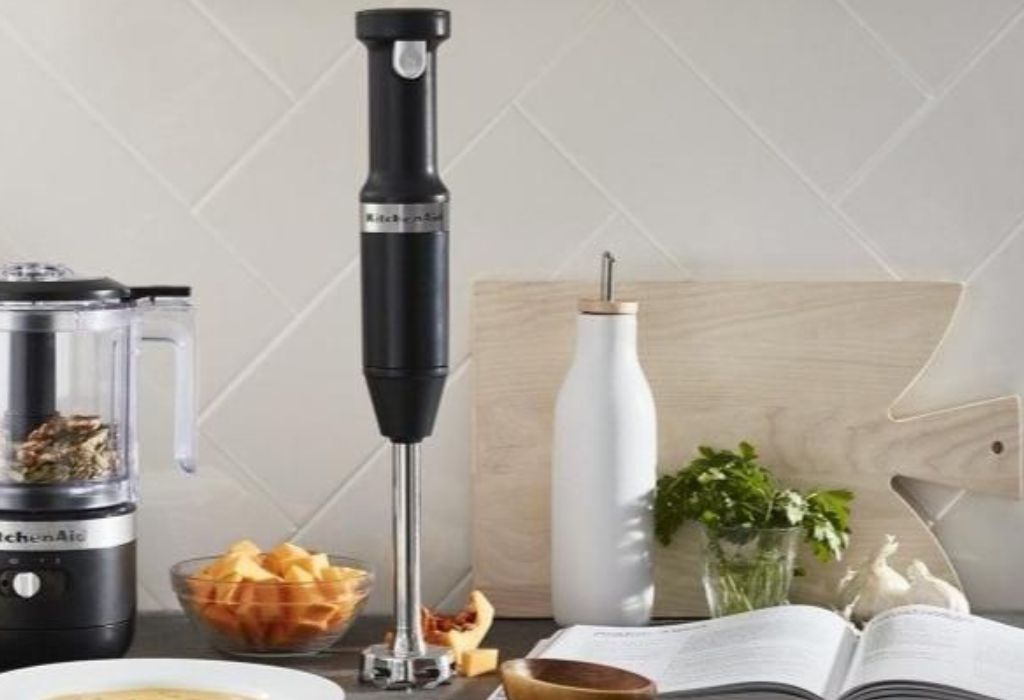
Motor Power and Performance
Blending frozen fruit, ice, and protein powder demands a strong motor. The average hand blender comes with 250–600 watts, while premium models reach up to 1000 watts.
For example, the Braun MultiQuick 7 and KitchenAid Pro Line series use high-torque motors that efficiently puree fruit and mix thick powders without overheating. (rtings.com)
While these handheld devices aren’t built for crushing large ice cubes like countertop blenders, they handle most smoothie ingredients with surprising ease. The trick lies in starting with softer fruits and enough liquid for smooth flow.
Blade Design and Blending Efficiency
The blade shape and guard design determine how evenly ingredients circulate. A poorly designed blade may leave small fruit chunks or powder clumps at the bottom.
Modern hand blenders feature multi-angle stainless-steel blades and anti-suction guards, allowing better circulation and faster blending. The Kenwood Triblade system, for instance, uses triple blades to create a consistent vortex that ensures smooth, creamy texture.
If your main goal is to blend fruits, protein powder, milk, or yogurt, such blade innovations can make a big difference in drink consistency.
Jar or Container Compatibility
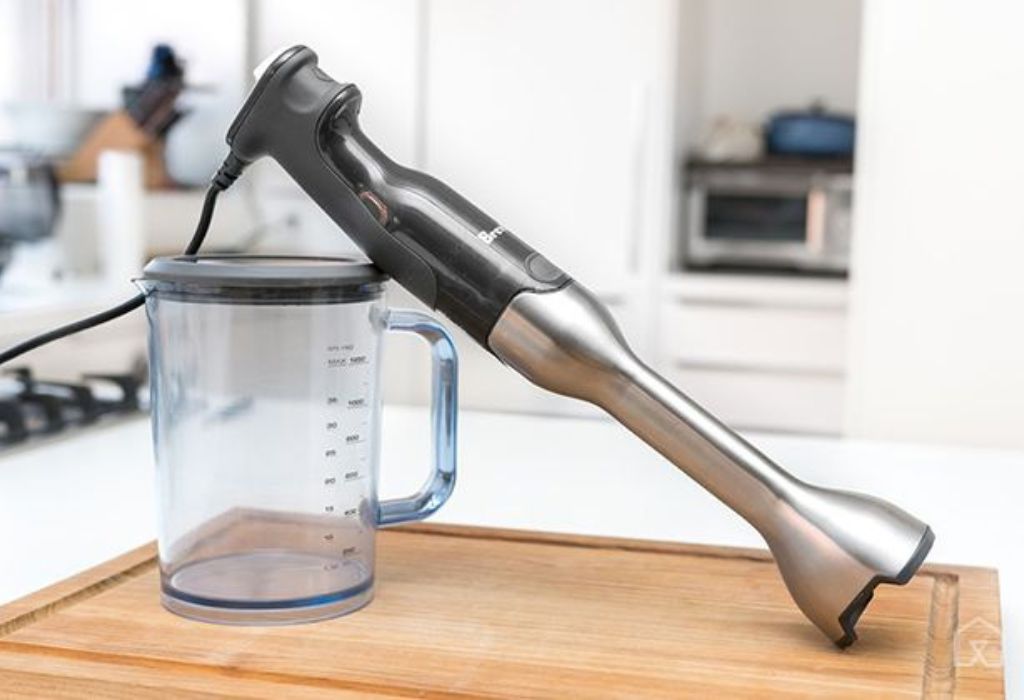
Unlike countertop blenders, hand blenders can work directly in your bottle, measuring cup, or shaker jar. Most brands include a tall 20–24 oz beaker, ideal for smoothies and shakes.
According to The Spruce Eats, using a narrow, tall cup helps the vortex form properly — preventing splashing and ensuring smooth results. Wide or shallow containers, however, often cause uneven blending.
Performance in Real Kitchen Scenarios
Smoothies with Fresh or Frozen Ingredients
When it comes to smoothies, hand blenders perform best with soft fruits like bananas, berries, and mangoes. Adding a bit of milk, water, or yogurt enhances blade movement and ensures even texture.
Tests show that models with 400 W or more handle light frozen fruit effectively, though full ice cubes or thick frozen berries can stress the motor. (bonappetit.com)
If you’re blending daily post-workout smoothies, a hand blender offers a quick, reliable solution without the bulk or cleanup of traditional machines.
Mixing Protein Shakes and Powders
Protein shakes are where hand blenders shine. They quickly dissolve protein powder, peanut butter, milk, and oats into a smooth, drinkable consistency. Unlike shakers, there’s no need to shake for minutes or deal with clumps sticking to the bottle.
Just pour your ingredients into a tall container, submerge the wand, and blend for 15–20 seconds. The result is smooth, frothy, and evenly mixed.
Ice Crushing and Texture Limitations
While some models can partially crush soft ice, most hand blenders aren’t designed for heavy ice blending. The blade design focuses on liquid circulation, not power grinding.
If your smoothies frequently include ice cubes, frozen spinach, or large fruit chunks, a countertop blender may perform better. But if your recipes are mostly liquid-based, a hand blender can still deliver satisfying, creamy blends.
Build Quality and Durability
Materials and Design
Hand blenders vary in construction. Entry-level units often feature plastic bodies with metal shafts, while premium versions use stainless steel throughout, enhancing durability and reducing vibration.
The Cuisinart Smart Stick and Braun MultiQuick 9 are well-rated for sturdy build quality, detachable shafts, and ergonomic handles. (foodandwine.com)
Metal shafts also handle hot ingredients better, meaning you can use the same blender for soups, sauces, and shakes without worry.
Reliability and Longevity
With proper use—avoiding thick frozen loads, over-blending, or submerging the motor—hand blenders can last 3–5 years on average. Many brands include a 2-year limited warranty, and replacement shafts or blades are easily available online.
The key is maintenance: rinse immediately after blending and store the wand upright to prevent liquid from seeping into the motor.
Everyday Usability and Cleaning Convenience
Quick Setup and Easy Cleaning
One of the biggest advantages of hand blenders is speed and convenience. There’s no heavy jar to assemble or lid to lock. Simply attach the blending shaft, submerge, blend, and rinse.
Most models feature detachable, dishwasher-safe shafts, meaning cleanup takes less than a minute. This encourages frequent use, making it easier to stick to healthy routines like morning smoothies or post-gym shakes.
Compact Storage
Because they’re slim and lightweight, hand blenders fit easily in drawers or hang on wall hooks. Their compact design makes them ideal for small kitchens, dorms, or minimal setups.
If you prefer clutter-free countertops but still want daily blending capability, a hand blender is the perfect in-between solution.
Value for Money and Ideal Users
Pricing Advantage
Compared to countertop blenders that cost anywhere from $100 to $400, most hand blenders range between $30 and $100. For the average home user making one or two drinks daily, that’s unbeatable value.
Premium models like the Braun MultiQuick 7 justify higher prices with greater power, variable speed settings, and anti-splash technology.
Who Should Buy a Hand Blender
A hand blender is ideal for:
- People who make single-serve smoothies or shakes daily.
- Those with limited counter space.
- Users who value quick cleanup and portability.
However, if you blend for multiple people, need fine texture from frozen ingredients, or regularly crush ice, a full-size blender remains a better long-term investment.
Practical Tips for Better Smoothies and Shakes
Start with Liquids
Always pour liquids first — milk, juice, or water — then add protein powder or fruit. This helps the blade create a smooth vortex and prevents splashing.
Move the Wand Slowly
Blend from the bottom and gradually move upward to ensure even mixing. Keep the blade submerged to avoid air bubbles and spills.
Use Softer Ingredients
If using frozen fruit, thaw it slightly before blending. Avoid large ice cubes, as they can dull the blades or overheat the motor.
Clean Immediately After Use
Detach the shaft and rinse it under warm water right after blending. A quick spin in soapy water removes any residue or odor instantly.
Final Verdict: Are Hand Blenders Good for Smoothies and Protein Shakes?
After testing, comparison, and countless user reviews, the verdict is clear: Yes, hand blenders are good for smoothies and protein shakes — especially for everyday, single-serving use.
They’re lightweight, affordable, easy to clean, and surprisingly powerful for their size. For quick fruit blends, post-gym shakes, or breakfast smoothies, they deliver convenience unmatched by bulkier machines.
However, their power limits mean they’re not ideal for heavy ice, frozen nuts, or thick frozen blends. In those cases, a countertop blender performs better.
Still, for 90% of home kitchens, the hand blender perfectly balances performance, practicality, and price — making it one of the most versatile small appliances you can own.
Are hand blenders good for smoothies and shakes?
Yes, they’re great for quick, single-serve smoothies and protein shakes made with soft ingredients.
Can hand blenders crush ice or frozen fruit?
They can handle small soft ice or partly thawed fruit, but not large frozen chunks.
Do hand blenders make smoothies smooth enough?
Yes, higher-wattage models blend fruits and powders into creamy, lump-free drinks.
Are hand blenders easy to clean after use?
Absolutely. Most have detachable, dishwasher-safe shafts that clean in seconds.
What’s the ideal motor power for smoothies?
Look for at least 400–600 W for consistent blending of fruits and protein powders.
Can a hand blender replace a full-size blender?
For small servings, yes. But countertop blenders perform better for large batches.
Do hand blenders work well with protein powder?
Yes, they quickly dissolve protein powder in milk or water without leaving clumps.
Are hand blenders noisy to use?
No, they’re quieter than most countertop blenders and perfect for early mornings.
How long do hand blenders last with daily use?
Typically 3–5 years, if cleaned and used within recommended limits.
Are hand blenders worth buying for fitness lovers?
Definitely. They’re portable, affordable, and ideal for daily smoothies and shakes.
Conclusion
Hand blenders prove that power doesn’t always come in large packages. With the right technique and moderate ingredients, they whip up creamy smoothies and protein shakes in seconds — no bulky setup or messy cleanup required.
They may not replace full-sized blenders for every task, but for daily drink prep, they’re efficient, compact, and incredibly convenient.
So, the next time you’re short on time but craving a quick, nutritious smoothie, skip the hassle — plug in your hand blender, and you’ll have a delicious drink ready before your protein powder clumps have a chance to form.
Because sometimes, simple really is good enough for everyday blending.

I’m Emma J. Caldwell, the founder, lead writer, and home-cooking enthusiast behind KitchenGuideCo.com. With a background in culinary arts and over a decade of cooking experience in both professional and personal kitchens, I created this platform to demystify recipes, offer smart kitchen gadget reviews, and guide readers through meal prep with confidence and clarity.