Hand blenders have become a must-have in many modern kitchens, offering a compact and efficient way to prepare food.
Yet, a common question continues to arise among buyers: are hand blenders worth it? With so many kitchen gadgets competing for space and attention, it’s easy to wonder if this slim tool truly delivers on its promises.
In busy households, convenience often outweighs complexity. A hand blender seems like a perfect solution for quick soups, smoothies, and sauces, but its real value depends on how it performs in everyday use.
While countertop blenders provide more power and capacity, hand blenders offer portability, easier cleaning, and the ability to blend ingredients directly in pots or bowls.
Many buyers assume that hand blenders can completely replace traditional blenders, only to find that their performance varies depending on the recipe. Understanding the difference between these appliances can save time, effort, and money.
Used correctly, a hand blender can handle a wide variety of tasks, from pureeing soups to whipping cream, making it an efficient and space-saving companion for daily cooking.
Statistics show that handheld blenders account for nearly 35% of all blender sales globally, showing a clear shift toward compact and multifunctional kitchen tools (Statista).
Despite their popularity, not everyone finds them equally beneficial, which raises an important question—what makes a hand blender truly worth buying?
What Is a Hand Blender and How It Works
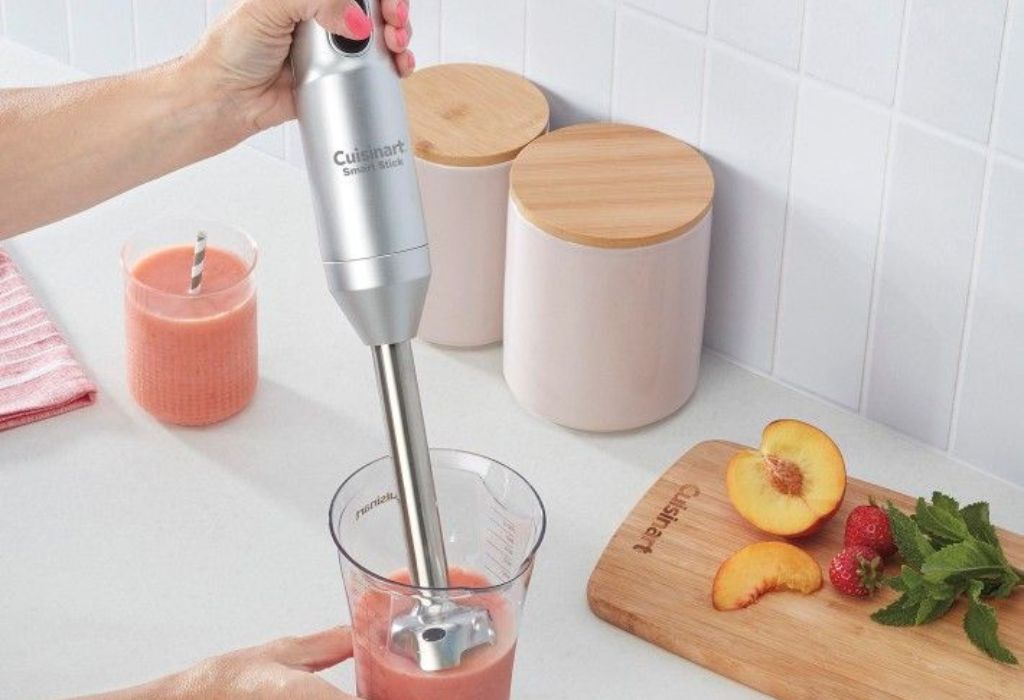
A hand blender, also known as a stick blender or immersion blender, is a compact handheld device designed to blend ingredients directly in the container where they are prepared.
Unlike traditional countertop blenders, which require transferring food into a large pitcher, a hand blender allows blending in pots, bowls, or cups. This design makes it an ideal tool for creating soups, sauces, baby food, and smoothies without additional cleanup.
The typical hand blender consists of a motor housed in the handle, a detachable shaft, and a blade at the bottom. Most models offer multiple speed settings that let users control blending consistency, from light whisking to full-speed pureeing.
High-end models may include attachments such as whisks or mini choppers, expanding their versatility for tasks like whipping cream or grinding nuts.
What makes the hand blender unique is its portability and precision. Because it can be immersed directly into liquids, it eliminates the need for transferring hot ingredients, reducing mess and risk of burns.
Its ergonomic shape provides comfortable handling, while the stainless-steel shaft and blades ensure durability and easy cleaning.
What is a hand blender used for?
It is used for blending soups, sauces, smoothies, and other soft ingredients directly in the container.
How does a hand blender differ from a countertop blender?
It’s smaller, more portable, and blends directly in the pot or bowl instead of a separate jar.
Are hand blenders available in both corded and cordless versions?
Yes, corded versions provide continuous power, while cordless models offer flexibility.
Can a hand blender crush ice or blend hard ingredients?
Only high-powered models can handle ice; most are better for soft or semi-liquid foods.
What is the typical power range for hand blenders?
Most range between 200 and 600 watts, with premium models reaching up to 1000 watts for tougher tasks.
Common Uses and Realistic Performance
Hand blenders are designed to make small kitchen tasks faster and simpler. They excel at blending soups, sauces, and smoothies directly in the pot or cup, eliminating the need for extra containers.
Their compact design makes them perfect for quick, one-step blending without the hassle of transferring ingredients to a countertop blender.
In most kitchens, hand blenders are used for pureeing cooked vegetables into creamy soups, emulsifying dressings, or creating smooth pancake batters.
They are also excellent for preparing baby food, as they can handle soft fruits, vegetables, and cooked grains with ease. Some models include attachments that allow chopping herbs, nuts, or even small quantities of meat.
Despite their versatility, it is important to understand that hand blenders have limitations. They are not ideal for crushing ice, blending frozen fruit in large quantities, or grinding dry ingredients such as coffee beans or spices.
Overloading them can reduce efficiency and even damage the motor. Choosing the right speed setting and working in small batches ensures smoother blending and longer appliance life.
Are hand blenders ideal for soups and sauces?
Yes, they work perfectly for pureeing soups and sauces directly in the cooking pot.
Can hand blenders crush ice or frozen fruits?
Only high-powered models can handle ice; most perform best with soft ingredients.
Is a hand blender suitable for large batches?
No, they are designed for smaller portions and may overheat during extended use.
Do hand blenders work well for smoothies?
Yes, they can blend fruits and liquids effectively for small to medium servings.
Are hand blenders powerful enough for everyday kitchen use?
Absolutely, as long as they are used within their power range and for intended tasks.
Advantages and Limitations
Hand blenders are popular because they combine versatility, compact design, and convenience. They are ideal for quick blending tasks such as making soups, sauces, or smoothies without requiring a bulky appliance.
Their lightweight build and handheld operation make them easy to use directly in pots, reducing both preparation time and cleanup.
One of the biggest advantages of a hand blender is its portability. It can be stored in a small drawer and used instantly for a variety of tasks.
Many models include attachments such as choppers, whisks, and beakers, which turn the hand blender into a multi-purpose kitchen tool capable of whipping cream, mixing batter, or chopping vegetables.
Another benefit is ease of cleaning. Most detachable shafts are dishwasher-safe, and their narrow design means they take less time to wash than traditional blender jars.
In addition, stainless-steel blades resist staining and odor absorption, keeping the appliance hygienic and long-lasting.
However, hand blenders also have limitations. They are not built for heavy-duty blending or large quantities of food.
Extended use with thick mixtures can cause overheating, and the blending results may be less smooth compared to a full-size blender. Their smaller blade size also limits the ability to crush ice or process hard ingredients efficiently.
What are the main advantages of hand blenders?
They save space, clean easily, and handle small blending tasks quickly.
What attachments improve their versatility?
Whisks, mini choppers, and beakers allow them to perform multiple functions.
Do hand blenders require a lot of maintenance?
No, regular rinsing and occasional deep cleaning keep them in great condition.
What are their main limitations?
They are not suitable for heavy mixing, crushing ice, or large-batch preparation.
How can users avoid damaging the motor?
Blend in short intervals, avoid overfilling containers, and use appropriate speed settings.
Features to Consider Before Buying
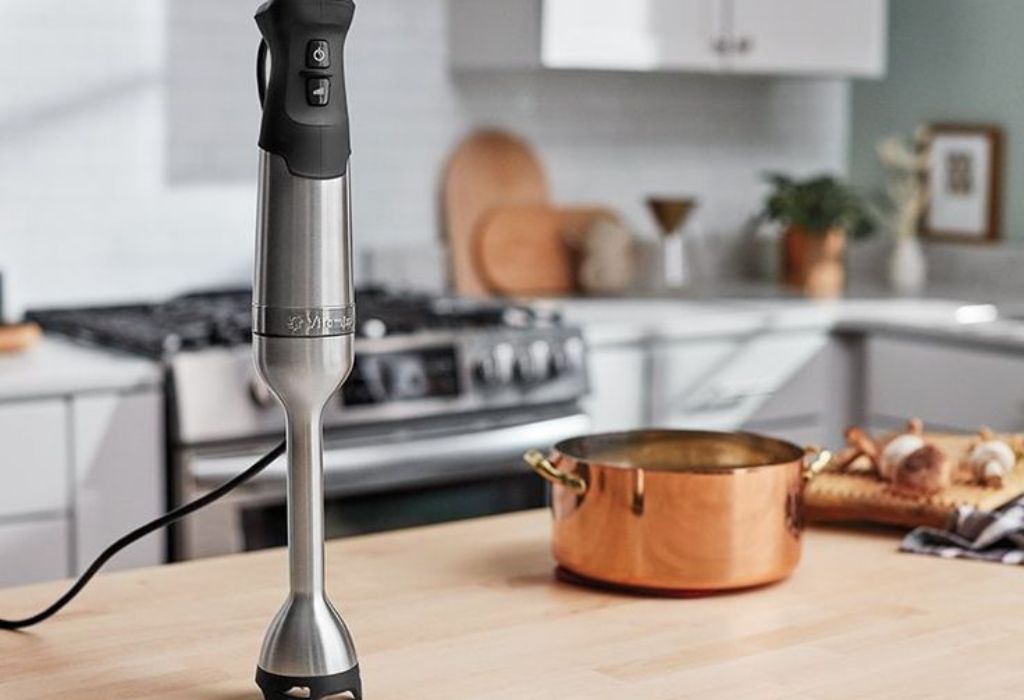
Choosing the right hand blender requires understanding the features that affect performance, durability, and overall convenience. While all models may look similar at first glance, their specifications and attachments make a significant difference in everyday use.
The first feature to evaluate is motor power. A higher wattage ensures smoother blending, especially when dealing with thick soups or dense mixtures.
Models with at least 400 watts are ideal for most kitchen tasks, while premium versions that reach 800 to 1000 watts can handle tougher ingredients more efficiently.
Attachments also play a crucial role in versatility. Many hand blenders come with whisks, mini choppers, or beakers that expand their functionality.
These add-ons allow users to switch between blending, whipping, and chopping with ease, turning one compact appliance into a multi-purpose kitchen helper.
Material quality should also influence your decision. Stainless steel shafts are more durable, heat-resistant, and easier to clean than plastic ones, especially when blending hot soups. Plastic shafts may discolor or warp over time with heavy use.
Ergonomics and comfort are often overlooked but essential for long blending sessions. A lightweight design with a soft-grip handle reduces fatigue and makes it easier to control the blender at different speeds.
Cleaning convenience also matters—detachable, dishwasher-safe parts save time and extend the appliance’s lifespan.
How much power should a good hand blender have?
At least 400 watts for smooth blending, though high-end models with 800–1000 watts perform best.
Do attachments make a big difference?
Yes, they increase functionality, making one device suitable for multiple kitchen tasks.
Is stainless steel better than plastic?
Yes, it is more durable, hygienic, and safe for hot ingredients.
What should I look for in terms of comfort?
Lightweight design, soft grip, and balanced weight distribution are key.
Why is cleaning convenience important?
Dishwasher-safe detachable parts make maintenance easier and ensure long-term reliability.
Cost, Value, and Longevity
When deciding whether a hand blender is worth buying, cost and long-term value are two of the most important factors.
Prices can range from budget-friendly options under $30 to high-end professional models exceeding $150. While cheaper models perform adequately for light tasks, investing in a more powerful and durable blender usually ensures better results and longer service life.
The value of a hand blender extends beyond its price tag. A well-built model can replace several kitchen tools by handling blending, whipping, and chopping with one compact device.
This versatility makes it especially beneficial for smaller kitchens or for those who prefer quick meal preparation without heavy appliances.
Durability depends largely on build quality and maintenance. Stainless steel shafts, solid motors, and quality blades ensure consistent performance over time.
With proper care, a good hand blender can last anywhere between 4 to 8 years, depending on frequency of use and the types of ingredients processed.
Cost-effectiveness also comes from energy efficiency and reduced cleanup time. Since hand blenders consume less power than countertop models and require minimal setup, they save both energy and effort.
Over time, this combination of convenience and longevity makes them a smart kitchen investment.
Are hand blenders worth the money?
Yes, they are worth it if used regularly for soups, sauces, and small-batch recipes.
What price range offers the best value?
Mid-range models between $50 and $100 balance quality, power, and durability.
How long do hand blenders typically last?
With proper maintenance, they can last up to 8 years or longer.
Do cheaper models perform well?
They work for light tasks but may overheat or wear down faster with frequent use.
Does investing in a quality brand matter?
Yes, reputable brands often provide better warranty coverage and longer-lasting components.
Alternatives and When a Hand Blender Isn’t Enough
While hand blenders are versatile and convenient, there are situations where they may not be the best tool for the job.
Their compact design and moderate power output make them ideal for small-batch blending, but not for heavy-duty or high-volume food preparation.
Understanding when to use alternative appliances helps avoid overworking your hand blender and ensures better results.
A full-size countertop blender is often a better choice for large quantities or tougher ingredients such as ice, frozen fruit, or fibrous vegetables. These models come with stronger motors and larger blades that produce smoother textures and more consistent results in less time.
Food processors, on the other hand, excel at chopping, slicing, and shredding solid ingredients that hand blenders cannot handle effectively.
Immersion blenders may appear similar to hand blenders, but they are usually longer and more powerful, allowing deeper blending in tall pots or containers. They work particularly well for soups, purees, and sauces prepared in bulk.
Choosing between these tools depends on your cooking habits, portion sizes, and the types of food you prepare most often.
When should you use a countertop blender instead of a hand blender?
When preparing large batches or blending dense ingredients like frozen fruits or nuts.
Is a food processor a better choice for solid foods?
Yes, it performs better for chopping, slicing, and kneading tasks that require precision.
Can immersion blenders replace hand blenders?
They perform similar functions but are better suited for deep containers and larger batches.
When does a hand blender fall short?
It struggles with hard ingredients, large quantities, or thick, sticky mixtures.
How can you decide which appliance to buy?
Consider how often you cook, the portion sizes you prepare, and whether versatility or power is your priority.
Future Trends and Innovations in Hand Blender Technology
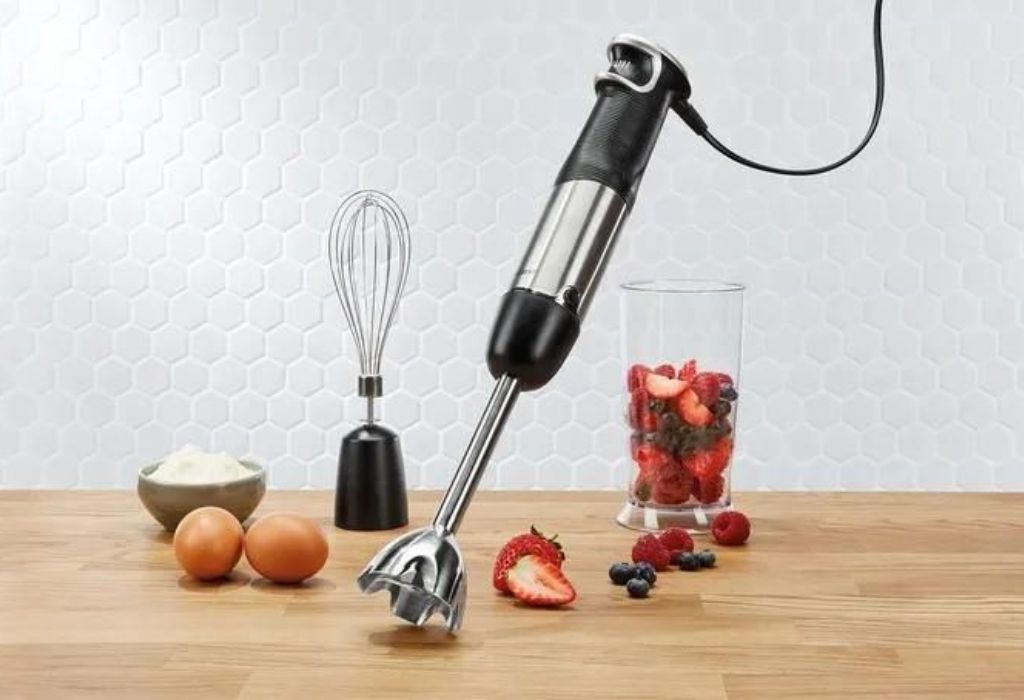
The hand blender market continues to evolve as manufacturers focus on improving performance, convenience, and sustainability.
Modern kitchen consumers expect compact appliances that deliver power without sacrificing control or safety, and new models are increasingly reflecting these demands.
One of the biggest innovations is the rise of cordless hand blenders. Advances in lithium-ion battery technology now provide stronger and longer-lasting power, allowing users to blend anywhere without being limited by cable length or outlet access.
Many premium cordless models now rival the performance of traditional plug-in versions, offering flexibility and freedom of movement in the kitchen.
Manufacturers are also prioritizing smart functionality and ergonomic improvements. Adjustable speed dials, digital control displays, and automatic shut-off systems are becoming common, ensuring better control and safety during operation.
Some high-end blenders even include smart sensors that detect food consistency and adjust blending speed automatically.
Sustainability is another key trend shaping the next generation of hand blenders. Brands are moving toward eco-friendly materials, energy-efficient motors, and recyclable packaging to reduce their environmental footprint. As consumers become more conscious of sustainability, this innovation will likely play an important role in purchasing decisions.
Are cordless hand blenders becoming more common?
Yes, advanced battery technology has made cordless models powerful and reliable.
Will smart features be standard in future blenders?
Yes, speed sensors, digital controls, and auto shut-off systems are becoming standard in newer models.
Are eco-friendly designs influencing blender production?
Yes, manufacturers are integrating sustainable materials and energy-efficient components.
How are safety features improving in modern hand blenders?
Newer models feature enhanced splash guards, heat-resistant shafts, and secure locking mechanisms.
Will future hand blenders replace larger kitchen appliances?
While they are getting stronger and more efficient, they are designed to complement rather than replace larger blenders and processors.
Conclusion
Hand blenders have proven themselves to be one of the most practical and space-saving kitchen tools available today. Their ability to blend, whip, and mix directly in pots or bowls makes them highly convenient for everyday cooking.
Compact, versatile, and easy to clean, they deliver impressive performance for their size, especially when used for soups, sauces, and smoothies.
Whether a hand blender is worth it depends on your cooking habits and expectations. For those who prioritize quick meal preparation, limited storage space, or smaller portions, a good-quality hand blender can easily replace multiple appliances.
However, if your kitchen tasks often involve crushing ice, large batches, or heavy-duty blending, investing in a countertop blender or food processor might be the better choice.
The value of a hand blender lies in its simplicity and convenience. With proper maintenance, it can last for years and remain one of the most frequently used tools in your kitchen.
Choosing a model with enough power, stainless steel construction, and reliable attachments ensures that your investment delivers long-term satisfaction.
In short, hand blenders are absolutely worth it for anyone who values efficiency, minimal cleanup, and versatility in a compact design.
By selecting the right model and using it for the right tasks, you can transform everyday cooking into a faster, smoother, and more enjoyable experience.

I’m Emma J. Caldwell, the founder, lead writer, and home-cooking enthusiast behind KitchenGuideCo.com. With a background in culinary arts and over a decade of cooking experience in both professional and personal kitchens, I created this platform to demystify recipes, offer smart kitchen gadget reviews, and guide readers through meal prep with confidence and clarity.