A busy morning shouldn’t end with the dread of scrubbing sticky smoothie residue off your blender.
The allure of KitchenAid’s powerful yet stylish design lies in its promise of convenience — quick blending, easy cleaning, and reliable durability. But that brings up an important question: are KitchenAid blenders dishwasher safe and durable enough for daily use?
Imagine making your morning smoothie, popping the jar straight into the dishwasher, and moving on with your day. No extra effort, no mess, no worries about wear and tear. But can a blender truly handle that kind of long-term treatment without losing its performance?
KitchenAid’s official cleaning guide confirms that many of its jars, lids, and blade assemblies are dishwasher safe, while the motor base must always be cleaned by hand (KitchenAid Guide).
Still, users across forums share different experiences — some praising years of dishwasher use, others warning about dull blades or seal wear.
Dishwasher Safe Components: What KitchenAid Says
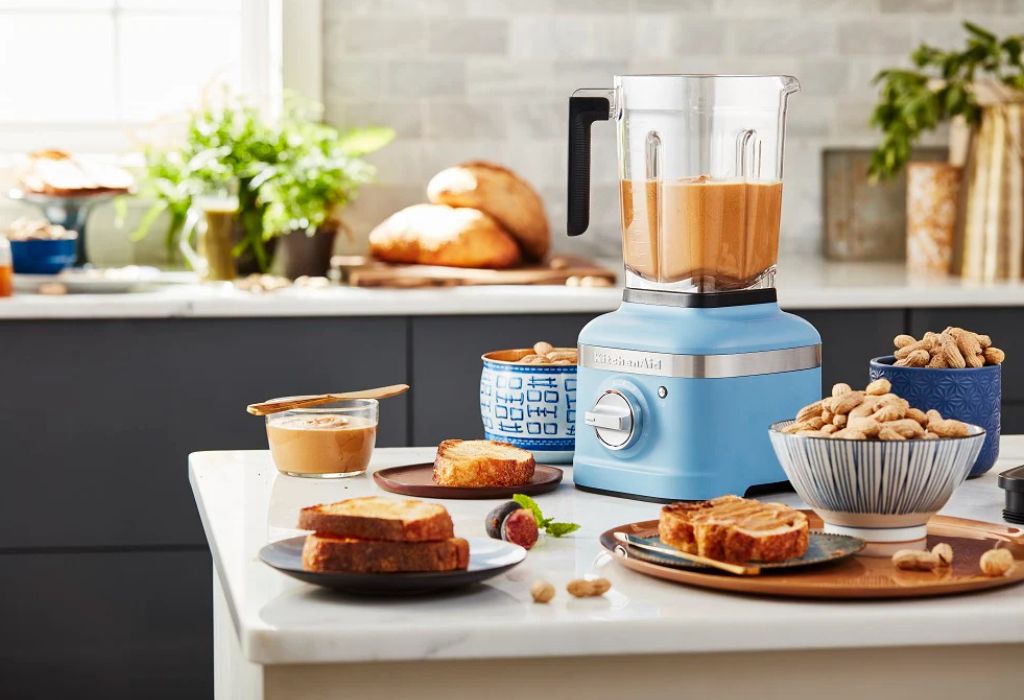
KitchenAid makes clear distinctions between what can and cannot go in the dishwasher. Most jars, lids, and removable blades are safe, while the motor base is strictly off-limits. The official page explains: “Blender jars, lids, and blades are dishwasher safe, but bases should be wiped down only.” (KitchenAid Support)
Certain models, like the K150 Series, even specify top-rack vs bottom-rack cleaning: “The Blender Jar can be cleaned in the bottom rack… Personal Jar and Small Batch Jar in the top rack.” (KitchenAid Product Help)
It’s crucial to note that “dishwasher safe” doesn’t mean “indestructible.” Materials matter. Glass and BPA-free plastic jars handle heat and detergent well, but rubber gaskets and colored finishes can fade over time if constantly exposed to high-temperature cycles.
Always check your model’s manual before cleaning. Even within the same brand, materials and coatings differ across models — what’s safe for one blender may harm another.
Which parts of a KitchenAid blender are dishwasher safe?
Jars, lids, and some blade assemblies are designed for dishwasher cleaning.
Can the blender base go in the dishwasher?
No. The base must be wiped with a damp cloth only.
Does rack placement matter?
Yes. Follow manual instructions — some parts are top-rack only.
Do all KitchenAid models have dishwasher-safe jars?
Most do, but always confirm in the product manual.
Does the dishwasher affect finish or color?
Repeated cycles may dull shine or fade coatings on colored parts.
Durability Factors: Build Quality and Longevity
Durability defines KitchenAid’s reputation. These blenders are known for their solid motor construction, heavy bases, and robust jar designs, but durability also depends on care and environment.
The K400 Variable Speed Blender, for example, uses a thick, ribbed glass jar and stainless steel blades that withstand years of use (KitchenAid Product Page). This design enhances performance and reduces stress on parts.
However, durability isn’t just about materials — it’s also about maintenance. Heat, detergents, and constant dishwasher cycles can weaken seals or cause the rubber rings around the blade to stiffen.
Many users report perfect performance for years, while others experience minor leaks after frequent high-heat washes (Reddit Discussion).
Proper use ensures longevity. Avoid blending thick frozen items beyond the model’s limits. Allow the motor to rest between heavy blends.
Clean promptly after use to prevent buildup. With mindful care, KitchenAid blenders can last well beyond five years — some owners report over a decade of use.
What makes KitchenAid blenders durable?
High-quality materials, precision blades, and solid motor housings.
Can dishwasher use affect lifespan?
Yes, over time high heat and detergent may wear out seals or blade coatings.
How long do KitchenAid blenders usually last?
5–10 years on average, depending on use and maintenance.
What shortens a blender’s life most?
Overheating the motor, blending hard ice frequently, or improper cleaning.
Is durability consistent across all models?
Higher-end models often last longer due to upgraded materials and motors.
Cleaning & Maintenance: Extending Life and Safety
The key to maintaining both dishwasher safety and durability lies in a proper cleaning routine. KitchenAid’s self-clean feature simplifies this process — fill the jar with warm water and a drop of dish soap, blend for 30 seconds, then rinse.
If you prefer the dishwasher, ensure that parts labeled dishwasher safe are placed on the correct rack. Avoid overly hot cycles or “sanitize” settings; these may warp plastic or dull the blade assembly.
Regularly inspect seals and gaskets. Replace any that appear brittle or cracked. It’s also wise to hand-wash occasionally to prevent soap buildup on seals, which can reduce grip and cause leaks. Keep the motor base dry at all times; moisture is the enemy of electrical durability.
To extend lifespan, perform deep cleaning monthly. Disassemble removable parts and soak them in warm, soapy water for 10–15 minutes. For odor removal, blend a mix of water, lemon juice, and baking soda — a trick recommended by many long-time users.
How often should you deep-clean your blender?
At least once per month or after heavy use.
Can I use bleach or harsh chemicals?
No. Stick to mild dish soap or vinegar-based solutions.
Is it safe to leave parts soaking overnight?
No. Prolonged soaking may damage seals or metal parts.
Do dishwasher detergents affect rubber seals?
Yes, over time they can harden or crack them.
What’s the best cleaning combo for odor?
A blend of lemon juice, baking soda, and water.
Real-World Performance and User Feedback
Real users provide valuable insight into how KitchenAid blenders perform over time. Across forums and review sites, opinions remain consistent: they’re built tough, easy to maintain, and convenient for everyday use — if treated properly.
One user shared, “I’ve had mine for eight years, and it still runs perfectly. The jar goes in the dishwasher every week with no issues.” (Reddit) Another user offered a cautionary note: “Dishwashers can dull blades faster if you always use heated-dry mode.”
Professional reviewers echo this. The KitchenAid K400 and Artisan series receive high marks for structural strength, with ratings above 4.5 stars on major retailer sites. Durability tests by Good Housekeeping found KitchenAid jars resistant to cracking, even after repeated stress simulations.
Of course, misuse leads to issues. Submerging the base, running the dishwasher on sanitize mode, or neglecting gasket care are common mistakes. Fortunately, replacement parts are widely available and easy to install.
Do users recommend dishwasher cleaning?
Most do, but suggest using moderate temperature cycles.
Are there long-term dishwasher damage reports?
Minor fading or rubber wear — rarely structural failures.
Does performance drop after frequent cleaning?
Not if the blades remain sharp and seals intact.
Is customer support helpful for part replacements?
Yes, KitchenAid provides quick replacements under warranty.
Do professionals use KitchenAid for daily blending?
Yes, especially in home kitchens and small cafes.
Best Practices for Longevity and Dishwasher Care
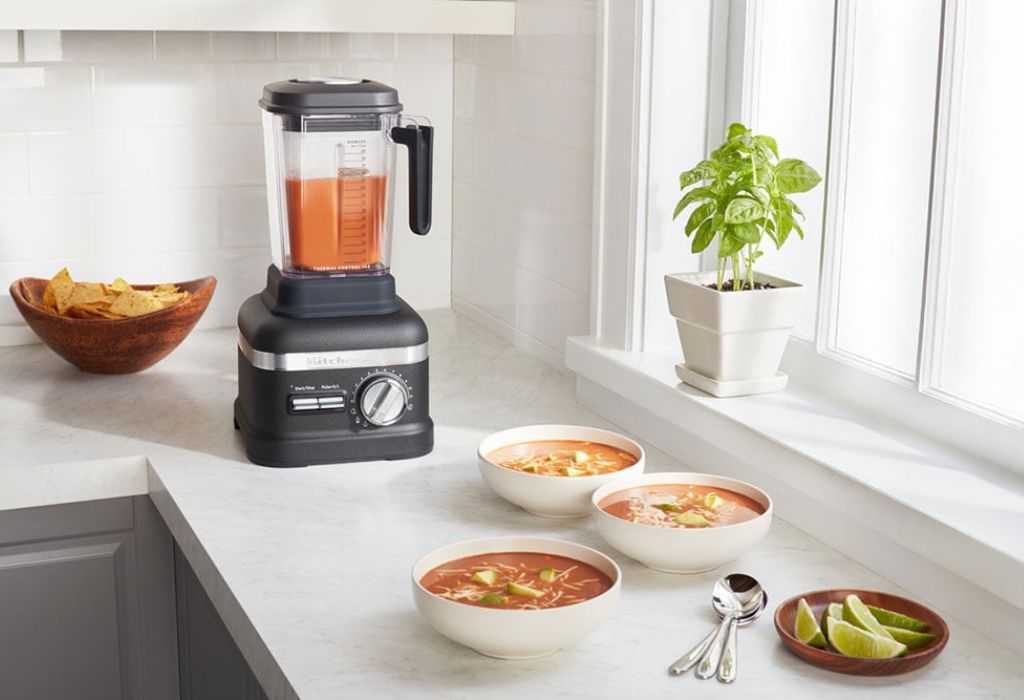
To get the most from your KitchenAid blender, treat it as both a tool and an investment. The following tips combine manufacturer recommendations and expert advice from long-term users.
Always disassemble before washing. Remove the jar, lid, and blade assembly if detachable. Wash these in the top rack if dishwasher safe. Never place the base near water. Use warm cycles rather than high heat; this small change can add years to your blender’s life.
Avoid running the dishwasher immediately after a heavy blend. Let the parts cool first — sudden temperature changes can stress glass or plastic. Store the blender with the lid off to prevent trapped moisture and odor buildup.
When blending frozen ingredients, add liquid first. This minimizes motor strain. And every few months, inspect for cracks, dullness, or loose fittings. These small habits help preserve both dishwasher safety and overall performance.
What’s the best way to clean without a dishwasher?
Blend warm water and soap for 30 seconds, then rinse.
Can dishwasher cycles dull blades faster?
Yes, especially with heated-dry or long cycles.
Should I lubricate any blender parts?
Only if recommended by KitchenAid; most don’t require it.
Can I replace just the jar or lid?
Yes, replacement parts are available for most models.
Does storage affect lifespan?
Yes. Keep it dry, upright, and away from extreme temperatures.
Conclusion
So, are KitchenAid blenders dishwasher safe and durable? The answer is a confident yes—with proper care.
KitchenAid’s modern blenders are engineered for everyday convenience, with dishwasher-safe jars, lids, and blade assemblies that handle daily cleaning with ease. Their sturdy construction and high-quality materials promise years of reliable use.
However, “dishwasher safe” doesn’t mean “maintenance free.” Heat, detergents, and overuse can wear on seals or coatings. The best approach is balance — use the dishwasher wisely, hand-wash occasionally, and keep parts inspected and dry.
Real-world users confirm the durability story: KitchenAid blenders often last a decade or longer when maintained properly. Their performance remains consistent, their design timeless, and their cleaning process simple.
Ultimately, durability and dishwasher safety go hand-in-hand when treated with care. A KitchenAid blender isn’t just a kitchen appliance — it’s a long-term partner built to deliver smooth blends, easy cleanup, and dependable service for years to come. Treat it well, and it’ll return the favor with every spin of its powerful blades.

I’m Emma J. Caldwell, the founder, lead writer, and home-cooking enthusiast behind KitchenGuideCo.com. With a background in culinary arts and over a decade of cooking experience in both professional and personal kitchens, I created this platform to demystify recipes, offer smart kitchen gadget reviews, and guide readers through meal prep with confidence and clarity.