It’s easy to grab your favorite metal water bottle, toss it in the dishwasher, and walk away. After all, dishwashers promise convenience and deep cleaning with minimal effort. But have you ever noticed strange spots, discoloration, or even dents on your bottle afterward?
Metal water bottles are designed to be strong, reusable, and eco-friendly, but not all of them handle the dishwasher’s intense heat and detergent well.
Some materials, like stainless steel, can usually survive the wash, while others, like aluminum or painted bottles, can get damaged quickly.
The confusion starts because most bottles look similar from the outside, yet they’re built with different metal compositions and finishes. Each reacts differently to high heat and aggressive cleaning agents. Even brand labels sometimes give mixed messages about dishwasher safety.
If you’ve ever wondered whether your metal water bottle belongs in the dishwasher or the sink, this guide is for you.
We’ll explore the science behind how dishwashers interact with metal, which types are safe to wash, and when hand washing is the smarter choice. By the end, you’ll know exactly how to clean your bottle safely and make it last for years.
Understanding Metal Water Bottles and Materials
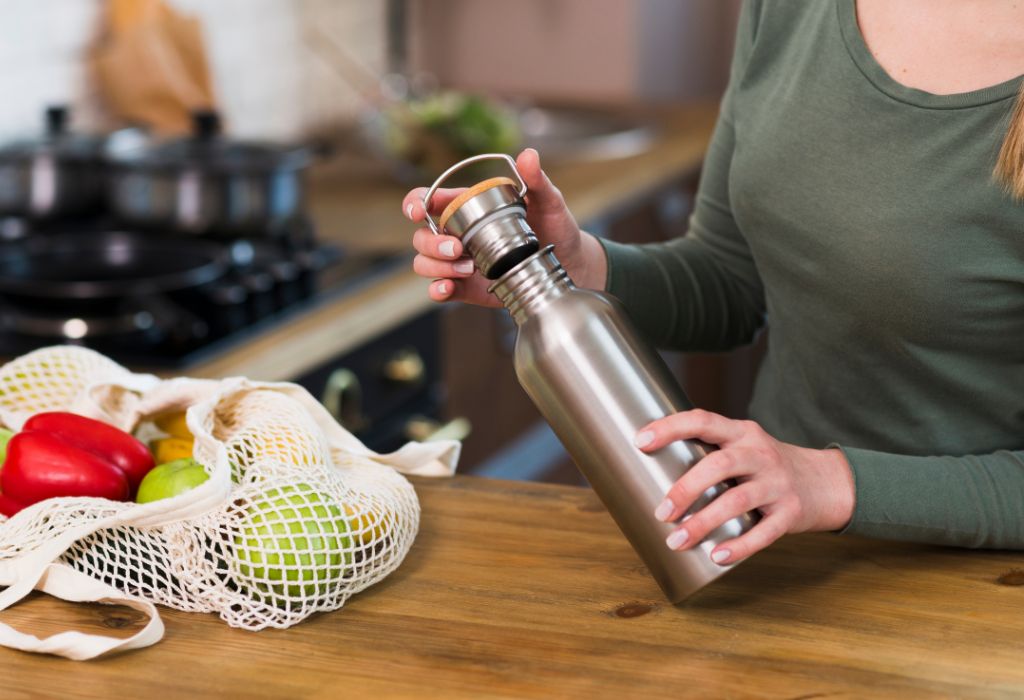
Metal water bottles come in several types, and not all metals behave the same under heat. The most common materials are stainless steel, aluminum, and copper blends. Each has its benefits and weaknesses when exposed to water, detergent, and high temperatures.
Stainless steel is durable and corrosion-resistant. It’s used in high-quality bottles like Hydro Flask, Klean Kanteen, and ThermoFlask. However, not all stainless steels are the same — some grades are more heat-sensitive than others.
Aluminum bottles are lightweight and affordable, making them popular for travel or sports. But aluminum reacts with alkaline dishwasher detergents, causing surface damage or fading. Most manufacturers recommend hand washing them only.
Copper or mixed-metal bottles look stylish but are even more sensitive. Their protective coatings can peel off under hot water. Even if the inside lining is steel, outer finishes often can’t withstand a dishwasher’s drying cycle.
Some metal bottles include powder coatings, paint layers, or vinyl prints for aesthetics. These layers can chip or bubble when exposed to extreme heat. Once damaged, they leave metal exposed, increasing rust risk over time.
Understanding what your bottle is made from helps you decide the safest cleaning method. Before tossing it into the dishwasher, always check the bottom or packaging for manufacturer cleaning instructions.
How Dishwashers Work and Why It Matters for Metals
A dishwasher doesn’t just rinse dishes with warm water. It uses high-pressure jets, heat, and strong detergents designed to break down food grease and residues. These same features can be harsh on delicate coatings and metals.
During the wash cycle, water temperatures can reach 140–160°F (60–70°C). Metal expands slightly under this heat, especially when it’s thin or insulated. Over time, that expansion weakens seals and can cause dents or distortion.
The detergent used in dishwashers is another factor. It’s alkaline, meaning it has a high pH level that can react chemically with aluminum and other non-stainless metals. These reactions cause fading, discoloration, or corrosion.
Next comes the drying phase, where the heat rises even higher. For insulated bottles, the trapped air inside can expand, straining the vacuum seal. This often leads to a loss of insulation efficiency, meaning the bottle won’t keep drinks hot or cold as long.
Dishwashers also use powerful water jets that hit from multiple angles. While they clean well, these jets can scratch exterior finishes or loosen painted coatings. That’s why most metal bottle brands prefer hand washing to preserve the design.
Understanding this washing process helps explain why even sturdy metal bottles sometimes fail after a few cycles. It’s not just about surviving one wash — it’s about maintaining long-term durability.
Stainless Steel Bottles in Dishwasher – Safe or Risky?
Stainless steel bottles are often marketed as dishwasher-safe, but it’s not always that simple. While the metal itself can handle heat, other parts of the bottle may not. The cap, gasket, or insulation layers can degrade quickly.
Single-wall stainless steel bottles, without insulation, are generally safe to wash in the dishwasher. Their solid metal body can withstand the temperature and detergent exposure. However, repeated cycles can dull the polish and make the surface cloudy over time.
Double-wall insulated bottles, like Hydro Flask or ThermoFlask, should never go in the dishwasher. The vacuum-sealed layer between walls can warp or lose pressure from the heat. Once that happens, the insulation fails permanently.
Some brands apply powder coatings or paint for grip and style. The dishwasher’s heat and high-pressure jets can chip or peel these finishes. Once exposed, the raw metal underneath may corrode faster.
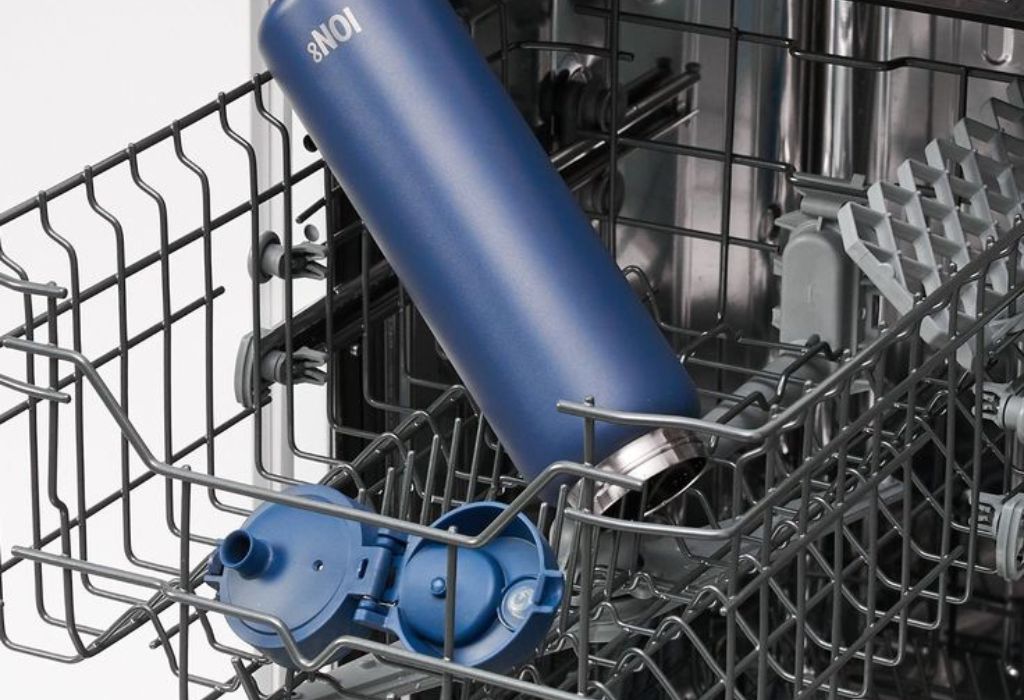
If you must use a dishwasher, place your stainless bottle on the top rack, away from direct heating elements. Use a mild detergent and skip the heat-dry setting. This method minimizes risk while still offering convenience.
For long-lasting shine and insulation, hand washing remains the safest cleaning method. Stainless steel can handle the dishwasher — but only up to a point.
Aluminum Bottles and Their Reaction to Dishwasher Heat
Aluminum bottles may look sturdy, but they’re more sensitive than stainless steel. The key issue is chemical reaction — aluminum oxidizes quickly when exposed to alkaline substances, like dishwasher detergent.
When aluminum reacts with detergent, a white or gray film forms on the surface. This isn’t just cosmetic damage — it indicates a breakdown of the protective oxide layer. Once that barrier is gone, the metal becomes more prone to corrosion.
Heat is another problem. Aluminum has a lower melting point compared to stainless steel. Though it won’t melt in the dishwasher, it expands faster, which can deform thin sections or weaken screw threads.
Many aluminum bottles have an inner epoxy or polymer lining to prevent metal taste and corrosion. The dishwasher’s heat and detergent can cause this lining to peel or crack. Once damaged, the bottle becomes unsafe for drinking.
Most brands explicitly mark aluminum bottles as hand wash only for these reasons. Using a dishwasher once might not ruin them, but repeated washes will eventually destroy their protective finish.
If you’re unsure whether your aluminum bottle is coated or bare, always treat it as delicate. Warm water and mild soap are safer than risking expensive damage.
Can I put my stainless steel bottle in the dishwasher?
Yes, if it’s single-wall and unpainted, but insulated bottles should be hand washed only.
Why did my metal bottle lose its shine after dishwashing?
Detergent chemicals and heat dull the polish over time by wearing down the surface finish.
Are aluminum bottles dishwasher-safe?
No, the detergent and heat cause oxidation and internal lining damage.
Can dishwasher heat ruin insulation in bottles?
Yes, high temperatures can expand internal air and break the vacuum seal.
How can I tell if my bottle is dishwasher-safe?
Check the label or the bottom of the bottle; most manufacturers mark it clearly.
Painted and Powder-Coated Metal Bottles Care Tips
Many metal bottles feature colorful paint or powder coating for style and grip. While attractive, these coatings are highly sensitive to heat and detergent. The dishwasher can quickly ruin them.
Powder-coated finishes are applied electrostatically and baked onto the surface. Though durable, they can soften and chip under repeated heat exposure. Scratches from water jets also reduce their lifespan.
Painted finishes are even more fragile. Dishwashing cycles fade colors, create bubbles, or peel the surface off entirely. Once the paint starts chipping, rust can form underneath the exposed metal.
If your bottle has a printed logo or design, the dishwasher’s high pressure may cause the print to fade. This is especially common with cheaper coatings not meant for heat.
To clean these bottles safely, use a soft sponge and mild detergent. Avoid steel wool or abrasive scrubbers that scratch the coating. Dry immediately with a soft towel to prevent water spots.
For heavily soiled bottles, soak them in warm soapy water for a few minutes before washing. This loosens residue without damaging the coating. Gentle cleaning preserves the bottle’s color and finish for years.
When in doubt, treat all painted or coated bottles as hand wash only. It’s the best way to maintain their looks and integrity.
Insulated Bottles and Vacuum Seal Concerns
Insulated bottles keep drinks cold or hot for hours thanks to vacuum technology. The space between the two metal walls acts as a thermal barrier. Unfortunately, this design makes them unsuitable for dishwashers.
During dishwashing, heat can expand the air inside the vacuum layer. This expansion stresses the welds and seals that hold the insulation in place. Repeated cycles may eventually cause the vacuum to fail.
Once insulation is lost, the bottle’s performance drops dramatically. You’ll notice drinks warming faster or condensation forming outside. These are clear signs of a compromised vacuum seal.
The cap or lid is another vulnerable part. Silicone gaskets, plastic threads, or insulation rings can warp in high heat. Damaged lids can leak or lose airtight closure.
Most reputable brands like Hydro Flask, S’well, and Yeti warn users not to put insulated bottles in the dishwasher. Even if the stainless steel body survives, the inner mechanics won’t.
Hand washing ensures your bottle’s insulation stays intact. A quick rinse and brush cleaning maintain hygiene without risk. If you care about keeping drinks at the perfect temperature, avoid the dishwasher altogether.
When It’s Okay to Dishwash Your Metal Bottle
There are some cases where dishwashing a metal bottle is acceptable. Single-wall, unpainted stainless steel bottles without insulation or coatings can generally handle the process. They’re sturdy enough to withstand heat and detergent.
If your manufacturer explicitly marks it as “dishwasher safe,” you can safely wash it on the top rack. Avoid placing it near the heating element or during high-heat drying cycles.
Always remove rubber gaskets, silicone seals, or detachable caps before washing. These parts are more vulnerable to warping and should be cleaned separately.
If you’re washing multiple bottles, space them apart so water jets can reach all sides. Crowded racks may cause uneven cleaning and surface scratching.
Use mild detergent and skip sanitizing or high-temp modes to minimize exposure to heat. This reduces the risk of discoloration or seal damage.
Dishwashing occasionally for convenience won’t destroy your bottle immediately. Just avoid doing it daily to preserve the finish and internal structure.
Which metal bottles are safe for dishwashers?
Unpainted, single-wall stainless steel bottles are generally safe.
Can I wash insulated bottles occasionally in the dishwasher?
It’s not recommended; even one wash can weaken the vacuum seal.
Is it okay to put bottle caps in the dishwasher?
Yes, if they’re plastic or stainless, but remove rubber seals first.
Will top-rack placement make it safer?
Yes, it keeps bottles away from direct heat but doesn’t protect coatings.
Can I air dry metal bottles after washing?
Yes, but dry the exterior with a towel to prevent water spots or rust.
Best Way to Hand-Wash Metal Bottles Safely
Hand washing may seem old-fashioned, but it’s the safest method for metal bottles. Start by filling the bottle with warm water and a few drops of mild dish soap. Let it sit for a few minutes to loosen any buildup.
Use a bottle brush to scrub the interior gently. Focus on the bottom and neck, where residue tends to collect. Avoid using abrasive sponges that can scratch metal surfaces.
For deep cleaning, add a teaspoon of baking soda or vinegar. Let it fizz for a few seconds, then rinse thoroughly with warm water. This removes odors and disinfects naturally.
Always wash the lid separately. Pay attention to silicone gaskets and grooves where mold can form. Dry every part completely before reassembling.
If your bottle has a narrow mouth, let it air dry upside down on a rack. Avoid leaving it in humid areas where water might sit for hours. Proper drying prevents rust and odor buildup.
Hand washing might take a few extra minutes, but it keeps your bottle looking new and functioning perfectly.
Maintenance Tips to Keep Metal Bottles Like New
Regular maintenance extends your bottle’s life and keeps it safe for daily use. Clean it after every use, especially if you’ve had sugary drinks or juice inside. Residue left overnight can cause odor and staining.
Inspect the bottle for dents or scratches periodically. Damaged coatings can expose raw metal to moisture, leading to corrosion. If you notice damage, stop using it for acidic drinks like coffee or citrus water.
Avoid using bleach or harsh cleaners, as they degrade metal finishes. Stick to natural cleaners like baking soda and vinegar for odor removal.
Store the bottle with the lid off when not in use. This prevents trapped moisture and mold growth inside. Proper ventilation keeps the interior fresh.
If you carry your bottle outdoors frequently, use a protective sleeve to prevent scratches. Avoid leaving it in hot cars or direct sunlight for long periods. Extreme temperatures weaken seals over time.
Following these small habits ensures your metal bottle remains durable, hygienic, and safe for years.
Conclusion
So, are metal water bottles dishwasher safe? The answer depends entirely on the type of metal, coating, and insulation design. Stainless steel bottles without coatings or insulation can survive, but aluminum and painted bottles cannot.
Dishwashers are powerful cleaning tools but can be harsh on materials not built for extreme heat and detergent. Even the toughest bottles can lose insulation, shine, or safety if washed too often.
For long-lasting performance, hand washing is always the safest option. It preserves coatings, prevents rust, and keeps your bottle functioning like new. A few minutes of gentle cleaning is worth protecting your eco-friendly investment for years to come.

I’m Emma J. Caldwell, the founder, lead writer, and home-cooking enthusiast behind KitchenGuideCo.com. With a background in culinary arts and over a decade of cooking experience in both professional and personal kitchens, I created this platform to demystify recipes, offer smart kitchen gadget reviews, and guide readers through meal prep with confidence and clarity.