A good blender can turn a handful of frozen fruit into a silky smoothie or crush ice into snow in seconds. Yet many buyers pause before hitting “add to cart” and wonder, are Ninja blenders good enough to handle it all?
In kitchens around the world, these sleek machines sit beside coffee makers and air fryers, promising restaurant-level blending at a home-friendly price. But performance, durability, and value are what truly separate a good blender from a great one.
The modern consumer is spoiled for choice, facing hundreds of models and marketing claims. According to Statista, the global blender market surpassed $3.4 billion in 2024 and continues to grow as health-focused lifestyles drive smoothie and protein-shake trends (source).
With this surge, knowing whether Ninja blenders genuinely deliver professional-grade results becomes crucial.
Some users praise their ability to crush ice and blend leafy greens effortlessly. Others question if they can stand up to heavy daily use or rival brands like Vitamix in smoothness and longevity. The truth lies in the details of design, wattage, blade performance, and user convenience.
What Defines a Good Blender
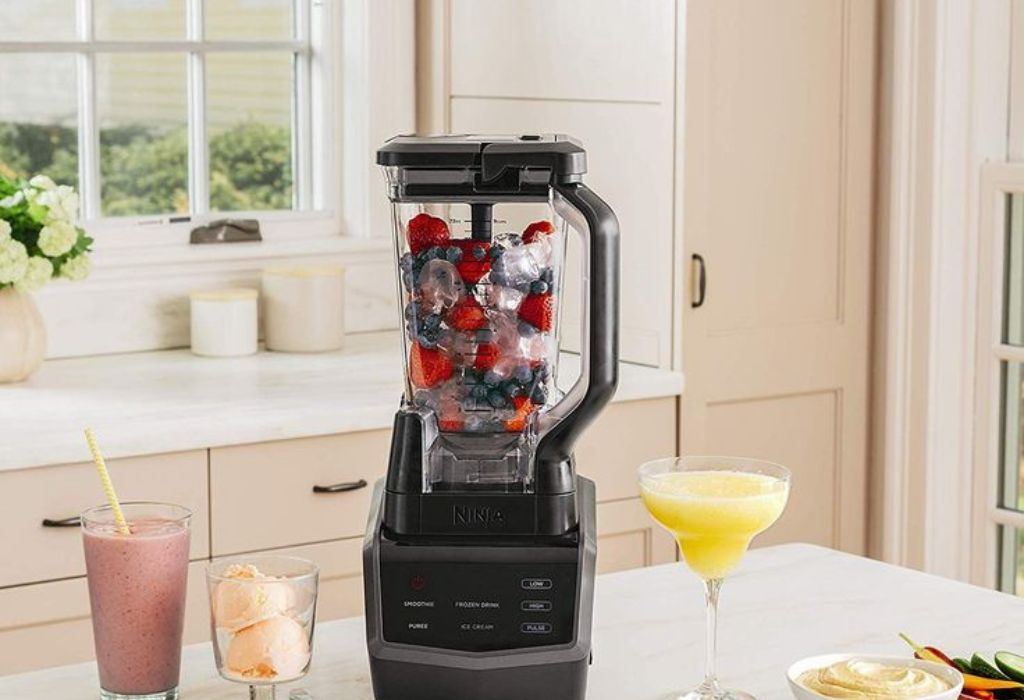
A blender is more than just a countertop appliance; it’s a daily companion for anyone who values convenience, health, and creativity in the kitchen. Before answering whether Ninja blenders are good, it’s essential to understand what actually makes a blender worth buying.
A truly good blender combines motor strength, blade efficiency, and smart design to deliver consistent performance.
The perfect blend of power and precision ensures that tough ingredients like frozen fruit, kale, and nuts are transformed into smooth textures without overheating or clogging.
Durability also plays a key role. A high-quality blender should withstand repeated use without showing signs of wear.
Consumer Reports highlights that long-term reliability is one of the top three factors influencing blender satisfaction (source). For users who blend daily, a sturdy motor base and strong blade assembly matter as much as the recipe itself.
Ease of cleaning and usability further determine value. A blender with dishwasher-safe parts, secure locking lids, and simple controls often becomes a favorite tool in busy households. No one wants to spend more time cleaning than blending.
Price, too, shapes perception. While premium blenders like Vitamix can cost several hundred dollars, many consumers look for affordable alternatives that still deliver power and performance — exactly where Ninja steps in.
What should you look for in a blender?
A good blender offers high wattage, sharp blades, durable jars, and easy cleaning for smooth, consistent results.
Why question “are Ninja blenders good”?
Because the brand covers a wide range of models with varying performance, making research vital before purchase.
Does home vs professional use demand different specs?
Yes. Professional use requires higher wattage, larger capacity, and continuous durability compared to standard home use.
Are all Ninja blenders built the same?
No. Each model varies in motor strength, jar design, and accessory options tailored to specific needs.
What role does budget play in performance?
Budget influences power, features, and durability. Higher-priced models often include stronger motors and extra attachments for versatile blending.
How Ninja Blenders Perform: Home Kitchen Use
For many homeowners, the ultimate question is whether a Ninja blender can handle everyday blending tasks with the same ease as higher-end brands. From morning smoothies to post-dinner soups, performance in a home kitchen often determines a blender’s true worth.
Ninja blenders are widely praised for their strong motor power and versatile blade systems. Models like the Ninja Professional Plus boast up to 1400 watts of power, easily crushing ice and fibrous vegetables into smooth, drinkable blends.
According to RTINGS.com, Ninja blenders rank among the top for ice-crushing and smoothie performance, scoring 9.6/10 in independent testing (source).
For smoothie lovers, these blenders excel at blending frozen fruit and leafy greens without leaving chunks behind. Their Total Crushing® blade design ensures that ingredients move efficiently, delivering creamy textures even with dense or fibrous ingredients.
Ease of use and maintenance are also standout features. Most models include dishwasher-safe jars, lids, and blades, making cleanup fast and simple. However, cleaning around the sharp blade assembly requires caution to avoid injury.
Value is another area where Ninja shines. While premium blenders can cost hundreds more, Ninja offers comparable results for less, making them an excellent choice for cost-conscious home cooks.
Are Ninja blenders good for smoothies?
Yes. They blend frozen fruit and greens efficiently, producing smooth, consistent textures.
Are Ninja blenders good for crushing ice at home?
Absolutely. Their multi-blade system pulverizes ice cubes quickly and evenly.
Are Ninja blenders good for hot ingredients?
Some models, like the Ninja Foodi Hot & Cold Blender, can handle soups and warm sauces safely.
Are Ninja blenders good for cleaning and maintenance?
Yes. Most parts are dishwasher-safe, though extra care is needed for the sharp blade assembly.
Are Ninja blenders good value for home kitchens?
Definitely. They deliver excellent performance at a mid-range price point, offering a strong balance between quality and affordability.
How Ninja Blenders Fare in Professional or Heavy-Duty Use
While Ninja blenders perform impressively in home kitchens, professional or heavy-duty environments present a tougher challenge. Commercial use demands consistent output, long operation times, and durable components that can withstand daily stress without loss of power.
Ninja’s higher-end models, such as the Ninja Foodi Power Blender Ultimate System or Ninja Mega Kitchen System, are designed with strong 1400–1500 W motors. These deliver enough torque to handle continuous blending of fibrous greens, nut butters, and frozen mixes.
However, durability and long-term motor endurance are where professional-grade blenders like Vitamix still hold an edge.
For large-batch blending, Ninja’s 72 oz pitchers allow cafés or juice bars to prepare multiple servings quickly. The multiple stacked blades also help with faster blending of thicker mixtures, though noise levels can be a drawback in quieter commercial settings.
Tom’s Guide notes that some Ninja blenders reach sound levels above 95 dB during heavy loads (source).
In continuous, high-volume environments, overheating protection is critical. Ninja blenders include auto shut-off features to prevent motor damage, but for professional use, this can interrupt workflow. Service warranties are also typically shorter compared to industrial brands.
Are Ninja blenders good for large batches or family use?
Yes. The large-capacity pitchers can blend up to 72 oz, perfect for group servings or cafés.
Are Ninja blenders good for fibrous or tough ingredients?
They handle tough ingredients well, though textures can sometimes be slightly grainier than those from top commercial blenders.
Are Ninja blenders good for daily professional use?
They perform well for semi-professional or small business setups but may not match the endurance of high-end commercial units.
Are Ninja blenders good compared to Vitamix or Blendtec?
They offer strong performance for the price but fall short in ultra-fine blending smoothness and long-term durability.
Are there drawbacks to using Ninja blenders in professional settings?
Yes. They can be loud, may heat up under constant heavy use, and have shorter warranties than industrial-grade competitors.
Key Features and Technology Behind Ninja Blenders
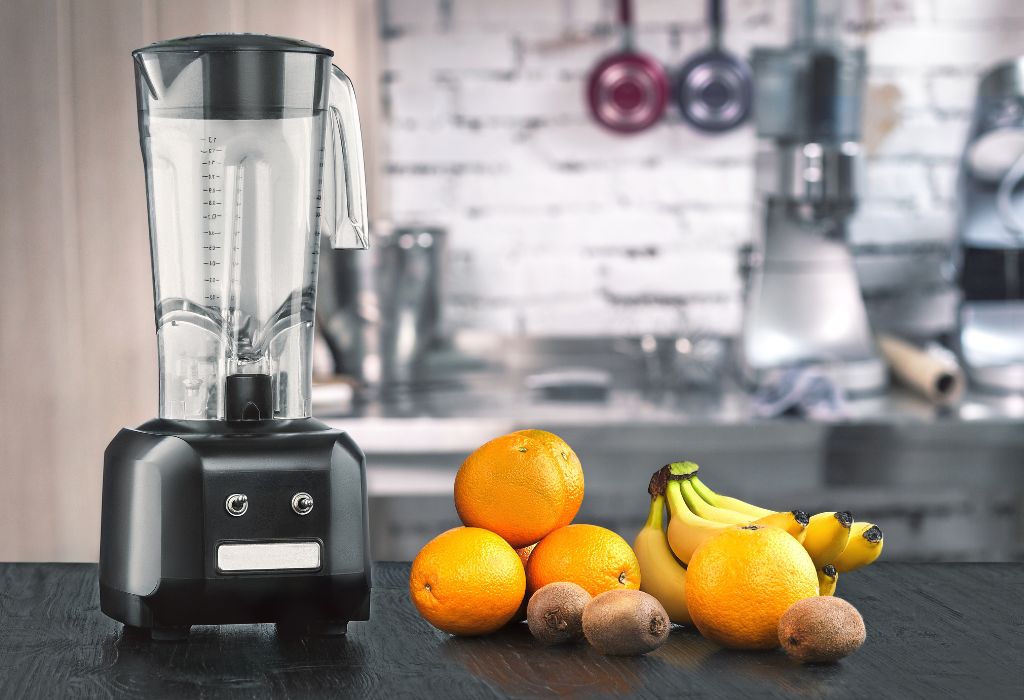
Ninja blenders are designed with modern blending technology aimed at simplifying kitchen tasks without compromising performance. Their combination of powerful motors, sharp multi-level blades, and smart automation makes them stand out among mid-range blender brands.
At the core of Ninja’s success is its Total Crushing® Blade Technology, a multi-tiered stainless-steel blade system engineered to pulverize ice, frozen fruit, and dense vegetables quickly.
Unlike traditional two-blade systems, Ninja’s stacked design allows ingredients to circulate evenly, reducing unblended chunks and ensuring smoother results.
Another defining feature is the Auto-IQ® and BlendSense® Technology found in many models. These intelligent programs combine timed pulsing, blending, and pausing patterns to deliver consistent textures for smoothies, shakes, and sauces.
According to Bon Appétit, this automation helps even novice users achieve café-quality blends without manual adjustments (source).
Motor power varies across models, typically ranging from 1000 W to 1500 W, offering enough strength for both soft and hard ingredients. Some professional-grade systems include food processor attachments, dough mixers, and personal blending cups for on-the-go convenience.
Cleaning ease is another factor consumers value. Most Ninja pitchers and lids are dishwasher-safe, and a quick pulse with warm soapy water often clears residues within seconds.
What is Total Crushing® technology in Ninja blenders?
It’s a multi-blade system designed to crush ice and frozen ingredients quickly and evenly.
What is Auto-IQ or BlendSense in Ninja blenders?
These are preset programs that automatically adjust blending speeds and durations for consistent results.
What motor power do Ninja blenders offer?
Depending on the model, motors range from 1000 W to 1500 W, suitable for both home and semi-professional use.
What capacity and accessories do Ninja blenders include?
Many come with 72 oz pitchers, personal cups, and food-processor attachments for maximum versatility.
Are Ninja blender parts easy to clean?
Yes. Most components are dishwasher-safe, and the design allows quick self-cleaning using warm soapy water.
Pros and Cons of Ninja Blenders
Every blender has strengths and weaknesses, and understanding both sides helps buyers make an informed choice. Ninja blenders have gained a reputation for combining strong performance with affordability, but they also come with limitations depending on usage frequency and expectations.
On the positive side, Ninja blenders consistently deliver impressive blending power for their price. The Total Crushing® Blade System ensures that ice, frozen fruit, and fibrous vegetables are processed into smooth, even mixtures.
Their Auto-IQ® programs make operation effortless, even for beginners, while the large-capacity pitchers and multiple accessories add versatility for family cooking or meal prep.
However, they are not without flaws. Tom’s Guide notes that while Ninja blenders perform well, they can be quite loud and may not last as long as high-end brands under daily commercial use (source).
Some models also lack hot-blend capability, meaning soups and sauces must be cooled before blending.
Noise, cleaning around sharp blades, and relatively shorter warranties are the most common user complaints. Still, when compared to other mid-range blenders, Ninja remains one of the most balanced options for performance, price, and convenience.
What are the main advantages of Ninja blenders?
They offer powerful blending, excellent ice-crushing, and versatile attachments at an affordable price.
What are the main drawbacks of Ninja blenders?
High noise levels, tricky blade cleaning, and moderate durability under heavy use.
In what scenarios might Ninja blenders fall short?
In high-volume commercial environments where continuous blending and extra-long warranties are essential.
Are Ninja blenders good for users on a tight budget?
Yes. They deliver high performance without the premium price tag of luxury brands.
Are Ninja blenders good for minimalist or small kitchens?
Some compact models fit limited spaces, but full-size versions can be bulky and noisy for smaller setups.
Choosing the Right Ninja Model (Home vs Professional Use)
With a wide range of models available, finding the right Ninja blender depends on how and where it will be used.
Each model offers a balance of power, size, and functionality designed to fit different lifestyles — from quick smoothies at home to frequent blending in a café or catering setup.
For everyday home use, mid-range models like the Ninja Professional Plus or Ninja Nutri Duo provide ample power (around 1000–1200 W) and come with family-sized pitchers as well as single-serve cups.
These are ideal for households that prepare smoothies, sauces, or crushed-ice drinks regularly without needing commercial durability.
For heavier use or semi-professional environments, models like the Ninja Foodi Power Blender Ultimate System or Mega Kitchen System are better choices. They feature stronger 1400–1500 W motors, food-processor attachments, and dough-mixing capabilities, giving more flexibility for intensive workloads.
Budget and accessories play a huge role in decision-making. Spending a little more often means access to advanced features like Auto-IQ® presets, multiple jars, and better noise control. Still, even entry-level Ninja models outperform many competitors in blending power for the price.
Which Ninja blender model is best for home use?
The Ninja Professional Plus offers strong blending performance for daily smoothies and frozen drinks.
Which Ninja blender is best for heavy or professional use?
The Ninja Foodi Power Blender Ultimate System provides 1500 W power and multiple attachments suited for frequent, demanding use.
Are Ninja blenders good for professional use with accessories?
Yes. With food-processor bowls, personal cups, and large pitchers, they handle a range of tasks efficiently.
How much should you budget for a professional-level Ninja blender?
Expect to invest more than typical home models, with prices ranging from mid to upper tier for advanced features.
Are replacement parts and service easy to find?
Yes. Replacement blades, lids, and jars are widely available online, though professional service centers may be limited compared to commercial brands.
Maintenance, Cleaning, and Longevity Tips
A powerful blender is only as good as the care it receives. Regular cleaning and proper maintenance not only preserve performance but also extend the lifespan of the machine.
With a few mindful steps, Ninja blenders can serve reliably for years in both home and light commercial kitchens.
The ease of cleaning is one of the biggest advantages of Ninja blenders. Most models come with dishwasher-safe pitchers, lids, and blades, allowing quick cleanup after every use.
For faster results, a simple self-cleaning trick works well: fill the pitcher halfway with warm water and a drop of dish soap, then run a quick pulse cycle to remove any residue.
However, because Ninja blades are razor-sharp, users should take care when handling or washing them manually. Over time, residue buildup near the seals or on the blade assembly can impact performance, so a deep clean every few weeks is recommended.
For longevity, avoid blending hot liquids unless the model is rated for it, and never overload the jar with dense ingredients beyond capacity lines. Overfilling or prolonged continuous use can stress the motor, reducing its life span.
How should you clean a Ninja blender?
Add warm water and a few drops of dish soap, run on pulse for 30 seconds, then rinse or place dishwasher-safe parts in the dishwasher.
How do you maintain a Ninja blender for heavy use?
Clean after each session, avoid overloading, inspect gaskets, and let the motor cool between blending cycles.
What are common wear points on Ninja blenders?
Blade assemblies, rubber gaskets, and jar surfaces are most prone to wear with frequent use.
Are Ninja blender blades removable and safe to handle?
Yes, but handle with care. Remove them gently for cleaning and dry completely before reassembling.
How long can a Ninja blender last with proper care?
With routine maintenance, most Ninja blenders last 3–5 years under regular home use and 2–3 years under light commercial use, depending on frequency and load.
Future Trends and How Ninja Blenders Fit in the Evolving Kitchen
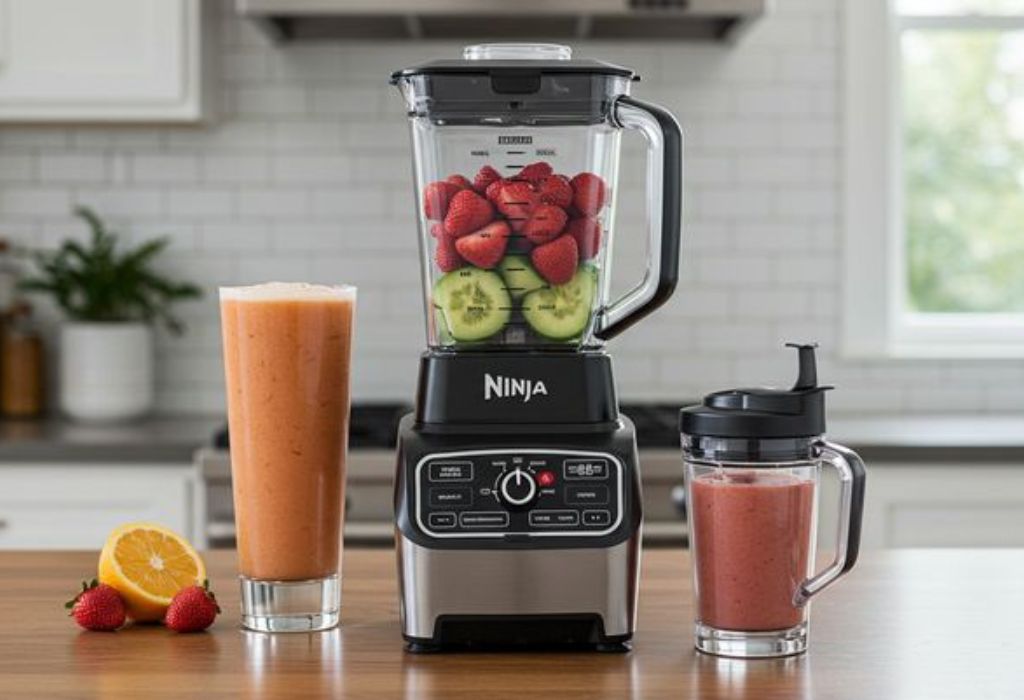
The modern kitchen is rapidly changing as consumers demand smarter, faster, and more versatile appliances.
Health-conscious lifestyles, plant-based diets, and the rise of at-home cafés have pushed blenders into the spotlight. In this evolving landscape, Ninja continues to adapt its technology to meet these trends.
Recent models now include smart blending systems with Auto-IQ® programs and preset options that mimic professional barista-style results. These innovations reduce user error and help achieve perfect textures for smoothies, soups, and sauces every time.
As Statista reports, the small kitchen appliance market is projected to reach $270 billion by 2027, driven by smart and multifunctional gadgets (source).
Sustainability is also shaping the next generation of kitchen tools. Ninja has begun incorporating energy-efficient motors and BPA-free materials, aligning with consumer preferences for eco-friendly design.
Compact, portable models now cater to smaller living spaces and on-the-go lifestyles, reflecting the growing demand for personal convenience.
Professional users are also embracing mid-range blenders like Ninja for secondary or backup use, thanks to their affordability and strong all-around performance.
With more powerful motors and quieter operation, future iterations may begin bridging the gap between home-grade and commercial-grade systems.
Are Ninja blenders keeping up with kitchen tech trends?
Yes. Their smart presets, multiple attachments, and compact models reflect the modern demand for convenience and versatility.
Are Ninja blenders good for health-focused users?
Absolutely. Their nutrient extraction capabilities make them ideal for smoothies, protein shakes, and plant-based recipes.
Will Ninja blenders be viable for professional kitchens in the future?
Possibly. Continued advancements in power, noise reduction, and durability could make them a strong competitor in light commercial environments.
Are portable Ninja models good for on-the-go users?
Yes. Personal cup models with to-go lids fit perfectly into busy lifestyles and quick nutrition routines.
What new features might appear in future Ninja blenders?
Expect quieter motors, stronger blades, integrated sensors, and app connectivity for smart, real-time blending adjustments.
Conclusion
The debate around “are Ninja blenders good” ultimately comes down to what a buyer values most — power, price, versatility, or durability.
Over the years, Ninja has proven itself as one of the most well-balanced blender brands in the market, bridging the gap between high-end professional blenders and affordable home appliances.
In home kitchens, Ninja blenders excel at the tasks that matter most: crushing ice, blending fibrous fruits and vegetables, and delivering smooth, consistent textures.
Their intuitive designs, preset Auto-IQ® programs, and large-capacity pitchers make them ideal for busy households, meal prep, and family-sized smoothies.
Consumers get professional-level performance without needing to spend premium-brand prices, making Ninja a smart investment for everyday use.
In professional or semi-commercial environments, Ninja blenders perform admirably under moderate workloads.
Models equipped with 1400–1500 W motors can handle dense ingredients and repetitive blending, but long-term heavy commercial use may expose limitations in noise levels, warranty coverage, and extended durability.
Still, for cafés, catering setups, or small businesses seeking cost-effective blending solutions, Ninja offers impressive efficiency and adaptability.
Technologically, Ninja continues to evolve alongside kitchen trends. From nutrient extraction systems to smart blending modes, the brand has embraced innovation while keeping usability simple and approachable.
Energy efficiency, BPA-free materials, and improved motor control reflect a growing awareness of sustainability and user safety.
In essence, Ninja blenders are a perfect balance of performance, innovation, and affordability. They may not outlast top-tier commercial brands, but they deliver exceptional results for their price point.
Whether you blend once a day at home or run small-scale operations, a well-chosen Ninja blender can provide years of dependable service, powerful blending, and consistent results that justify every penny spent.

I’m Emma J. Caldwell, the founder, lead writer, and home-cooking enthusiast behind KitchenGuideCo.com. With a background in culinary arts and over a decade of cooking experience in both professional and personal kitchens, I created this platform to demystify recipes, offer smart kitchen gadget reviews, and guide readers through meal prep with confidence and clarity.