Stainless steel pans are trusted tools in kitchens around the world, valued for their strength, shine and long lasting performance. Many people use them for frying, sautéing and simmering because they can handle high heat without bending or losing shape.
But when it is time to clean them, one question causes hesitation more than all others, and that is whether they are truly dishwasher safe.
The decision becomes more confusing when people remember how dishwashers use strong detergent, hot water and powerful spray pressure. These conditions make cleaning easy, but they may also affect metals differently.
Stories about discoloration, spotting or pitting leave many unsure about placing their stainless steel pans inside the dishwasher.
Stainless steel is a strong alloy, but it reacts to heat, minerals and detergents in ways people often do not expect.
Some pans tolerate dishwashers well while others lose their shine or develop tiny marks over time. Understanding these reactions helps users make safer cleaning choices.
When people know how stainless steel behaves and how dishwashers operate, they can clean their cookware confidently. Simple practices such as placing pans correctly, choosing the right cycle and drying them at the right time make all the difference.
With this knowledge, stainless steel pans remain shiny, safe and dependable for years of everyday cooking.
Why Stainless Steel Pans Are So Popular
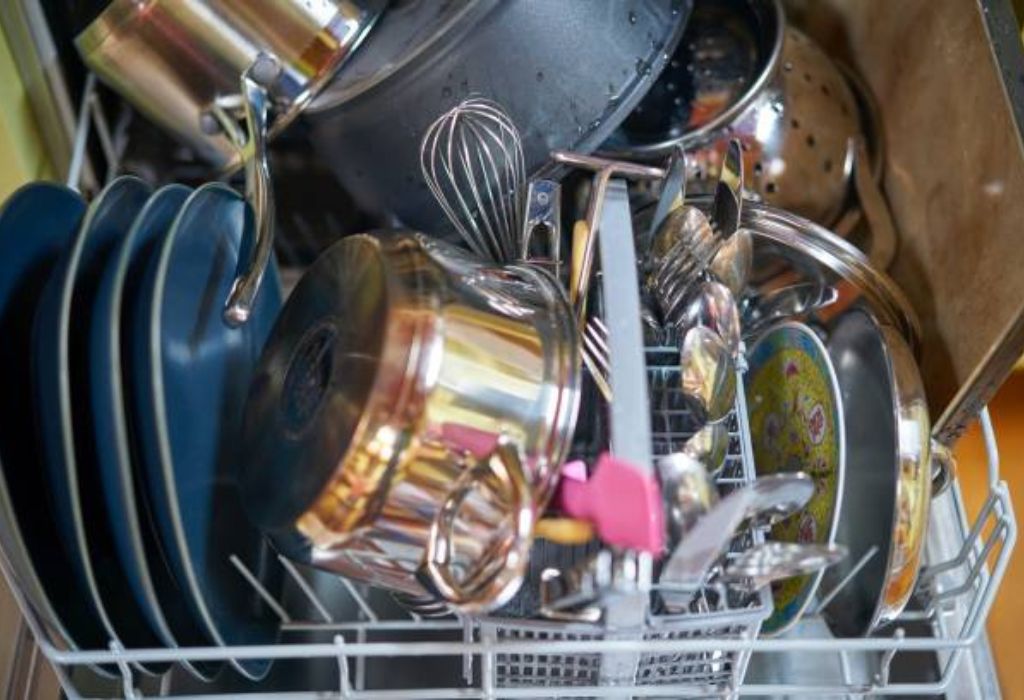
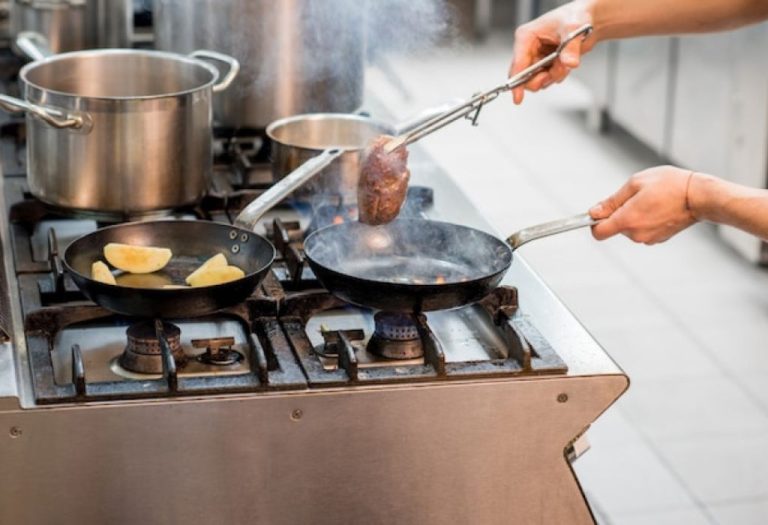
Stainless steel pans are popular because they offer strength and reliability in everyday cooking. The metal handles high heat without bending or warping. This makes stainless steel a trusted choice for professional and home cooks.
The material does not react with acidic foods, unlike some other metals. Tomato, lemon or vinegar based dishes do not alter the taste. This neutrality helps maintain food flavor.
Stainless steel pans also distribute heat evenly across the surface. This prevents hot spots that burn food and improves cooking control. Even heat makes meals more consistent.
These pans are scratch resistant compared to nonstick cookware. Metal utensils can be used without causing major damage. This durability extends the lifespan of the pan.
Many people choose stainless steel because it cleans easily with soap and warm water. Food does not cling heavily and residue dissolves quickly. This convenience helps during busy cooking days.
Stainless steel pans offer a polished, professional appearance. Their shiny finish looks elegant on stovetops and open shelves. This aesthetic appeal increases their popularity.
The pans are also oven safe, giving cooks more flexibility. They can move from stovetop to oven without switching dishes. This improves efficiency in the kitchen.
Stainless steel remains reliable for many years when cared for properly. Its long lasting performance makes it a valuable investment. This makes it a favorite among experienced cooks.
Are Stainless Steel Pans Actually Dishwasher Safe
Stainless steel pans are often labeled as dishwasher safe, but not all respond the same way to intense cleaning cycles. Many pans tolerate normal dishwasher settings without major damage. Others may experience discoloration or spotting over time.
Dishwasher detergent can be stronger than expected. These detergents may leave marks on stainless steel when combined with high heat. The effect varies depending on water quality and pan material.
Heat inside the dishwasher can cause mineral deposits to bond with the metal. These deposits appear as white or rainbow colored spots. Such marks are cosmetic but sometimes difficult to remove.
Pans with aluminum cores or bases may react differently. Aluminum conducts heat well but can oxidize under strong detergent. This reaction shows up as dark patches.
Some manufacturers advise against dishwashing stainless steel cookware. Their recommendations protect the finish and prevent long term wear. Checking the instructions helps avoid damage.
The safest way to wash stainless steel in the dishwasher is to place it on the top rack. This placement reduces exposure to extreme heat. It also prevents heavy items from scratching the surface.
Dishwashers can safely clean stainless steel pans when used carefully. Understanding how heat and detergent affect metal helps users decide wisely. Proper washing habits keep pans in good condition.
Are all stainless steel pans dishwasher safe?
No, some brands recommend handwashing to protect the finish.
Why do stainless steel pans discolor in the dishwasher?
Heat and minerals sometimes create rainbow or white spots.
Can dishwasher detergent damage stainless steel?
Strong detergents may leave marks on the surface.
Is the bottom rack safe for stainless steel pans?
It exposes the pan to the hottest temperatures, increasing risk.
Does dishwasher heat weaken stainless steel?
It does not weaken the metal but can affect the finish.
How Dishwasher Heat Affects Stainless Steel
Dishwasher heat interacts with stainless steel in ways many users do not expect. High temperatures can cause mineral deposits from hard water to bind tightly to the surface. These deposits leave behind dull or cloudy marks.
The drying cycle generates even higher levels of heat. Stainless steel exposed to this intense heat may develop rainbow discoloration. While harmless, the discoloration changes the appearance of the pan.
Heat can also react with leftover food residues. When residue burns onto the steel, it creates stubborn stains. These stains require more effort to remove after washing.
If the dishwasher is overloaded, heat distribution becomes uneven. Uneven heating creates hot spots that affect the finish of stainless steel. Proper spacing prevents this problem.
Some stainless steel pans have layered metal bottoms. These layers may react differently to dishwasher heat, especially if aluminum is included. When heated aggressively, aluminum can oxidize and leave dark patches.
Dishwasher heat does not weaken stainless steel structurally. The metal remains strong and usable even after repeated washing. The main concern is cosmetic changes rather than durability.
Stainless steel remains resilient when cleaned with care. Managing exposure to extreme heat helps preserve its polished shine. Understanding heat behavior helps users maintain long lasting performance.
The Correct Way to Wash Stainless Steel Pans
Always let the pan cool before placing it into the dishwasher. Sudden temperature changes may cause metal expansion marks. Allowing gradual cooling protects the finish.
If using the dishwasher, rinse the pan lightly to remove heavy residue. This prevents burnt particles from sticking during hot cycles. A quick rinse improves the cleaning result.
Place stainless steel pans on the top rack whenever possible. The top rack experiences lower heat and gentler spray pressure. This reduces discoloration risks.
Use mild or normal wash cycles instead of high heat modes. Gentler cycles clean effectively without stressing the metal. Heat control keeps the surface shiny.
Avoid overcrowding the dishwasher. Overcrowding blocks water flow and increases heat concentration in certain areas. Proper spacing ensures even cleaning.
Do not place stainless steel pans next to cast iron or aluminum cookware. Metal interactions during washing sometimes cause staining or dark marks. Separating them prevents chemical reactions.
Remove the pan promptly after the cycle ends. Allowing it to sit in a hot dishwasher traps steam against the metal. This can increase the chance of spotting.
Following these steps ensures safe and effective cleaning. Proper technique maintains both appearance and durability. Good care keeps stainless steel performing well.
Common Mistakes People Make When Cleaning Stainless Steel
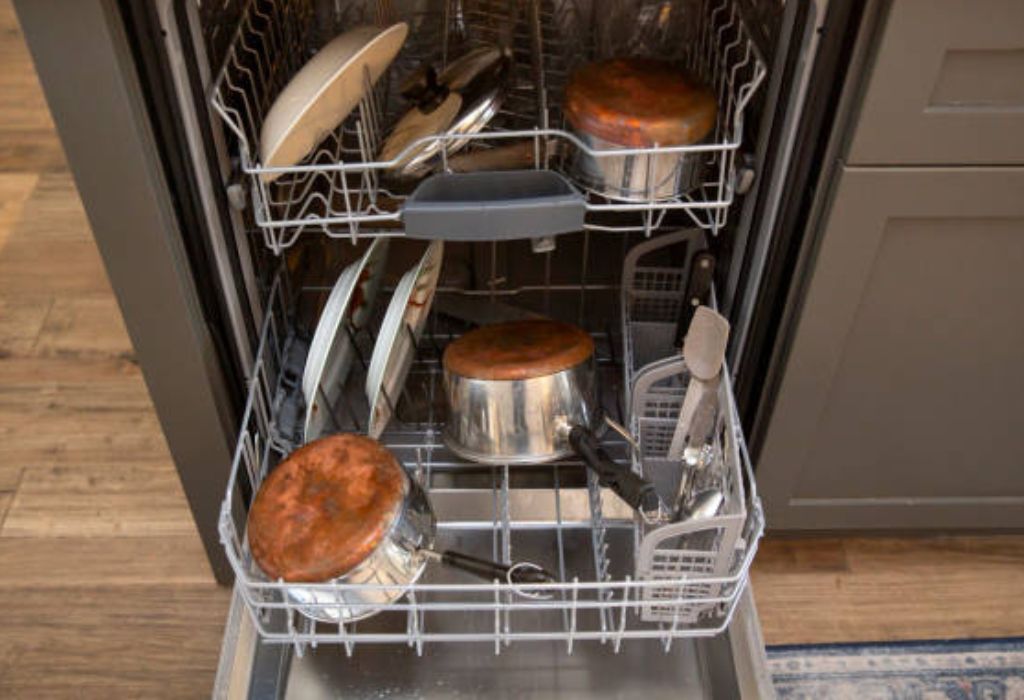
One common mistake is placing stainless steel pans on the bottom rack of the dishwasher. The bottom rack exposes them to extreme heat and strong detergent flow. This often leads to discoloration or spotting.
Another mistake is using abrasive scrubbers or harsh chemicals. These materials scratch the polished surface and create dull patches. Once scratched, stainless steel becomes more prone to stains.
Some users overload the dishwasher with too many pans or utensils. Overcrowding traps water and heat in certain spots. Uneven cleaning and heat damage often follow.
Mixing stainless steel with aluminum or cast iron in the dishwasher can cause chemical reactions. Contact between metals may create dark marks or transfer stains. Keeping them separate prevents these issues.
People sometimes wash stainless steel immediately after cooking without cooling it first. Placing hot pans into a hot dishwasher increases temperature shock. This may affect the finish.
Using high heat drying cycles is another mistake. These cycles intensify discoloration and spotting. Mild drying modes are safer.
Leaving detergent residue on the metal can cause long term dullness. Detergent that dries on the surface becomes difficult to remove. Proper rinsing avoids this problem.
Avoiding these mistakes preserves both the shine and durability of stainless steel. Good habits make cleaning safer and more effective.
Why does stainless steel discolor in the dishwasher?
High heat and minerals from hard water often cause rainbow marks.
Can stainless steel scratch in the dishwasher?
Yes, especially when rubbed against other metals.
Is bottom rack placement safe for stainless steel?
No, the bottom rack exposes it to the strongest heat.
Can detergent damage stainless steel pans?
Strong detergents may leave stains or dull spots.
Why should stainless steel cool before washing?
Cooling prevents heat shock and surface stress.
Can Stainless Steel Pans Warp, Discolor or Pit in Dishwashers
Stainless steel rarely warps from dishwasher heat, but poor handling can increase the risk. Sudden temperature changes may create slight surface tension. This tension sometimes appears as minor distortion.
Discoloration is a more common issue. Rainbow streaks or white spots appear due to mineral buildup or detergent reactions. These marks are cosmetic but affect the shine.
Pitting occurs when strong detergent meets high heat and minerals. Pitting looks like tiny dark or rough spots on the metal. This type of damage is permanent.
Stainless steel pans with aluminum cores are more likely to show discoloration. Aluminum reacts strongly to detergent and hot water. This reaction transfers marks to the steel.
Leaving pans in the dishwasher after the cycle ends increases the risk of discoloration. Steam condenses on the metal and leaves mineral deposits. Removing pans quickly prevents this.
Some pans have polished finishes that react differently to dishwasher heat. Polished surfaces show discoloration more easily than brushed finishes. Choosing mild cycles protects these surfaces.
Repeated exposure to intense cleaning cycles speeds up wear. Over time, the finish loses brightness. Safe washing habits slow this process.
Understanding these risks helps users protect their cookware. With proper care, stainless steel remains strong and visually appealing.
Best Cleaning Tips to Maintain Stainless Steel Shine
To maintain the shine of stainless steel pans, it helps to rinse them soon after cooking. Early rinsing removes food acids and oils that cause stains. This keeps the metal looking clean and polished.
Use mild dish soap and warm water for regular cleaning. Harsh detergents can dull the surface over time. Gentle soap protects the finish.
When handwashing, choose a soft sponge rather than a rough scrub pad. Abrasive pads scratch the surface and create dull marks. Soft materials preserve the pan’s natural shine.
Drying stainless steel pans immediately after washing prevents water spots. Water left on the surface dries into mineral stains. A soft cloth keeps the surface clear.
If stains appear, a paste of baking soda and water can lift discoloration. This mixture is safe and effective on stainless steel. Gentle scrubbing restores brightness.
For tougher rainbow stains, white vinegar works well. Vinegar breaks down mineral deposits that detergents leave behind. A short soak often brings back the original shine.
Stainless steel benefits from occasional polishing. Using a stainless steel cleaner enhances the reflective surface. This keeps the pan looking new.
Consistent care and gentle cleaning habits extend the lifespan of stainless steel pans. A little attention keeps them shining for years.
Troubleshooting When Stainless Steel Looks Damaged
If stainless steel pans develop white spots, hard water minerals are usually the cause. These minerals cling to the surface after washing. Vinegar removes these spots effectively.
Rainbow discoloration often appears after high heat dishwasher cycles. The heat reacts with minerals and detergent, creating colorful streaks. Mild cycles reduce this problem.
If the pan feels rough, detergent residue may be stuck on the surface. This residue builds up in layers and dulls the finish. Scrubbing with baking soda restores smoothness.
Dark marks often come from contact with aluminum or cast iron during washing. Metals transfer stains when they touch under high heat and pressure. Keeping pans separate prevents this.
If pitting occurs, it means the metal experienced strong chemical exposure. Pitting forms tiny holes that cannot be polished away. Avoiding harsh detergents prevents further damage.
Scratches happen when pans rub against utensils or heavy cookware. These marks collect residue and become more visible over time. Careful loading prevents scratch formation.
If the pan loses its shine completely, repeated high heat cycles may be to blame. Excessive heat breaks down the polished layer. Switching to gentle cycles helps preserve the finish.
Most stainless steel issues can be fixed with simple solutions. Recognizing the cause helps restore the metal’s appearance.
Why do stainless steel pans get rainbow stains?
High heat reacts with minerals and creates colorful streaks.
Can vinegar fix stainless steel discoloration?
Yes, vinegar removes mineral based stains.
What causes dark marks on stainless steel?
Contact with aluminum or cast iron during washing.
How do I remove white spots from stainless steel?
Hard water spots come off easily with vinegar.
Can pitting be repaired?
No, pitting is permanent damage and cannot be polished away.
How Often Should Stainless Steel Be Washed in the Dishwasher
Stainless steel pans can be washed in the dishwasher regularly as long as proper settings are used. Many households clean them daily without experiencing major issues. The key is controlling heat exposure.
Frequent washing is safe when mild cycles are used. Normal wash settings protect the finish and prevent discoloration. This routine keeps the pans clean and shiny.
If the pans develop rainbow stains or white spots, reducing dishwasher use may help. Alternating between dishwasher cycles and handwashing creates balance. This approach preserves the metal’s appearance.
Stainless steel pans used for heavy cooking should be rinsed before loading. Food residue dries quickly and becomes harder to remove during cycles. Pre rinsing avoids baked on marks.
Dishwashers in hard water areas may require more careful cleaning. Mineral buildup happens faster and affects the finish. Using a rinse aid helps reduce this problem.
High heat or sanitizing cycles should be avoided frequently. These cycles expose metal to extreme conditions and weaken its shine. Mild cycles extend the lifespan of the finish.
A balanced routine of dishwasher and handwashing works best. This combination supports both convenience and long term care. Thoughtful habits keep stainless steel pans in excellent condition.
Final Safety and Care Tips for Stainless Steel Pans
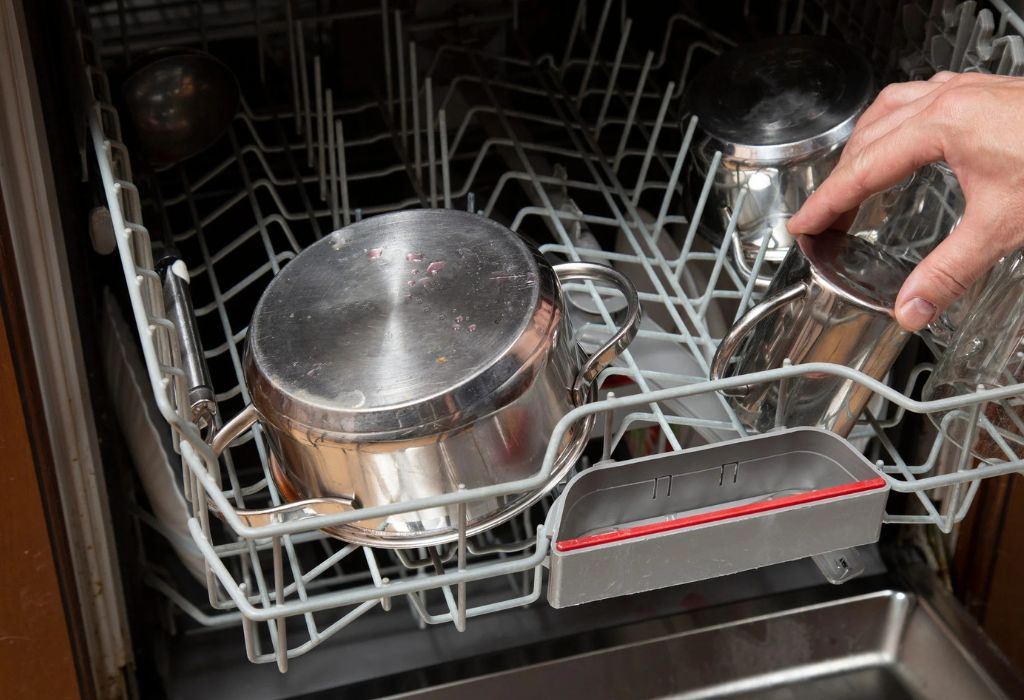
Always allow stainless steel pans to cool before placing them in the dishwasher. Sudden temperature changes increase stress on the metal. Gentle temperature transitions maintain durability.
Use only mild detergents when cleaning stainless steel. Harsh formulas increase spotting and discoloration. Gentle products protect the shiny surface.
Keep stainless steel pans away from heavy cookware during washing. Cast iron and aluminum react strongly under heat and pressure. Separation prevents staining and scratches.
Dry pans immediately after washing. Leaving them in a hot dishwasher traps steam on the surface. Steam creates mineral streaks and dullness over time.
Avoid steel wool or abrasive scrubbing pads. Rough materials scratch the polished finish and make stains more noticeable. Soft tools preserve smoothness.
Store stainless steel pans in a dry place. Moisture encourages spotting and can cause mineral buildup. Dry environments keep the metal clean.
Check the manufacturer’s instructions before washing. Different brands use different finishing techniques that react uniquely to heat and detergent. Following the correct guidelines protects the pan.
With proper care, stainless steel pans last for many years. Simple routines keep them strong, shiny and dependable for all cooking needs.
Conclusion
Stainless steel pans remain one of the most reliable choices for both home cooks and professionals because of their strength, versatility and long lasting performance.
Understanding how they react to dishwasher heat and detergent helps users protect their shine while enjoying easy cleaning.
When the right settings and placement are used, stainless steel can handle frequent washing without losing its durability.
Most issues people face come from temperature extremes rather than regular washing. Allowing pans to cool before cleaning and avoiding the hottest dishwasher cycles prevent discoloration, spotting and surface stress.
These small adjustments make a noticeable difference in maintaining long term quality.
Metal interactions also play an important role in dishwasher safety. Keeping stainless steel away from aluminum, cast iron and heavy cookware prevents chemical reactions and scratches that weaken the finish. Proper spacing and careful loading keep the pans safe throughout the cycle.
Consistent cleaning habits help stainless steel maintain its polished appearance. Mild detergents, soft cloths and prompt drying reduce mineral buildup and prevent dullness. With the right routine, the pans stay bright and smooth even after years of use.
By understanding the balance between heat, detergent and handling, users can confidently maintain their stainless steel pans without worrying about unwanted damage.
A few thoughtful practices ensure that these pans continue performing well during everyday cooking. With proper care, stainless steel remains a dependable and attractive part of the kitchen for many years.

I’m Emma J. Caldwell, the founder, lead writer, and home-cooking enthusiast behind KitchenGuideCo.com. With a background in culinary arts and over a decade of cooking experience in both professional and personal kitchens, I created this platform to demystify recipes, offer smart kitchen gadget reviews, and guide readers through meal prep with confidence and clarity.