Thermos bottles have been trusted for decades because they keep drinks hot or cold for hours, making them ideal for school, work, travel and outdoor adventures.
Many people use their Thermos daily and eventually wonder whether they can simply toss it in the dishwasher after a long day.
That quick decision often creates confusion because some people report warped lids, strange smells or reduced insulation after running their Thermos through a wash cycle.
Others assume that because the outside looks like stainless steel, the Thermos must handle high heat easily.
But insulation technology works differently from standard metal bottles, so dishwasher conditions can weaken internal components without showing obvious signs right away.
After noticing a Thermos that no longer keeps coffee hot or leaves water cold for as long as before, users begin searching for answers.
Dishwashers rely on extremely hot water, strong detergents and powerful spray pressure to clean dishes quickly. This combination works well for plates and utensils but interacts differently with the vacuum sealed structure inside a Thermos.
Understanding how this internal insulation responds to heat and steam helps explain why dishwasher cleaning becomes risky.
Some people worry about hygiene and want a cleaning method that removes stains, odors and bacteria completely.
Others question whether the rubber gasket, lid mechanism or paint coating can safely withstand the dishwasher environment.
Learning the correct cleaning method helps ensure your Thermos stays effective, odor free and long lasting.
Are Thermos Bottles Dishwasher Safe or Not
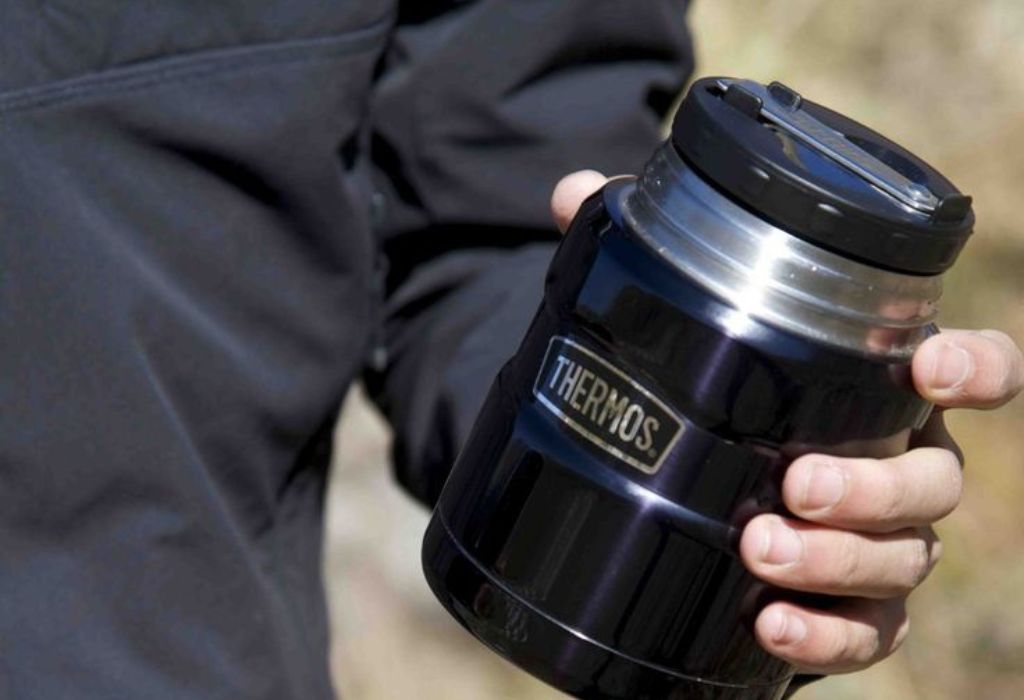
Most Thermos stainless steel bottles are not fully dishwasher safe, even though some lids or small parts may be. The main body usually contains a double wall vacuum seal that reacts poorly to extreme temperature changes inside dishwashers. This seal is sensitive and may lose pressure when exposed to intense heat.
Thermos bottles rely on carefully engineered insulation that must remain airtight. Dishwashers expose the bottle to cycles of hot spray, cold rinse and heated dry phases that cause rapid expansion and contraction.
These temperature swings weaken the insulation and reduce performance over time.
Some Thermos models have labels that say “top rack dishwasher safe,” but even then the company often recommends hand washing the stainless steel body.
Top rack safe usually refers to plastic lids or straws, not the insulated bottle itself. Checking your specific model helps avoid misunderstanding.
Models with painted or printed designs should never go into the dishwasher. Strong detergents and heat fade coatings and remove printed artwork quickly. Hand washing preserves appearance and durability.
If your Thermos has electronic components or sensors, those parts are never dishwasher safe. Electronics react strongly to moisture and fail quickly under hot steam. These designs require special cleaning instructions.
Thermos bottles made for kids often use BPA free plastic lids, which may survive top rack washing. However the insulated metal body still requires gentle cleaning. Following manufacturer care guidelines ensures long lasting performance.
Thermos brand and similar vacuum insulated bottles share similar construction across all versions. This design makes them durable but vulnerable to dishwasher damage. Hand washing remains the safest and most effective method.
How Dishwasher Heat Affects Thermos Vacuum Insulation
Dishwashers use hot water that reaches temperatures far above what insulated bottles are designed to withstand. This heat creates internal pressure between the double walls of the Thermos. When pressure rises too quickly, the vacuum seal begins to weaken.
The vacuum chamber inside the bottle cannot expand or contract as freely as the outer metal. Rapid temperature changes cause stress on the joining welds that hold the bottle structure together. Over time these stress points loosen and let heat transfer more easily.
The heated dry cycle is even more damaging because extremely hot air blows directly against the metal surface. This type of heat penetrates the outer wall and accelerates thermal expansion inside the chamber. When the bottle cools again, the contraction shifts internal alignment.
When the vacuum seal weakens, the Thermos loses its ability to maintain temperature. Drinks no longer stay hot for the expected number of hours. Cold liquids warm up faster and ice melts more quickly.
Small internal cracks or air leaks may form between the insulating layers. These gaps are nearly impossible to repair once they appear. Even premium Thermos models cannot withstand repeated dishwasher damage.
The combination of heat, moisture and pressure also affects internal coatings. Some Thermos designs include protective inner liners that deteriorate under stress. When the liner weakens, the taste of drinks may change.
Dish washers expose metal to repeated stress cycles in a short amount of time. This shortens insulation lifespan dramatically compared to gentle hand washing. Protecting the vacuum seal helps preserve original performance.
How Dishwashers Affect Thermos Lids, Gaskets and Straw Mechanisms
Thermos lids often include multiple parts such as seals, buttons and flip mechanisms. These parts are made from silicone or plastic that reacts differently to heat. Dishwashers expose them to temperatures that cause expansion and loss of flexibility.
Silicone gaskets provide leak proof sealing by fitting tightly inside the lid. When exposed to high heat repeatedly, these gaskets loosen and lose elasticity. A weakened gasket cannot maintain a proper seal, causing leaks.
Plastic buttons or latches inside Thermos lids often engage with small internal springs. Heat warps the plastic slightly and misaligns moving parts. This misalignment prevents smooth opening or closing of the lid.
Dishwasher detergents contain chemicals designed to remove grease aggressively. These chemicals strip protective layers off plastic surfaces and make them brittle. Once brittle, the lid is more likely to crack under pressure.
Straw mechanisms and sipping valves depend on narrow channels to move liquid efficiently. Hot water and steam can deform these channels and weaken internal joints. As a result the sipping function may fail or leak.
Moisture can become trapped inside lid components during the dishwasher cycle. This moisture encourages bacterial growth, especially in small crevices. Hand disassembly and washing provides superior sanitation.
Some Thermos lids have insulating parts of their own. These pieces should never be exposed to extreme heat because they lose insulating efficiency quickly. Protecting them ensures your Thermos stays leak proof and functional.
Which Thermos Parts Are Dishwasher Safe and Which Are Not
Most stainless steel Thermos bottles are not dishwasher safe. The insulated body must be washed by hand to preserve the vacuum seal. Exposing it to hot cycles causes long term performance issues.
Some lids may be top rack dishwasher safe depending on the model. These lids are built with plastics that tolerate moderate heat. However even top rack washing may shorten their lifespan.
Silicone gaskets used for leak proofing are usually safe for top rack cleaning. They tolerate heat better than plastic but still wear out faster in dishwashers. Gentle hand washing keeps them more flexible.
Straws made from BPA free plastic are generally safe for top rack placement. They withstand light heat but can warp under high temperature cycles. Hand washing ensures greater durability.
Decorated exterior surfaces such as printed designs or painted finishes are not dishwasher safe. Strong detergent erases the coating quickly. Hand washing preserves appearance.
Steel food jars and soup containers from Thermos often contain thicker insulation than bottles. These jars still cannot withstand dishwasher heat. Always check the bottom label for care instructions.
If your Thermos includes a lid with multiple internal components, disassembling it before washing is essential. Small parts may be dishwasher safe individually but not when assembled. Proper cleaning ensures hygiene and longevity.
Safest Ways to Clean a Thermos Bottle by Hand
Begin by filling the bottle halfway with warm water and adding a small amount of mild dish soap. This gentle mixture breaks down residue without affecting insulation. Swirl the water gently to coat the interior walls.
Use a bottle brush to reach the bottom and scrub gently. A long handled brush provides better access than a sponge. Soft bristles avoid scratching the interior coating.
Rinse the Thermos with warm water until all soap residue disappears. Soap film can affect the taste of beverages if left behind. Thorough rinsing ensures a clean and fresh interior.
For tough stains or odors, add a teaspoon of baking soda and warm water. Baking soda neutralizes strong smells from coffee, tea or broth. Let the mixture sit for several minutes before scrubbing.
White vinegar can help remove mineral deposits or discoloration. Pour a small amount into the Thermos and let it react with residue. Vinegar dissolves buildup without damaging the vacuum seal.
Dry the Thermos by leaving it upside down on a drying rack. Air circulation helps moisture escape from inside the bottle. Keeping the bottle open prevents trapped odors.
Avoid soaking Thermos bottles for long periods. Submerging them under water risks moisture slipping into seams. Short washing cycles protect insulation.
How to Clean Thermos Lids, Straws and Gaskets Properly
Start by disassembling the lid completely. Remove the gasket, straw, and any internal components. Cleaning each part separately ensures thorough sanitation.
Wash each piece with mild soap and warm water. Use a small cleaning brush to scrub narrow channels. This prevents buildup of old drink residue.
Rinse all parts under running water to remove soap. Soap trapped inside small crevices can affect taste. Clear rinsing keeps the lid fresh.
Dry each piece individually on a clean towel. Allowing proper drying prevents mold or odor from forming. Reassemble the lid only after all moisture has evaporated.
Check the silicone gasket regularly for signs of wear. A stretched or cracked gasket should be replaced. Proper sealing prevents leaks.
Inspect straw pieces for narrowing or warping. Heat or biting pressure can deform the tube. Replacing the straw ensures easy drinking.
Store lids uncovered to maintain airflow. Closed storage traps humidity inside components. Keeping them open prevents moisture problems.
Common Problems People Experience When Washing Thermos Bottles
One common issue is loss of insulation performance after dishwasher exposure. The bottle may no longer keep drinks hot or cold as long as before. This indicates weakening of the vacuum seal.
Smells or odors sometimes develop inside lids that were not disassembled properly. Small crevices trap moisture and residue. Complete disassembly helps eliminate these smells.
Paint peeling occurs when decorated bottles are washed in the dishwasher. The coating reacts with harsh detergent. Hand washing preserves color.
Warpage in straw lids happens due to heat exposure. Once warped the lid may no longer seal correctly. Replacement becomes necessary.
Some users notice internal stains that do not wash out easily. These stains result from coffee or tea tannins. Baking soda or vinegar helps remove discoloration.
A rattling noise inside the bottle often means the insulation has separated. This is a sign of vacuum failure. Replacement of the bottle becomes necessary.
Foamy residue inside the bottle occurs when too much soap is used. Excess soap interacts with leftover drinks. Rinsing thoroughly solves this problem.
Why Dishwashers Are Risky for Thermos Vacuum Insulated Bottles
Dishwashers expose Thermos bottles to repeated heat cycles that strain the vacuum seal. These rapid temperature changes weaken the welds holding the insulated layers together. Once weakened the bottle loses temperature retention.
The steam produced during the drying cycle penetrates small filter vents. This moisture may collect between insulation layers. Water trapped inside the vacuum section ruins the insulating effect permanently.
Dishwasher spray arms release high pressure water jets that strike the bottle surface. These jets increase stress on the outer wall. In older bottles the metal may dent easily.
Strong detergents break down internal coatings designed to protect beverages. These coatings may react and form metallic tastes in drinks. Hand washing preserves the inner layers better.
Dishwashers are designed for non insulated items. Insulated items experience far more stress because of the trapped air gap. This design makes them incompatible with dishwashers.
Heated drying cycles can reach temperatures far beyond what stainless steel insulation can handle safely. These cycles accelerate thermal expansion. Repeated expansion shortens bottle lifespan.
Dishwashers often place insulated bottles too close to heating elements. Direct heat exposure becomes extremely damaging. This can cause burn marks or warped metal.
How to Remove Stubborn Odors or Stains Inside a Thermos
Fill the Thermos with warm water and add one tablespoon of baking soda. Baking soda neutralizes deep odors trapped in the inner walls. Let it sit for at least fifteen minutes.
For stronger odors or coffee stains add equal parts vinegar and warm water. This mixture dissolves tannins and mineral buildup. A bubbling reaction helps clean hard to reach areas.
Shake the Thermos gently to distribute the cleaning solution evenly. Gentle swishing removes residue stuck along the base. Avoid shaking too hard to protect the insulation.
Use a bottle brush dipped in baking soda paste for tough stains. Scrubbing the interior lifts deep discoloration. This method revives appearance.
Rinse thoroughly with warm water after cleaning. Residual baking soda or vinegar affects drink taste. Clear rinsing ensures freshness.
Let the Thermos air dry upside down with the lid removed. Proper airflow eliminates lingering odors. Moisture trapped inside prolongs smell issues.
Repeat the process if odors remain. Some stains require multiple cycles. Consistent cleaning restores the Thermos completely.
How to Store a Thermos Properly After Cleaning
Storing a Thermos correctly helps preserve its insulation and prevents lingering odors. Many people simply close the lid tightly right after washing, but this traps moisture inside. Trapped moisture encourages bacterial growth and affects the freshness of the next drink.
Always dry the Thermos completely before storing it. Leaving it upside down on a rack helps water drain away from the base and inner walls. Proper drying ensures no odor or moisture remains stuck inside the bottle.
Keep the lid separate from the Thermos body during storage. Air circulation prevents humidity from collecting inside crevices of the lid components. This also reduces the risk of mold forming in hidden areas.
Make sure the silicone gasket is fully dry before storing. Gaskets hold moisture longer than plastic or metal because of their flexible texture. Drying them individually keeps the seal strong and odor free.
Store the Thermos with the cap loosely placed on top instead of fully tightened. This allows fresh air to enter and keeps the inside smelling clean. Tight closure should only be done when carrying liquids.
Avoid storing the Thermos near direct sunlight or high heat sources. Excessive heat damages the outer paint and weakens insulation over time. A cool, dry storage environment maintains long term performance.
Check the Thermos periodically if it is stored for long periods. Occasional airing keeps the interior fresh and ready for use. Small storage habits help sustain durability for years.
How to Load a Dishwasher Safely If You Must Wash Only the Lid
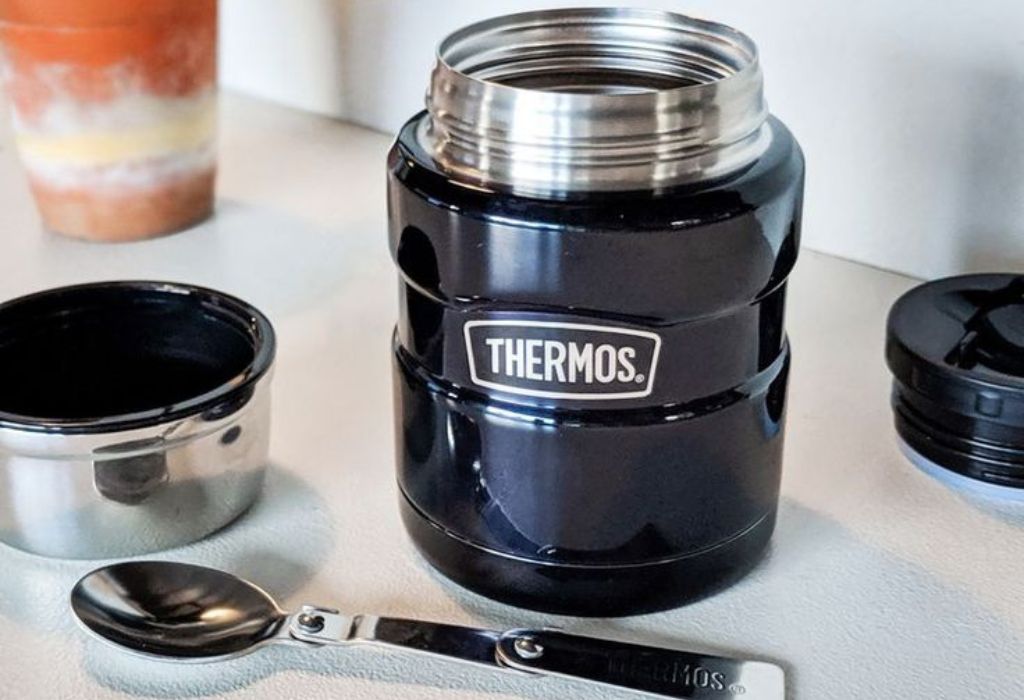
Place the lid on the top rack where heat exposure is lowest. The top rack receives softer water spray. This protects plastic components.
Ensure the lid is disassembled before loading. This allows water to reach all interior parts. Attached components remain partially dirty.
Avoid placing the lid near the heating element. Excessive heat causes deformation. Keep lids far from high heat zones.
Load gaskets in a small dishwasher basket to prevent loss. These pieces float easily during washing. Containing them avoids misplacement.
Choose a gentle or low temperature cycle. These cycles reduce risk to plastic components. A milder wash helps the lid last longer.
Use less detergent than usual to avoid harsh chemical exposure. Lids require minimal cleaners. Gentle soap preserves surface quality.
Allow the lid to dry fully before reassembly. Air drying prevents trapped moisture. Moisture leads to odor formation.
How to Know When It’s Time to Replace a Thermos Bottle
A Thermos bottle that no longer keeps beverages hot or cold for long periods is showing early signs of insulation failure. If drinks lose temperature noticeably faster, the vacuum seal may be compromised. This is the most common indicator of internal damage.
Inspect the interior for rust spots or discoloration. Rust suggests coating breakdown or exposure to moisture inside the insulated area. Continued use may affect drink taste and safety.
If the bottle rattles when shaken, the inner wall may have detached from the outer layer. This means the vacuum insulation is no longer intact. A detached wall cannot be repaired and requires replacement.
Check for persistent odors that remain even after deep cleaning. When smells linger, internal residue or trapped moisture may be present between insulation layers. This is another sign of compromised structure.
Leaks around the lid area often occur when gaskets lose elasticity or the lid no longer seals tightly. Although gaskets can be replaced, repeated leaks suggest long term wear on the lid design. Persistent leakage affects daily usability.
Visible dents or strong impacts can damage the inner vacuum chamber. Even if the outside looks fine, the insulation inside may be affected. Once the chamber collapses, performance drops significantly.
If the Thermos coating begins peeling or flaking, it indicates heat or detergent damage. Damaged coating can contaminate drinks or reduce bottle lifespan. When multiple signs appear together, replacing the Thermos is the safest option.
Important Thermos Care and Maintenance FAQs
Can you put a Thermos bottle in the dishwasher
No the insulated body should not be placed in the dishwasher because heat damages the vacuum seal.
Are Thermos lids dishwasher safe
Some lids are top rack safe but hand washing extends their lifespan.
Why did my Thermos stop keeping drinks hot
The vacuum insulation is likely damaged, often due to dishwasher exposure.
Can I wash a Thermos with boiling water
You can pour hot water inside but avoid extreme shocks that stress insulation.
Why does my Thermos smell even after washing
Lids often trap residue in hidden parts that require full disassembly.
Can I clean a Thermos with bleach
Bleach is not recommended because it damages coatings and leaves strong odors.
How do I remove coffee stains from a Thermos
Use baking soda, vinegar or warm water soaking to remove deep stains.
Do Thermos straws warp in dishwashers
Yes high heat softens plastic and causes warping.
Why is my Thermos lid leaking
The silicone gasket may be worn or stretched and needs replacement.
Can freezing damage a Thermos
Yes freezing expands liquid inside and can break the insulation.
Conclusion
Thermos bottles offer reliable insulation, strong durability and long lasting temperature control, but they perform best when cared for properly.
Dishwashers expose the vacuum sealed structure to heat, pressure and strong detergent that weaken the insulation and reduce performance over time.
Understanding how the internal layers respond to these harsh conditions helps users protect their Thermos investment.
Cleaning a Thermos by hand keeps the insulation intact, preserves the taste of beverages and extends the life of the bottle. Lids, gaskets and straws also last longer when washed gently and disassembled before cleaning.
Regular maintenance prevents odors, stains and leaks while keeping the Thermos safe for everyday use.
Once proper cleaning becomes part of the routine, Thermos bottles remain reliable companions for school, work and travel. Hand washing ensures strong insulation and fresh taste every time. With the right care your Thermos continues to perform with the same quality you expect.

I’m Emma J. Caldwell, the founder, lead writer, and home-cooking enthusiast behind KitchenGuideCo.com. With a background in culinary arts and over a decade of cooking experience in both professional and personal kitchens, I created this platform to demystify recipes, offer smart kitchen gadget reviews, and guide readers through meal prep with confidence and clarity.