A sticky smoothie jar sitting in the sink after breakfast can feel like a battle waiting to happen. Many owners reach this moment and ask the same question: are Vitamix blenders dishwasher safe, or is there a better way to clean them?
High-performance blenders like Vitamix are built for power, but cleaning them incorrectly can shorten their lifespan or cause damage to parts.
The challenge lies in balancing convenience with care. Tossing the container into the dishwasher might save a few minutes, but it could also lead to clouded plastic, worn seals, or loose blades over time.
Vitamix has long promoted a “self-clean” method that takes less than a minute. Yet, with modern models boasting dishwasher-safe containers, confusion has grown among users who want both speed and safety.
According to Consumer Reports, over 65% of blender owners use their appliance daily or weekly, making efficient cleaning a top priority for households.
The global market for high-performance blenders is also booming, expected to reach $3.8 billion by 2027 as more consumers embrace health-driven lifestyles and at-home smoothie preparation. With more frequent use comes the growing need to understand proper maintenance.
What “Dishwasher-Safe” Really Means for Vitamix
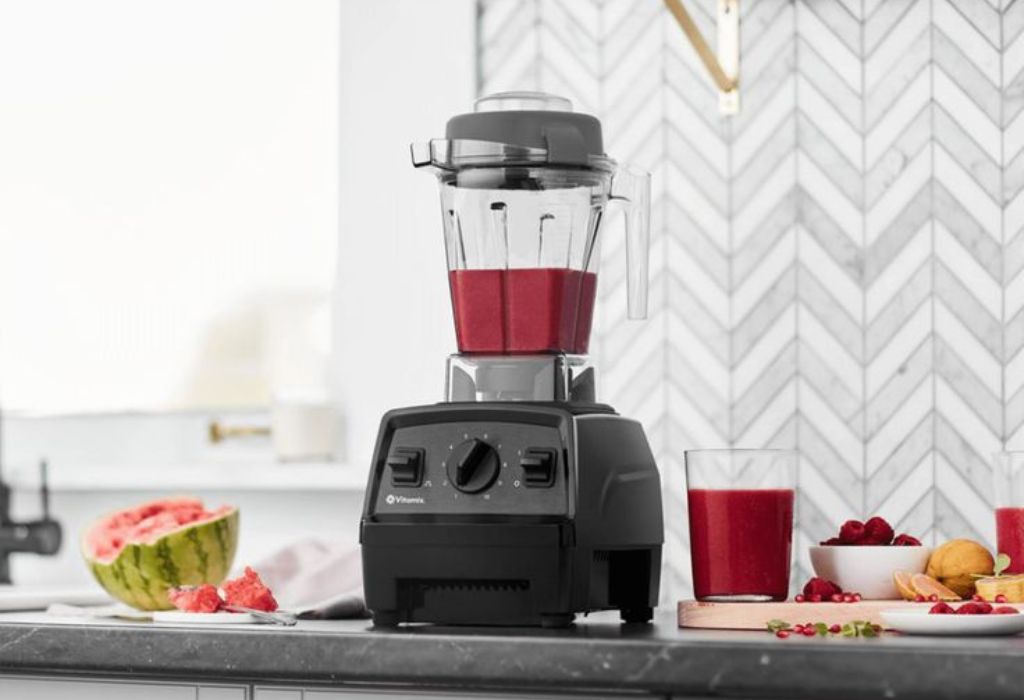
The phrase dishwasher-safe often sounds like a simple green light to toss everything into the machine and walk away. But when it comes to high-performance appliances like Vitamix, the term carries more nuance than most users realize.
A blender container faces heat, pressure, and detergent exposure during each wash cycle. While some Vitamix jars can withstand these conditions, others may gradually lose clarity, weaken around seals, or warp from repeated high-heat cycles.
The company’s official stance is clear: some containers are dishwasher-safe, but always check your model’s manual first.
“Top-rack only” is the key phrase in Vitamix’s care instructions. The top rack limits exposure to the heating element, keeping both the Tritan plastic and rubber gaskets safe from excessive heat.
Skipping this guidance might not cause immediate damage, but over time it can shorten the container’s lifespan or cause leakage during blending.
Detergents also play a hidden role. Strong alkaline soaps can dull the surface of Tritan plastic, leading to the cloudy, frosted look that many users mistake for scratches. For that reason, low-heat, gentle cycles are best when dishwashing is preferred.
Are Vitamix blenders dishwasher safe for all parts?
Not all parts are safe. Each Vitamix series varies, so always follow the container-specific manual.
What does top-rack only mean?
It prevents high-heat exposure that can warp or crack plastic containers and damage seals.
Can heat-dry or sanitize cycles damage jars?
Yes. High heat can distort Tritan plastic and wear down the rubber gaskets over time.
Is the blade base removable for dishwasher cleaning?
No. Most Vitamix containers have fixed blades that should not be disassembled for cleaning.
When is hand or self-cleaning a better option?
When cleaning is frequent or the blender has sticky residues, self-cleaning protects both the clarity and longevity of the container.
Model-by-Model: Which Vitamix Jars Are Dishwasher-Safe
Not every Vitamix container is built the same. The brand offers multiple series—Classic, Explorian, Ascent, and Stainless—each designed with different materials, blade assemblies, and cleaning recommendations.
Understanding these differences is the key to safely answering whether Vitamix blenders are dishwasher safe for your specific model.
Classic Series
The Classic line, which includes the 64-ounce tall and low-profile pitchers, was not originally designed for dishwasher use.
These containers use durable Tritan plastic but are best maintained through Vitamix’s self-clean cycle to prevent warping or hazing. Hand washing or self-cleaning preserves their clarity and seals.
Explorian Series (E310 & E320)
Explorian models are often labeled as top-rack dishwasher-safe, though Vitamix still recommends the self-clean method for daily maintenance.
The E310’s 48-ounce container can safely go on the top rack during occasional deep cleaning. However, frequent dishwasher exposure may still cause clouding over time.
Ascent and Venturist Series
The Ascent and Venturist lines include modern features such as smart sensors and personal cups. The 20-ounce and 8-ounce blending cups in these models are top-rack dishwasher-safe, but users should avoid high-heat cycles to protect the blades and gaskets.
Some earlier 8-ounce blade bases were recalled, so checking the serial number before dishwashing is recommended.
Stainless-Steel Container
The 48-ounce stainless-steel container is fully dishwasher-safe and does not suffer from clouding like Tritan models. It’s ideal for users who prefer quick dishwasher cleaning without long-term wear or discoloration.
Are Vitamix blenders dishwasher safe across all Classic jars?
No. Classic containers should be hand-cleaned or self-cleaned to maintain durability.
Are Vitamix blenders dishwasher safe for the Explorian E310?
Yes, but only on the top rack. Occasional cleaning is fine, but frequent dishwashing can cause cloudiness.
Are Ascent and Venturist cups dishwasher safe?
Yes. Most are top-rack safe, but confirm your blade base is not part of the recall.
Is the stainless-steel 48-ounce container dishwasher safe?
Yes. It is fully dishwasher safe and resistant to stains or odor buildup.
Do lids and tampers go in the dishwasher?
Usually yes. Most are top-rack safe, but always verify with your container’s user manual.
The Case for Self-Clean: Fast, Safe, and Gentle
While many users wonder are Vitamix blenders dishwasher safe, the truth is that most cleaning needs can be handled faster—and more safely—through the built-in self-cleaning function.
Vitamix designed this feature to protect the container’s clarity, maintain the blade assembly, and reduce wear caused by high-heat dishwasher cycles.
The process is simple: fill the container halfway with warm water, add a few drops of dish soap, secure the lid, and run the blender on high for 30–60 seconds. Rinse and air-dry afterward.
This quick method removes residue from smoothies, nut butter, or soups without exposing the container to the extreme heat and detergent of a dishwasher.
According to Vitamix’s official guide, self-cleaning after every use is the safest and most effective way to maintain the container’s lifespan.
The self-clean cycle also minimizes risk to the Tritan plastic, which can develop haze or micro-scratches from frequent dishwasher use. It ensures that rubber gaskets, seals, and blades remain intact for years, even with daily blending.
Is self-clean faster than using the dishwasher?
Yes. The self-clean cycle takes less than a minute, compared to a dishwasher’s average of 60–90 minutes.
Does self-cleaning protect Tritan clarity?
Yes. It prevents heat and chemical exposure that cause fogging and discoloration.
How to handle sticky residues like nut butter or sauces?
Soak with warm soapy water for 10 minutes, then run the self-clean cycle again for a spotless finish.
Will dishwasher cleaning dull or damage the blades?
Vitamix blades are blunt by design, but high-heat dishwasher cycles can weaken their seals over time.
Can vinegar or baking soda improve cleaning?
Yes. Vinegar removes lingering odors, while a mild baking soda solution clears residue buildup safely.
Risks of the Dishwasher: Clouding, Warping, and Gasket Wear
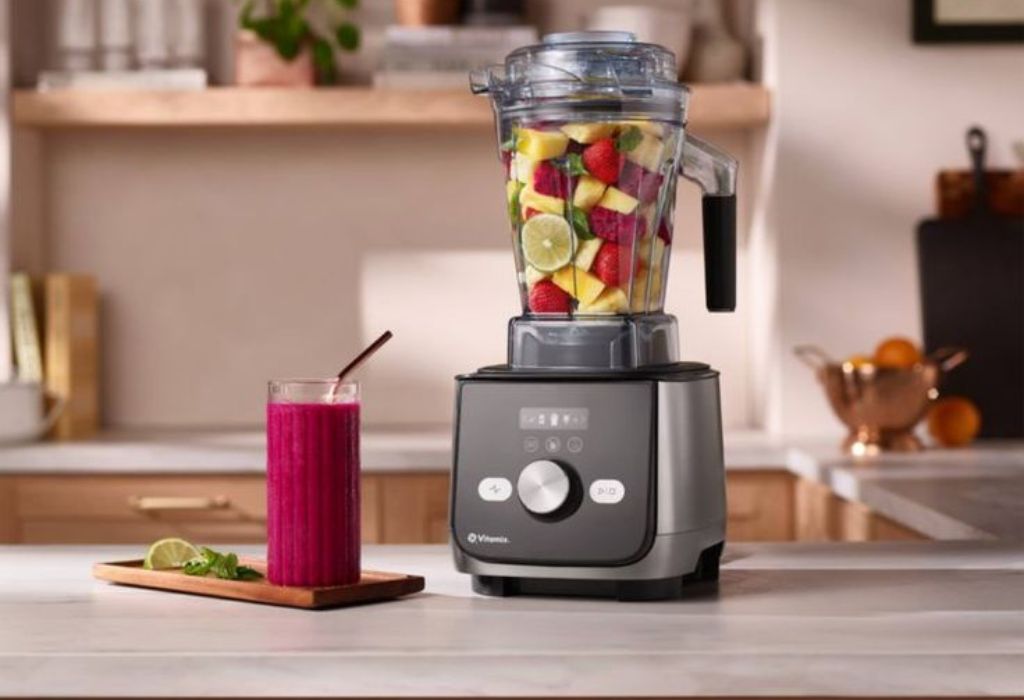
Although the dishwasher may seem like a convenient option, it comes with hidden costs for long-term durability.
Many users ask are Vitamix blenders dishwasher safe because they want faster cleanup, but repeated exposure to high heat, harsh detergents, and pressure jets can shorten the lifespan of both plastic and mechanical components.
The most common issue is clouding or hazing of the Tritan plastic container. Strong detergents and high-temperature drying cycles cause micro-etching on the surface, leading to a dull, frosted appearance that no polishing can reverse.
According to Vitamix’s official recommendations, this damage doesn’t affect performance but can make the container look aged prematurely.
Another long-term concern is warping. Lower parts of a dishwasher reach temperatures above 150°F during the drying cycle, which can slightly distort plastic containers, especially if placed near the heating element. Even small warps can prevent the lid from sealing properly or cause leaks during blending.
Gasket and seal wear are subtler but equally important. Rubber components can dry out or crack from repeated dishwasher exposure, reducing the tight seal between the blades and base. This can lead to noise, vibration, or minor leakage during high-speed blending.
Why does my container look cloudy after dishwashing?
High heat and detergent chemicals can etch the Tritan plastic, leaving a permanent haze.
Can the dishwasher loosen the blade assembly?
Yes. Continuous heat cycles can weaken the rubber gasket that seals the blade base.
Is the stainless-steel container safe from clouding?
Yes. Stainless steel resists heat and detergent damage, staying clear and odor-free over time.
What dishwasher settings are safest?
Use top-rack placement, an eco or low-heat wash, and disable the heat-dry setting.
How often can I safely use the dishwasher?
Occasional cleaning is fine, but for daily use, self-cleaning is the safest and longest-lasting option.
Daily Cleaning Playbook (Home & Café Workflows)
Keeping a Vitamix blender in top condition requires consistent cleaning habits that match how often it’s used. Whether blending a quick breakfast smoothie at home or prepping sauces in a café, knowing the right routine helps preserve performance and appearance for years.
For home use, the daily goal is speed and safety. After every blend, rinse the container immediately with warm water to prevent food from drying along the walls or blades.
Then run the self-clean cycle with a drop of dish soap for 30–60 seconds, rinse again, and leave the lid off to air-dry completely. This quick habit eliminates residue, prevents odors, and protects against mold growth near the lid gasket.
In light commercial or café settings, maintenance needs are more frequent. Between uses, rinse with warm water to remove debris, and every few hours, run a self-clean cycle to keep the blades sharp and the jar clear.
At closing, disassemble removable parts like lids and tampers, and wash them with mild soap before allowing them to air-dry overnight.
A monthly deep clean helps remove build-up from oily or fibrous ingredients. Use a mixture of warm water and baking soda or white vinegar to soak the container for 15 minutes, then rinse thoroughly.
What’s the best quick-clean method after smoothies?
Fill the jar halfway with warm water and a drop of dish soap, blend on high for 30 seconds, then rinse.
How can I remove turmeric or berry stains?
Create a paste using baking soda and water or soak with diluted vinegar for 15 minutes.
How do I prevent bad odors inside the container?
Rinse immediately after use, leave the lid off for air circulation, and use vinegar once a week.
When should I use the dishwasher instead of self-clean?
Only when there’s heavy grease or thick buildup that self-cleaning can’t remove.
Should the blades ever be scrubbed manually?
Only with a long-handled soft brush for safety. Never use abrasive pads that could scratch the container.
Model Shopping Guide: Cleaning Convenience as a Feature
For many buyers, the decision about which Vitamix to purchase now includes one more consideration: cleaning convenience.
Beyond horsepower and blending performance, customers increasingly ask are Vitamix blenders dishwasher safe and which models are easiest to maintain.
Understanding how cleaning features differ among models helps buyers choose the right fit for their lifestyle or workspace.
Modern Ascent and Venturist series blenders feature smart technology and dishwasher-safe cups, making them ideal for users who prefer quick top-rack cleaning. These containers are designed to endure low-heat dishwasher cycles and are made from BPA-free Tritan plastic.
The stainless-steel 48-ounce container, meanwhile, stands out as the most dishwasher-resistant option, unaffected by heat or discoloration over time.
For classic models like the 5200 or Professional Series 750, the self-clean cycle remains the most reliable method.
While some owners report occasional dishwasher use without issues, Vitamix officially recommends manual or self-cleaning to preserve clarity and prevent gasket wear.
The Explorian Series sits somewhere in between—its 48-ounce jar is top-rack dishwasher-safe, but frequent dishwashing can still cloud the plastic over time.
Warranties also matter. While Vitamix’s generous warranties cover manufacturing defects, dishwasher-related damage may not be included, so following the cleaning guide for your specific container ensures long-term protection.
Which Vitamix model is easiest to clean?
The stainless-steel 48-ounce container is fully dishwasher-safe and resists odor or staining.
Do self-cleaning presets make a difference?
Yes. Models with a dedicated cleaning mode automate the process for faster, safer maintenance.
Are replacement lids and gaskets easy to find?
Yes. Vitamix sells genuine parts and accessories through its official website and major retailers.
Does the warranty cover dishwasher-related damage?
No. Using non-recommended cleaning methods may void warranty protection.
Are refurbished Vitamix blenders dishwasher safe?
Only if the included container is a dishwasher-safe model. The status depends on the container, not whether the blender is refurbished.
Safety Notices and Recalls to Know
Before assuming every Vitamix part is safe for the dishwasher, it’s essential to understand a few official safety updates and recalls that affect certain containers and accessories.
These notices not only ensure safer operation but also guide how and when to clean your Vitamix properly.
In 2025, Vitamix announced a recall for specific Ascent and Venturist 8-ounce and 20-ounce blending cups and bowls due to a potential laceration hazard. The issue involved the blade base, which could separate from the container during blending, posing a safety risk.
Consumers were instructed to stop using these parts immediately and contact Vitamix for free repair or replacement.
This recall does not mean all smaller Vitamix cups are unsafe or non-dishwasher-safe. It only applies to specific production batches identified by serial numbers.
However, it highlights the importance of checking each component before cleaning or using a dishwasher, since excessive heat can worsen damage to compromised parts.
Following these notices ensures that daily cleaning remains effective and safe. Any recalled or repaired parts should be cleaned only according to the updated manufacturer instructions provided with replacements.
Is my Vitamix cup or bowl affected by the recall?
Check the model and serial number on the base and confirm with the official recall list.
Can I still wash recalled parts in the dishwasher?
No. Stop using the affected parts and follow the recall instructions immediately.
Does the recall affect all Ascent or Venturist containers?
No. Only certain 8-ounce and 20-ounce cups and bowls were recalled.
Where can I verify my container’s safety status?
Visit the official Vitamix recall page or contact Vitamix customer service for confirmation.
Are Vitamix blenders dishwasher safe after repair or replacement?
Yes. Once repaired or replaced, parts can be cleaned according to the updated manual instructions.
FAQs in Context — Quick Answers to Real-World Doubts
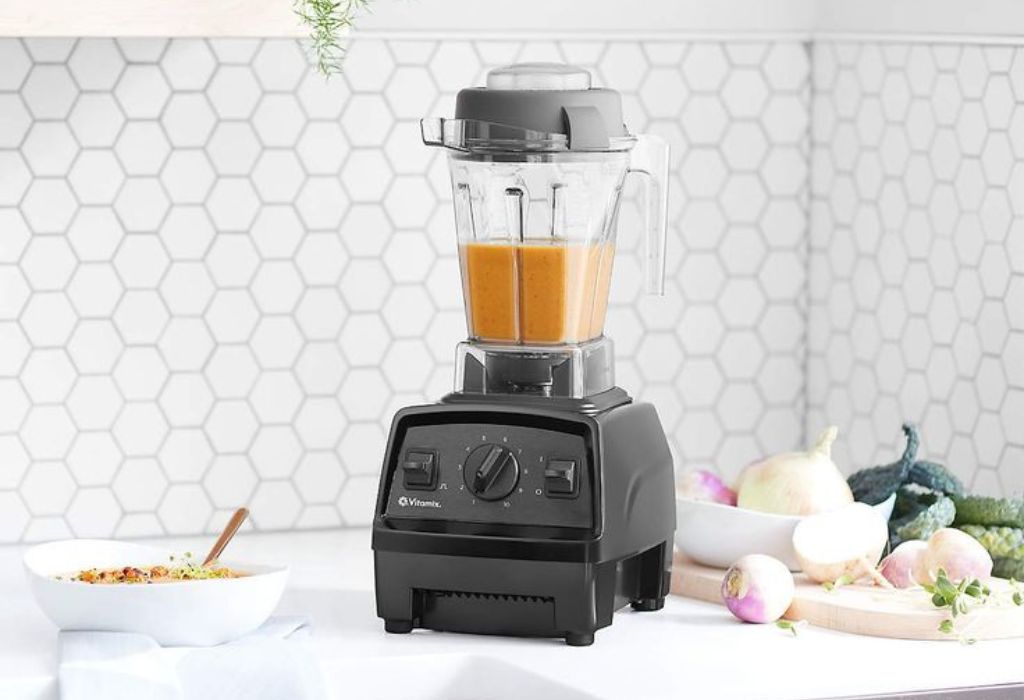
When it comes to cleaning, Vitamix owners often share the same concerns. To help you decide confidently, here are concise answers to the most frequently asked questions about whether Vitamix blenders are dishwasher safe and how to keep them performing like new.
Are Vitamix blenders dishwasher safe or is self-clean better?
Most containers are top-rack dishwasher safe, but the self-clean method is faster, gentler, and recommended for daily use.
Will putting my Vitamix in the dishwasher void the warranty?
It depends on the model. Damage from improper cleaning, such as warping or seal wear, may not be covered.
Why do some sites say yes and others say no?
Because “dishwasher-safe” varies by container. Classic and older models are not dishwasher safe, while newer stainless and Ascent jars are.
Do professional reviewers recommend dishwasher cleaning?
Testing sites like RTINGS and Consumer Reports list some models as dishwasher safe but still favor self-cleaning for preserving clarity and gaskets.
How can I keep the container crystal clear long-term?
Rinse immediately after use, avoid high-heat cycles, and use vinegar or baking soda soaks to remove haze.
Can all Vitamix accessories go in the dishwasher?
Lids, tampers, and smaller cups are often top-rack safe, but always verify through the user manual before washing.
Is stainless steel a better option for easy cleaning?
Yes. The stainless 48-ounce jar resists stains, odors, and detergent damage, making it the best dishwasher-safe option for long-term use.
These quick answers give owners a clear understanding of how to clean safely without damaging their machine — and help ensure their Vitamix continues blending like new for years.
Conclusion
So, are Vitamix blenders dishwasher safe for daily cleaning? The answer depends on the model, materials, and how often the blender is cleaned.
While many containers are labeled as top-rack dishwasher-safe, Vitamix’s own guidance still prioritizes the self-clean cycle as the safest and most efficient method for long-term maintenance.
For Classic and Explorian series users, self-cleaning is the best way to preserve the container’s clarity and prevent gasket wear.
For Ascent and Venturist owners, top-rack dishwasher use is allowed on smaller 8-ounce and 20-ounce cups—provided they are not part of the recalled batches.
Meanwhile, the stainless-steel 48-ounce container remains the most durable and dishwasher-friendly option for daily use.
Long-term performance relies on more than just convenience. Repeated exposure to heat, detergent, and pressure can slowly wear down seals, cloud Tritan plastic, and affect blade stability.
Using the self-clean function after every blend keeps parts in excellent condition and reduces the risk of heat-related damage.
Ultimately, the best cleaning method blends efficiency with care. Occasional dishwasher cleaning is fine, but the self-clean cycle remains the ideal balance of speed, safety, and preservation.
Those seeking an easy-clean option can invest in stainless or newer models specifically rated for dishwasher use.

I’m Emma J. Caldwell, the founder, lead writer, and home-cooking enthusiast behind KitchenGuideCo.com. With a background in culinary arts and over a decade of cooking experience in both professional and personal kitchens, I created this platform to demystify recipes, offer smart kitchen gadget reviews, and guide readers through meal prep with confidence and clarity.