Many people rely on their Yeti cups every day for hot coffee in the morning and cold water throughout the afternoon. With such heavy use, the task of cleaning them quickly becomes part of the daily routine.
This is when the big question appears, and people wonder whether putting the cup in the dishwasher is truly safe.
Some people believe stainless steel drinkware should never go near high heat or strong detergents. Others claim their Yeti cup has survived hundreds of dishwasher cycles without any noticeable change.
These mixed experiences create confusion, especially for people who want to protect an expensive tumbler from damage.
Imagine finishing a long day and placing your Yeti cup in the dishwasher to save time. The next morning, you pull it out hoping for a spotless and fresh cup ready for new drinks.
But a small doubt always lingers about whether the dishwasher might slowly wear down the finish or damage the gasket.
Yeti cups are known for their durability, and the brand itself claims they are built for rough use. Even so, many people still feel uncertain about how stainless steel, powder coatings and lids respond to dishwashers.
Understanding how modern dishwashers interact with these materials removes that uncertainty.
This guide explains everything you need to know about washing Yeti cups safely in a dishwasher. From official brand recommendations to real world issues like spotting and gasket cleaning, each section provides clear and practical information.
By the end, you will know exactly how to clean your Yeti cup without fear of damaging it, no matter how often you use it.
WHY PEOPLE ASK WHETHER YETI CUPS ARE DISHWASHER SAFE
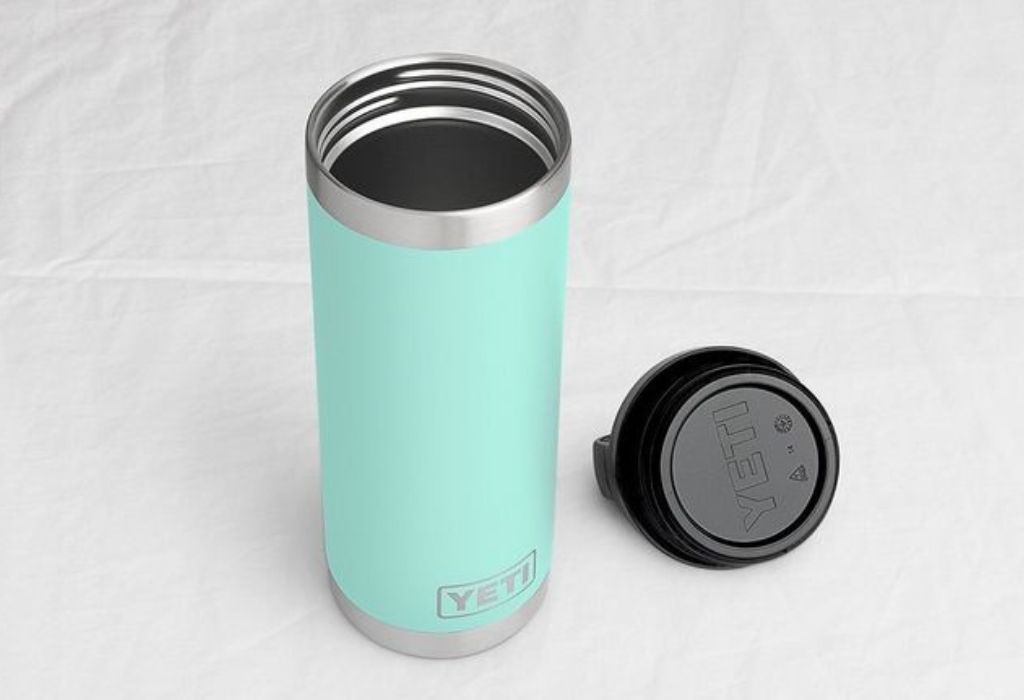
Many people use their Yeti cups every single day for morning coffee, iced water or energy drinks. With that kind of daily use, cleaning becomes repetitive and time consuming. This makes the dishwasher the most tempting shortcut for convenience.
A lot of people have owned cheap stainless steel tumblers in the past that turned dull after dishwashing. Seeing those older cups lose shine or develop spots makes them wonder if a premium Yeti might suffer the same fate. This past experience creates hesitation before placing the cup in the dishwasher.
Some users also worry about the powder coat exterior. They think harsh dishwasher heat might cause peeling or fading. This makes them extra cautious because the exterior look of a Yeti cup is part of its appeal.
The lid and gasket system brings additional confusion. Lids contain tight spaces, hidden corners and small rubber parts that can trap moisture. People wonder if the dishwasher can properly clean these tiny areas without damaging anything.
Conflicting online opinions make it harder to decide. Some people say their Yeti cups survive dishwasher cleaning for years, while others claim small problems appeared after repeated cycles. These mixed experiences create doubt for new users.
Taste and odor play a big role too. If dishwasher detergents leave behind any residue or scent, it could affect the taste of the next drink. This makes users want clear and reliable cleaning recommendations.
Overall, the question exists because people want convenience without risking damage. Yeti cups are an investment, so owners want to be sure they clean them the safest way possible. This makes understanding the truth very important.
WHAT YETI SAYS ABOUT DISHWASHER SAFETY
Yeti has officially confirmed that their stainless steel drinkware is dishwasher safe. They use high grade 18/8 stainless steel that remains stable under high temperatures. This allows the cup to go through many dishwasher cycles without structural damage.
The powder coat finish is strong and bonded tightly to the steel. Yeti specifically designs the coating to resist peeling and fading during everyday use. Dishwasher testing is part of their manufacturing process to ensure durability.
The brand clearly recommends removing lids before washing. Lids include small moving parts such as sliders and vents that need extra cleaning. Removing them ensures every part gets rinsed properly.
Yeti advises taking the gasket off the lid before washing. Gaskets can trap moisture and bacteria under the rubber ring. Cleaning them separately improves hygiene and keeps odors away.
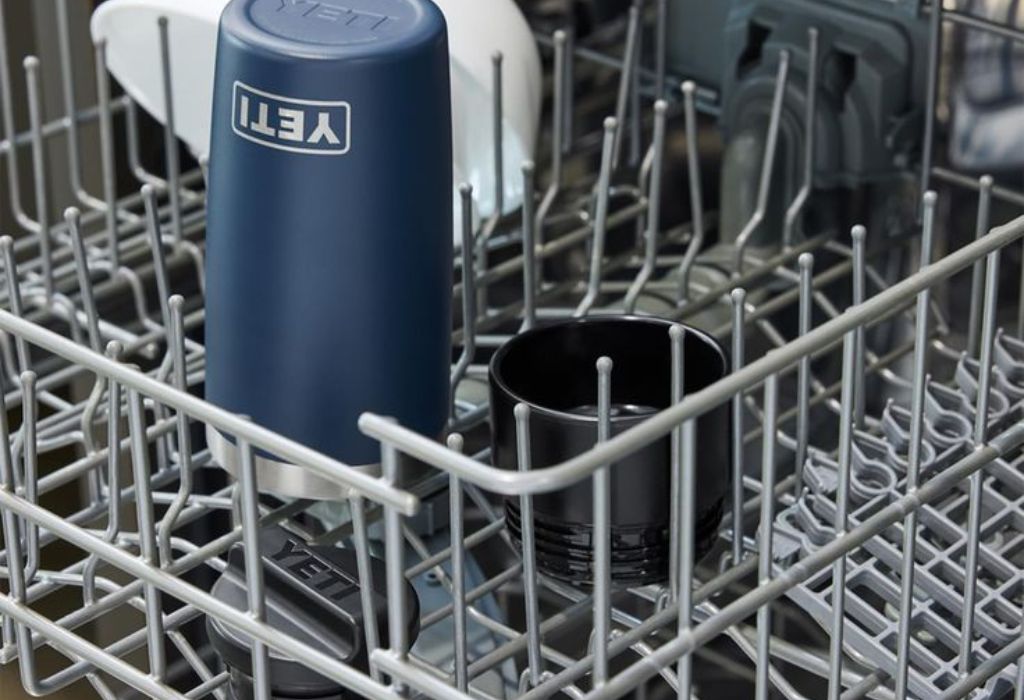
Lids should be placed on the top rack for protection. The top rack exposes them to gentler heat and softer spray pressure. This helps keep the lid shape stable.
The stainless steel cup itself can safely stay on the bottom rack. The steel material can easily handle heat from the bottom. This placement ensures strong water flow for deeper cleaning.
By following Yeti’s own instructions, users protect both durability and appearance. The manufacturer’s testing gives confidence that dishwasher use is safe for long term daily cleaning. This official guidance removes much of the uncertainty users feel.
HOW DISHWASHERS AFFECT STAINLESS STEEL DRINKWARE
Dishwashers rely on a combination of heat, water pressure and detergent. Stainless steel interacts differently with these elements compared to plastic or glass. Yeti cups use high quality steel that handles these conditions extremely well.
High dishwasher heat does not warp stainless steel. This material is designed to maintain shape even under strong temperature changes. This makes the cup itself resistant to heat damage.
Detergents can sometimes dull lower quality metals. Cheap steel may lose shine or develop dull spots after exposure. Yeti’s premium steel resists this effect and maintains a clean surface.
Hard water creates mineral spots on stainless steel. These appear as small white marks that sit on the surface. They are harmless but may look unattractive if not cleaned.
The heat drying cycle can leave streaks. If water evaporates quickly, minerals dry on the surface. Wiping or rinsing helps maintain a clean look.
Rubber gaskets respond differently to heat. High heat may shorten the lifespan of rubber over time. Washing gaskets separately helps them last longer.
Powder coat finishes are designed for high durability. They stay bonded even after many dishwasher cycles. This helps keep the cup looking new.
Overall, dishwashers impact appearance more than structure. With proper care, stainless steel drinkware remains strong and reliable for years. Yeti cups are designed to withstand this environment safely.
HOW TO SAFELY Wash Yeti CUPS IN THE DISHWASHER
Start by removing the lid from the cup completely. The lid contains several parts that require separate cleaning. This helps avoid hidden buildup.
Take the gasket off the lid before washing. The gasket can trap dirt underneath, especially after long use. Removing it ensures a more thorough cleaning.
Place the stainless steel cup on the bottom rack. It handles bottom rack heat and strong water pressure easily. This placement also helps remove any beverage residue inside.
Put the lid on the top rack. The top rack gives gentler heat exposure. This prevents warping or damage to small lid components.
Use mild dishwasher detergent. Strong or heavily scented detergents may leave behind smells. Mild formulas keep your next drink tasting fresh.
Select a normal or sanitize wash cycle. These cycles clean well without excessive stress on the parts. Sanitizing helps keep drinkware more hygienic.
Let the cup, gasket and lid dry completely. Moisture trapped inside lid components causes odor over time. Air drying is the safest way to avoid this.
COMMON MISTAKES PEOPLE MAKE WHEN DISHWASHING YETI CUPS
One common mistake is leaving the gasket attached during cleaning. Dirt gets trapped beneath it and creates a bad smell later. Cleaning the gasket separately prevents this.
Some users place the lid on the bottom rack. Strong heat and powerful spray pressure can distort plastic components. The top rack is much safer for lids.
Using harsh cleaners is another mistake. Abrasive detergents can scratch or dull the powder coat. Mild detergents maintain the long term appearance.
Overloading the dishwasher reduces cleaning performance. When cups and dishes are too close together, water cannot reach everything. This leaves residue on the stainless steel.
Ignoring hard water buildup is common. Hard water leaves mineral spots that become harder to remove over time. Regular rinsing and occasional vinegar cleaning prevent this.
Leaving cups inside the dishwasher after the cycle finishes traps steam. Moisture settles inside the lid or gasket area. This encourages odor or mold.
Forgetting to clean the lid thoroughly causes problems. Lids contain small crevices that hide grime. Consistent cleaning avoids contamination.
WILL DISHWASHERS DAMAGE YETI CUPS OVER TIME
Dishwashers may cause mild powder coat wear if harsh detergents are used. These abrasive cleaners reduce surface smoothness. Using milder detergents helps preserve the coating.
Stainless steel may lose some shine after many dishwasher cycles. This change is purely cosmetic. The overall structural strength remains unchanged.
Some interior abrasion may occur with years of constant use. The surface may show light wear marks. These have no effect on insulation or safety.
Rubber gaskets may age faster in dishwashers. Heat exposure weakens rubber elasticity. Replacing gaskets helps maintain the lid seal.
Mineral spots form in hard water areas. These spots stay on the surface until cleaned. They do not indicate damage to the cup.
Plastic lids may show small wear marks. Long term exposure to heat increases this effect. Washing them on the top rack slows down aging.
Overall, dishwashers rarely cause harmful damage. Yeti cups remain structurally solid and functional for years. Most effects are related to appearance only.
HAND WASHING VS DISHWASHER FOR YETI CUPS
Hand washing provides a more gentle cleaning method. It helps maintain appearance and coating longevity. This method is best for those who want to preserve the cosmetic look.
Dishwashers provide faster and more convenient cleaning. Busy households benefit from this routine. It saves time and effort every day.
Hand washing cleans specific spots more carefully. Users can scrub stubborn stains or sticky areas directly. This gives a more detailed result.
Dishwashers sanitize more thoroughly. High heat kills bacteria inside small areas of the lid. This keeps the cup more hygienic.
Hand washing protects the gasket and lid from heat damage. Gentle cleaning helps keep rubber parts flexible. This increases the lifespan of the gasket.
Dishwashers handle daily cleaning efficiently. They remove odors and residue better over time. This is ideal for heavy daily use.
Choosing between methods depends on preference. Both methods work well when done correctly. Combining both provides the best long term care.
HOW TO DEEP CLEAN YETI CUPS SAFELY
Baking soda is excellent for stain removal. Mixing it with warm water creates a natural scrub. This helps lift stubborn residue without harsh chemicals.
Vinegar helps dissolve mineral buildup. Soaking the cup in a vinegar solution clears hard water spots. This restores the interior shine.
Lids need separate deep cleaning. Using a small brush reaches inside tight corners. This prevents hidden dirt from causing odor.
Gasket cleaning is necessary for hygiene. Soaking gaskets in hot water removes residue. This keeps the rubber fresh and flexible.
Tea and coffee stains require extra care. Making a baking soda paste helps remove these marks. This keeps the cup looking clean.
Preventing mold is important. Air drying ensures no hidden moisture remains. Good airflow stops mold growth.
Deep cleaning once a month keeps the cup fresh. This routine maintains cleanliness and durability. It ensures safe long term use.
SIGNS YOUR YETI CUP NEEDS REPLACEMENT
Rust appearing inside the cup indicates damage. Stainless steel should not rust. This means the cup’s protective layer has failed.
Powder coating that chips exposes the metal underneath. This makes the cup more vulnerable to dents. Peeling areas also affect appearance.
Gaskets that become loose fail to seal properly. A weak seal leads to leaking. Replacing the gasket may help, but severe issues require a new lid.
Persistent odors indicate deep contamination. If multiple cleanings do not remove the smell, replacement is safer. Odors signal hidden bacteria.
Mold returning repeatedly shows internal damage. Damaged lids trap moisture permanently. New parts or a new cup may be necessary.
Deep dents affect insulation performance. A damaged air gap cannot maintain temperature. This affects both hot and cold drinks.
Leaking problems mean the seal is no longer functioning. Even after gasket replacement, leaks may remain. This signals time for a new cup.
Your Questions About Washing Yeti Cups Answered
Are Yeti cups really safe to wash in the dishwasher?
Yes, Yeti cups are made from durable stainless steel that is designed to handle dishwasher heat safely. The company confirms all their drinkware is dishwasher safe for regular use. Following proper cleaning steps keeps the cup in great condition.
Can the dishwasher damage the Yeti lid?
The lid can warp if placed on the bottom rack where heat is strongest. Keeping lids on the top rack prevents this problem. Removing the gasket before washing provides even safer results.
Should I remove the gasket before washing a Yeti cup in the dishwasher?
Yes, the gasket should always be removed before washing. Dirt and moisture often hide underneath the rubber ring. Washing it separately helps prevent odors and mold growth.
Why does my Yeti cup smell after dishwashing?
Odor usually forms because moisture remains trapped under the lid gasket. If the gasket is not removed and cleaned, bacteria build up in the hidden space. Air drying the parts completely stops this issue.
Can the powder coat on Yeti cups peel in the dishwasher?
The powder coat is designed to stay intact through many dishwasher cycles. However, harsh detergents or abrasive cleaners may weaken it. Using mild detergent preserves the exterior finish longer.
Why are there white spots on my Yeti cup after washing?
White spots come from mineral deposits in hard water. These spots sit on the surface but do not damage the cup. A quick vinegar rinse removes them easily.
Is it better to hand wash Yeti cups instead of using a dishwasher?
Hand washing is gentler on the exterior and gasket, which helps extend lifespan. Dishwashing is faster and more convenient for daily use. Both methods are effective when done correctly.
Can dishwashers cause Yeti cups to lose insulation ability?
No, dishwasher heat does not affect the vacuum insulation structure. The double wall design stays intact through normal dishwasher cycles. Any changes would be cosmetic, not functional.
Can I put the Yeti straw lid in the dishwasher?
Yes, but only on the top rack for safety. The straw and small parts should be removed and washed separately. This prevents damage and ensures proper cleaning.
What type of detergent is safest for cleaning Yeti cups?
Mild, fragrance free dishwasher detergent is the safest option. Strong scents or abrasive formulas may leave odors or dull the surface. Gentle detergent keeps the cup clean without affecting taste.
Conclusion
Remove the gasket after every few washes. This prevents moisture and dirt from building up underneath. Clean gaskets ensure safer drinking.
Use only mild soap and warm water for daily cleaning. Strong chemicals can damage rubber and coating. Mild cleaning protects all parts.
Avoid soaking lids for long periods. Soaking weakens the gasket material. Short washes are safer and more effective.
Dry all parts fully before storing. Moisture causes odors inside the lid and cup. Air drying prevents this problem.
Use a vinegar rinse occasionally if you live in a hard water area. This helps reduce mineral spots. It also keeps the stainless steel shiny.
Store cups with lids off. This allows airflow inside the cup. Good airflow prevents mold and odor.
Regular maintenance extends the cup’s life. Yeti cups remain safe and effective with consistent care. Long term performance depends on healthy cleaning habits.

I’m Emma J. Caldwell, the founder, lead writer, and home-cooking enthusiast behind KitchenGuideCo.com. With a background in culinary arts and over a decade of cooking experience in both professional and personal kitchens, I created this platform to demystify recipes, offer smart kitchen gadget reviews, and guide readers through meal prep with confidence and clarity.