A family prepares dinner every evening in the same kitchen where an oven has quietly worked for over a decade.
At first, meals cook unevenly, preheating takes longer, and strange noises begin to appear. These small changes often mark the moment homeowners start asking about the average lifespan of a home oven.
Ovens are among the most heavily used appliances in any household. They endure constant high temperatures, repeated heating cycles, and long cooking hours over many years.
This steady exposure to heat slowly wears down electrical components, gas systems, insulation, and internal metal parts.
Understanding how long a home oven typically lasts helps homeowners plan repairs, upgrades, and replacements wisely. It also prevents sudden breakdowns during important meals or holidays.
This guide explains what affects oven lifespan, how different oven types compare, and when replacement becomes the better option.
What Is Considered the Average Lifespan of a Home Oven
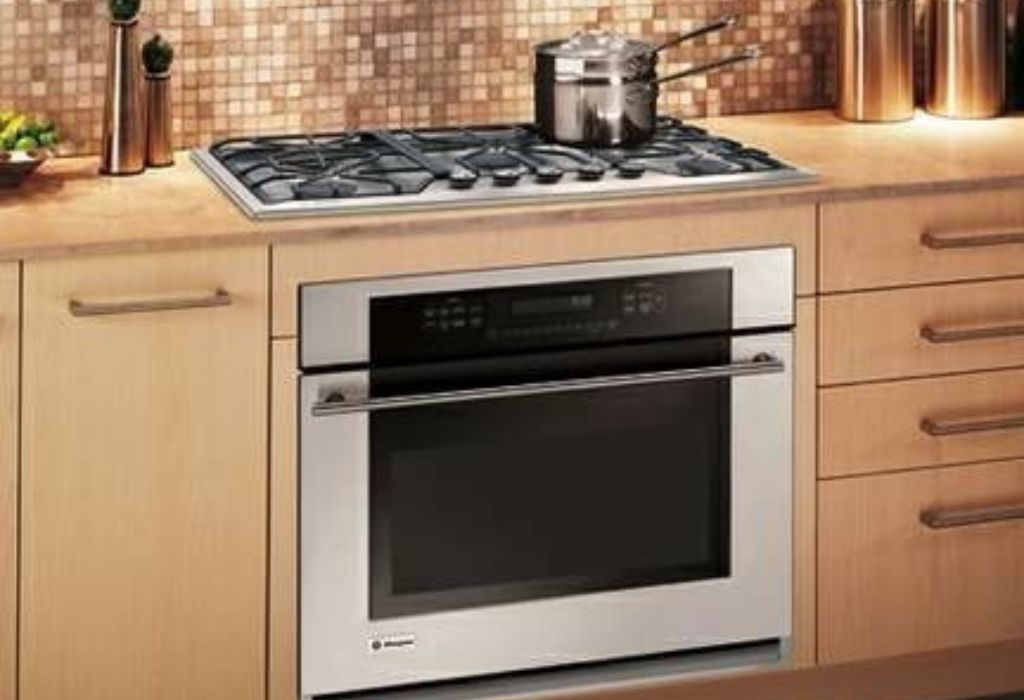
The average lifespan of a home oven typically falls between 12 and 15 years. This range applies to most standard residential ovens under normal use conditions. Some units may fail earlier while others can operate well beyond this period.
Lifespan is measured by how long the oven continues to heat safely and evenly. Once temperature control becomes unreliable, functional lifespan effectively ends. Cosmetic condition does not determine operational life.
Ovens experience gradual internal wear rather than sudden failure. Heating elements weaken, sensors drift out of calibration, and internal wiring degrades over time. These small issues accumulate slowly.
Environmental conditions also influence baseline lifespan ranges. High humidity promotes corrosion in metal components. Poor ventilation accelerates internal overheating and insulation breakdown.
Manufacturer design quality creates noticeable lifespan variation. Entry-level ovens often reach the lower end of the range. Premium models often survive closer to or beyond the upper limit.
The average lifespan figure serves as a planning benchmark rather than a strict expiration date. Proper maintenance and light usage can extend useful service years. Heavy daily cooking may shorten expected lifespan.
Gas Oven vs Electric Oven Lifespan Comparison
Gas ovens typically last slightly longer than electric ovens on average. Many gas units reach 15 years or more with proper care. Electric ovens often fall closer to the 12 to 14 year range.
The simpler heating mechanism in gas ovens contributes to this difference. Gas burners rely on mechanical valves and ignition systems. These components generally tolerate heat cycles better than electric heating coils.
Electric ovens depend heavily on electronic control boards and heating elements. These parts experience repeated thermal stress. Over time, this stress causes gradual electrical degradation.
Gas ovens are more vulnerable to gas valve failure and ignition issues. However, these components are often serviceable with proper maintenance. Electric control board failure is usually far more expensive to repair.
Temperature consistency also affects wear behavior. Electric ovens maintain more precise heat but cycle power frequently. Gas ovens produce steady flame heat with fewer rapid power fluctuations.
Both gas and electric ovens reach similar lifespan potential when properly maintained. The difference lies more in failure type than total service years. Choosing between them should focus on cooking preference rather than durability alone.
Built-In Oven vs Freestanding Oven Lifespan
Built-in ovens and freestanding ovens share many mechanical similarities. Both typically fall within the same 12 to 15 year lifespan range. Installation style alone does not determine longevity.
Built-in ovens often receive heavier usage in large family kitchens. Higher workload accelerates wear on internal components. This can shorten practical lifespan if maintenance is neglected.
Freestanding ovens sometimes experience fewer continuous cooking cycles. Many households use them less intensively. This lighter duty can extend their service life slightly.
Ventilation also plays a role in lifespan difference. Built-in ovens rely on cabinetry airflow for heat dissipation. Poor ventilation causes internal overheating and faster insulation breakdown.
Freestanding ovens release heat more freely into the room. Better natural airflow reduces internal heat stress. This improves electronic component longevity.
Installation quality directly affects lifespan in both designs. Improper electrical wiring and unstable leveling stress internal systems. Correct installation protects both built-in and freestanding ovens equally.
Is 15 years a good lifespan for a home oven?
Yes, reaching 15 years means the oven has achieved full expected service life.
Do electric ovens fail sooner than gas ovens?
In many cases yes, due to heavier reliance on electronic components.
Does built-in installation reduce oven lifespan?
Only if ventilation and installation quality are poor.
Can an oven last more than 20 years?
Yes, with light use and excellent maintenance.
Is lifespan affected by brand quality?
Yes, higher-quality brands usually last longer.
Factors That Shorten or Extend Oven Lifespan
Heat exposure is the primary factor that determines how fast an oven wears out. Repeated high-temperature cycles weaken metals, wiring, and insulation. Constant thermal expansion and contraction accelerate fatigue.
Poor ventilation shortens oven lifespan considerably. Trapped heat raises internal operating temperatures beyond safe limits. Overheated electronics fail much faster under these conditions.
Cleaning habits strongly influence component longevity. Grease buildup traps heat and moisture inside the oven cavity. This increases corrosion risk and sensor malfunction.
Power quality also affects electric oven lifespan. Voltage fluctuations stress heating elements and control boards. Repeated surges gradually damage sensitive electronics.
Installation quality determines long-term mechanical stability. Misaligned ovens experience door seal leaks and uneven heat stress. These problems speed up internal wear.
On the positive side, moderate usage extends service life. Light cooking frequency reduces total heat cycles. Fewer cycles always mean slower component aging.
How Usage Frequency Affects Oven Longevity
Daily oven use places continuous stress on heating systems. Components experience constant high temperature exposure. This accelerates wear compared to occasional use.
Heavy baking households often use ovens for long uninterrupted sessions. Extended heat duration weakens insulation and gaskets. Door seals begin leaking heat earlier under constant use.
Frequent broiling increases stress on upper heating elements. The broil element runs at maximum output. Repeated broiling shortens element lifespan quickly.
Light users who cook only a few times per week see slower degradation. Fewer heating cycles preserve wiring and sensors. Their ovens often exceed average lifespan.
Commercial-style home cooking also impacts longevity. High output cooking for many hours replicates commercial kitchen stress. Residential ovens are not built for such workload.
Usage frequency determines how fast design limits are reached. The same oven can last ten years or twenty depending on use pattern. Longevity always reflects workload intensity.
Most Common Components That Fail Over Time
Heating elements are the most common failure points in electric ovens. They weaken gradually and eventually burn out. This causes uneven or absent heating.
Temperature sensors lose accuracy as they age. Calibration drifts cause overheating or underheating. Cooking results become unpredictable over time.
Control boards fail due to heat stress and power surges. Electronic circuits degrade with continuous thermal exposure. Board failure often disables the entire oven.
Door hinges and seals wear out through constant opening and closing. Loose hinges break compression seal efficiency. Heat escapes and stresses internal components.
Gas oven igniters also fail frequently under repeated cycling. Igniter resistance increases until ignition becomes unreliable. Delayed ignition stresses gas valves.
Fans in convection ovens accumulate grease and dust. Motor bearings wear under continuous heat. Fan failure disrupts heat distribution across the oven.
Which oven part fails most often?
Heating elements and igniters fail most frequently.
Do control boards fail due to heat?
Yes, constant heat degrades electronic circuits over time.
Can a bad sensor shorten oven lifespan?
Yes, inaccurate sensors cause overheating stress.
Are door seals important for lifespan?
Yes, failed seals increase heat loss and internal strain.
Does convection fan failure affect safety?
Yes, poor airflow causes uneven and unsafe heating.
Maintenance Habits That Increase Oven Lifespan
Regular oven cleaning prevents grease accumulation. Grease traps moisture and heat. Removing it reduces corrosion risk.
Door seals should be inspected for leaks yearly. Cracked seals allow heat escape. Heat loss forces internal systems to work harder.
Electrical connections should remain tight and corrosion-free. Loose wiring causes voltage drop and overheating. Stable power flow protects internal electronics.
Gas connections must be checked for clean ignition. Dirty igniters delay flame activation. Delayed ignition stresses the valve system.
Ventilation openings should be kept clear. Blocked vents trap heat inside cabinets. Heat buildup shortens electronic component life.
Preventive maintenance always costs less than major repair. Small inspections prevent big failures. These habits extend oven service years significantly.
Signs Your Oven Is Reaching the End of Its Life
Uneven cooking is the most common early warning sign. Food browns in one area and undercooks in another. This indicates heating or airflow failure.
Long preheating times signal weakening heating elements or gas burners. The oven struggles to reach target temperature. Energy usage rises noticeably.
Temperature fluctuations during cooking show control sensor drift. Bake cycles become unreliable. Recipe results change unexpectedly.
Unusual noises indicate fan motor or mechanical wear. Grinding or rattling suggests bearing failure. These sounds often worsen under heat.
Repeated breaker trips signal electrical overload or short circuits. This is a serious safety warning. Continued use becomes dangerous.
Multiple failures appearing close together indicate system aging. Repair frequency increases rapidly. This stage usually means replacement time is approaching.
Is uneven cooking always a sign of failure?
Yes, it usually indicates heating or airflow problems.
Does slow preheating mean the oven is dying?
Often yes, it signals element or burner weakening.
Are strange noises dangerous?
Yes, they often indicate fan or motor failure.
Do repeated repairs mean replacement is better?
Yes, frequent failures indicate full system aging.
Is odor a sign of internal damage?
Yes, burning smells often signal wiring or insulation damage.
Repair vs Replacement Decision Guide
Small repairs are justified during the first half of oven lifespan. Replacing an igniter or heating element is cost-effective early on. These repairs restore full functionality at low cost.
Mid-life ovens benefit from selective repairs. Control boards and sensors can still be economical if parts are affordable. Labor costs must be considered carefully.
Late-life ovens demand stricter evaluation. When multiple components fail together, repair costs escalate. Replacement often becomes the smarter choice.
Energy efficiency also affects the repair decision. Old ovens consume more electricity or gas. New models offer significant efficiency improvements.
Safety risk increases with age-related wiring and valve degradation. Older ovens carry higher fire and gas leak risk. Safety alone may justify replacement.
The repair versus replacement decision is both economic and safety based. Calculating cost against remaining service life is critical. Long-term value should always guide the final choice.
Energy Efficiency Differences Between Old and New Ovens
Older ovens operate at lower efficiency due to insulation breakdown. More heat escapes through walls and door seals. This increases energy consumption for every cooking cycle.
New ovens use improved insulation materials. Heat remains trapped more effectively inside the cavity. This reduces total energy loss.
Modern ovens feature advanced temperature sensors. These maintain precise heat with fewer power fluctuations. Power usage becomes more efficient.
Convection technology in newer ovens also saves energy. Faster cooking reduces total heat exposure time. Shorter cycles use less total electricity or gas.
Self-cleaning older ovens consume massive power during cleaning cycles. Newer pyrolytic systems use improved insulation. Energy usage during cleaning is reduced.
Efficiency improvements directly affect utility bills over time. Old ovens may function but waste energy daily. Replacement often recovers cost through long-term savings.
Do new ovens use less electricity?
Yes, modern insulation and sensors reduce energy usage.
Is convection more efficient than regular baking?
Yes, convection cooks faster and saves energy.
Do old ovens increase gas bills?
Yes, heat loss forces longer burner operation.
Does self-cleaning use a lot of power?
Yes, older self-cleaning systems consume very high energy.
Can efficiency justify early replacement?
Yes, long-term energy savings often offset replacement cost.
Conclusion
The average lifespan of a home oven generally falls between 12 and 15 years under normal household use. Some ovens fail earlier while others continue operating well beyond that range.
Usage intensity and maintenance habits determine which end of the spectrum any oven reaches.
Gas and electric ovens show similar lifespan potential, though failure types differ. Built-in and freestanding ovens also share similar durability when properly installed. Brand quality and component design influence long-term reliability significantly.
Heat exposure remains the primary aging force acting on every oven component. Repeated thermal cycling slowly degrades elements, sensors, wiring, and insulation. No oven escapes this gradual process.
Maintenance habits such as cleaning, ventilation care, and seal inspection directly influence service life. Preventive care always outperforms reactive repair. Small efforts prevent large breakdowns.
As ovens approach the end of lifespan, symptoms become obvious through uneven cooking, slow preheating, noise, and electrical issues. Frequent repairs signal system-wide aging. Replacement often becomes the safest decision at that stage.
Understanding the average lifespan of a home oven helps homeowners plan upgrades intelligently. It prevents emergency failures and improves energy efficiency. Smart planning ensures reliable cooking performance for years to come.

I’m Emma J. Caldwell, the founder, lead writer, and home-cooking enthusiast behind KitchenGuideCo.com. With a background in culinary arts and over a decade of cooking experience in both professional and personal kitchens, I created this platform to demystify recipes, offer smart kitchen gadget reviews, and guide readers through meal prep with confidence and clarity.