The oven hums softly as the cake rises, its surface slowly turning golden. In one kitchen, the fan is spinning, pushing hot air across every corner of the oven. In another, quiet stillness surrounds the baking tray as heat rises naturally without forced circulation.
Both bakers follow the same recipe, yet the final results often look and taste completely different. This difference comes down to one powerful choice that many home cooks never fully understand.
Baking with fan vs without fan is not simply a preference. It directly affects browning speed, moisture retention, texture, rise, and overall consistency.
Some foods benefit enormously from moving hot air, while others suffer when moisture escapes too quickly. The wrong choice can turn fluffy cakes dense, dry out delicate pastries, or cause cookies to spread too fast.
This detailed guide explains exactly how fan baking works, how non-fan baking behaves, and how each method affects different foods.
By understanding the physics behind both systems, you will gain full control over your oven and achieve consistent, professional-quality results at home.
What Baking With Fan (Convection) Actually Means
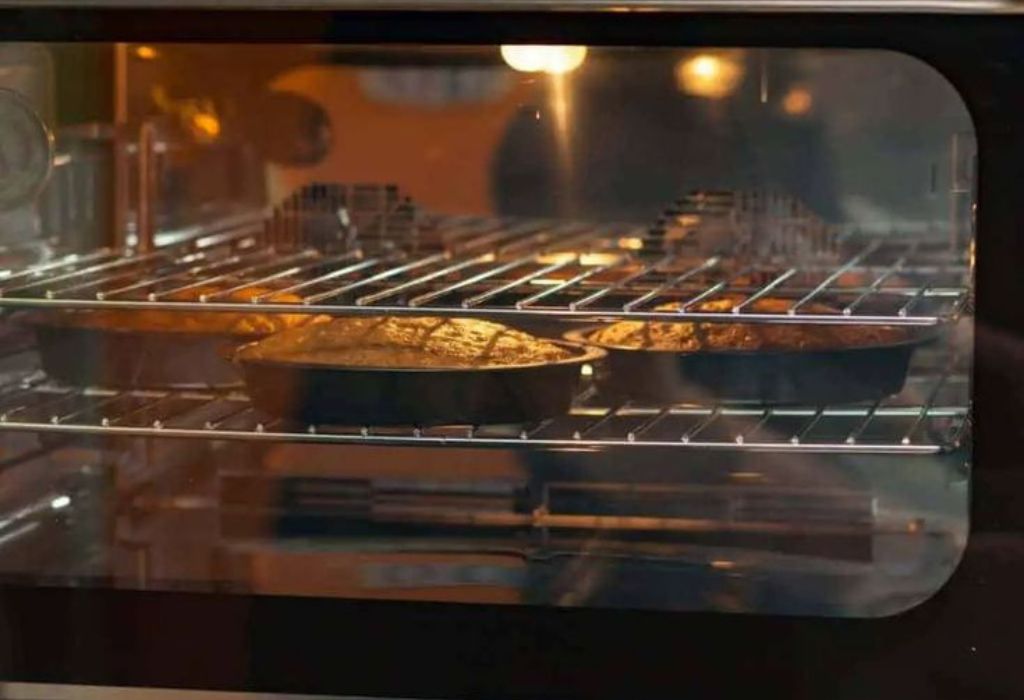
Baking with fan refers to convection baking, where an internal fan actively circulates hot air throughout the oven cavity.
Instead of relying on natural heat rise, the fan forces constant air movement around the food. This eliminates stagnant air pockets and evens out temperature differences between oven corners.
In a fan-assisted oven, heat transfers into food much faster. The moving air strips away the thin insulating layer of cooler air that normally surrounds food surfaces. This causes faster evaporation of moisture and faster surface browning.
Because heat transfer is more efficient, fan baking usually requires lower temperatures, often 25°F lower than conventional baking. Foods cook faster and brown more aggressively.
Fan baking is excellent for:
- Multiple trays of cookies
- Roasted vegetables
- Crispy pastry layers
- Frozen foods
However, this same efficiency can cause issues with delicate batters that rely on slow heat for proper structure formation.
What Baking Without Fan (Conventional) Really Does
Baking without fan relies entirely on natural heat movement. Heat rises from the bottom element, spreads gradually, and then slowly circulates through the oven cavity. This creates gentler, more layered temperature zones.
Without forced air movement, moisture stays trapped around the surface of the food longer. This slower evaporation encourages soft crumb development and delicate structure formation in cakes, custards, and bread doughs.
Conventional baking produces:
- Slower, more controlled rise
- Softer crusts
- More moisture retention
- Gentler surface color development
Because heat transfer is less aggressive, baking without fan typically requires higher temperatures and longer baking times for full doneness.
This method is ideal for:
- Sponge cakes
- Cheesecakes
- Yeast breads
- Custards and soufflés
Each baking style creates a completely different environment inside the oven.
How Airflow Changes Heat Transfer Inside the Oven
Heat transfer occurs in three ways: conduction, convection, and radiation. Fan baking dramatically increases convection heat transfer. This means energy moves quickly from hot air into the food surface.
In non-fan ovens, convection is weak and relies only on slow natural movement. This causes certain oven areas to be slightly hotter or cooler depending on rack position.
When airflow increases:
- Surface dehydration increases
- Crust formation accelerates
- Internal moisture escapes faster
- Browning intensifies
When airflow is absent:
- Steam builds near the surface
- Structure sets slowly
- Crumb stays tender
- Browning develops gradually
This difference explains why identical recipes behave so differently under the two systems.
Temperature Control Differences Between Fan and Non-Fan Baking
Fan ovens require lower temperature settings because moving air transfers heat more efficiently. A general conversion rule is:
Non-fan temperature minus 25°F equals fan temperature.
For example:
- 350°F without fan becomes 325°F with fan
- 400°F without fan becomes 375°F with fan
Ignoring this adjustment leads to:
- Burned edges
- Over-browning
- Excessive moisture loss
Non-fan baking requires higher set points because heat transfer is slower and less uniform.
Understanding temperature conversion is essential for recipe accuracy and consistency.
Moisture Retention With Fan vs Without Fan
Moisture control is one of the biggest differences between the two baking modes. Fan baking actively removes surface moisture through continuous airflow. This speeds up dehydration and crust formation.
This is perfect for:
- Crispy pizza crusts
- Roasted potatoes
- Puff pastry layers
However, moisture loss becomes a disadvantage for:
- Cakes
- Brownies
- Custards
- Cheesecakes
Without fan, steam stays around the food longer. This keeps batters soft while internal structure sets slowly and evenly. This is why sponge cakes baked without fan rise more symmetrically and remain tender.
Choosing the wrong airflow mode directly determines whether your baked goods turn out moist or dry.
Browning Speed and Surface Texture Differences
Fan baking accelerates caramelization and the Maillard reaction. Sugars and proteins brown faster because moisture evaporates quickly and surface temperatures rise rapidly.
This produces:
- Darker crusts
- Crisper edges
- Stronger roasted flavors
Non-fan baking produces:
- Lighter surface color
- Softer crusts
- More subtle browning
This difference is especially visible in cookies. Fan-baked cookies brown faster and crisp quicker. Non-fan cookies spread more evenly and stay softer through the center.
Browning speed must be controlled carefully depending on the desired final texture.
Rising Behavior of Batter and Dough in Both Methods
Leavened foods rise differently depending on airflow. In fan ovens, strong surface heat sets the exterior quickly. If this happens before full internal expansion, rise can become restricted.
This can cause:
- Dome-heavy cakes
- Cracked surfaces
- Dense interior crumb
In non-fan baking, gradual heat allows gases to expand steadily before structure locks into place. This produces smoother, taller rise and more open crumb.
For yeast dough, fan heat can dry the surface prematurely and trap expansion. Without fan, bread develops controlled oven spring and flexible crust formation.
Airflow timing is critical for proper rising behavior.
Energy Efficiency and Baking Speed Comparison
Fan ovens are more energy efficient because they cook faster at lower temperatures. Reduced baking time shortens heat cycles and lowers total energy use.
Non-fan ovens require:
- Higher temperatures
- Longer baking times
- Extended heat retention
This increases overall energy consumption but delivers better moisture control for sensitive foods.
Choosing between speed and structure becomes an efficiency vs texture decision.
Fan vs Non-Fan Baking for Cakes and Sponge Batters
Cakes are one of the most sensitive foods to airflow. When baked with a fan, surface moisture evaporates much faster than in a non-fan environment.
This causes the outer structure to set early while the inside continues expanding. As a result, cakes often rise unevenly, crack at the top, and develop a dry outer crust.
Non-fan baking allows steam to remain trapped around the batter longer. This delays surface setting and gives internal gases more time to expand evenly. The result is a smoother rise, softer crumb, and uniform texture from edge to center.
Butter cakes, sponge cakes, and chiffon cakes all perform better without fan. Fan baking can work for cakes only when temperature is reduced significantly and baking time is carefully monitored.
For professional-quality softness and symmetrical rise, non-fan baking is the safest choice for cakes.
Fan vs Non-Fan Baking for Cookies and Biscuits
Cookies behave very differently under fan and non-fan conditions. With fan on, hot air strips surface moisture rapidly. This accelerates browning and produces crisp edges in a shorter time.
Fan baking is ideal for:
- Thin cookies
- Shortbread
- Crackers
- Biscotti
Without fan, heat rises slowly and moisture stays trapped longer. This allows cookies to spread more naturally and stay softer in the center. Chewy cookies such as chocolate chip, oatmeal, and peanut butter perform especially well without fan.
Fan baking also increases the risk of uneven browning across a single tray unless trays are rotated carefully. Non-fan baking offers more forgiving heat distribution for thick, soft-center cookies.
Fan vs Non-Fan Baking for Bread and Yeast Dough
Bread depends heavily on controlled surface moisture during the first stage of baking. Fan baking removes surface moisture too quickly. This causes the crust to form early and restricts oven spring. The result is reduced rise and denser crumb.
Non-fan baking allows steam to remain around the dough surface longer. This keeps the exterior elastic while internal gases expand rapidly. The result is taller loaves with open crumb and smoother crust.
Fan baking can still be used during the final stage of bread baking to crisp the crust once oven spring is complete. Many professional bakers start bread without fan and switch to fan for the last 5 to 10 minutes.
For maximum volume and soft interior, bread should begin baking without fan.
Fan vs Non-Fan Baking for Pizza and Flatbreads
Pizza benefits greatly from strong airflow. Fan baking accelerates moisture removal from the surface and promotes rapid crust setting. This produces crisp bases and blistered toppings.
Without fan, pizza often bakes unevenly. The base may remain pale while the toppings overcook, especially in standard household ovens.
Fan mode:
- Improves crust crispness
- Speeds up cooking
- Prevents soggy centers
Non-fan mode:
- Retains more moisture
- Produces softer crust
For crispy restaurant-style pizza, fan baking with high heat produces superior results.
Fan vs Non-Fan Baking for Pastries and Puff Dough
Pastries rely on steam layers inside butter-folded dough. Fan baking pulls moisture away too aggressively and can collapse these delicate layers before they fully expand.
Without fan, controlled steam pressure builds between pastry layers, creating tall, flaky lift. Croissants, danish, and puff pastry all perform better without fan in the initial baking phase.
However, fan can be introduced later to enhance browning after lift is fully achieved.
For laminated dough, non-fan first, fan later gives the best structure and color.
Fan vs Non-Fan Baking for Frozen Foods
Frozen foods benefit tremendously from fan baking. The moving air rapidly melts surface frost and drives off moisture. This prevents sogginess and promotes crisp texture.
Fan mode is ideal for:
- Frozen pizza
- Frozen fries
- Frozen snacks
- Breaded items
Without fan, moisture released during thawing creates steam that softens the surface and prevents crisping.
For frozen foods, fan baking is almost always the better choice.
When to Switch Fan On or Off During Baking
Professional bakers often switch between modes during the same bake. This allows control over structure first and browning later.
Common switching strategy:
- Start without fan for rise and structure
- Finish with fan for color and crispness
This strategy works exceptionally well for:
- Bread
- Pastry
- Cakes with crust finish
- Large baked desserts
Mode switching gives maximum control over moisture and texture.
Professional Temperature and Timing Control Rules
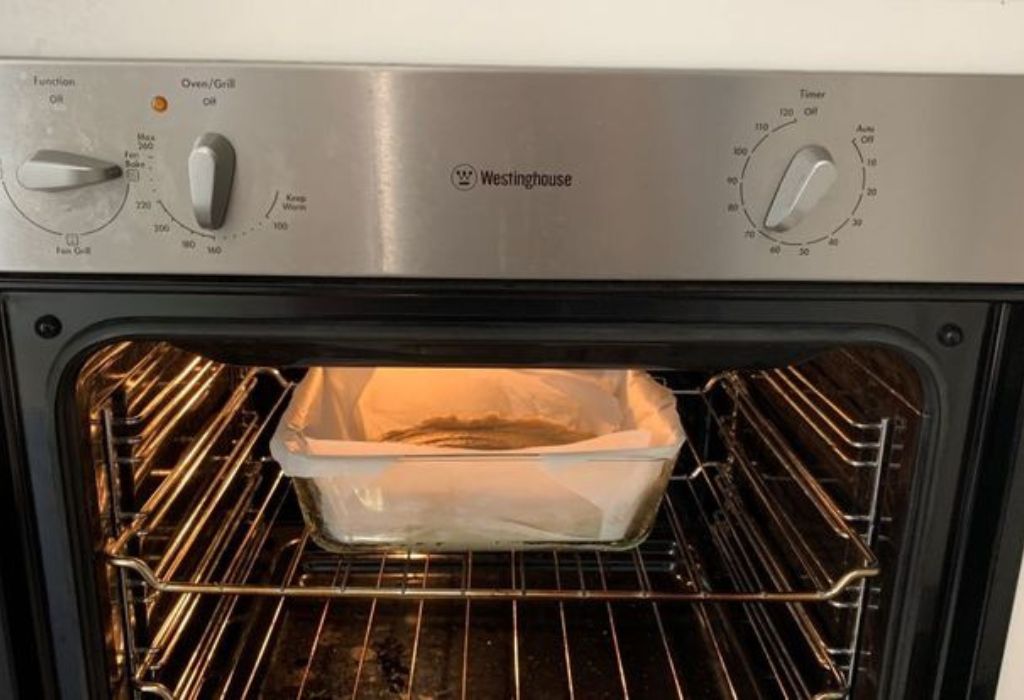
When using fan:
- Reduce temperature by 25°F
- Check doneness earlier than recipe suggests
- Rotate trays halfway through
When using non-fan:
- Follow full recipe time
- Expect gentler browning
- Use center rack for best balance
Ignoring these rules causes most home baking failures related to over-drying or under-baking.
Common Fan vs Non-Fan Baking Mistakes and Fixes
Dry cakes usually mean fan mode was used incorrectly. Switching to non-fan solves this immediately.
Burned cookie edges indicate wrong fan temperature conversion. Lower the temperature by 25°F.
Flat bread loaves point to fan use during oven spring. Switch to non-fan for initial bake.
Soggy frozen food usually means fan was off. Turn fan on for dehydration and crisping.
Understanding these cause-and-effect patterns eliminates guesswork from baking.
Baking With Fan or Without Fan Common Questions
What is the main difference between baking with fan and without fan?
Fan baking circulates air and cooks faster, while non-fan baking uses gentle natural heat.
Do fan ovens cook faster than non-fan ovens?
Yes, fan ovens cook faster due to stronger heat transfer.
Should I reduce temperature when using fan mode?
Yes, reduce temperature by 25°F for most recipes.
Is fan baking good for cakes?
No, cakes usually bake better without fan for softer structure.
Is fan baking good for cookies?
Yes for crispy cookies, but chewy cookies prefer non-fan baking.
Can I bake bread with fan on?
Start without fan to allow rise, then switch to fan for crust.
Is fan mode better for pizza?
Yes, fan mode produces a much crispier pizza base.
Does fan baking dry food faster?
Yes, airflow removes surface moisture quickly.
Should I always rotate trays when using fan?
Yes, rotation prevents uneven browning.
Can I turn fan on mid-bake?
Yes, switching modes mid-bake is a professional technique.
Conclusion
The choice between baking with fan and without fan is not about which method is better. It is about which method is correct for the specific food you are preparing.
Fan baking delivers speed, crispness, and aggressive browning. Non-fan baking provides gentle structure development, moisture retention, and controlled rise.
Cakes, bread, and pastries require calm, moist environments during early baking, making non-fan baking essential. Cookies, frozen foods, pizzas, and roasted dishes benefit from the speed and dehydration of fan baking.
Once you understand how airflow affects moisture, structure, and browning, your oven becomes a precision instrument instead of a guessing machine. Switching modes at the correct time gives you complete control over texture and appearance.
Mastering fan vs non-fan baking is not a minor adjustment. It is one of the most powerful skills a home baker can learn.

I’m Emma J. Caldwell, the founder, lead writer, and home-cooking enthusiast behind KitchenGuideCo.com. With a background in culinary arts and over a decade of cooking experience in both professional and personal kitchens, I created this platform to demystify recipes, offer smart kitchen gadget reviews, and guide readers through meal prep with confidence and clarity.