Cast iron cookware has been a staple in kitchens for centuries, yet many home cooks still overlook its full potential. From frying the perfect steak to baking golden cornbread, these versatile pans offer unmatched cooking performance.
Curious why chefs and culinary enthusiasts swear by cast iron? The answer lies in its unique ability to retain heat evenly, ensuring consistent cooking results every time.
Studies show cast iron pans can maintain temperatures up to 450°F, making them ideal for searing and frying delicate foods effectively (source).
Beyond performance, cast iron cookware can boost the nutritional value of meals. Research indicates that cooking with cast iron can increase iron content in food, benefiting those at risk of iron deficiency (source).
This combination of culinary and health advantages makes cast iron a unique kitchen tool that deserves attention.
Despite its benefits, many shy away from cast iron due to misconceptions about weight, maintenance, and usability.
These concerns often prevent cooks from exploring a cookware option that could transform their cooking experience. Understanding how to use and care for cast iron properly unlocks its full potential.
What Is Cast Iron Cookware? Understanding the Basics
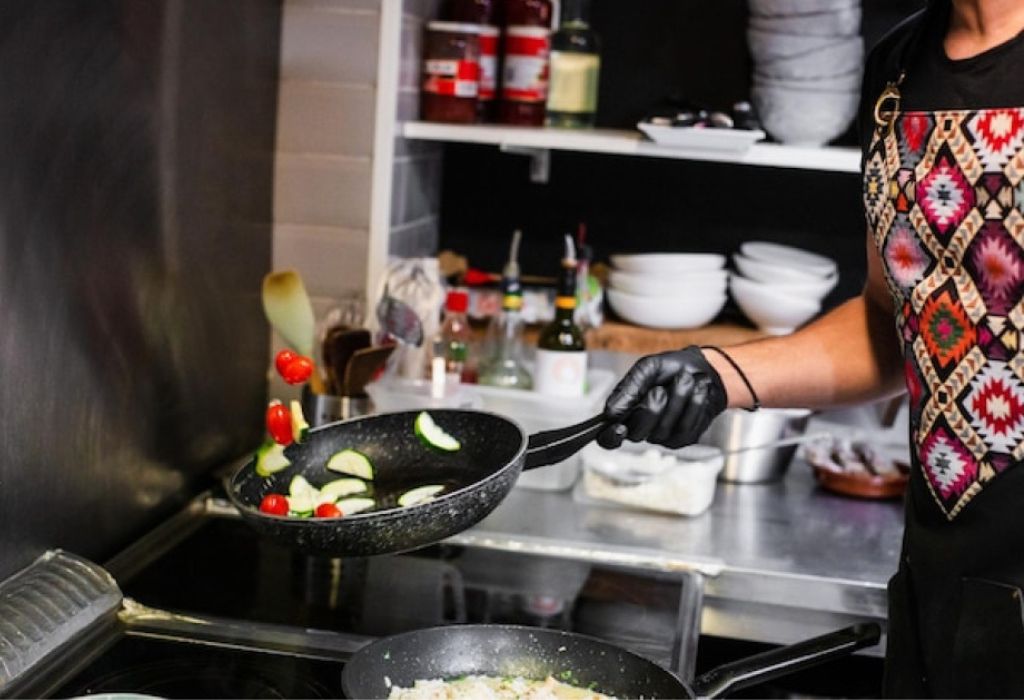
Cast iron cookware refers to kitchen tools like skillets, pots, and Dutch ovens made from a dense iron alloy. Its design ensures even heat distribution, making it ideal for frying, baking, roasting, and slow-cooking alike.
There are two primary types of cast iron cookware: bare and enameled. Bare cast iron requires seasoning to maintain a natural non-stick surface and prevent rust. Enameled cast iron, coated with porcelain enamel, does not need seasoning and is easier to clean while offering the same excellent heat retention.
Skillets are among the most common cast iron pieces, perfect for frying eggs, searing steaks, or sautéing vegetables.
Dutch ovens provide a versatile option for braising, baking bread, or simmering stews, while griddles and grill pans enable pancakes, sandwiches, and grilled meats to cook evenly with authentic flavor.
The durability of cast iron is another defining feature. Unlike other cookware that can warp or degrade over time, a well-maintained cast iron pan can last decades.
Many families pass down their cast iron pieces across generations, making them not only functional tools but also heirlooms.
Understanding the basics of cast iron cookware is essential before exploring its benefits. Knowing the types, uses, and unique properties helps cooks of all levels make the most of these timeless kitchen essentials.
Proper knowledge ensures longevity, optimal performance, and a better overall cooking experience.
The Top Benefits of Cast Iron Cookware
Cast iron cookware offers unmatched heat retention, making it ideal for consistent cooking. Its dense material ensures that once heated, the pan maintains a steady temperature, allowing meats to sear perfectly and baked goods to cook evenly.
Another significant benefit is the natural non-stick surface that develops over time with proper seasoning. This coating reduces the need for excessive oil, promoting healthier cooking while making cleanup easier and preserving food flavors.
Durability is a hallmark of cast iron cookware. Unlike other materials that may warp, chip, or degrade, a well-maintained cast iron pan can last for decades, often becoming a treasured kitchen heirloom passed down through generations.
The versatility of cast iron makes it suitable for a wide range of cooking techniques. It can handle high-heat searing, frying, and roasting, as well as slow-cooking, baking, and even outdoor campfire cooking. This adaptability eliminates the need for multiple types of cookware.
Cast iron also contributes subtle health benefits. Cooking with cast iron can increase the iron content in food, providing a natural supplement for those at risk of iron deficiency, without altering the taste of meals.
Its ability to improve flavor is another advantage. Over time, cast iron absorbs small amounts of seasoning and oils, enhancing the depth of flavors in dishes and creating a unique culinary profile that modern cookware often cannot replicate.
Investing in cast iron cookware is not just about functionality; it also elevates the overall cooking experience. From professional chefs to home cooks, understanding and utilizing these benefits ensures consistent, flavorful, and nutritious meals every time.
How to Use Cast Iron Cookware Effectively
Proper use of cast iron cookware ensures optimal performance and longevity. Preheating the pan over medium heat before adding ingredients helps achieve even cooking and prevents food from sticking.
High-heat techniques like searing and frying benefit greatly from cast iron’s consistent temperature. At the same time, it excels in low-heat methods such as simmering sauces or baking bread, demonstrating its versatility in the kitchen.
Understanding common pitfalls is crucial for maintaining the cookware’s quality. Avoid using soap on seasoned cast iron, as it can strip the natural non-stick layer, and limit cooking highly acidic foods like tomatoes in bare cast iron, which can damage the seasoning.
Different cooking surfaces can also influence performance. Using wooden, silicone, or heat-resistant utensils helps preserve the pan’s seasoned surface, while ensuring enameled cast iron remains scratch-free and easy to clean.
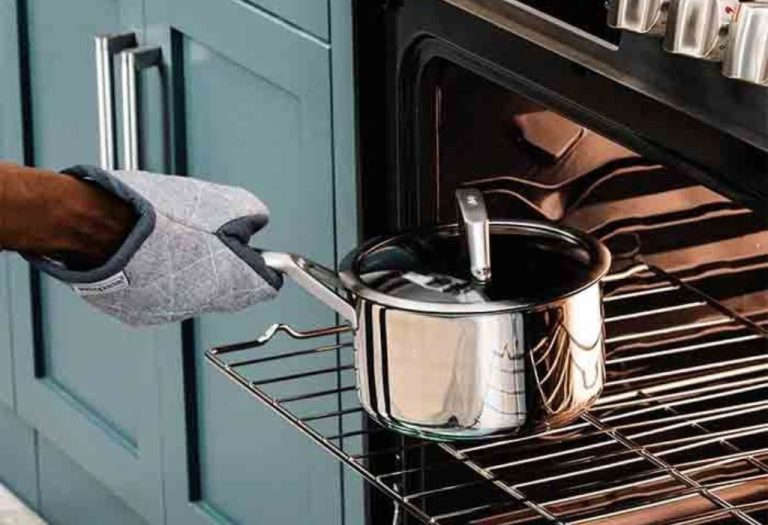
Proper handling further protects the cookware and ensures safety. Avoid sudden temperature changes, such as adding cold liquids to a hot pan, which can cause warping or cracking, and always use heat-resistant gloves when handling hot cast iron pieces.
By mastering these usage techniques, cooks can fully harness the benefits of cast iron cookware. Consistent practice improves cooking outcomes, preserves the pan’s longevity, and enhances the flavors of every dish.
Maintaining and Caring for Cast Iron Cookware
Proper maintenance ensures that cast iron cookware lasts for decades while performing at its best. Regular seasoning with a thin layer of oil protects the surface, enhances its natural non-stick quality, and prevents rust from forming.
Cleaning cast iron requires attention to detail. After cooking, it is best to clean the pan while still warm using a stiff brush or scraper, removing food residue without damaging the seasoning.
For stubborn bits, coarse salt can serve as a natural abrasive, gently scrubbing the surface without soap. Thorough drying after washing is essential, as any moisture left on the pan can quickly lead to rust.
Storage also plays a key role in maintaining cast iron. Keeping the cookware in a dry place and placing a paper towel inside the pan can absorb any residual moisture and prevent corrosion over time.
Enameled cast iron offers easier maintenance while retaining many benefits of traditional cast iron. Hand washing is recommended to preserve the enamel coating, ensuring long-lasting durability and performance.
With consistent care, cast iron cookware continues to improve with age. Each use adds layers of seasoning that enhance both its non-stick surface and the flavor of meals, making maintenance a valuable investment in cooking quality.
Common Myths About Cast Iron Cookware

Many people avoid cast iron due to misconceptions about weight and usability. While traditional pans can be heavy, modern designs offer lighter options without compromising heat retention or durability.
Another common myth is that cast iron is difficult to maintain. In reality, with proper seasoning, cleaning, and storage, cast iron is relatively easy to care for and can last for decades.
Some believe cast iron is only for experienced cooks, but it is actually beginner-friendly. Its versatility allows for simple frying, baking, and roasting, making it accessible to anyone seeking consistent cooking results.
Concerns about cooking acidic foods are also often exaggerated. While bare cast iron may react with highly acidic ingredients, enameled versions are non-reactive and safe for tomatoes, citrus, and other acidic dishes.
These myths often prevent cooks from exploring a cookware option that can significantly elevate meal quality. Understanding the facts allows users to enjoy the full benefits of cast iron without unnecessary worry.
Frequently Asked Questions About Cast Iron Cookware
Can I use cast iron on an induction cooktop?
Yes, cast iron is fully compatible with induction cooktops due to its magnetic properties, providing consistent heat distribution.
How often should I season my cast iron cookware?
Seasoning should be done every few months or whenever the surface appears dull or shows signs of rust to maintain a natural non-stick coating.
Can I use metal utensils with cast iron cookware?
While wooden or silicone utensils are recommended to preserve the seasoning, occasional use of metal utensils is generally safe if handled carefully.
Is enameled cast iron dishwasher safe?
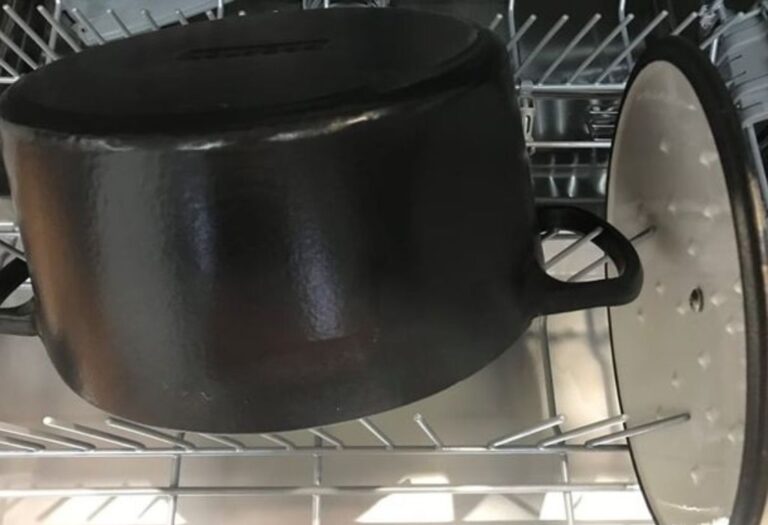
Enameled cast iron can be placed in the dishwasher, but hand washing is preferred to maintain the enamel’s appearance and longevity.
Can I cook acidic foods in enameled cast iron?
Yes, enameled cast iron is non-reactive, making it safe for cooking tomatoes, citrus, and other acidic ingredients without damaging the surface.
Does cast iron cookware increase the iron content in food?
Cooking with bare cast iron can slightly increase iron content in meals, which may benefit individuals at risk of iron deficiency.
Conclusion
Cast iron cookware offers unmatched versatility, durability, and superior heat retention, making it a valuable addition to any kitchen. Its natural non-stick surface, ability to enhance flavors, and potential health benefits elevate both everyday meals and gourmet dishes.
Proper use, seasoning, and maintenance ensure that cast iron lasts for decades, often becoming a family heirloom that improves with age. Understanding how to care for these pans unlocks their full potential, delivering consistent, flavorful, and nutritious results every time.
By investing in quality cast iron cookware, cooks of all skill levels can enjoy long-term performance, culinary flexibility, and enhanced cooking experiences. Start exploring the benefits today and transform the way meals are prepared and enjoyed.

I’m Emma J. Caldwell, the founder, lead writer, and home-cooking enthusiast behind KitchenGuideCo.com. With a background in culinary arts and over a decade of cooking experience in both professional and personal kitchens, I created this platform to demystify recipes, offer smart kitchen gadget reviews, and guide readers through meal prep with confidence and clarity.