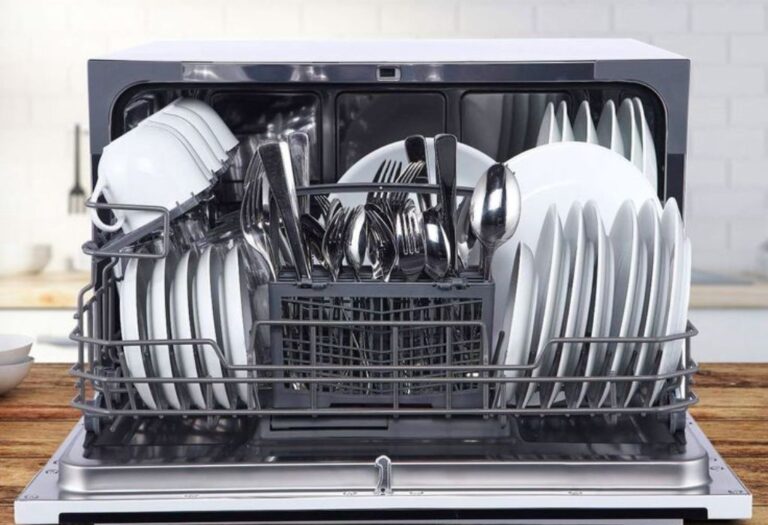
You open your dishwasher after a full cycle expecting crystal-clear dishes, but instead, they’re covered in cloudy film and chalky white spots. You run another cycle, add more detergent, even rinse by hand — yet the stains remain.
If this sounds familiar, you’re not alone. Hard water is one of the biggest enemies of clean dishes, leaving behind stubborn mineral residue that dulls glassware and clings to plates. The problem isn’t your dishwasher — it’s the minerals in your water and the detergent you’re using.
The right detergent can make all the difference. In this detailed guide, you’ll learn what causes hard-water stains, what to look for in a good detergent, and which products perform best for spotless, sparkling results.
Understanding How Hard Water Affects Your Dishwasher
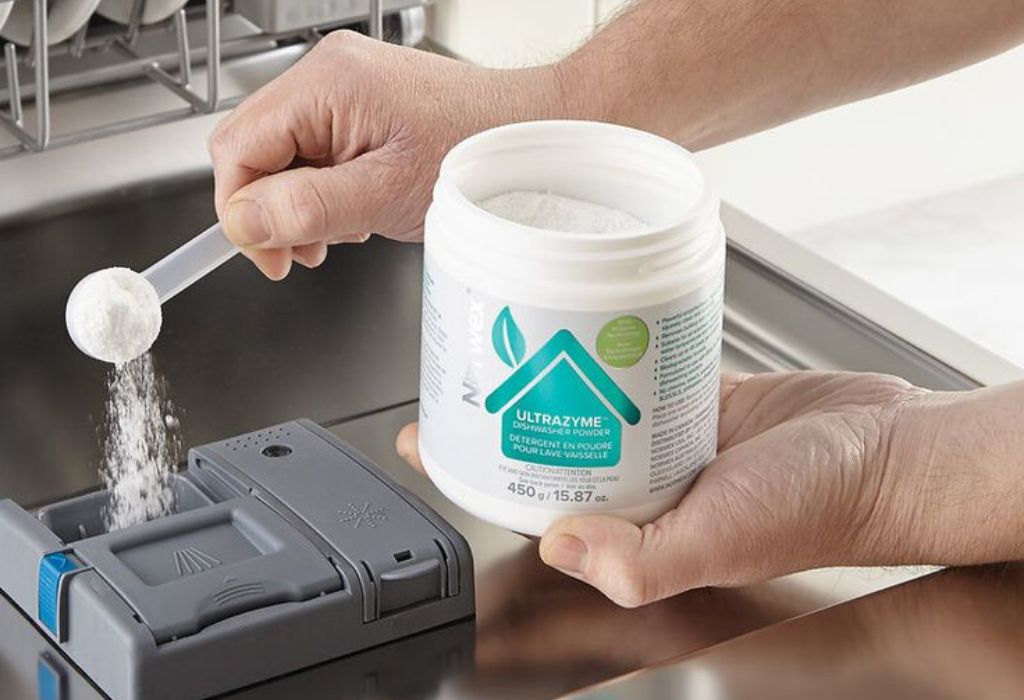
Hard water contains high levels of calcium and magnesium. When heated during a dishwasher cycle, these minerals form deposits that cling to your dishes, spray arms, and heating elements.
Over time, these deposits create cloudy films and chalky white spots. They can also reduce your dishwasher’s efficiency by clogging jets and leaving detergent residue behind.
Detergents react differently in hard water. Standard formulas may not dissolve fully, reducing cleaning power and allowing minerals to stick. That’s why using the wrong detergent can make clean dishes appear dirty.
Modern detergents designed for hard water include additives called chelating agents that bind minerals, keeping them suspended in water until rinsed away. These agents are key to spotless, residue-free results.
Can hard water damage a dishwasher?
Yes. Over time, mineral buildup can clog spray arms and shorten your dishwasher’s lifespan.
Does soft water clean dishes better?
Absolutely. Soft water allows detergent to lather properly and rinse away more effectively.
Why does detergent foam less in hard water?
Minerals suppress suds, reducing detergent performance and cleaning strength.
What Makes a Dishwasher Detergent Good for Hard Water
Not all detergents are created equal. For hard water, you need one that breaks down grease, removes food residue, and neutralizes mineral buildup simultaneously.
The most effective formulas include water softeners, such as citric acid or sodium citrate, to dissolve minerals before they can settle. Enzymes like protease and amylase break down proteins and starches, while surfactants lift grease from surfaces.
Phosphate-free detergents are now the standard for environmental reasons, but many brands compensate with plant-based softening agents that still prevent scaling.
A good detergent should also rinse clean without streaking. Powder, gel, and pod formats all work differently, but pods tend to provide consistent dosage and convenience.
Lastly, check the label for “hard water formula” or “built-in rinse aid.” These signal products optimized to handle mineral-rich water.
Are pods better than powders for hard water?
Yes, pods contain pre-measured softeners and enzymes that dissolve efficiently in any water type.
Should detergent include rinse aid?
Yes, built-in rinse aid reduces spotting and speeds drying.
Can natural detergents work in hard water?
Yes, if they include citric acid or plant-based softeners like sodium carbonate.
Top Recommended Dishwasher Detergents for Hard Water
After testing and consumer reviews, several detergents stand out for tackling hard water effectively. Each offers strong cleaning power, excellent rinsing, and minimal residue.
1. Finish Quantum Infinity Shine
A powerhouse with built-in rinse aid and glass-protection technology. It dissolves completely, removes limescale, and prevents cloudy film on glassware.
2. Cascade Platinum Plus
Ideal for very hard water areas. It contains water-softening agents and grease-cutting surfactants, ensuring clean, streak-free dishes even with low-temperature washes.
3. Seventh Generation Free & Clear
A plant-based, phosphate-free option that uses enzymes and citric acid to combat mineral spots naturally. Excellent for eco-conscious households.
4. Lemi Shine Dishwasher Detergent Booster
Not a detergent itself, but a powerful additive. When combined with your regular detergent, it neutralizes minerals and enhances cleaning.
5. Ecover Automatic Dishwasher Tablets
Biodegradable tablets containing citric acid and sodium carbonate, perfect for moderate hard-water regions. Leaves no chemical scent.
Is Finish better than Cascade for hard water?
Both work well, but Finish Quantum offers slightly better film prevention on glass.
Do I need a separate booster with premium pods?
Not usually — high-end pods already include softeners.
Can I mix different detergent brands?
No, combining formulas can cause residue or reduced performance.
Using Detergent Boosters for Extra Cleaning Power
In areas with very high mineral content, even the best detergents may need help. That’s where dishwasher boosters come in.
Boosters like Lemi Shine or Finish Booster add concentrated citric acid that binds hard-water minerals. You simply pour it into the pre-wash compartment or sprinkle it directly into the bottom of your dishwasher.
These boosters enhance detergent performance, prevent limescale buildup, and protect your machine’s internal parts. They also extend the life of your appliance and keep dishes consistently shiny.
Booster use is especially important if you notice cloudy glassware, white streaks, or rough-feeling utensils even after using a top detergent.
Can I use a booster every cycle?
Yes, especially if you have hard water over 10 grains per gallon.
Will boosters damage stainless-steel interiors?
No, they’re safe and designed to remove mineral film without scratching.
Do boosters replace rinse aid?
No, they work together — rinse aid helps drying while boosters neutralize minerals.
Choosing Between Pods, Powder, and Gel Detergents
The detergent format you choose affects cleaning results in hard water. Each has advantages and drawbacks.
Pods or tablets are pre-measured and include detergent, softeners, and rinse aid in one package. They dissolve evenly, ensuring consistent cleaning without overuse.
Powder detergents allow customization — you can add boosters or extra softeners as needed. However, they can clump or leave residue if water temperature is too low.
Gel detergents dissolve quickly and are gentle on glassware but often lack the water-softening strength of powders or pods.
For households with severe hard water, pods or powders with boosters usually deliver the best performance.
Are pods safe for all dishwashers?
Yes, as long as you place them in the detergent compartment and not directly on dishes.
Can gel detergent cause buildup?
Yes, in very hard water, gel formulas may leave thin films over time.
Is powder detergent outdated?
Not at all — it’s still preferred by many for control and flexibility.
Other Tips to Reduce Hard-Water Residue
Even the best detergent won’t work perfectly without proper maintenance and washing habits.
Run your dishwasher on the hot water setting — ideally around 120°F (49°C). Hot water dissolves detergent and minerals better than lukewarm water.
Always use rinse aid, even if your detergent includes some. Rinse aid reduces surface tension, allowing water to sheet off dishes and preventing droplet marks.
Clean your dishwasher monthly with vinegar or a specialized cleaner to remove limescale from spray arms and filters.
Finally, don’t overload racks. Crowded dishes block water flow, allowing minerals to dry onto surfaces.
Should I run vinegar through the dishwasher regularly?
Yes, once a month keeps spray arms and filters free from mineral buildup.
Can I use baking soda for cleaning?
Yes, it neutralizes odors and helps dissolve residue naturally.
Does pre-rinsing dishes help in hard water?
No, most detergents work better with some food residue left — pre-rinsing can actually reduce effectiveness.
Should You Use a Water Softener with Dishwasher Detergent
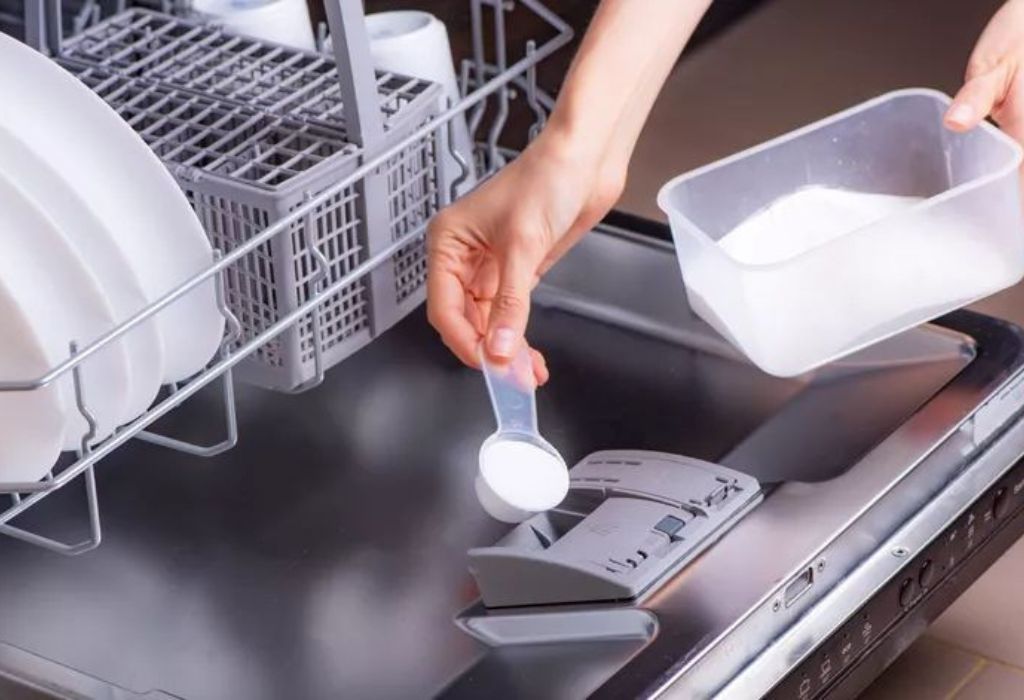
If your water is extremely hard, even top-tier detergents may struggle. Installing a whole-house water softener or a point-of-use softener for your dishwasher ensures the best results.
Water softeners use ion exchange to replace calcium and magnesium with sodium or potassium. This prevents limescale inside the dishwasher and ensures your detergent performs optimally.
You’ll notice clearer glassware, brighter dishes, and less maintenance required overall. Over time, it can also extend the life of your dishwasher’s heating element and seals.
Although softeners are an upfront investment, they save money on detergent and repairs in the long run.
Can soft water make detergent too sudsy?
Yes, use less detergent — soft water requires about 30% less soap.
Is a softener worth it for moderate hard water?
Yes, it improves efficiency and lowers cleaning product use.
Do portable dishwashers benefit from softeners?
Yes, mineral deposits affect all dishwasher types equally.
Comparing Budget vs. Premium Detergents for Hard Water
Price doesn’t always equal performance, but premium detergents usually contain more effective softening agents.
Budget detergents often rely on basic surfactants and enzymes without added boosters. They clean surface food but may struggle against white film or cloudy buildup.
Premium brands like Finish Quantum and Cascade Platinum include specialized anti-film technology and built-in rinse aids. These formulas justify their higher cost by producing consistent shine even in very hard water.
If you’re on a budget, you can still improve results by adding a separate rinse aid or booster to an affordable detergent.
Can I get good results with cheap detergent?
Yes, if you use a booster or water softener alongside it.
Do premium pods work in eco cycles?
Yes, they dissolve quickly even in lower-temperature washes.
How long do detergents stay effective?
Most remain potent for 12–18 months if stored in a dry, cool place.
Conclusion
Hard water doesn’t have to ruin your dishwasher results. The key to spotless dishes is using the right detergent formulated to combat minerals.
Look for options with built-in softeners, citric acid, or sodium citrate. Pair them with rinse aid and occasional boosters for maximum shine.
Keep your dishwasher clean, use hot water, and avoid overcrowding to ensure detergent circulates freely. If your water is extremely hard, investing in a water softener will transform your results permanently.
With the right combination of detergent and habits, even the hardest water can produce sparkling dishes and clear glassware after every cycle.

I’m Emma J. Caldwell, the founder, lead writer, and home-cooking enthusiast behind KitchenGuideCo.com. With a background in culinary arts and over a decade of cooking experience in both professional and personal kitchens, I created this platform to demystify recipes, offer smart kitchen gadget reviews, and guide readers through meal prep with confidence and clarity.