Choosing the best home oven brand is no longer just about price or exterior design. Modern ovens vary widely in heating accuracy, insulation quality, smart features, energy efficiency, and long-term reliability.
A brand that performs well for occasional home use may fail quickly under heavy cooking routines.
Many buyers focus only on size and appearance while ignoring core performance factors such as temperature stability, fan circulation, door insulation, and electronic control durability.
These internal systems determine whether an oven will bake evenly, last many years, and remain safe during daily use. Brand reputation often reflects how well these systems are engineered.
This guide breaks down the best home oven brands by performance, build quality, technology, reliability, and overall value. It explains what each brand is best known for and who should choose it.
By the end, you will understand how to select the right oven brand based on your cooking needs, budget, and long-term expectations.
What Defines a High-Quality Home Oven Brand
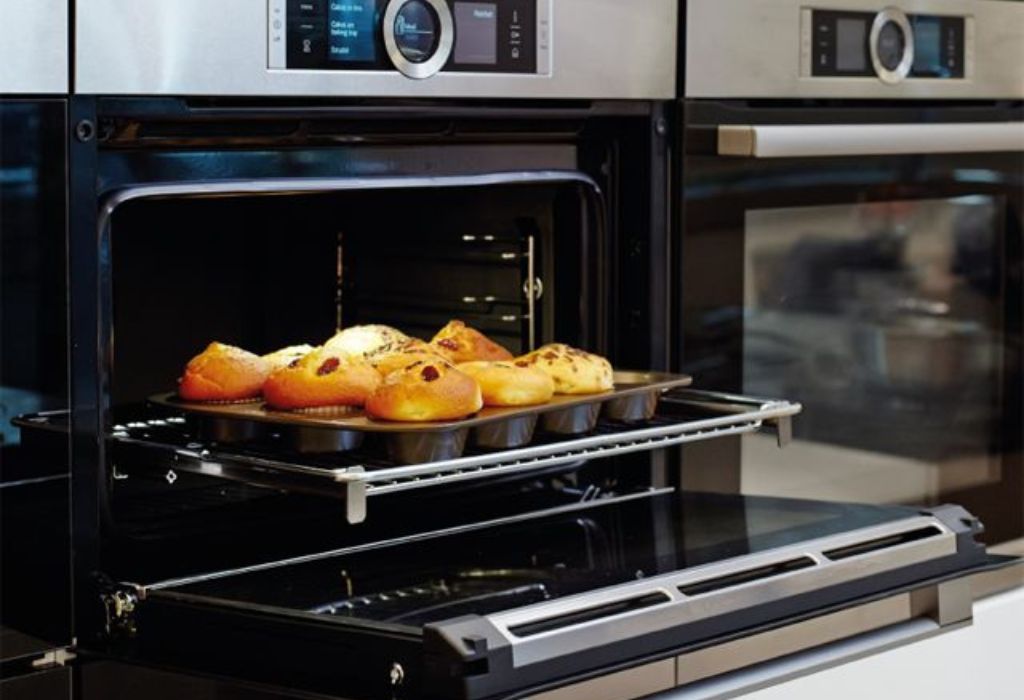
A high-quality oven brand is defined primarily by consistent heating performance. Even heat distribution, stable temperature control, and accurate thermostats create predictable cooking results. Without these, even the most expensive ovens fail to deliver consistent bakes or roasts.
Build quality is another major indicator of brand strength. Solid door hinges, thick insulation, durable racks, and corrosion-resistant internal coatings prevent early mechanical failure. Strong brands invest heavily in metal thickness and heat-resistant materials.
Control system reliability separates premium brands from budget models. Touch panels, smart connectivity, and digital thermostats must remain responsive under high heat over many years. Weak control boards are one of the most common causes of oven failure.
Long-term parts availability also defines a true quality brand. If replacement heating elements, sensors, or door seals are easy to find years after purchase, the oven remains serviceable. Brands that discontinue parts quickly lose customer trust.
Energy efficiency and safety engineering also matter. Good insulation reduces power consumption and protects surrounding cabinets. Integrated auto-shutoff, child locks, and temperature limiters protect users from fire and burns.
Whirlpool: Best for Balanced Performance and Affordability
Whirlpool is one of the most widely trusted home oven brands across North America, Europe, and Asia.
The brand is known for producing ovens that balance price, reliability, and daily performance very well. It targets families who want dependable appliances without paying luxury-brand prices.
Whirlpool ovens typically deliver stable heating performance for baking and roasting. Their convection systems circulate air evenly across the entire cavity. This results in consistent browning on multiple racks without hot spots.
Build quality focuses on practicality rather than heavy luxury feel. Door hinges remain firm over time, racks slide smoothly, and internal coatings resist staining. While the metal is not as thick as premium brands, it holds up well under normal household use.
Control systems are simple and reliable. Whirlpool avoids overcomplicated interfaces that cause electronic failure. Most models use straightforward digital thermostats with tactile buttons.
Parts availability is one of Whirlpool’s biggest strengths. Heating elements, sensors, door seals, and fan motors are widely available and affordable. Repair costs remain reasonable even after many years of ownership.
Is Whirlpool a good brand for daily home cooking?
Yes, Whirlpool ovens are designed for consistent daily use with stable performance.
Are Whirlpool oven parts easy to find?
Yes, Whirlpool parts are widely available and affordable.
Does Whirlpool focus more on performance or design?
Whirlpool focuses more on performance and practicality than luxury design.
Is Whirlpool suitable for small families?
Yes, Whirlpool ovens work very well for small to medium-sized families.
Do Whirlpool ovens last long with regular use?
Yes, with proper care they can last many years without major issues.
Samsung: Best for Smart Technology and Modern Design
Samsung has become a dominant force in the home oven market due to its heavy focus on smart features and modern aesthetics.
The brand attracts buyers who want Wi-Fi connectivity, sleek glass panels, and touchscreen controls. Samsung ovens integrate well into smart home ecosystems.
Samsung’s heating performance is generally strong, especially in convection mode. Dual convection fans in many models improve heat circulation and reduce uneven baking. Temperature recovery after door opening is also fast.
Design quality is one of Samsung’s standout qualities. Flat glass fronts, hidden controls, and edge-to-edge displays create a premium look. These ovens often become the visual centerpiece of modern kitchens.
However, Samsung ovens rely heavily on electronic control boards. While the technology is advanced, repair costs after warranty can be expensive. Replacement touch panels and circuit boards are among the costliest in the industry.
Samsung is ideal for buyers who value smart functionality and visual design. It is less ideal for users who want long-term low-cost repairs on electronics. Performance is strong, but ownership cost must be considered.
LG: Best for Energy Efficiency and Cooking Precision
LG ovens are known for combining advanced heating accuracy with high energy efficiency. The brand focuses strongly on inverter technology, smart energy control, and temperature precision. This makes LG popular among serious home cooks.
LG convection ovens provide very stable air movement. Their fan systems maintain consistent airflow even at lower speeds. This prevents drying out and improves moisture retention in baked goods.
Temperature control is one of LG’s strongest technical advantages. Their digital thermostats maintain extremely tight heat ranges. This benefits baking, slow roasting, and pastry work where temperature shifts ruin texture.
Energy efficiency is another major selling point. LG insulation systems limit heat loss through doors and oven panels. Many models qualify for high energy efficiency ratings in multiple countries.
Like Samsung, LG relies heavily on electronic systems. While reliability is good overall, control board replacement can be expensive outside warranty. LG suits homes that prioritize precision and efficiency over purely mechanical simplicity.
GE Appliances: Best for Reliability and Long-Term Durability
GE Appliances has built a reputation for long-term mechanical durability rather than flashy technology. The brand focuses heavily on simple, serviceable engineering. This makes GE popular for buyers who want ovens that last many years.
GE ovens provide solid, consistent heating performance in both standard and convection modes. While they may not heat as fast as some premium brands, their temperature stability is excellent. This supports consistent baking results.
One of GE’s strongest advantages is serviceability. Parts availability remains strong even for older models. Many repair technicians prefer GE because access to internal systems is straightforward.
Build quality is oriented toward strength rather than style. Thick door hinges, durable racks, and solid frame construction make these ovens resistant to vibration and mechanical stress.
GE ovens are ideal for households that value reliability and low long-term repair risk. They are less focused on smart home integration. Their appeal comes from predictable performance and proven durability.
Bosch: Best for Premium Build and Quiet Operation
Bosch is widely regarded as one of the best premium European oven brands for home kitchens. The brand emphasizes tight engineering tolerances, high insulation ratings, and silent operation. Bosch ovens are designed for precision cooking in quiet environments.
Bosch convection systems distribute heat very evenly across all rack levels. Their fan designs eliminate common hot spot problems. This allows three-rack baking with uniform results.
Build materials are among the highest quality in the home appliance industry. Thick door glass, heavy steel panels, and premium enamel coatings reduce wear and stains. These ovens maintain their internal condition for many years.
Bosch ovens are also extremely quiet. Cooling fans, convection fans, and control relays operate with minimal noise. This is highly valued in open-plan kitchens.
Bosch parts are available but often cost more than domestic brands. Repair cost is higher than Whirlpool or GE. Bosch is best suited for buyers who want premium silence, precision, and long-term structural quality.
KitchenAid: Best for Home Baking Enthusiasts
KitchenAid is one of the most respected oven brands among serious home bakers. The brand is widely known for its precision baking performance, strong convection systems, and excellent temperature stability. It is especially popular among people who bake bread, cakes, pastries, and large holiday meals regularly.
KitchenAid ovens are engineered with strong convection airflow systems that distribute heat evenly across all rack levels. This allows consistent browning without rotating trays frequently. Their temperature recovery after door opening is also faster than many mid-range brands.
Build quality is another highlight. Heavy-duty racks, solid door hinges, and thick insulation improve heat retention and reduce vibration. These ovens feel noticeably sturdier than many budget models when opening and closing the door.
KitchenAid control systems balance simplicity and technology well. Most models use easy-to-read digital displays with responsive controls instead of fragile glass-only panels. This improves long-term reliability.
KitchenAid ovens cost more than Whirlpool and Frigidaire but less than Miele. They are ideal for people who bake frequently and want premium performance without entering ultra-luxury pricing.
Frigidaire: Best for Budget-Friendly Dependability
Frigidaire is one of the most widely purchased home oven brands in the affordable category. It is designed for buyers who want dependable daily cooking performance at a lower upfront cost. Many first-time homeowners and rental property owners choose this brand.
Heating performance in Frigidaire ovens is solid for basic baking and roasting. While they may not offer the fastest preheat or the most advanced convection systems, they provide consistent results for everyday meals.
Build quality prioritizes function over luxury. Racks, doors, and knobs are lighter than premium brands, but they hold up well under moderate household use. Internal enamel coatings are easy to clean and resist light staining.
Control systems are simple and mechanical in many models, which reduces digital failure risk. Frigidaire often avoids complex touch panels that raise repair costs.
Parts availability and service access are excellent. Repair technicians can easily source heating elements, thermostats, and door seals at low cost. Frigidaire is ideal for budget-conscious buyers who still want reliable performance.
Is Frigidaire a good brand for first-time buyers?
Yes, Frigidaire is an excellent choice for budget-conscious first-time buyers.
Do Frigidaire ovens heat evenly?
Yes, they provide consistent heating for everyday cooking.
Are Frigidaire ovens heavy-duty?
No, they focus on light to medium household use rather than heavy-duty needs.
Is Frigidaire easy to repair?
Yes, parts are cheap and widely available.
Does Frigidaire offer convection ovens?
Yes, many Frigidaire models include basic convection features.
Electrolux: Best for Luxury Design and Advanced Cooking Control
Electrolux operates in the premium home appliance market with a strong focus on refined performance and modern design. The brand is popular among buyers who want beautiful kitchen aesthetics combined with precise temperature control.
Electrolux ovens provide excellent heat uniformity through advanced multi-fan convection systems. These systems maintain stable temperatures even with multiple dishes baking simultaneously.
Temperature precision is among the best in the industry. Electrolux digital sensors respond quickly to heat fluctuation and correct it efficiently. This benefits delicate baking tasks such as macarons, soufflés, and pastry dough.
Build materials include premium stainless steel interiors, thick door glass, and sound-dampened cooling fans. These ovens operate more quietly than most mid-range brands.
Electrolux ovens are expensive to purchase and repair. Replacement control boards and sensors cost more than domestic brands. Electrolux is best suited for design-focused homeowners who also demand high baking accuracy.
Miele: Best for Ultimate Longevity and Professional Performance
Miele is considered the gold standard among residential oven brands. It is engineered for extremely long service life, often exceeding 15 to 20 years with proper maintenance. This brand targets professional-style home kitchens.
Miele ovens provide unmatched temperature stability. Their heat sensors adjust output continuously to maintain near-perfect accuracy. This allows precise baking, roasting, and slow cooking with minimal fluctuation.
Build quality is exceptionally high. Thick stainless steel walls, heavy door mechanisms, and commercial-grade insulation prevent heat loss and structural wear. Internal components are designed for extreme reliability.
Miele ovens also include advanced automatic cooking programs and moisture-assisted baking systems. These features help deliver restaurant-level results at home.
The main drawback is price. Miele ovens are among the most expensive in the world. Repair costs are also high. Miele is best for buyers who want ultimate performance and are willing to invest in long-term ownership.
Is Miele the most durable oven brand?
Yes, Miele is known for extreme long-term durability.
Are Miele ovens suitable for professional-style home kitchens?
Yes, they are designed for professional-level performance at home.
Is Miele expensive compared to other brands?
Yes, it is one of the most expensive home oven brands.
Do Miele ovens offer moisture-assisted baking?
Yes, many Miele models include steam and moisture features.
Is Miele worth buying for occasional home cooks?
No, it is better suited for serious cooks and baking enthusiasts.
Budget vs Premium Home Oven Brand Comparison
Budget oven brands focus on affordability, basic performance, and mechanical simplicity. They are ideal for basic household cooking needs such as baking bread, roasting chicken, and preparing everyday meals. These brands usually avoid advanced electronics to keep repair costs low.
Premium oven brands focus on precision, insulation quality, and advanced convection technology. They often include smart controls, moisture-assisted baking, multi-fan airflow, and high-grade materials. These systems improve cooking accuracy and consistency.
Budget ovens typically use lighter materials and thinner insulation. This leads to higher energy consumption and slightly greater temperature fluctuation. Premium ovens maintain stable heat and consume less energy over long baking cycles.
Repair economics also differ. Budget brands offer cheap parts and easy service access. Premium brands deliver superior performance but cost far more to repair when electronic components fail.
The right choice depends on cooking frequency, budget, and long-term plans. Occasional cooks benefit more from reliable budget brands. Serious bakers benefit from premium engineering.
Best Home Oven Brands by User Type
Occasional home cooks benefit most from brands that offer stable basic heating at low cost. These users typically bake once or twice per week and focus on convenience rather than advanced baking precision.
Families who cook daily should prioritize reliability, parts availability, and strong convection air circulation. Brands that balance durability and performance fit best here.
Serious home bakers require tight temperature accuracy and even airflow across multiple racks. They benefit from brands that focus on sensor accuracy and insulation quality.
Smart-home enthusiasts want Wi-Fi control, app integration, and digital cooking presets. These users value connectivity and automation features.
Luxury homeowners look for silent operation, ultra-premium materials, and long service life. They prioritize design, longevity, and top-tier performance over budget.
Reliability and Serviceability Ranking
Long-term reliability depends on both engineering quality and service network accessibility. Brands with wide technician availability and strong parts distribution score highest in real-world ownership satisfaction.
Mechanical simplicity increases reliability. Ovens with fewer digital boards and touch panels fail less often over time. Complex digital systems increase repair frequency after extended use.
Parts availability determines whether an oven remains usable beyond warranty. Brands that discontinue parts quickly create costly repair challenges.
Service documentation and technician familiarity also matter. Brands that many technicians know well receive faster and cheaper repairs.
Real-world ownership data consistently shows that simple, well-supported brands deliver the best lifetime value even if they lack luxury features.
How to Choose the Best Home Oven Brand for Your Kitchen
Start by evaluating how often you cook and what types of food you prepare most. Baking-heavy households need stronger heat stability than occasional roasting households.
Next, examine your budget across both purchase and long-term repair costs. A cheaper oven that requires frequent service may cost more than a premium oven over time.
Kitchen ventilation and cabinet design also matter. Premium ovens with superior insulation reduce surrounding heat and protect cabinetry.
Consider energy efficiency as a long-term operating expense. Efficient ovens reduce monthly electricity or gas bills significantly over years of ownership.
Finally, evaluate parts availability and technician access in your region. The best brand is one you can easily repair when needed.
Conclusion
The best home oven brand is not determined by price alone but by a combination of performance, durability, serviceability, and long-term ownership cost. Budget-friendly brands deliver reliable everyday cooking, while premium brands offer superior temperature precision, insulation, and advanced baking systems. Choosing the right brand depends on how often you cook, what you cook, and how long you plan to keep the oven.
Homeowners who cook occasionally benefit most from affordable brands with simple mechanical systems and low maintenance costs.
Daily cooks should prioritize convection quality, stable heating, and strong parts availability. Serious bakers gain the most from precise temperature control and premium insulation.
Luxury brands deliver unmatched performance and longevity but demand higher upfront and repair investment.
The smart buyer balances cooking needs with realistic long-term ownership cost. When chosen correctly, a high-quality oven brand becomes a reliable kitchen partner for many years.

I’m Emma J. Caldwell, the founder, lead writer, and home-cooking enthusiast behind KitchenGuideCo.com. With a background in culinary arts and over a decade of cooking experience in both professional and personal kitchens, I created this platform to demystify recipes, offer smart kitchen gadget reviews, and guide readers through meal prep with confidence and clarity.