If you’re new to slow cooking, you might be asking yourself, can a slow cooker explode? It’s a common question because we’re using electricity and heat to cook food for hours! Thankfully, explosions are rare. This guide is here to reassure you and explore how slow cookers work, so you can cook delicious meals without worry. We’ll explore the basics of slow cooker safety, covering potential problems. So, let’s get started!
The Basics: How Slow Cookers Work
Slow cookers have become a kitchen staple. They’re praised for their convenience and ability to make tender, flavorful dishes. At its core, a slow cooker is a simple device. It consists of a ceramic or stoneware pot that sits inside a heating unit. This heating unit, powered by electricity, provides a gentle, consistent heat. The heat is distributed evenly throughout the pot, slowly cooking the food over several hours. This method is excellent for breaking down tough cuts of meat and infusing flavors, but it’s important to know the rules.
Heating Element and Temperature Control
The heating element is the heart of a slow cooker. It’s usually a coil of wire that converts electricity into heat. The heat generated by the element is then transferred to the pot. Most slow cookers have multiple settings, such as low, high, and sometimes a “keep warm” setting. These settings regulate the power supplied to the heating element, controlling the cooking temperature. The low setting generally maintains a temperature between 170°F and 190°F (77°C and 88°C), while the high setting reaches about 200°F to 300°F (93°C to 149°C).
- The heating element’s power is usually measured in watts. Higher wattage slow cookers typically heat faster.
- Temperature sensors, in some models, ensure the heat is maintained at a safe level, reducing chances of overheating.
- Modern models often include timers, which will automatically switch the appliance to a “keep warm” setting once the set time elapses.
The Crock and Lid: Materials and Design
The pot, often called the crock, is a key component. It’s usually made of ceramic or stoneware. These materials are chosen for their ability to withstand heat and distribute it evenly. The lid, typically made of tempered glass, creates a seal that traps heat and moisture. This helps to create the slow cooking process and keep food from drying out. The lid allows you to monitor the cooking process without losing heat. A well-designed crock and lid are fundamental to the appliance’s safety and functionality.
- Ceramic and stoneware are selected for their heat resistance and ability to distribute heat evenly.
- Tempered glass lids withstand high temperatures without shattering.
- The lid’s design contributes to the slow cooking by trapping steam.
Understanding Pressure Buildup: Why It Matters
Although it is unlikely that can a slow cooker explode, understanding pressure buildup is essential. As food cooks, steam forms inside the pot. In a standard slow cooker, this steam slowly escapes through the small gap between the lid and the crock. This natural venting prevents excessive pressure from building up. If the vent is blocked or if too much steam is produced too quickly, pressure could build. While it is rare, this is one factor that could lead to problems, although full-on explosions are extremely rare. A well-designed appliance and proper usage are essential in preventing these scenarios.
- The lid should always fit properly to allow the release of steam.
- Never try to force a lid that doesn’t fit correctly onto the crock.
- Avoid overfilling the slow cooker, as this can increase pressure.
Safety First: Preventing Slow Cooker Problems
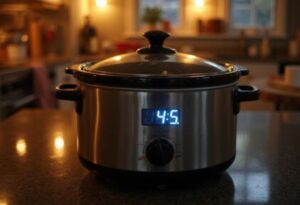
Safety is key when using any kitchen appliance, and slow cookers are no different. While explosions are extremely rare, taking some precautions can ensure a safe cooking experience. This includes understanding potential hazards and knowing how to prevent them. This information will help protect your kitchen and ensure the longevity of your appliance. Following these simple steps will help you enjoy the convenience of slow cooking.
Avoiding Overfilling: Managing Capacity
Overfilling is a common mistake that can lead to problems. Slow cookers have a maximum capacity, usually indicated by a fill line on the inner pot. Overfilling can cause food to boil over, potentially blocking the vent and creating an increased pressure. It can also prevent food from cooking evenly. Always refer to the appliance’s manual for specific instructions on capacity. Sticking to the recommended capacity ensures the appliance functions safely and correctly, allowing for even cooking and preventing any potential issues.
- Always check the manufacturer’s recommendations for capacity.
- Avoid filling the slow cooker more than two-thirds full for best results.
- When cooking foods that expand, such as rice or beans, use even less.
Proper Ventilation: Keeping the Steam Escaping
Correct ventilation is important for safe operation. As food cooks, steam builds up inside the slow cooker. The lid design allows this steam to escape, preventing pressure buildup. Ensure that the lid fits correctly and is not blocked. Never cover the vent with towels or other items. Keeping the vent clear is critical for the appliance’s safe operation. Ensuring that steam can escape allows the appliance to work correctly and safely.
- Make sure the lid fits correctly to ensure steam escapes as intended.
- Avoid blocking the space between the lid and the crock.
- Be sure to check the vent during the cooking process.
Electric Cord Safety: Preventing Electrical Hazards
Like any electrical appliance, slow cookers come with electrical safety considerations. Always inspect the cord for damage before use. A frayed or damaged cord can lead to electric shock or other hazards. Keep the cord away from heat sources and water. Never immerse the base of the slow cooker in water. Proper electrical safety procedures help to protect you and your home. Following these steps ensures the safe use of your appliance and helps avoid any electrical issues.
- Inspect the cord before each use.
- Keep the cord away from water and heat sources.
- Never submerge the base of the slow cooker in water.
Common Slow Cooker Misconceptions and Risks
There are many myths and misconceptions about slow cookers. Some people worry about the possibility of explosions. It’s important to separate fact from fiction. By dispelling common myths and addressing potential risks, you can gain a clearer view of slow cooker safety. A clear understanding of these points can help you use your appliance safely and with confidence. This section aims to explore potential hazards.
The “Exploding Slow Cooker” Myth: Separating Fact From Fiction
One of the most common misconceptions is that can a slow cooker explode. While it is possible to experience issues, full-blown explosions are incredibly rare. The design of slow cookers, with vents to release steam, makes them unlikely to explode. However, there have been some instances of slow cooker incidents, usually resulting from misuse. Understanding the difference between a minor malfunction and a full explosion is essential. The key takeaway is that with proper use, the risk of explosion is low.
- Explosions are very rare.
- Most issues involve the pot cracking.
- Always follow the manufacturer’s instructions.
The Risk of Foodborne Illness: Safe Food Handling
Food safety is a crucial consideration when slow cooking. The slow cooking process can take many hours. During this time, food must be kept at a safe temperature to prevent the growth of harmful bacteria. Always ensure that food reaches a safe internal temperature. Use a food thermometer to check. Proper food handling practices are key to avoiding foodborne illness. By following these rules, you can enjoy delicious, safe meals from your slow cooker.
- Always thaw frozen foods completely before adding them to the slow cooker.
- Use a food thermometer to verify that your food has reached a safe internal temperature.
- Avoid leaving cooked food at room temperature for extended periods.
Material Failures: When the Crock Cracks
Although it is very unlikely that can a slow cooker explode, the ceramic or stoneware crock can crack. This can happen due to thermal shock, where there is a rapid temperature change. For example, moving a hot crock directly to a cold surface can cause it to crack. Inspect your crock regularly for any signs of damage. If there are cracks, the appliance may no longer be safe to use. Cracks can be a safety concern, as they can lead to leaks or potential failures. By taking these actions, you can extend the life of your appliance.
- Never put a hot crock in cold water.
- Inspect the crock regularly for cracks.
- If you see cracks, replace the crock.
Step-by-Step Guide to Safe Slow Cooking
Knowing the risks is only half the battle. Here is a step-by-step guide to safe and successful slow cooking. This information provides a practical guide, from preparation to cleanup. By following these steps, you can ensure your meals are both safe and delicious. By implementing these practices, you can enjoy the many benefits of slow cooking.
Preparation: Getting Ready to Cook
Preparation is key to safe slow cooking. Start by checking the appliance for any damage, such as cracks in the pot or frayed cords. Choose ingredients carefully and ensure everything is clean and fresh. Thaw frozen foods completely before adding them. Prepping your ingredients ahead of time can make the cooking process easier and reduce the risk of any issues. A good preparation routine is the first step toward a safe and successful cooking session.
- Check your slow cooker for any damage.
- Thaw frozen foods.
- Chop vegetables and other ingredients.
- Follow recipe instructions regarding cooking order.
Cooking Process: Safe Practices in Action
During the cooking process, it is important to follow safe practices. Ensure the lid fits correctly, and avoid lifting it unnecessarily. Lifting the lid releases heat and can extend the cooking time. Monitor your food, but resist the urge to peek often. Use a food thermometer to check the internal temperature of meats. By following these practices, you can cook food safely and efficiently. These steps help ensure that your food is cooked thoroughly and safely.
- Place all the ingredients in the crock.
- Put the lid on correctly.
- Set the temperature and time.
- Use a food thermometer.
Post-Cooking: Handling and Cleaning Safely
After cooking, it is critical to handle and clean your slow cooker safely. Allow the appliance to cool down completely before cleaning. Never immerse the base of the slow cooker in water. Clean the crock and lid with warm, soapy water. Always store the appliance in a dry place. Following these steps helps protect the appliance and ensures it is ready for the next use. Cleaning correctly will protect the appliance.
- Let the slow cooker cool completely.
- Remove any food residue.
- Clean the crock and lid.
- Store the appliance in a dry place.
Slow Cooker Troubleshooting and Common Issues
Even with careful use, you may encounter problems. Here’s a troubleshooting guide to help you manage common issues, from undercooked food to a cracked crock. Knowing what to do can save you from a kitchen disaster and help you maintain your appliance. Quick troubleshooting guides can help you identify and fix many common issues. This guide will help you address frequent problems.
Undercooked Food: Why and What To Do
Undercooked food is a common problem. It’s often caused by a low cooking temperature, insufficient cooking time, or overfilling. Ensure the slow cooker is set to the correct temperature and has enough time. If the food is still undercooked, you may need to increase the cooking time or consider a higher setting. If you’re unsure, always check the recipe or food safety guidelines. Understanding the reason why will help you correct the issue. By checking, you can avoid this common problem.
- Check your appliance’s settings.
- Extend the cooking time.
- Make sure you aren’t overfilling the pot.
Cracked Crock: Identifying and Addressing Damage
A cracked crock is a significant concern, but it is unlikely that can a slow cooker explode. Cracks can cause leaks and potential electrical hazards. If you notice any cracks, stop using the appliance immediately.
- Inspect the crock regularly for damage.
- Stop using the appliance if you see cracks.
- Replace the crock from a reliable source.
Electrical Problems: Cord and Heating Issues
Electrical problems can occur with any appliance. If you notice any issues with the cord, such as fraying or damage, stop using the appliance. Have the cord replaced by a qualified technician or the manufacturer. If the heating element is not working correctly, the food may not cook properly. If you suspect an electrical problem, have the slow cooker inspected by a professional. Don’t try to fix electrical issues yourself. Proper action ensures your safety and protects your equipment.
- Check the cord.
- Have the cord replaced if damaged.
- Have a professional inspect any heating issues.
Alternative Cooking Methods and Safety
While slow cookers are convenient, there are other methods of cooking. These methods can also provide safe and delicious results. Understanding other cooking alternatives can expand your cooking options and help you make the best choice. This section explores alternative options, highlighting their safety features and potential benefits.
Instant Pots and Pressure Cooking: Safety Comparisons
Instant Pots are popular appliances that combine the functions of a pressure cooker and a slow cooker. Pressure cooking can cook food much faster than slow cooking, but it can also pose potential safety risks. Instant Pots have safety features, like pressure release valves and lid-locking mechanisms, to help prevent explosions. However, it’s very important to follow the manufacturer’s instructions carefully. Knowing the differences between different cooking methods helps ensure your safety and enjoyment of meals. Knowing all the options will help you make a safe choice.
| Feature | Slow Cooker | Instant Pot (Pressure Cooker) |
|---|---|---|
| Cooking Time | Long (hours) | Short (minutes) |
| Pressure | Low (steam release) | High (controlled pressure) |
| Risk of Explosion | Very Low | Low (with safety features, but higher than slow cooker) |
Oven Cooking: Temperature Considerations and Safety
Oven cooking is another alternative. Ovens provide a versatile cooking method for a wide range of dishes. Oven safety involves understanding temperature control and preventing burns. Always use oven mitts to handle hot dishes. Make sure the oven is set to the correct temperature for the recipe, and avoid opening the oven door unnecessarily. Oven cooking can be a safe and efficient way to prepare meals, especially for dishes that benefit from higher heat. The most important thing is to use it safely.
- Use oven mitts.
- Use the right temperature for your recipe.
- Don’t open the door too often.
Stovetop Cooking: Preventing Burns and Spills
Stovetop cooking offers immediate control over heat and is ideal for quick meals. Stovetop safety includes keeping a close watch on cooking food, preventing spills, and preventing burns. Always use pot holders when handling hot pots and pans. Keep handles turned inward to prevent accidental knocks. Be cautious of splatters and spills. Following these safety tips makes stovetop cooking safe and efficient. Practicing caution protects you and your kitchen.
- Use pot holders.
- Turn pot handles inward.
- Pay attention to splatters and spills.
Frequently Asked Questions
Question: Is it true that can a slow cooker explode?
Answer: It’s extremely unlikely that a slow cooker will explode. They are designed with vents to release steam, preventing pressure buildup.
Question: What’s the main cause of slow cooker problems?
Answer: Most issues arise from misuse, like overfilling or placing a hot crock on a cold surface.
Question: Can I put a frozen meal in my slow cooker?
Answer: It’s best to thaw frozen foods completely before slow cooking them to ensure even cooking and prevent bacteria growth.
Question: How do I know if the crock is cracked?
Answer: Inspect the crock regularly for any visible cracks. If you find any, stop using the appliance.
Question: Should I lift the lid during the cooking process?
Answer: Avoid lifting the lid as much as possible, as this releases heat and can extend the cooking time.
Final Thoughts
So, can a slow cooker explode? The good news is that full-blown explosions are rare. With proper use, the slow cooker is a safe and convenient tool for preparing meals. Following the basic safety tips, like not overfilling, making sure the lid fits correctly, and checking your appliance regularly, goes a long way. Always prioritize food safety by thawing food completely and using a food thermometer. Remember that these appliances are designed with safety in mind. By keeping these points in mind, you can continue enjoying delicious and safe meals from your slow cooker for many years to come! Embrace the ease of slow cooking!

I’m Emma J. Caldwell, the founder, lead writer, and home-cooking enthusiast behind KitchenGuideCo.com. With a background in culinary arts and over a decade of cooking experience in both professional and personal kitchens, I created this platform to demystify recipes, offer smart kitchen gadget reviews, and guide readers through meal prep with confidence and clarity.