Freshly squeezed juice often feels like the ultimate sign of a healthy lifestyle.
Yet, not everyone owns a costly juicer or wants another appliance taking up space on the counter.
This raises an interesting question that many home cooks ask: can blenders be used as juicers and still create smooth, refreshing drinks?
The answer is both simple and surprising.
While juicers extract pure liquid by removing pulp, blenders process the whole fruit or vegetable, keeping fiber intact.
That single difference changes the drink’s texture, flavor, and nutritional value—but it also offers new ways to enjoy fresh juice at home.
Studies show that most adults fail to meet the recommended daily intake of fruits and vegetables.
Using a blender instead of a juicer can make it easier to enjoy more nutrients without losing the fiber that supports digestion and helps you stay full longer.
It’s a practical and budget-friendly option for anyone trying to build healthier habits.
Imagine preparing a vibrant green juice or a chilled fruit blend in just minutes using the blender already in your kitchen.
No special machine, no extra cost—just technique and a little patience to achieve a clear, smooth consistency.
The key lies in understanding how blending compares to juicing and how to refine each step for the best results.
Can Blenders Be Used as Juicers? The Core Answer
Many people wonder whether the blender sitting on their countertop can take over the job of a juicer.
The short answer is yes—but with a few smart techniques and realistic expectations.
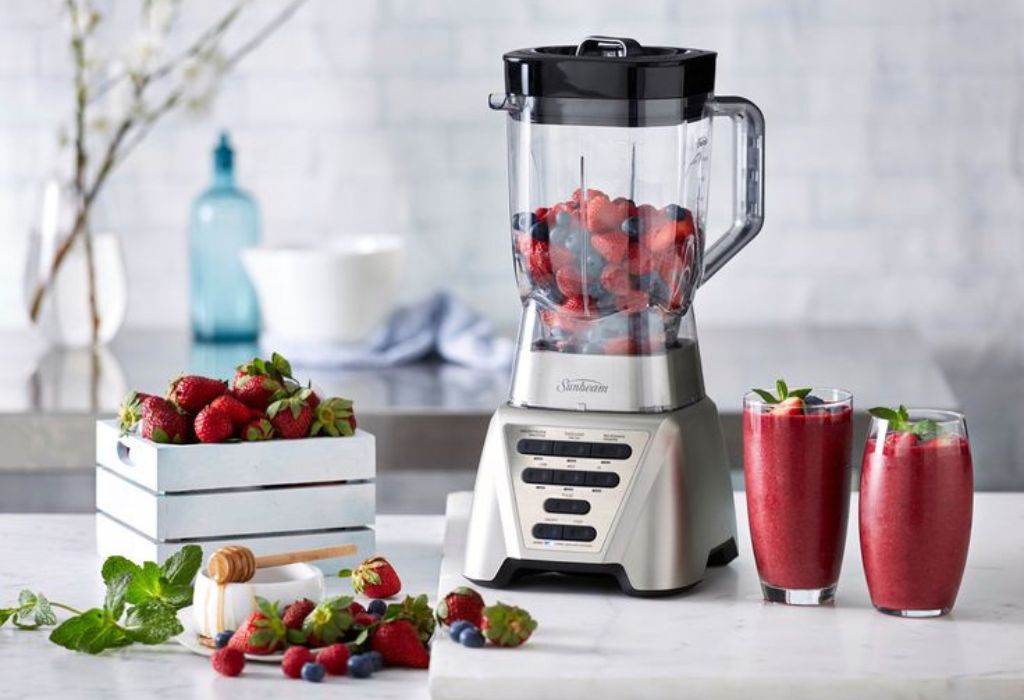
A blender can create fresh, nutrient-packed drinks that closely resemble juice, though the texture and consistency may differ.
Blenders work by pulverizing fruits and vegetables into a thick liquid that contains both juice and fiber.
Juicers, on the other hand, separate the liquid from the pulp, leaving behind a smooth, pulp-free drink.
This difference means blended juice retains more fiber and can feel heavier, but it also offers more nutrients and less waste.
If the goal is a clear, smooth juice, the key lies in straining the blended mixture through a fine-mesh sieve, nut-milk bag, or cheesecloth.
This step removes most of the pulp and gives a cleaner texture that’s similar to juice from a traditional juicer.
With a bit of patience, the result can be surprisingly close to what high-end juicers produce.
Blenders also have the advantage of convenience.
Most households already own one, making it easier and cheaper to start juicing right away without buying a new appliance.
Plus, cleanup is often simpler and quicker, encouraging more consistent use and healthier habits.
Can blenders be used as juicers?
Yes, they can. With proper straining, blenders can deliver juice-like drinks that are rich in flavor and nutrients.
Will the texture be the same as with a juicer?
Not exactly. Blender-made juice is slightly thicker but can be smoothed by straining and adding a little water.
Do you lose nutrients when blending?
No, blending actually preserves most nutrients and keeps the fiber that juicers remove.
Is the juice yield lower than a juicer?
Yes, juicers extract more liquid, but blenders make up for it with extra fiber and minimal waste.
Is a special type of blender required?
A standard countertop blender works fine, though high-power models handle leafy greens and hard produce more efficiently.
Blender vs Juicer: What Really Changes in the Glass
When comparing blenders and juicers, the biggest difference lies in how each machine processes your produce.
Blenders crush and mix everything into a single smooth liquid, while juicers extract only the juice and leave the pulp behind.
That one distinction determines not just texture and flavor, but also how much fiber, nutrients, and volume end up in your glass.
Blenders are known for retaining all the fiber from fruits and vegetables.
This fiber slows down sugar absorption, keeps you feeling full longer, and supports healthy digestion.
Juicers, in contrast, remove most of the fiber to create a cleaner, thinner drink that’s easier to digest quickly but less filling.
From a texture standpoint, blender-made juice feels thicker and heavier.
Juicers produce a lighter, clearer liquid with less foam and pulp.
If you prefer a smoother texture, straining your blended drink through a fine mesh or nut-milk bag can help you get closer to a pure juice experience.
The yield also varies.
Juicers usually extract more liquid because they separate the pulp efficiently, while blenders often hold some juice within the fiber.
Still, blenders compensate with greater nutrient retention and reduced waste since every part of the produce is used.
Energy efficiency and cost matter too.
A powerful juicer can be expensive and time-consuming to clean, while a blender is faster to use and easier to maintain daily.
For many people, this convenience is enough reason to start blending instead of juicing.
Which is healthier daily?
Blenders generally win for fiber and satiety, making them ideal for everyday use.
Which gives a clearer liquid?
Juicers provide clearer results, but strained blender juice can come close.
Which is faster to use?
Centrifugal juicers are faster at extraction, though blenders save time on prep and cleanup.
Which offers better value?
Blenders are more versatile and budget-friendly, suitable for both smoothies and juice-like drinks.
Which retains more nutrients?
Both methods preserve nutrients well, but blending keeps the fiber that juicing removes.
How to Make “Juice” With a Blender (Step-by-Step)
Creating fresh juice with a blender is easier than it sounds.
With the right preparation, ingredients, and a simple straining technique, you can achieve a texture that’s smooth, flavorful, and close to what a juicer produces.
This method saves time, reduces waste, and allows full control over ingredients.
Start by choosing fresh, ripe fruits and vegetables.
High-water produce like oranges, cucumbers, and pineapples blend smoothly, while fibrous greens such as kale or spinach may need extra blending time.
Adding a small amount of water helps create the swirling motion that evenly breaks down the ingredients.
Once blended into a thick liquid, the next step is straining.
Pour the mixture through a nut-milk bag, cheesecloth, or fine mesh sieve to separate the pulp.
Press gently to release every drop of juice, and let the remaining fiber sit aside for composting or recipes like smoothies or soups.
If the juice appears foamy, let it rest for a few minutes so bubbles can rise to the top.
You can skim the surface for a cleaner finish or strain again for extra clarity.
Chill before serving to enhance freshness and flavor.
This process takes only a few minutes, and cleanup is minimal.
With consistency and practice, your blender can produce refreshing, nutrient-packed drinks that rival any juicer’s output.
Do you need to add water when blending?
Yes, a small amount helps create smoother circulation and easier blending.
What’s the best tool for straining?
A nut-milk bag or fine mesh sieve removes most pulp and creates a clean, smooth juice.
Can immersion blenders be used?
Yes, but countertop blenders work better for tougher greens and larger batches.
What if the juice is too thick?
Add a bit more water or strain it twice for a lighter consistency.
How to reduce foam in the final juice?
Let it rest for a few minutes or pour slowly to separate the clear layer from the top foam.
What to Juice in a Blender: Produce That Works Best
Not every fruit or vegetable behaves the same when blended.
Some release plenty of water and flavor instantly, while others need more effort to achieve a smooth, juice-like consistency.
Understanding which ingredients work best can save time and help you craft perfectly balanced drinks.
Fruits with high water content—such as oranges, grapes, melons, pineapples, and berries—are ideal for blending.
They produce liquid easily and require minimal straining.
Blending these with a splash of water creates a refreshing, naturally sweet juice that stays vibrant and smooth.
Leafy greens like spinach, kale, parsley, and mint add a nutrient boost but may require a powerful blender or longer blending time.
When mixed with softer fruits, their earthy flavor becomes lighter and more enjoyable.
Straining afterward helps remove fibrous bits for a cleaner drink.
Hard vegetables, including carrots, beets, and ginger, can be blended successfully but need extra blending time and water.
They bring depth and color to the juice, although their texture may feel slightly grainy if not strained well.
A second pass through a fine mesh or nut-milk bag can make these juices clearer and smoother.
Experimenting with ingredient combinations not only improves flavor but also maximizes nutrition.
Using the right mix of fruits and vegetables can make blender juicing just as rewarding as using a traditional juicer.
Can blenders handle celery juice?
Yes, blend celery with a little water and strain well for a smooth texture.
Do citrus membranes ruin texture?
Straining removes most pulp and membranes, leaving the juice clear and refreshing.
Are frozen fruits suitable for blender juice?
Yes, but thaw them slightly for easier blending and smoother results.
Can I juice ginger in a blender?
Yes, chop it finely and strain to remove the fibrous strands for a cleaner taste.
What about leafy greens?
Blend them longer or pair them with juicy fruits to improve texture and balance flavor.
If You’re Juicing Often: When a Juicer Beats a Blender
For occasional juice drinkers, a blender can do the job perfectly well.
However, if juicing becomes part of a daily routine, certain differences begin to matter—especially yield, texture, and long-term convenience.
That’s when investing in a dedicated juicer can truly make sense.
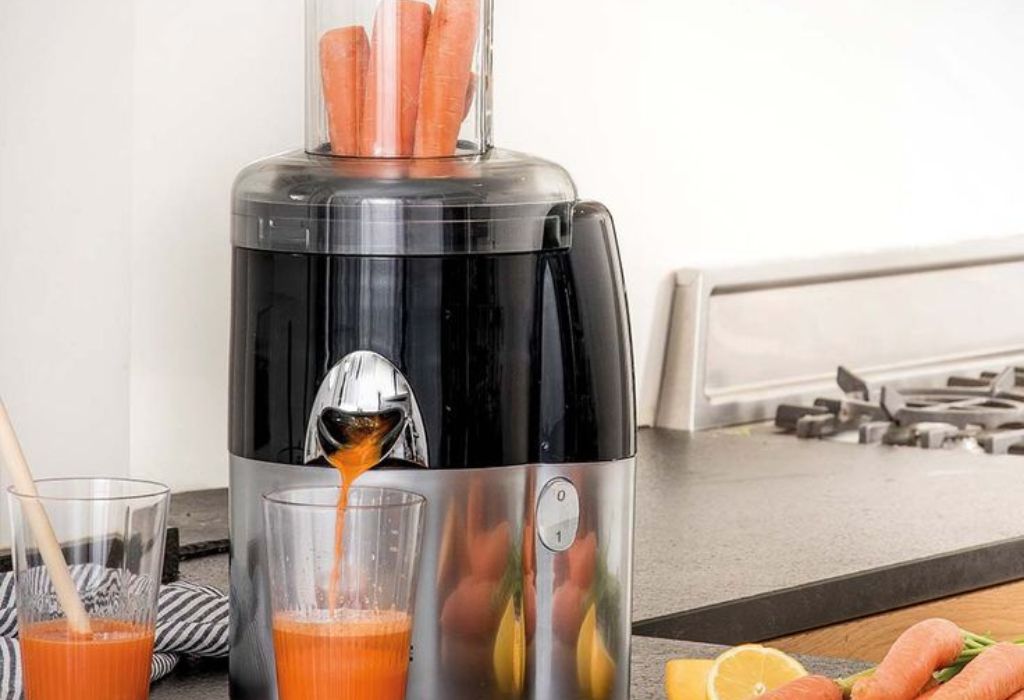
Juicers are designed to separate pulp from liquid efficiently, producing a smoother, clearer drink without the need for straining.
This means less foam, no grainy texture, and a consistent juice every time.
Blenders, while versatile, require manual straining and often leave a slightly thicker finish.
When juicing every day, speed and cleanup time also become key factors.
Blenders take less prep time since you can toss in larger chunks, but juicers save time
afterward because they produce ready-to-drink juice with no extra steps.
Still, the cleaning process varies depending on the juicer type—centrifugal or masticating.
Centrifugal vs. Masticating Juicers
Centrifugal juicers use high-speed spinning blades to extract juice quickly.
They’re ideal for beginners because they’re fast and budget-friendly, though they can introduce more foam and slightly reduce nutrient retention due to heat.
Masticating juicers, also called slow or cold-press juicers, use an auger to crush produce gently.
This method preserves nutrients better, yields more liquid, and creates minimal foam.
The process takes longer, but the results are cleaner and more concentrated.
Cleanup, Noise, and Learning Curve
Masticating juicers tend to be quieter but involve more parts to wash.
Centrifugal juicers are louder yet simpler to assemble and operate.
For many, the trade-off between speed, quality, and maintenance determines which type is worth the investment.
Cost and When to Upgrade
If juicing is an occasional habit, a blender and strainer are more than enough.
But if it becomes a daily wellness ritual, a quality juicer pays off through time savings, texture consistency, and yield.
Juicer or blender for daily greens?
A masticating juicer gives smoother, pulp-free juice and handles leafy greens best.
Is upgrading to a juicer worth it?
Yes, if you juice daily and value clarity, yield, and time efficiency.
Which one is quieter?
Masticating juicers are slower but much quieter than blenders or centrifugal juicers.
Which cleans faster?
Blenders are quicker for casual use, but some modern juicers now feature easy-clean systems.
Do juicers waste more produce?
They separate pulp, but the fiber can be reused in soups, muffins, or compost.
Nutrition Angle: Fiber, Satiety, and AEO-Friendly Answers
When deciding between blending and juicing, nutrition often becomes the deciding factor.
Both methods extract valuable vitamins and minerals, but the real difference lies in fiber retention and how the body processes natural sugars.
Understanding this can help you choose the method that best supports your health goals.
Blending keeps the whole fruit or vegetable intact, meaning fiber stays in the drink.
This slows down sugar absorption, keeping you full longer and preventing sudden energy crashes.
Juicing, on the other hand, removes fiber entirely, which can make the drink taste lighter but also lead to quicker spikes in blood sugar.
Fiber doesn’t just support digestion—it also promotes gut health, heart function, and stable cholesterol levels.
It adds bulk to your diet and helps your body manage hunger effectively.
For people looking to improve satiety or maintain steady energy, blending is often the better daily choice.
Portion size is another key element.
A glass of blended juice usually contains the equivalent of one to two servings of fruits and vegetables, depending on the mix.
Juices may require more produce to achieve the same volume, which can increase sugar intake if not balanced properly.
Blender-based juices also align better with answer engine optimization (AEO) because they address specific, factual questions directly—like whether fiber impacts fullness or how it affects digestion.
This makes them both healthier and more likely to appear in AI-driven search results.
Is smoothie or juice better for daily nutrition?
Smoothies or blended juices are better for daily use since they retain fiber and promote fullness.
Does blending destroy nutrients?
No, blending preserves most vitamins and minerals; heat and oxidation are minimal.
Does fiber affect sugar absorption?
Yes, fiber slows sugar release, helping stabilize blood sugar levels.
How much blended juice should you drink per day?
One to two glasses daily are enough to supplement fruit and vegetable intake.
Is juice still healthy without fiber?
Yes, but it’s best enjoyed occasionally, paired with other fiber-rich foods.
Techniques to Improve Blender-Juice Clarity
Blender-made juice can taste fresh and vibrant, but the texture often gives away its origin.
The presence of fine pulp or foam can make the drink feel heavy compared to traditional juice.
Fortunately, with a few smart adjustments, you can create clear, silky juice that looks and feels just like the real thing.
Start by pre-diluting your ingredients.
Add a small amount of water before blending to help the blades move smoothly and reduce friction.
This allows the blender to process fruits and vegetables more evenly, creating smaller particles that strain more easily later.
Another simple trick is to blend in two stages.
Run the first cycle to break everything down, then a shorter second cycle to refine texture.
This double-blend technique helps minimize grit and makes the mixture easier to pour through a filter.
Once blended, straining becomes the key to clarity.
Pour the mixture through a nut-milk bag or fine mesh sieve over a large bowl.
Press gently to extract the liquid, and allow gravity to do the rest for a cleaner, foam-free finish.
Finally, let your juice rest and chill.
As it sits, tiny bubbles rise to the surface and larger pulp particles settle at the bottom.
Pour off the clear layer carefully for a glass that looks professionally pressed.
These simple steps turn an everyday blender into a capable juicing tool, saving both money and counter space while improving results.
Why is my juice gritty?
It may not have blended long enough, or the strainer’s mesh could be too wide.
Can I strain twice for extra smoothness?
Yes, double-straining produces clarity similar to a cold-pressed juicer.
How do I reduce foam?
Let the juice rest for a few minutes or skim the surface gently before pouring.
Do I lose nutrients by straining?
You lose some fiber but retain most vitamins and minerals in the liquid.
Should I chill the juice before serving?
Yes, cooling enhances flavor and helps the remaining pulp settle naturally.
Budget Paths: Start With a Blender, When to Upgrade
Getting started with juicing doesn’t have to drain your wallet.
In fact, most people already own the one tool that can do the job—a blender.
Whether you’re experimenting with homemade juices or considering a long-term habit, understanding the cost ladder helps you make smart, value-based choices.
At the most affordable level, a blender and a nut-milk bag are all you need.
This setup lets you create smooth, fresh juice with minimal investment.
It’s perfect for beginners who want to try juicing without buying a separate machine, and it’s easy to clean up after every use.
For those who juice a few times a week, an entry-level centrifugal juicer might be worth the upgrade.
These models use high-speed blades to extract juice quickly, ideal for busy schedules.
However, they can introduce more foam and slightly reduce nutrient retention because of the heat and oxidation from fast spinning.
If juicing becomes a daily wellness routine, investing in a masticating (cold-press) juicer delivers the best long-term value.
It produces cleaner juice, preserves more nutrients, and handles leafy greens effortlessly.
Though slower and more expensive, it provides excellent yield and flavor clarity over time.
No matter where you start, the key is consistency.
A blender is the best entry point to build the habit, and upgrading later ensures your process matches your goals and lifestyle.
What’s the cheapest way to start juicing?
A standard blender paired with a nut-milk bag or fine strainer is all you need.
When should you upgrade to a juicer?
If you juice daily or prefer pulp-free, crystal-clear results, it’s worth upgrading.
Are compact juicers reliable?
Yes, many affordable models now offer good performance for small kitchens.
What about noise and maintenance?
Masticating juicers are quieter but take longer to clean; blenders are faster overall.
Is an expensive juicer always better?
Not always—choose based on usage frequency, yield needs, and available space.
Sample Blender-Juice Recipes (Designed for Straining)
Once you understand the blending and straining process, creating flavorful juice combinations becomes effortless.
The key is to pair high-water fruits with nutrient-rich greens or roots for a balanced, refreshing result.
Below are three versatile recipes specifically designed for blenders—they strain easily, taste amazing, and deliver a smooth, clean finish.
Classic Green Blender Juice
This is a nutrient-packed favorite that blends flavor and freshness.
Combine cucumber, apple, spinach, lemon juice, and water, then blend until smooth.
Strain through a nut-milk bag or fine mesh to remove pulp.
The result is a crisp, hydrating juice perfect for mornings or post-workout energy.
Citrus-Ginger Refresher
Bright and tangy, this juice helps boost immunity and digestion.
Blend oranges, pineapple chunks, and a small piece of fresh ginger with a bit of water.
Strain to remove fibers and pulp for a smooth, zesty drink.
The ginger adds a warming kick that balances the sweetness of the fruit.
Berry-Herb Cooler
Perfect for summer, this recipe combines antioxidants and freshness.
Blend strawberries, blueberries, mint leaves, lime juice, and cold water.
Strain well to achieve a velvety texture and a refreshing berry aroma.
Serve chilled with ice for a naturally sweet, low-calorie treat.
Blender-friendly recipes like these prove that you don’t need an expensive juicer to make high-quality beverages.
They’re quick, easy, and adaptable—ideal for anyone wanting fresh juice at home without complicated steps.
Can I prepare blender juice in advance?
Yes, refrigerate it in an airtight container for up to two days to preserve freshness.
Is it safe to freeze leftover juice?
Yes, freeze in small portions to maintain nutrients and texture.
Can I add protein or supplements?
Add them after straining to keep the juice smooth and consistent.
Should I peel fruits before blending?
Peel thick-skinned fruits like oranges, but keep the skin on apples and cucumbers for extra fiber.
Can I use frozen fruits directly?
Yes, but let them thaw slightly for smoother blending and easier straining.
Safety, Storage, and Cleanup
Creating fresh juice at home is rewarding, but proper storage and cleaning are essential to keep it safe and delicious.
Juices made in a blender can spoil faster than commercial ones because they contain no preservatives.
Following a few simple steps helps maintain freshness, flavor, and hygiene.
Cold Handling and Oxidation
Always use clean, fresh produce and cold water before blending.
Blending introduces air, which can speed up oxidation and slightly change color over time.
To minimize this, chill your ingredients and refrigerate the juice immediately after preparation.
Avoid leaving it at room temperature for long periods.
Storage Windows
Blender-made juices taste best when consumed right away.
If storing, keep them in airtight glass bottles or jars and refrigerate for up to 48–72 hours.
For longer preservation, freeze the juice in small portions and thaw in the fridge before drinking.
Remember, freshly strained juice without preservatives has a shorter shelf life than bottled alternatives.
Cleaning Workflow
Proper cleaning keeps both your blender and straining tools in good condition.
Rinse the blender jar immediately after use to prevent pulp from sticking.
Wash all parts with warm, soapy water and a soft sponge.
For nut-milk bags or cheesecloths, turn them inside out, rinse thoroughly, and let them air dry completely to prevent odor or mold.
Maintaining cleanliness not only ensures hygiene but also improves taste and equipment lifespan.
With these steps, your blender will always be ready for the next batch of refreshing juice.
How long does homemade juice last in the fridge?
Usually 2–3 days when kept in an airtight container.
Can I freeze juice for later use?
Yes, freezing preserves nutrients for up to a month.
What are signs that juice has spoiled?
Any sour smell, gas buildup, or separation beyond normal settling means it’s time to discard it.
How do I clean a nut-milk bag properly?
Rinse it immediately, hand-wash with mild soap, and air dry completely.
Is it safe to use the dishwasher for cleanup?
Most blenders are dishwasher-safe, but always check manufacturer guidelines first.
Conclusion
So, can blenders be used as juicers? Absolutely—when done correctly.
A blender may not produce the same pulp-free clarity as a traditional juicer, but it offers a practical, affordable, and nutrient-rich alternative.
By blending and straining carefully, you can enjoy fresh, smooth drinks without needing extra equipment or spending more money.
Blender-made juices retain fiber that supports digestion, keeps you full longer, and helps balance blood sugar levels.
They also make it easier to include more fruits and vegetables in your daily routine—something most people struggle with.
While juicers excel in clarity and yield, blenders win in convenience, versatility, and cost-effectiveness.
If you’re just starting your juicing journey, begin with a blender and a fine strainer to test the process.
Once the habit becomes part of your lifestyle, consider upgrading to a masticating juicer for even cleaner, professional-quality juice.
Either way, you’ll be one step closer to building a healthier, more energized routine—one glass at a time.

I’m Emma J. Caldwell, the founder, lead writer, and home-cooking enthusiast behind KitchenGuideCo.com. With a background in culinary arts and over a decade of cooking experience in both professional and personal kitchens, I created this platform to demystify recipes, offer smart kitchen gadget reviews, and guide readers through meal prep with confidence and clarity.