Early morning sunlight hits the kitchen counter as fresh oranges, apples, and spinach wait beside a shiny blender.
The plan is simple: make a refreshing glass of juice. But as the blades spin and the mixture thickens, one question comes to mind—can blenders make juice, or is that creamy texture just another smoothie in disguise?
Many home cooks face this same dilemma. They crave the light, refreshing consistency of juice but only have a blender sitting on the counter.
The confusion grows when recipes promise “blender juice,” yet the result feels pulpy and dense. It’s no surprise that 68% of households own a blender, while only 32% own a juicer, according to Statista. (Statista Source)
This creates a practical question for anyone who loves fresh produce: is it possible to skip buying a separate juicer and still enjoy smooth, nutrient-rich juice at home?
Understanding how blending differs from juicing is key to unlocking that answer. Each method extracts nutrition differently, affecting everything from texture to vitamin retention.
Studies suggest that blending retains more fiber, while juicing delivers faster nutrient absorption. (Harvard Health) Both have unique benefits depending on health goals, taste preference, and equipment.
Defining Juice vs Smoothie: What’s the Difference?
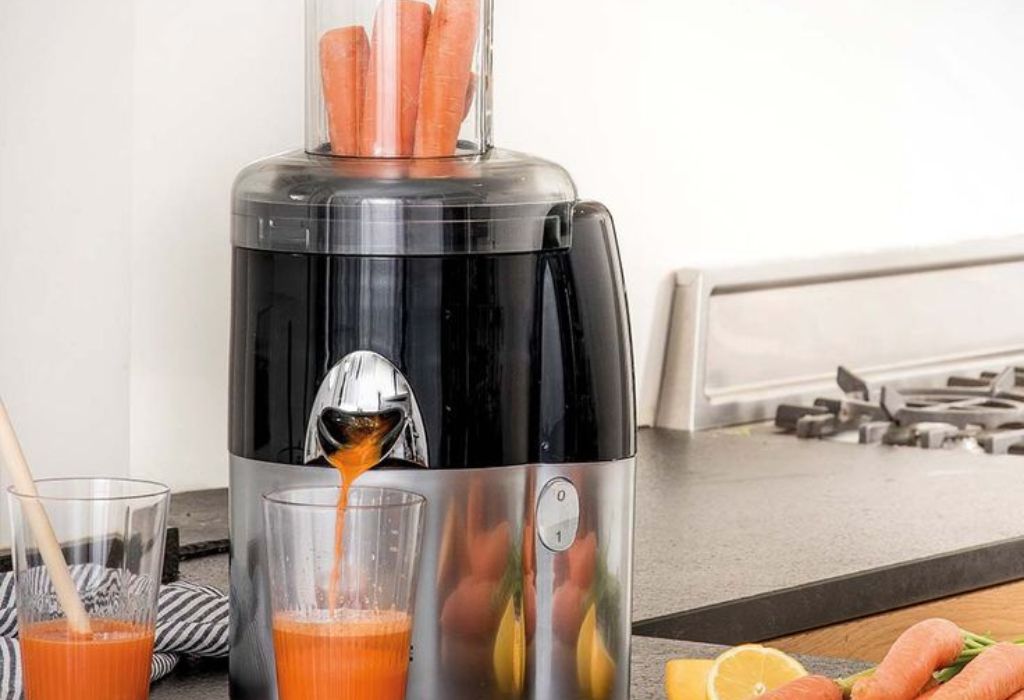
When discussing can blenders make juice, it’s essential to first understand what separates juice from a smoothie. Both beverages use fruits and vegetables as their foundation, but the difference lies in how the ingredients are processed and how much fiber remains in the final drink.
Juice is created by extracting the liquid from produce while removing most of the pulp and insoluble fiber.
The result is a thin, nutrient-dense liquid that is quickly absorbed by the body. Smoothies, on the other hand, blend the entire fruit or vegetable—pulp, fiber, and skin included—resulting in a thicker and more filling beverage.
This difference in consistency is more than just texture. It directly affects digestion, nutrient absorption, and overall energy release.
Juices are absorbed faster because there’s no fiber to slow the process, making them ideal for quick hydration and instant energy boosts. Smoothies digest more slowly, keeping you fuller for longer and helping regulate blood sugar levels.
Nutritional research from the Harvard School of Public Health explains that fiber plays a major role in metabolic health, reducing the risk of heart disease and diabetes when consumed regularly.
(Harvard Health) However, removing fiber during juicing allows certain nutrients, like vitamin C and antioxidants, to be absorbed more efficiently in the short term. This makes both options beneficial depending on personal health goals and timing.
From a texture standpoint, juice is light, clear, and refreshing—perfect for those who prefer a clean finish. Smoothies are thicker, creamy, and often served as meal replacements.
Understanding these characteristics helps set realistic expectations for what your blender can deliver. A blender can liquefy produce effectively, but without a filtration step, the final product will naturally contain fiber and pulp.
It’s also worth noting that the line between juice and smoothie has blurred with modern technology. High-powered blenders now create ultra-smooth liquids that closely resemble juice, especially when strained through a nut milk bag or fine mesh sieve.
For many, this method achieves the best of both worlds—fiber-rich nutrition with the refreshing feel of fresh juice.
Ultimately, when exploring can blenders make juice, it’s not just a matter of capability but of definition. A blender can absolutely create juice-like beverages, but understanding the core difference between a smoothie and true juice helps set your expectations before the first pour.
Can Blenders Make Juice?
Yes—blenders can make juice, and quite effectively when used correctly. The key lies in how the process is managed, from ingredient preparation to post-blend straining.
While a traditional juicer separates pulp automatically, a blender requires a manual filtration step to achieve that same smooth, liquid consistency.
The concept of using a blender to make juice isn’t new, but it’s often misunderstood. The blending method relies on high-speed blades to break down fruits and vegetables into microscopic particles, releasing both juice and fiber into a single mixture.
Once blended, the mixture can be poured through a fine mesh strainer, cheesecloth, or nut milk bag to separate the liquid from the pulp. The result is a nutrient-packed juice that rivals what a traditional juicer can produce.
A high-speed blender is especially important for this process. Models like Vitamix, Ninja, or Blendtec are powerful enough to pulverize fibrous greens and hard fruits into a liquid base, making it easier to strain.
Standard blenders can still make juice, but they might require slightly more liquid or blending time to achieve the same consistency.
Blenders have a few advantages over juicers. They’re more versatile—able to make smoothies, soups, sauces, and even nut milks.
They’re also easier to clean, and most households already own one. However, blenders don’t inherently separate pulp, so the final texture depends on whether or not you strain the mixture.
When evaluating can blenders make juice, it’s also important to consider the nutritional perspective. Blenders retain more fiber, which supports digestion, satiety, and cholesterol balance.
Juicers, by contrast, remove fiber but offer rapid nutrient absorption and smoother texture. Each has unique benefits, but the blending method allows users to choose between a thicker, fiber-rich drink or a smoother, strained juice—all from one appliance.
For best results, use soft fruits like oranges, pineapples, or berries combined with hydrating vegetables such as cucumbers and celery.
Adding a small amount of water or coconut water helps blades move smoothly and prevents overheating. After blending, strain thoroughly for a cleaner, juice-like finish.
The takeaway: a blender can absolutely make juice—it just takes a bit of technique. By understanding how to combine ingredients, manage consistency, and strain properly, you can transform your everyday blender into a capable juice-making machine that delivers freshness, nutrition, and flavor in every glass.
Benefits and Limitations of Using a Blender for Juice
When examining can blenders make juice, it’s important to weigh both the strengths and weaknesses of using a blender for this purpose.
While blenders can absolutely produce juice-like results, understanding their capabilities helps set realistic expectations for texture, flavor, and yield.
A blender is one of the most versatile kitchen appliances. It can chop, puree, emulsify, and liquefy, allowing it to perform many of the same functions as a juicer—at least in part.
When used with the right combination of ingredients and techniques, a blender can create refreshing, nutrient-rich drinks that closely resemble traditional juices.
The Advantages of Blender-Made Juice
The biggest advantage of using a blender is convenience. Most households already own one, so there’s no need to purchase an additional appliance.
This makes it a cost-effective solution for people who want fresh juice without spending money on a juicer. Another major benefit is versatility.
A blender can do more than juice—it can make smoothies, soups, sauces, dips, nut milks, and even baby food. This multi-functionality makes it an essential part of any modern kitchen.
Nutritionally, blending retains the entire fruit or vegetable, including the fiber. Fiber plays a crucial role in digestion, blood sugar control, and heart health.
According to the Centers for Disease Control and Prevention (CDC), fiber helps maintain gut health and reduces the risk of chronic diseases.
(CDC Source) Retaining fiber means the resulting beverage is thicker than traditional juice but provides more sustained energy and improved digestion.
Blender-made juice also minimizes waste. Traditional juicers often discard pulp that still contains nutrients.
With a blender, the pulp can be reused in soups, muffins, or composting—making the process both sustainable and economical. Cleanup is another advantage since blenders are generally easier to rinse than multi-part juicers.
From a practical standpoint, the blender juicing method offers a high level of control. Users can decide how much pulp to keep, how thin or thick they want the drink, and how much water or liquid to add. It’s a customizable experience that allows for experimentation and personalization.
The Limitations and Trade-Offs
Despite these advantages, there are a few drawbacks to consider. The most noticeable is texture. Blender-made juice tends to be thicker or grainier than juice made from a dedicated juicer.
Achieving a clear, smooth consistency requires an additional straining process using a fine mesh sieve, nut milk bag, or cheesecloth. This extra step takes time and adds minor cleanup.
Another limitation involves juice yield. Juicers are designed to extract the maximum amount of liquid from produce, while blenders blend everything together. As a result, blender juice may have slightly less liquid and more fiber, especially if the pulp is not fully strained.
Blending can also introduce more air into the mixture, leading to faster oxidation. This may reduce the shelf life of the juice compared to juicer-made versions.
Nutrients like vitamin C and certain antioxidants degrade more quickly when exposed to air. However, consuming the juice immediately after blending helps preserve its nutritional value.
Finally, very fibrous vegetables like celery, kale, or wheatgrass can challenge a standard blender. These ingredients may produce a thicker, stringy texture unless blended with sufficient liquid or processed in smaller batches.
High-powered blenders, such as those exceeding 1000 watts, handle these tougher ingredients better than entry-level models.
In conclusion, while blenders can make juice, there are both pros and cons. For casual or occasional juicing, a blender is more than sufficient—offering flexibility, convenience, and great nutritional benefits.
However, for those who juice daily, prioritize smooth texture, or process large quantities of produce, a dedicated juicer remains the more efficient choice.
Step-by-Step: How to Make Juice in a Blender
Making juice in a blender may sound simple, but technique matters more than many people realize.
To truly answer can blenders make juice, you need to approach the process strategically—choosing the right ingredients, preparing them properly, blending at the right speed, and finally straining for that smooth, juice-like consistency. Each step ensures your drink tastes fresh, vibrant, and nutrient-rich.
The beauty of this method is that it doesn’t require expensive equipment. With just a blender, a strainer, and some fresh produce, you can craft refreshing, homemade juice in minutes.
The process allows for creativity and flexibility, letting you experiment with fruits, vegetables, and even herbs to create unique flavor combinations that rival store-bought juices.
Preparation and Ingredient Selection
The first step to making quality blender juice is preparation. The freshness and type of produce determine the flavor, texture, and nutrient value of the final drink. Always start with ripe fruits and crisp vegetables, as these yield more liquid and have stronger natural sweetness.
Begin by washing all ingredients thoroughly under running water. Remove peels from tough or bitter-skinned items like citrus, pineapples, or beets.
For soft fruits such as berries or peaches, the skin can stay on since it adds valuable antioxidants. Chop everything into small, even pieces to reduce strain on the blender motor and promote smoother blending.
Hydrating ingredients like cucumbers, watermelons, and oranges are perfect for achieving a thinner consistency. Pair them with fiber-rich vegetables such as carrots, spinach, or kale for balanced nutrition.
Adding a small amount of water, coconut water, or already prepared juice helps blades move efficiently and prevents overheating.
Timing also matters. Blend ingredients as soon as they’re prepared to minimize oxidation. If produce sits too long after chopping, nutrient loss begins rapidly due to air exposure. For optimal freshness, blend and consume immediately after preparation.
Blending Process and Speed Control
The blending phase is where most of the magic happens. High-speed blades break down cell walls, releasing the liquid and nutrients locked inside the fruits and vegetables.
Start at a low speed to pull ingredients toward the blades. Once everything begins circulating, increase to high speed for 30–60 seconds. The blending time depends on the type of produce and the power of your blender.
For soft fruits like strawberries or oranges, blending takes less time. For fibrous greens such as kale or celery, an extra 30 seconds may be required to achieve a uniform texture.
If your blender struggles with thicker mixtures, stop and stir the contents. Adding a splash of water or coconut water can help create a smoother vortex and reduce strain on the motor.
The goal is to liquefy everything evenly without generating too much heat, as high temperatures can slightly degrade delicate nutrients like vitamin C.
Keep a close eye on consistency. Over-blending can make the mixture foamy or warm, while under-blending leaves chunks and grit. A properly blended juice should look smooth, light, and pour easily from the jar.
Straining for a Smooth, Pulp-Free Finish
This step determines whether your drink qualifies as true juice or remains closer to a smoothie. Pour the blended mixture into a nut milk bag, cheesecloth, or fine mesh strainer placed over a large bowl or pitcher. Slowly squeeze or press the mixture to separate the liquid from the pulp. This manual filtration removes most fibers and solids, leaving behind a silky, nutrient-rich juice.
The leftover pulp isn’t waste—it’s packed with fiber, minerals, and flavor. You can reuse it in baked goods, vegetable soups, or compost to reduce food waste. For example, carrot or apple pulp adds moisture and sweetness to muffins or pancakes.
If you prefer a slightly thicker texture, strain only once. For a lighter, more refined drink, strain twice. The filtered juice can be served immediately or chilled for 10–15 minutes for a crisp, refreshing taste.
Always store any leftover juice in an airtight glass container in the refrigerator and consume it within 24 hours for maximum freshness and nutrient retention.
H3: Tips for Better Taste and Nutrition
Blending doesn’t just depend on technique—it’s also about smart ingredient pairing. Combine sweet and tart elements for balance: apples with spinach, pineapple with cucumber, or carrots with oranges. For extra zing, add lemon, ginger, or mint during blending.
To retain the highest nutritional value, avoid heating the mixture or leaving it exposed to air for long periods. Drink your juice soon after preparation to prevent oxidation. A dash of lemon juice also slows color and flavor degradation naturally.
Finally, consistency is key. Experiment with water ratios, straining methods, and flavor combinations until you find your ideal texture. The more you practice, the easier it becomes to customize the process for different fruits and vegetables.
Choosing the Right Blender and Accessories for Juice
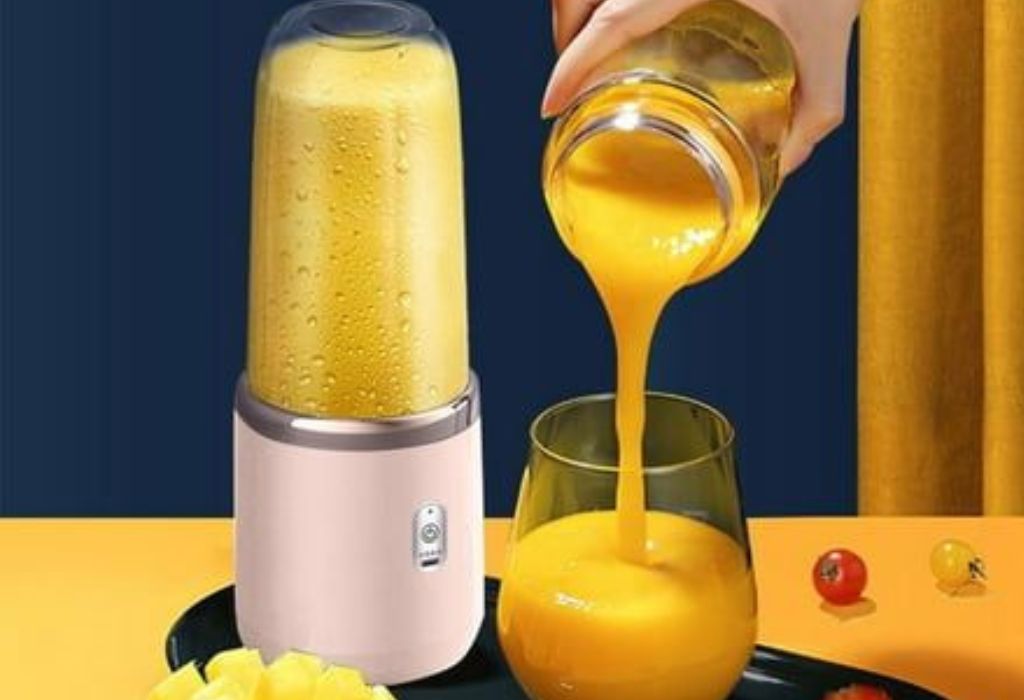
When exploring can blenders make juice, one of the most overlooked factors is the type of blender and accessories used. Not every blender is designed for the same level of power, blade precision, or endurance.
Choosing the right equipment dramatically affects not only the texture of your juice but also how easy and enjoyable the process becomes. A good blender can transform fruits and vegetables into silky liquid, while a poor-quality one may leave a chunky, uneven mess.
A powerful, well-designed blender ensures smoother blending, higher nutrient extraction, and less manual straining afterward. In contrast, low-speed blenders often require more liquid, longer blending times, and additional filtering.
For those serious about homemade juice, investing in the right model pays off in both convenience and quality.
Key Blender Features That Affect Juice Quality
The motor power is the foundation of any blender’s performance. A model with at least 700 watts is recommended for soft fruits and everyday use.
For tougher produce like carrots, kale, or beets, aim for a blender with 1000 watts or more. High-speed units like Vitamix or Blendtec can break down even fibrous vegetables into near-juice consistency, making the straining process much simpler.
Another essential feature is blade design. Look for stainless-steel blades with a combination of sharp and blunt edges. Sharp edges cut through softer fruits, while blunt tips crush harder ingredients. Multi-level blades also improve circulation, ensuring that no chunks remain.
The jar shape plays an underrated but crucial role. Tall, narrow jars help create a stronger vortex, pulling ingredients toward the blades for consistent blending.
Wider jars, while easier to clean, sometimes struggle with small batches of produce because the mixture sticks to the sides. For regular juice-making, a narrow jar with a tamper tool provides the best balance of power and control.
Material also matters. Glass jars don’t retain odors and are easier to clean, while BPA-free plastic jars are lightweight and shatter-resistant. For high-powered blending, durable Tritan plastic is often preferred for safety and performance.
Lastly, speed control and pulse functions offer flexibility. Start slow to move ingredients, then gradually increase speed to achieve finer texture. The pulse option helps break down tough ingredients without over-blending, preserving more nutrients and preventing heat buildup.
Must-Have Accessories for Better Blender Juicing
While the blender does most of the work, accessories are what refine the final result. A nut milk bag is the most effective tool for straining pulp and achieving a true juice texture.
These bags are made from fine nylon or mesh fabric that allows liquid to pass through while catching even the smallest particles of fiber. A fine mesh strainer is another good option, though it may not filter as thoroughly as a nut milk bag.
A silicone spatula is helpful for scraping the sides of the blender and transferring juice efficiently into the straining bag without losing any liquid. Some juice enthusiasts also use pouring funnels to minimize mess when transferring juice into bottles or containers.
If you plan to make juice frequently, reusable glass storage bottles are worth investing in. Glass preserves freshness better than plastic and prevents unwanted flavor absorption. Airtight lids help extend shelf life and keep your juice vibrant and clean-tasting for up to 24 hours.
Another optional accessory is a pulp container. When straining, it helps to have a dedicated bowl or container for collecting pulp.
This makes it easier to reuse leftovers for baking or composting. Reusing pulp reduces food waste and maximizes value from each batch of produce.
Tips for Choosing the Perfect Blender Setup
Selecting the right blender setup depends on how often you plan to make juice and what kinds of ingredients you use most.
For occasional juicing, a mid-range blender around 700–900 watts will do just fine for soft fruits like oranges, apples, or cucumbers. If you enjoy green juices or root vegetable blends, a high-powered professional blender will deliver better texture and faster results.
Before buying, check the manufacturer’s warranty. Premium brands like Vitamix often offer long warranties because their blenders are built for heavy-duty use. This ensures durability even if you use your blender daily for juicing or smoothies.
It’s also smart to consider cleaning convenience. Removable blades and dishwasher-safe jars make daily cleanup effortless. Avoid blenders with too many detachable parts, as they can trap pulp residue and take longer to maintain.
For those looking to go beyond basic juice-making, consider add-on features like preset programs or digital timers.
Some modern blenders include “juice” or “liquid” modes that automatically optimize blending speed and duration to achieve smoother results without manual adjustment.
Ultimately, your blender setup should suit your lifestyle, ingredient preferences, and budget. With the right combination of power, design, and accessories, you can easily produce high-quality juice that rivals what’s made in a juicer—proving once again that the answer to can blenders make juice is a confident yes.
Can blenders make juice like a juicer?
Yes, blenders can make juice that’s very close in quality to juicer-made drinks. However, to achieve a smooth, pulp-free texture, the blended mixture should be strained through a fine mesh strainer, nut milk bag, or cheesecloth.
What is the difference between blender juice and juicer juice?
Juicer juice removes most fiber and pulp, giving a thinner consistency, while blender juice keeps more fiber unless strained. Blender juice often feels thicker but retains more nutrients and promotes better digestion.
Do I need a high-powered blender to make juice?
A high-powered blender, like a Vitamix or Ninja, makes the process faster and smoother—especially for fibrous vegetables like kale or carrots. Regular blenders can also make juice, but may require more liquid and blending time.
How do I make juice in a blender step by step?
Chop your fruits and vegetables, add a small amount of water or coconut water, and blend until smooth. Pour the mixture through a fine strainer or nut milk bag to separate the liquid from the pulp, and enjoy your fresh juice immediately.
Is blender-made juice as healthy as juicer-made juice?
Yes, and in some ways it can be healthier. Blender juice retains fiber that helps with digestion, satiety, and blood sugar control. While juicer-made juice is smoother, it lacks the fiber found in blended versions.
What fruits and vegetables work best for blender juice?
Soft, water-rich produce works best—such as oranges, cucumbers, pineapples, apples, and leafy greens. You can also mix fibrous vegetables like carrots or beets by adding extra liquid and blending a bit longer.
Does blending destroy nutrients in juice?
Blending does not destroy most nutrients. However, excessive blending time can create frictional heat that slightly reduces vitamin C and other sensitive antioxidants. Keeping blending time under one minute helps preserve nutrients.
Can I store blender juice for later?
Yes, but it’s best consumed fresh. Store it in an airtight glass container in the refrigerator for up to 24 hours. Adding a few drops of lemon juice can help slow oxidation and preserve color and flavor.
What should I use to strain blender juice?
A nut milk bag offers the best results for a clear, smooth texture. Alternatively, use a fine mesh strainer, cheesecloth, or even a clean kitchen towel. The finer the mesh, the smoother your juice will be.
Why use a blender instead of buying a juicer?
A blender is more versatile and budget-friendly. It can handle multiple kitchen tasks—smoothies, soups, sauces, and juice—without needing a separate appliance. It’s perfect for anyone who juices occasionally but still wants freshness and control.
Conclusion
The question can blenders make juice isn’t just about what a machine can do—it’s about understanding technique, nutrition, and practicality.
The truth is that blenders can absolutely make juice, and with the right methods, they can produce results nearly identical to a traditional juicer. What separates a good outcome from a disappointing one is how you prepare, blend, and strain your ingredients.
A high-quality blender paired with a fine mesh strainer or nut milk bag can easily transform whole fruits and vegetables into smooth, nutrient-rich juice. This approach not only saves money and space but also offers flexibility, allowing you to switch between smoothies, soups, and sauces with a single appliance.
It’s a modern solution for health-conscious individuals who want freshness and control without cluttering their kitchen with multiple machines.
Nutritionally, blender-made juice carries unique advantages. Because the fiber is retained until you choose to strain it, you can control the texture and health benefits of your drink. Fiber supports digestion, balances blood sugar, and contributes to long-lasting energy.
At the same time, blending preserves essential vitamins, minerals, and enzymes often lost in pasteurized or pre-bottled juices.
Of course, there are trade-offs. The texture might be slightly thicker, and the straining step adds a bit of effort. However, those are small compromises considering the convenience, versatility, and affordability of a blender-based juicing method.
Ultimately, whether you use a blender or a traditional juicer depends on your lifestyle and preferences. For most households, a blender offers more than enough power to create fresh, flavorful, and healthy juice every day.
So next time you reach for your blender, remember—it’s not just for smoothies. With a little care and creativity, it’s your personal juicer waiting to be put to work.

I’m Emma J. Caldwell, the founder, lead writer, and home-cooking enthusiast behind KitchenGuideCo.com. With a background in culinary arts and over a decade of cooking experience in both professional and personal kitchens, I created this platform to demystify recipes, offer smart kitchen gadget reviews, and guide readers through meal prep with confidence and clarity.