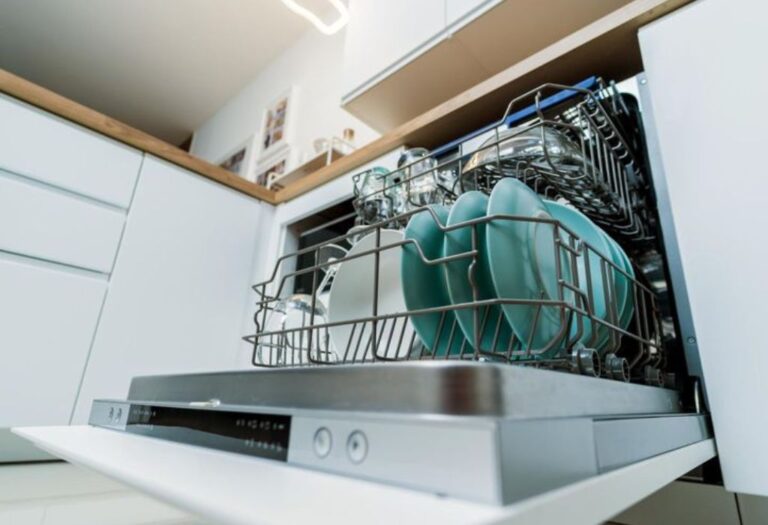
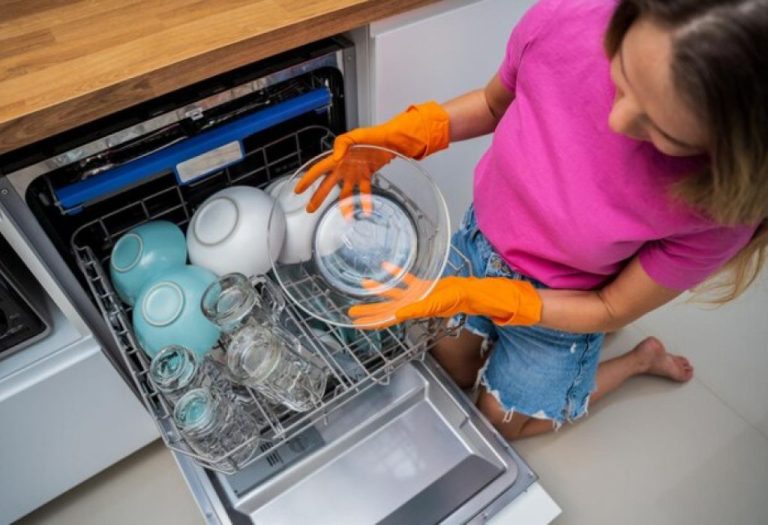
After preparing a delicious meal, the thought of tossing a cast iron skillet into the dishwasher can be tempting. Convenience calls, but this simple step can lead to unexpected damage.
Cast iron cookware is celebrated for its durability, even heat distribution, and naturally non-stick surface when properly seasoned. However, harsh detergents and high heat from dishwashers can strip away this protective layer, causing rust and sticky surfaces.
Many home cooks remain unaware of the risks involved. A study by America’s Test Kitchen found that frequent dishwasher use can degrade seasoning and reduce the lifespan of cast iron pans (source). This highlights the importance of proper cleaning and maintenance techniques.
Enameled cast iron offers more protection against rust but is not immune to dishwasher damage. Over time, repeated dishwasher cycles can dull the enamel finish and compromise the cookware’s performance.
Knowing how to care for cast iron cookware ensures it remains a reliable kitchen companion for years. Understanding the do’s and don’ts of dishwasher use can save both time and money while preserving the quality of prized pans.
Understanding Cast Iron Cookware
Cast iron cookware has been a kitchen staple for centuries due to its durability and superior heat retention. Its ability to cook food evenly while developing a natural non-stick surface makes it a favorite among professional chefs and home cooks alike.
There are two main types of cast iron cookware: bare cast iron and enameled cast iron. Bare cast iron requires regular seasoning to maintain its non-stick surface and prevent rust.
Seasoning involves coating the cookware with a thin layer of oil and heating it, creating a protective layer that enhances flavor and prevents food from sticking. Enameled cast iron, on the other hand, has a porcelain enamel coating that eliminates the need for seasoning and offers added resistance to rust and corrosion.
Bare cast iron can develop a strong patina over time, improving its cooking performance when properly maintained. Enameled cast iron provides a more low-maintenance option while still offering excellent heat distribution and durability.
The longevity of cast iron cookware depends heavily on proper care and cleaning practices. Understanding the differences between bare and enameled cast iron helps determine the best maintenance routines. Following recommended guidelines ensures that both types of cookware maintain their performance, appearance, and non-stick properties for years.
The Impact of Dishwashers on Cast Iron Cookware
Using a dishwasher for cast iron cookware can have serious consequences, especially for bare cast iron. High heat and strong detergents can strip away the seasoning, leaving the surface prone to rust and food sticking.
Even a single dishwasher cycle can remove layers of seasoning built over time, diminishing the pan’s natural non-stick properties. Over repeated washes, the cookware may develop uneven surfaces and require frequent re-seasoning to restore its performance. (source)
Enameled cast iron is more resilient but not completely immune. The high temperature and harsh detergents used in dishwashers can gradually dull the enamel coating. This may lead to minor chipping or surface wear, reducing the cookware’s visual appeal and longevity. (source)
Manufacturer recommendations universally advise against using a dishwasher for both bare and enameled cast iron. Brands like Lodge and Le Creuset emphasize hand washing to preserve seasoning, prevent rust, and maintain overall cookware performance. (source)
Understanding the impact of dishwashers is crucial for prolonging the life of cast iron cookware. Choosing proper cleaning methods ensures that both bare and enameled pans retain their heat retention, non-stick surface, and aesthetic quality for years of cooking enjoyment.
Common Mistakes When Cleaning Cast Iron Cookware
Many home cooks unintentionally damage their cast iron cookware through improper cleaning habits. These mistakes can shorten the life of both bare and enameled pans while reducing cooking performance.
Using the dishwasher is the most common error. High heat and harsh detergents strip seasoning from bare cast iron and may dull or chip enameled surfaces.
Soaking cast iron in water for long periods is another frequent mistake. Prolonged moisture exposure accelerates rust formation and can weaken the pan’s structure over time.
Scrubbing with metal utensils or abrasive cleaners can scratch the seasoning or enamel. This not only damages the surface but also compromises non-stick properties and may lead to uneven cooking.
Using soap on bare cast iron too often is also problematic. While mild soap occasionally may not ruin a well-seasoned pan, regular use removes the protective oil layer, requiring frequent re-seasoning.
Understanding these common mistakes helps home cooks adopt better care practices. Avoiding these pitfalls preserves cookware longevity, maintains non-stick surfaces, and ensures optimal cooking performance for years.
Proper Care and Maintenance of Cast Iron Cookware
Maintaining cast iron cookware is essential to ensure its longevity and optimal cooking performance. Proper care prevents rust, preserves the seasoning, and keeps food from sticking.
For bare cast iron, the first step is thorough cleaning after each use. Wipe out food residues with a paper towel or use a stiff brush with hot water for stubborn bits. Avoid soap, as it can strip the seasoning layer.
After cleaning, drying the cookware completely is crucial to prevent rust. Applying a thin layer of oil and heating the pan helps maintain the protective seasoning. Regular re-seasoning strengthens the non-stick surface and improves cooking performance over time.
Enameled cast iron is easier to maintain but still requires careful cleaning. Wash with warm soapy water using a soft sponge to avoid damaging the enamel coating. For stubborn stains, a baking soda paste can gently remove residue without scratching the surface.
Drying enameled cookware immediately after washing prevents water spots and maintains its glossy finish. Storing both bare and enameled cast iron in a dry place further protects against moisture-related damage. Using pot protectors or separators can prevent chipping for enameled pieces.
Following these care practices ensures that cast iron cookware retains its heat distribution, non-stick properties, and visual appeal. Consistent maintenance also reduces the need for costly replacements and keeps pans performing at their best for decades.
Alternatives to Dishwasher Cleaning
Not all cast iron cookware is harmed by dishwashers. Some modern pans are designed to be dishwasher-safe, offering convenience without sacrificing durability.
Brands like Vermicular produce cast iron cookware that can withstand dishwasher cycles, making cleaning easier for busy households. (source)
Even with dishwasher-safe options, hand washing remains the most reliable method to preserve cookware quality. Following manufacturer instructions ensures the seasoning and enamel coatings remain intact over time.
Dishwasher-safe cast iron provides convenience for those who prioritize time-saving. It also guarantees thorough cleaning for every meal, reducing the effort required for post-cooking maintenance.
However, repeated dishwasher use may still lead to gradual wear. Being mindful of cleaning methods helps maintain the pan’s appearance, functionality, and non-stick properties for years of consistent use.
Expert Opinions and Community Insights
Professional chefs and cookware experts emphasize hand washing as the safest method for maintaining cast iron. They highlight that even brief exposure to dishwashers can compromise seasoning and reduce non-stick performance.
Many chefs note that bare cast iron pans develop better cooking surfaces when regularly hand washed and re-seasoned. Enameled cast iron also benefits from gentle cleaning to preserve its finish and durability.
Community forums and online discussions reveal a mix of experiences with dishwasher use. Some users report minimal issues when using dishwasher-safe cast iron, while others experience rust and deteriorated seasoning after repeated washes. (source)
These insights underscore the importance of following manufacturer recommendations. Adopting proper cleaning habits helps prevent damage, maintain cooking efficiency, and extend the life of both bare and enameled cookware.
Expert advice combined with real-world experiences provides a clear guide for homeowners. Understanding the risks and benefits ensures cast iron cookware remains a reliable and high-performing kitchen tool.
Conclusion
Cast iron cookware is a timeless kitchen essential, prized for its durability, even heat distribution, and naturally non-stick surface. However, improper cleaning—especially using a dishwasher—can quickly compromise its performance and lifespan. Bare cast iron loses its seasoning, becomes prone to rust, and may stick, while enameled cast iron can gradually dull or chip under harsh dishwasher conditions.
Understanding the differences between bare and enameled cast iron is key to effective care. Regular hand washing, thorough drying, and proper seasoning are crucial steps for maintaining bare cast iron, while enameled pieces benefit from gentle cleaning and careful handling. Following manufacturer guidelines ensures cookware remains safe, functional, and visually appealing over time.
Expert opinions and community experiences consistently reinforce the importance of manual care. Even dishwasher-safe cast iron should be approached with caution, as repeated exposure can lead to subtle wear and diminished performance. Investing time in proper maintenance pays off through years of reliable cooking and consistent results.
Ultimately, preserving cast iron cookware is about balancing convenience with care. By following recommended practices, home cooks can enjoy the unmatched benefits of cast iron without sacrificing its longevity. With attention to cleaning, seasoning, and storage, cast iron cookware can remain a trusted companion in the kitchen for decades, delivering perfect meals and lasting value.

I’m Emma J. Caldwell, the founder, lead writer, and home-cooking enthusiast behind KitchenGuideCo.com. With a background in culinary arts and over a decade of cooking experience in both professional and personal kitchens, I created this platform to demystify recipes, offer smart kitchen gadget reviews, and guide readers through meal prep with confidence and clarity.