A sparkling glass cooktop adds elegance to any kitchen, but it also brings hesitation when pairing with older, heavier cookware. Many cooks ask the same question: can cast iron cookware be used on glass top stoves without damaging the surface or losing cooking performance?
This concern isn’t trivial. Glass-ceramic cooktops are durable yet vulnerable to scratches, cracks, and stains. Cast iron skillets, with their rough bases and heavy bodies, seem like a natural threat. Still, countless households rely on cast iron daily, even with modern appliances.
Industry data shows induction and glass-ceramic ranges are increasingly common, representing a fast-growing share of the cooktop market.
At the same time, cast iron sales remain strong because of its heat retention and longevity. Understanding how the two interact is essential for protecting your investment and enjoying safe, effective cooking.
Why Cast Iron Works on Glass Top Stoves
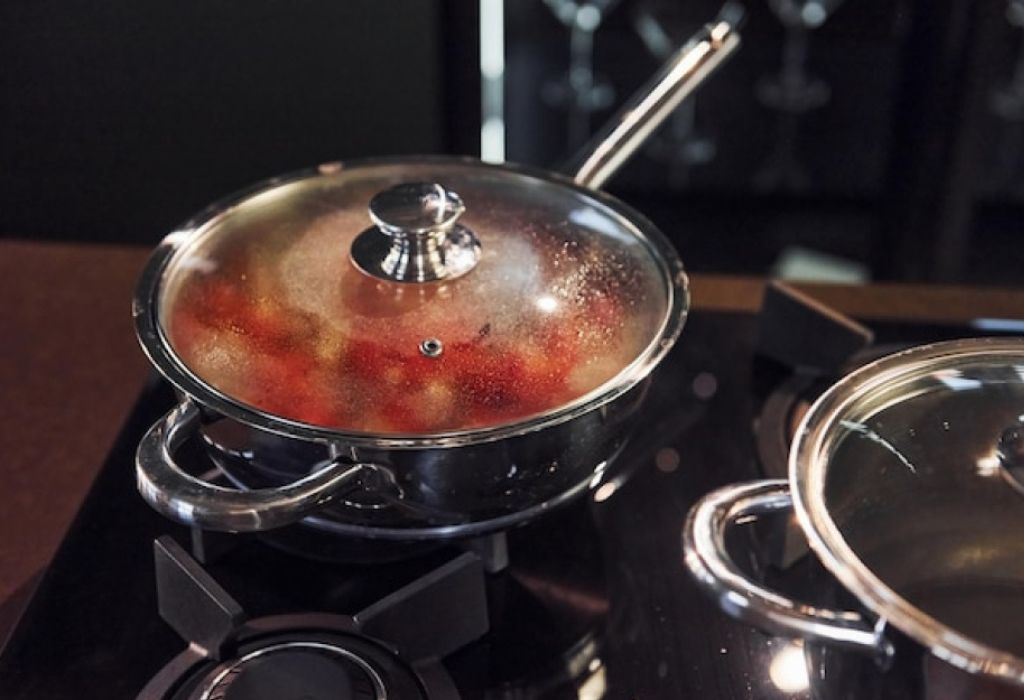
Cast iron cookware is made of ferromagnetic metal, which means it works seamlessly with glass-top induction cooktops. Even on radiant glass cooktops, cast iron performs well, as the flat glass allows efficient transfer of heat. Its compatibility is not in question—it is the handling that requires care.
Unlike lighter stainless steel or aluminum pans, cast iron has coarse bases that can harbor debris. If dragged across glass, these rough spots can scratch the surface permanently. The cookware itself is not the problem; the method of use is what determines safety.
The Risks of Scratching and Surface Damage
The number one risk of using cast iron on glass cooktops is scratching. Any small particles caught between the pan and the glass act like sandpaper under heavy weight. Even a quick slide can create a permanent mark.
Impact damage is another concern. A heavy Dutch oven dropped even slightly onto the surface may chip or crack glass. Manufacturers consistently advise lifting cast iron instead of sliding it. This simple habit eliminates the majority of risks associated with scratches and chips.
How Glass-Ceramic Cooktops Behave
Glass cooktops are made of glass-ceramic, a material that combines durability with heat resistance. While tough, it is not indestructible. Every movement of a heavy skillet is magnified on the slick surface.
Residue buildup from oils or spills can also cause discoloration when heated under cast iron. These stains may not be scratches, but they create a cloudy film that diminishes the glossy finish. Careful cleaning prevents these issues before they become permanent.
Manufacturer Guidance and Recommendations
Cooktop manufacturers provide clear instructions on using cast iron safely. Whirlpool, Maytag, and GE all allow cast iron on glass surfaces but stress the need for smooth, clean, and flat bases. Their guidance consistently emphasizes gentle placement and lifting during repositioning.
GE notes that enameled cast iron is safer because its coating reduces direct friction with glass. Bare cast iron is also acceptable, but it must be handled more carefully. These recommendations show that cast iron is not prohibited, but it is subject to conditions.
Bare Cast Iron vs. Enameled Cast Iron
Bare cast iron is a kitchen classic known for seasoning that creates a natural nonstick layer. On glass cooktops, however, its rough base is more likely to scratch. Care must be taken to keep the bottom smooth and free of debris.
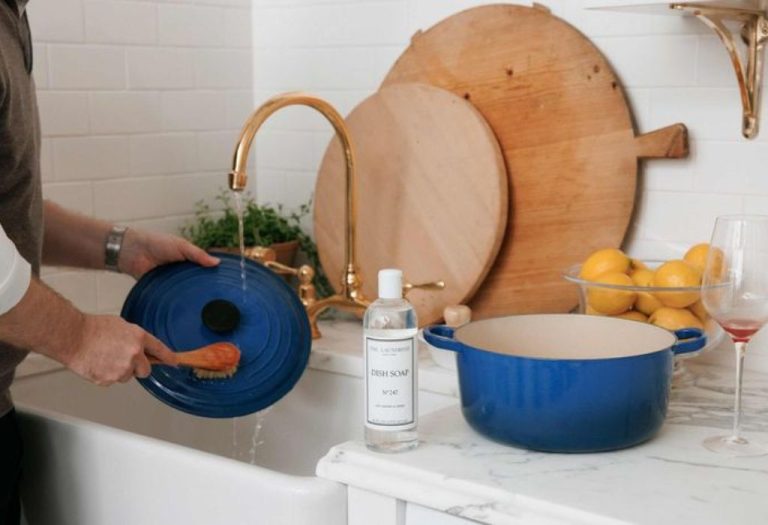
Enameled cast iron offers a safer alternative for glass surfaces. Its enamel coating provides a smoother base that glides with less risk of abrasion. It also eliminates the need for seasoning and resists reactivity with acidic foods. The trade-off is that enamel can chip if mishandled, though it generally offers more protection for glass.
Choosing the Right Pan Shape and Size
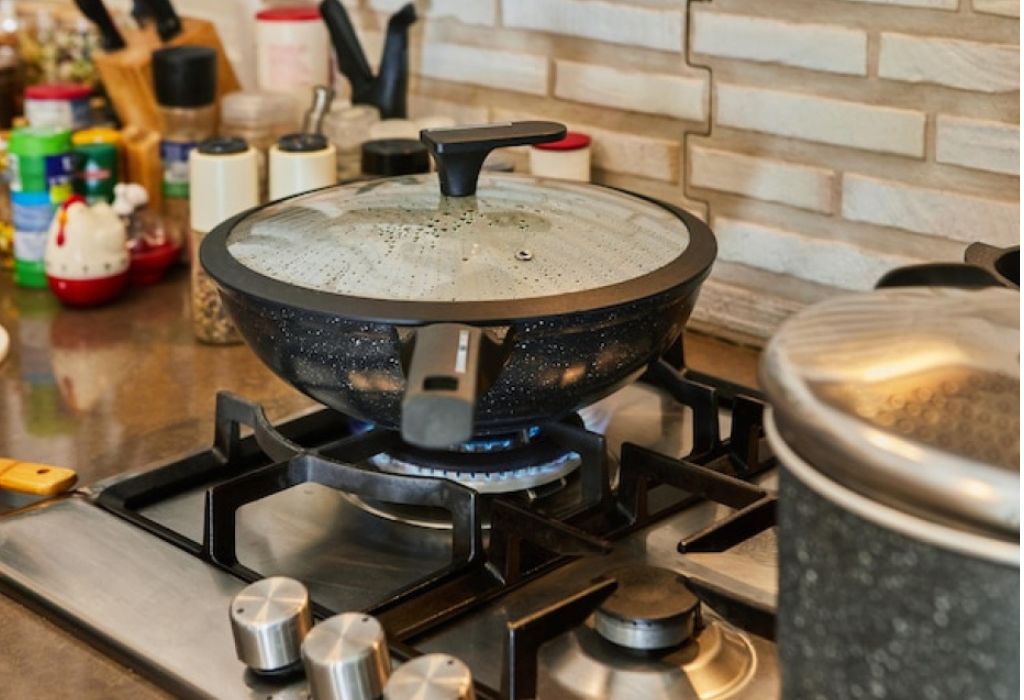
Not all cast iron is equally suitable for glass top stoves. Cookware with flat, wide bases is best because it ensures even heat distribution and prevents rocking. Rounded or warped bottoms can reduce cooking efficiency and increase the chance of accidental sliding.
Pan size also matters. Using cookware much larger or smaller than the burner zone can result in uneven heating and encourage movement. The closer the match between burner and pan, the better the cooking results and the lower the risk of scratching.
Best Safety Techniques for Everyday Use
The safest way to use cast iron on glass is to adopt a strict no-slide routine. Always lift cookware fully when changing positions or moving between burners. Even small shifts should be done with care.
Cleaning both the pan bottom and the glass surface before use prevents abrasive particles from causing scratches. Spills should be wiped away quickly to avoid stains burning into the glass. These small habits form the foundation of long-term safety for both cookware and cooktop.
Cleaning After Cooking with Cast Iron
After cooking, allow the cooktop to cool completely before cleaning. Wiping hot glass risks smearing residues into stubborn stains. A soft microfiber cloth and approved cooktop cleaner are ideal for daily care.
For tougher stains, a paste of baking soda and vinegar provides a gentle but effective solution. If necessary, a razor scraper can be used at a shallow angle to remove burnt-on debris, though it must be applied carefully to avoid damage. Proper cleaning ensures the glass retains its shine even with frequent cast iron use.
Common Problems and Their Solutions
Despite precautions, some glass cooktops show wear after repeated use with cast iron. Micro-scratches may appear as faint lines that catch the light but do not affect performance. These are largely cosmetic and can be minimized with regular polishing.
More serious issues include scorch rings and permanent stains from spills left to burn under cookware. These are preventable with consistent cleaning. Chips or cracks, however, are a sign of impact damage and often require professional service or replacement of the cooktop.
Cooking Performance on Glass Tops
Cast iron performs exceptionally well on glass surfaces, particularly for heat retention. It heats more slowly than stainless steel but maintains steady temperatures once warmed. This makes it excellent for searing meat or slow simmering sauces.
The drawback is that cast iron’s weight can make quick adjustments more challenging. Unlike lighter pans, it does not respond instantly to changes in burner settings. However, with practice, this can be used to advantage in maintaining stable cooking conditions.
Induction vs. Radiant Glass Cooktops
There are two main types of glass cooktops: induction and radiant electric. On induction, cast iron is one of the most effective cookware choices because its ferromagnetic properties allow direct heating through magnetic fields. On radiant electric, cast iron still works, but heating is slower because it relies on surface contact.
In both cases, the handling rules remain the same. Lift, don’t slide. Clean before and after cooking. Keep pan bases flat and smooth. Whether radiant or induction, the risks and solutions are consistent.
Practical Cooking Scenarios with Cast Iron on Glass

Cast iron brings specific advantages to glass top stoves in everyday cooking. For searing steaks, the combination of high heat and retention creates a perfect crust. For baking cornbread or skillet pizza, cast iron transitions easily from stovetop to oven.
Delicate tasks like frying eggs or cooking fish require patience and even preheating. With practice, cast iron on glass produces reliable results across a wide range of dishes. The key is learning the slower heating curve and adjusting accordingly.
Statistics and Market Data for Context
The popularity of glass top stoves continues to grow, particularly in urban markets where sleek design and easy cleaning are valued. At the same time, surveys show cast iron remains among the most commonly owned cookware types in the United States.
Reports from appliance manufacturers confirm that customer inquiries about cast iron use are frequent. This highlights the importance of clear, evidence-based advice on compatibility, safety, and best practices.
Conclusion
So, can cast iron cookware be used on glass top stoves? The answer is yes. Cast iron is fully compatible, but it requires awareness and care. The weight and roughness of the material demand mindful handling, cleaning, and flat-bottomed cookware choices.
With proper technique, scratches and stains can be avoided, and the benefits of cast iron—heat retention, durability, and versatility—can be fully enjoyed. Both bare and enameled varieties can serve reliably on glass cooktops when used thoughtfully.
In the end, safety and success come down to small habits: lift instead of slide, clean before and after, and place cookware gently. With these practices, cast iron and glass top stoves can coexist beautifully in the modern kitchen.

I’m Emma J. Caldwell, the founder, lead writer, and home-cooking enthusiast behind KitchenGuideCo.com. With a background in culinary arts and over a decade of cooking experience in both professional and personal kitchens, I created this platform to demystify recipes, offer smart kitchen gadget reviews, and guide readers through meal prep with confidence and clarity.